
Where we train
Regenerative Medicine Course for Toronto, Canada Professionals
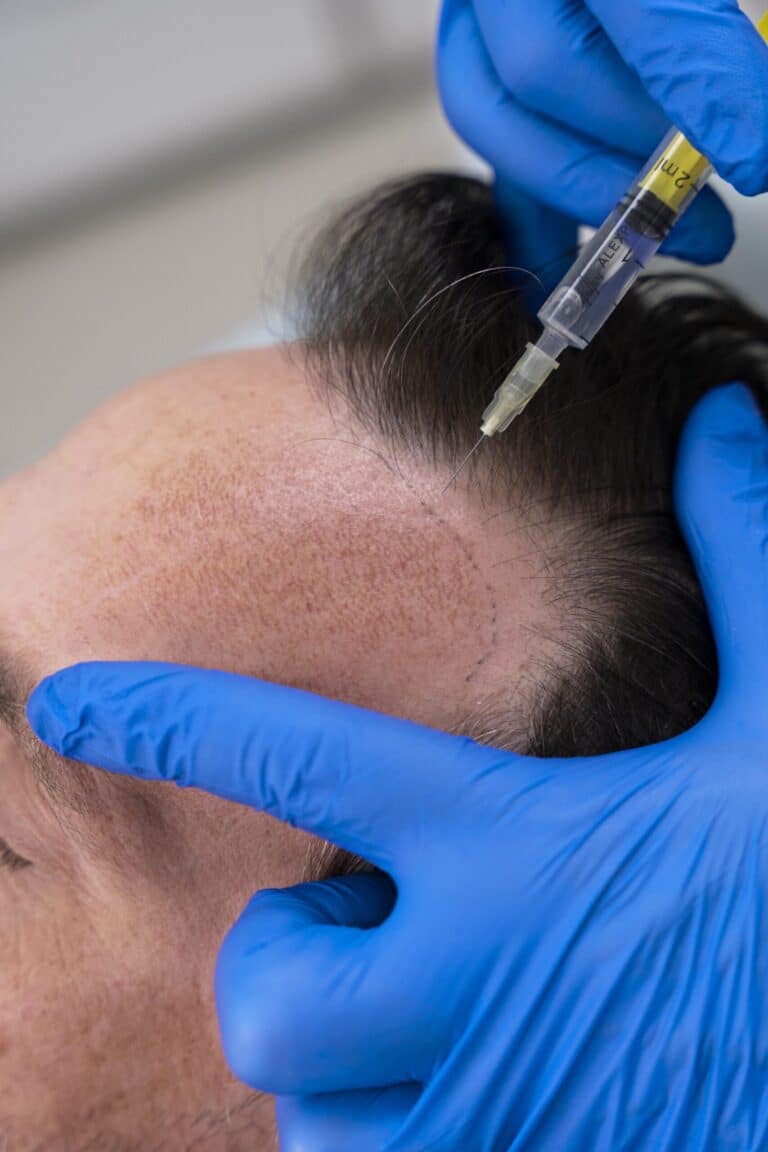
Private, hands-on regenerative medicine training for licensed providers in Toronto and the Greater Toronto Area. Hands on a consenting patient, with one instructor. It runs at a working practice or inside your own. How much you perform depends on your license, the state and the patient’s consent.

Live patients
Private training
Practicing clinicians
U.S. based, worldwide
Training in Toronto
Most providers who ask us about Toronto practice somewhere in the Greater Toronto Area: the city itself, Mississauga and Brampton to the west, Vaughan and Markham to the north, and Pickering and Oshawa along the lake to the east. Hamilton is about an hour around the lake on the QEW, Barrie a little over an hour up Highway 400, and Kitchener-Waterloo roughly an hour and a half out the 401, traffic allowing.
You can train two ways. The instructor can come to you and teach inside your own practice, with your staff and your equipment, and travel is included in the quote. Or you can go to an instructor’s own working practice. Both are private sessions on a real, consenting patient, and we agree the scope with you before you book.
Who can train? Anyone legally able to provide the treatment in Ontario. Here that comes down to the controlled acts your college lets you perform, and every license has its own list. The two sections below go through them license by license, with the college’s own page behind each one.
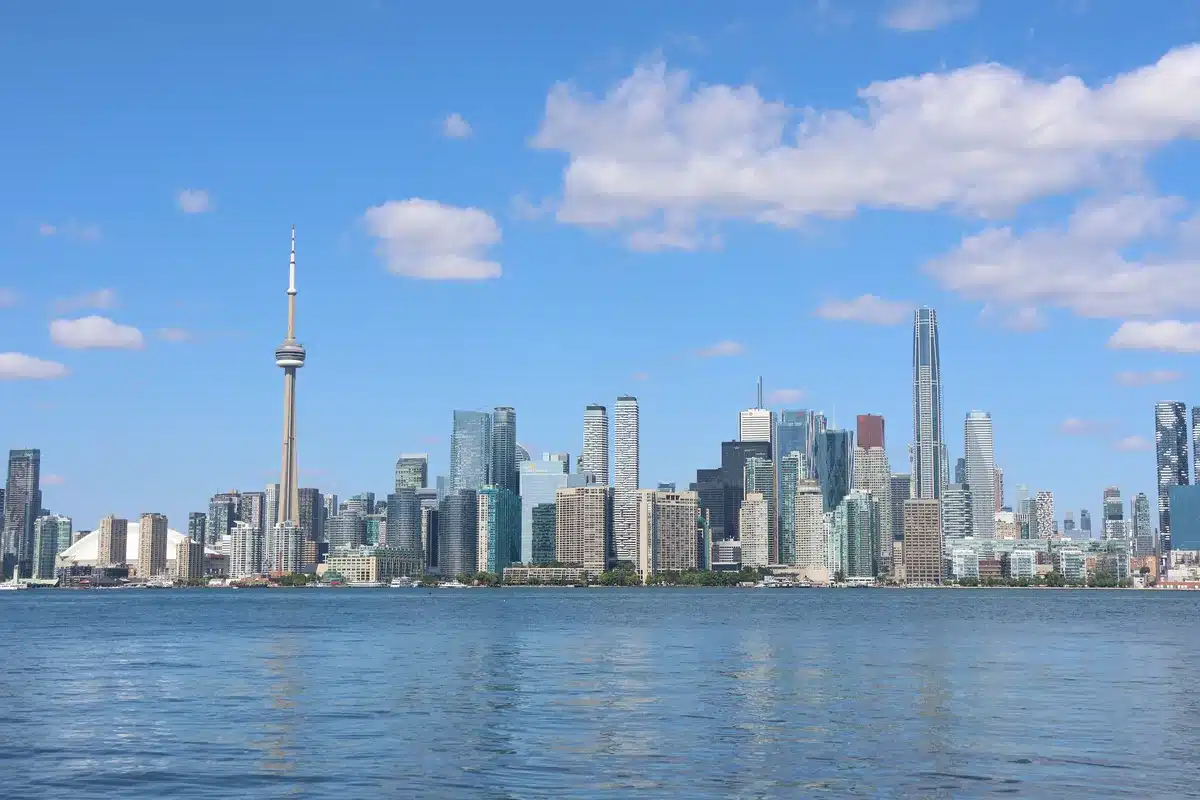
Local detail
Toronto at a glance.
Where the instructor lands, the area a Toronto session covers, and the hospitals Toronto providers work alongside.
Getting here
For training inside your practice, the instructor flies into Toronto Pearson or Billy Bishop Toronto City Airport, which sits on Toronto Island a few minutes from downtown. For a practice in Peel, York or Halton that is usually Pearson; for a clinic downtown, Billy Bishop can be the shorter trip. Travel and lodging are inside the quote.
The area a Toronto session covers
The City of Toronto and the four regions around it, Peel, York, Durham and Halton, which take in Mississauga, Brampton, Vaughan, Markham, Richmond Hill, Oakville, Burlington, Pickering, Ajax and Oshawa, and out to Hamilton, Guelph, Barrie and Kitchener-Waterloo. The rules on this page are provincial, so they hold for Ottawa, London and the rest of Ontario too. Quebec practices have their own page, Montreal, and so do practices across the border in Michigan: Detroit.
Toronto's hospital networks
Unity Health Toronto is a Catholic health care network made up of St. Michael’s Hospital, St. Joseph’s Health Centre and Providence Healthcare. St. Michael’s, opened in 1892, is fully affiliated with the University of Toronto. Sinai Health is made up of Mount Sinai Hospital, Hennick Bridgepoint Hospital, the Lunenfeld-Tanenbaum Research Institute and its system partner, Circle of Care.
The university and the west end
Nine hospitals in the Greater Toronto Area are fully affiliated with the University of Toronto, whose medical school is the Temerty Faculty of Medicine. West of the city, Trillium Health Partners is made up of Credit Valley Hospital, the Mississauga Hospital and the Queensway Health Centre, and describes itself as a community-based teaching hospital serving Mississauga, West Toronto and the communities around them.
Worth knowing
Insulin was discovered by researchers at the University of Toronto in 1921, and by early November 1922 Connaught Laboratories in Toronto was producing about a litre of it a week. Source
Ontario scope
What each Ontario license allows.
Your license decides what you do hands on, in Ontario as anywhere. Here is how Ontario’s rules read for each license we train, as of October 2026, with the college’s own standard linked. In Ontario the hands-on acts are “controlled acts,” and each college says which ones its members may perform. It is a starting point, not legal advice.
It is your responsibility to confirm the modality is legal in your province for your license. Do that before you book. The authority on your own scope is your provincial regulator, not us.
Physicians
Ontario physicians are licensed by the College of Physicians and Surgeons of Ontario (CPSO). Its policy on changing scope of practice says physicians “must only practise in the areas of medicine in which they are educated and experienced.” They must report to the College when they wish to change their scope of practice, and go through an individualized review to show their competence. A change counts when there is a significant change in the factors that describe a practice, the procedures performed among them. How we read it: if regenerative procedures are new to you, ask CPSO whether that is a change in scope before you book. Source
Nurse practitioners
Ontario nurse practitioners are registered with the College of Nurses of Ontario (CNO) in the Extended Class, and only they can use the title. CNO’s standard says they “are authorized to diagnose, order and interpret diagnostic tests and prescribe medications and other treatments for clients.” Their controlled acts include “performing a procedure below the dermis or a mucous membrane” and “administering a substance by injection or inhalation.” CNO updated the standard on July 1, 2026 for Ontario’s move to a single NP classification, with the specialty certificates removed. NPs consult other professionals when a client’s needs go beyond the legal scope of NP practice or their own competence. Source
Physician assistants
The CPSO began regulating physician assistants on April 1, 2025, and a PA must be registered with CPSO to use the protected title in Ontario. CPSO describes PAs as providing a broad range of medical services within health care teams under the supervision of a physician, and says they “can only perform controlled acts through delegation and with appropriate supervision by a physician.” Source A physician may only delegate controlled acts the physician can perform competently. How we read it: the supervising physician’s own scope is the outer limit of what an Ontario PA does hands on. Source
Registered nurses
Registered nurses in Ontario are regulated by the CNO. Its scope of practice standard lists five controlled acts RNs are authorized to perform, among them “performing a prescribed procedure below the dermis or a mucous membrane” and “administering a substance by injection or inhalation.” They perform them “if ordered by a physician, dentist, chiropodist, midwife or Nurse Practitioner (NP), or if initiated in accordance with conditions set out in the regulation,” and as authorized where they practise. How we read it: in regenerative work, an RN’s hands-on part starts from an order by one of those practitioners. Source
Chiropractors
Ontario chiropractors are regulated by the College of Chiropractors of Ontario. Its scope of practice standard sets out the Chiropractic Act, 1991: chiropractic is the assessment of conditions related to the spine, nervous system and joints, and their diagnosis, prevention and treatment, primarily by adjustment. The Act authorizes three acts: communicating a diagnosis within that field, moving the joints of the spine beyond a person’s usual physiological range of motion using a fast, low amplitude thrust, and putting a finger beyond the anal verge to manipulate the tailbone. Injections are not among them. Source Take any injection course question to the CCO before you book.
Physiotherapists
The College of Physiotherapists of Ontario regulates physiotherapists. Under its Controlled Acts Standard, in effect since August 1, 2026, physiotherapists can perform six controlled acts: communicating a diagnosis, spinal manipulation, tracheal suctioning, treating a wound below the dermis, pelvic internal exams and administering a substance by inhalation, plus acupuncture, including dry needling. They must roster with the College for each one before doing it on their own authority. Injection is not on the list. A physiotherapist who accepts a delegated act needs the knowledge, judgement and practical skills to perform it. Source Check an injection course with the College first.
Ontario law
The Ontario rules that touch regenerative medicine.
Law in this field changes, sometimes more than once a year. Our reading of each province, with its sources and the date we checked, is on the rules by state page. It is a starting point, not legal advice.
Controlled acts and delegation
The Regulated Health Professions Act, 1991 lists Ontario’s controlled acts in section 27(2), and only authorized regulated health professionals may perform them. Source CPSO’s delegation policy, updated most recently in May 2026, says physicians “must only delegate controlled acts that they can perform competently,” must take reasonable steps to make sure the people they delegate to have the knowledge, skill and judgment to perform the act, and must delegate through a direct order or a medical directive with enough detail to carry it out safely. Source
Out-of-hospital premises
CPSO conducts quality assessments of all out-of-hospital premises in Ontario. Source Any procedure there under general or regional anesthesia or parenteral sedation is captured by the program, and so are some done with local anesthetic, including “a tumescent procedure involving the administration of dilute, local anesthetic” and a cosmetic procedure involving the injection or insertion of autologous tissue, meaning tissue from the patient’s own body. Source Before captured procedures can start at a new premises, it must pass a New Premises Inspection. How we read it: an adipose harvest under tumescent anesthesia outside a hospital may be captured, so ask CPSO about your premises first. Source
Health Canada: cell therapies
Ontario’s rules sit under federal law. Health Canada’s policy on autologous cell therapy products states that all cell therapies are drugs under the Food and Drugs Act. As manufactured new drugs, “advanced” autologous cell therapy products must be licensed for sale and advertising through the market authorization process, except when they are for use in clinical research. The policy’s one exception is minimally manipulated lymphohematopoietic cells intended for homologous use in transplantation. Source
Health Canada: PRP (2019)
On July 26, 2019, Health Canada said PRP treatments, platelet rich fibrin included, are not the same as cell therapies and are not subject to that policy. PRP meets the definition of a drug under the Food and Drugs Act. Its preparation falls under the practice of medicine and dentistry, regulated by the province, when a practitioner such as a physician or dentist obtains it from a patient and gives it back to the same patient in a single procedure. Selling PRP outside those conditions needs Health Canada authorization. Source
Formats and pricing
Two ways to train in Toronto, and both are private.
The hands-on work with a consenting patient is the same either way. What changes is whose room it is, and who from your practice is in it. Both prices are starting points: the quote depends on the course, how many people are training and how much of the curriculum is built around you.
At an instructor location
From $5,000
You come to us, at an instructor’s own working practice.
At your own practice
From $10,000
We come to you, anywhere in Ontario, with the instructor’s travel and lodging inside the quote. What on-site training includes.
Cancel or refund any time up to thirty days out. Inside thirty days, no refund.
On a refund, covering card processing and office costs.
To move your date, covering the travel that moves with it.
Questions about dates, format or fit? Talk to us.
Training courses we offer
Every course runs in Toronto.
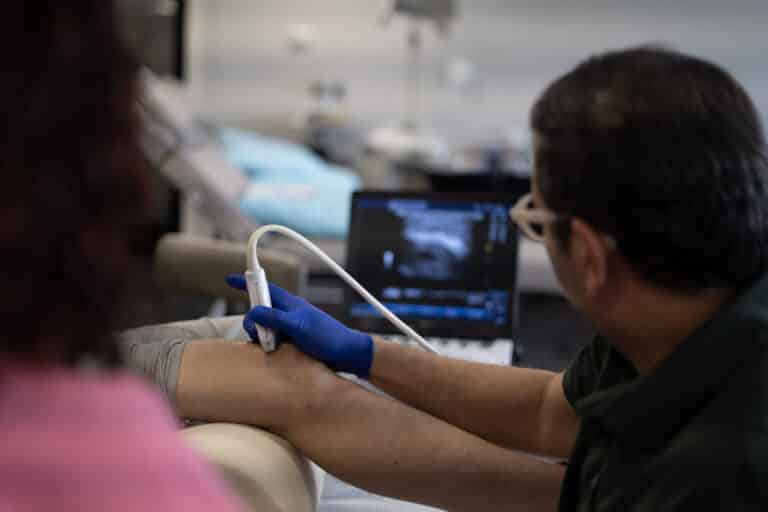
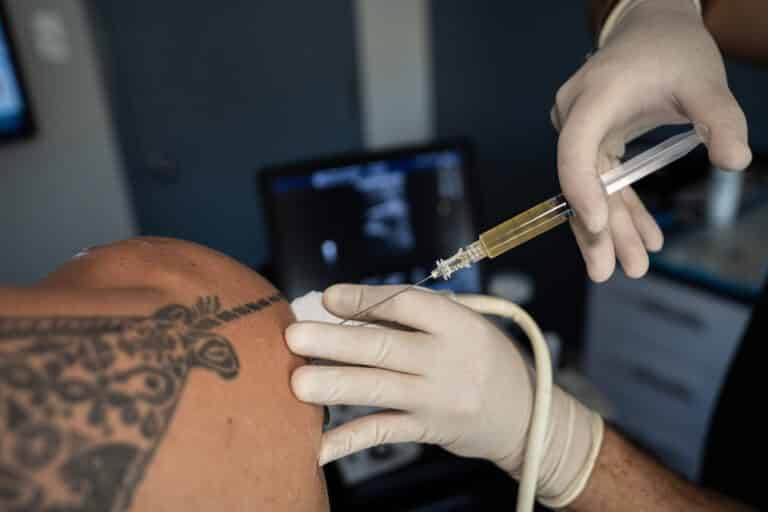
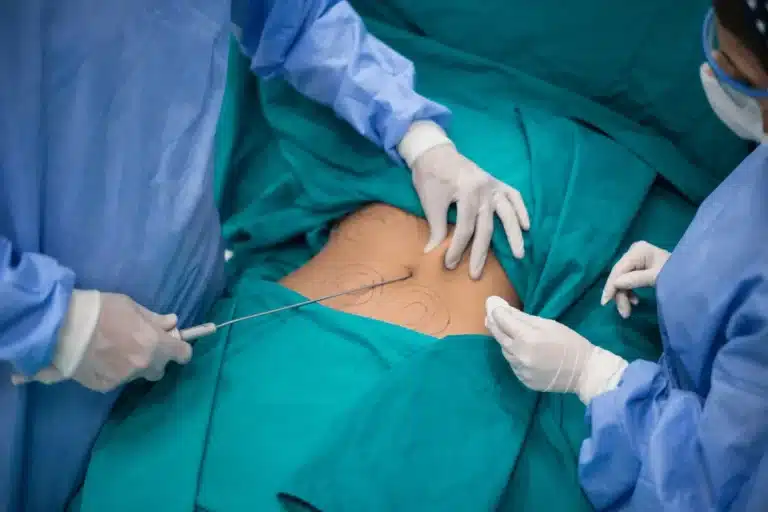
The hands-on day is in person, at an instructor’s practice or inside yours.



Common questions
What Toronto providers ask before they book.
How much does training in Toronto cost?
Training inside your own practice in Toronto starts at $10,000, with the instructor's travel and lodging included. Training at an instructor's location starts at $5,000. Both are starting points. The quote depends on the discipline, the instructor, how many people are training and how much of the curriculum is built around you.
What governs regenerative medicine in Ontario?
Two levels. Health Canada classes every cell therapy as a drug, and leaves PRP that a practitioner draws and gives back to the same patient in one procedure to the province. Ontario governs the hands-on side through its colleges: the controlled acts each license may perform, how a physician delegates, and, for some procedures, the CPSO inspection of out-of-hospital premises. Our reading, with every source, is on the rules by state page.
Can an Ontario NP or PA do the hands-on part?
An NP can, within the controlled acts the College of Nurses of Ontario authorizes and the NP's own competence; procedures below the dermis and injections are on that list. A PA works only through a physician's delegation and supervision, so the plan has to fit what the supervising physician can perform and has delegated. Bring your medical directive or delegation terms when we plan the session, and we build the hands-on part around them before you book.
I'm not licensed in Ontario. Can I train in Toronto?
Tell us when you request a date. We read hands-on work on a patient in Ontario as needing registration with the Ontario college for your profession. If we come to your own practice, you train there under the license you already hold. If you travel to an instructor's practice, what you do hands on depends on your licensure where that practice is. We settle which it is with you before you book.
Request a date now
Tell us about your practice and when you'd like to train.
Ready to add PRP or another regenerative procedure in Toronto? A few quick questions, one screen at a time. Nothing here commits you to a date. A person reads every request and calls you back within one business day.
From the blog
Read it here, then do it in a course.
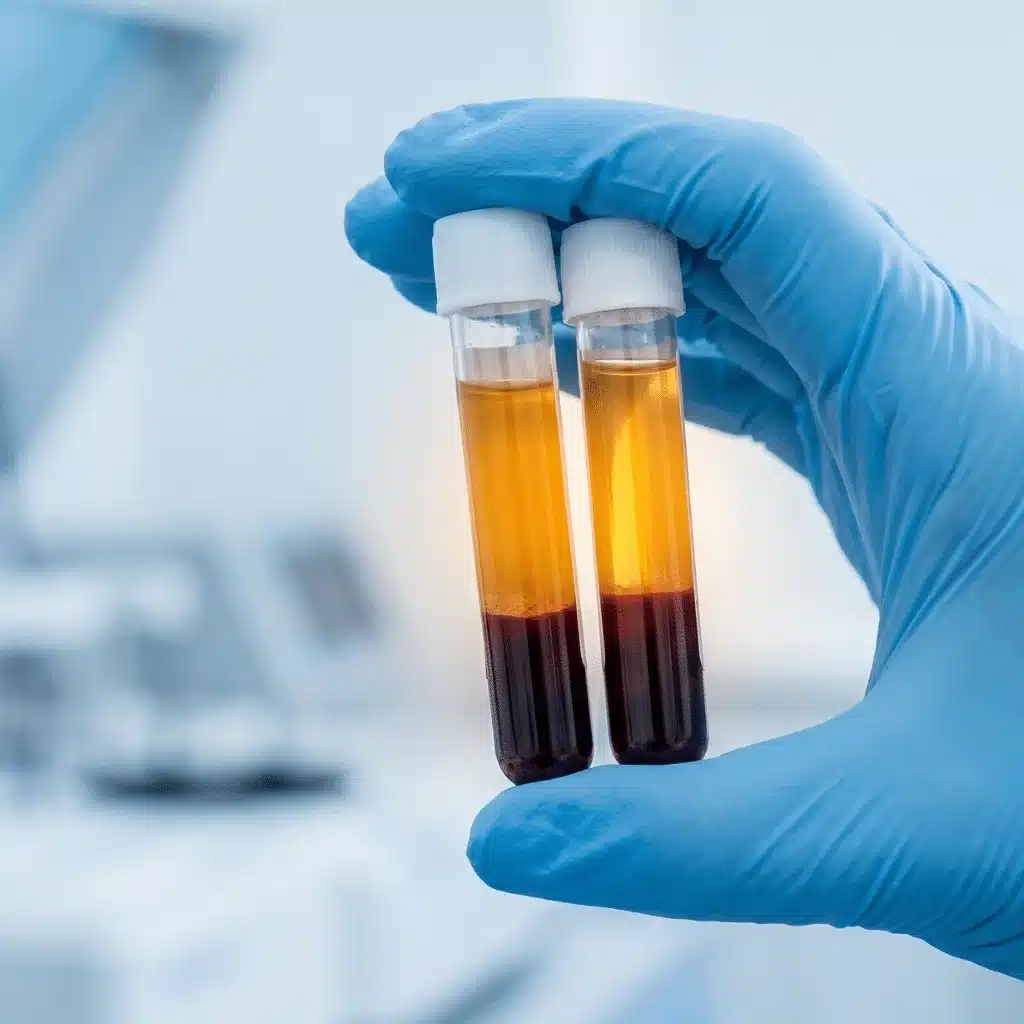
The role of growth factors in regenerative medicine: a clinical primer
Read the postPlatelet count is not the dose. A primer on the growth factors that do the work, why preparation…
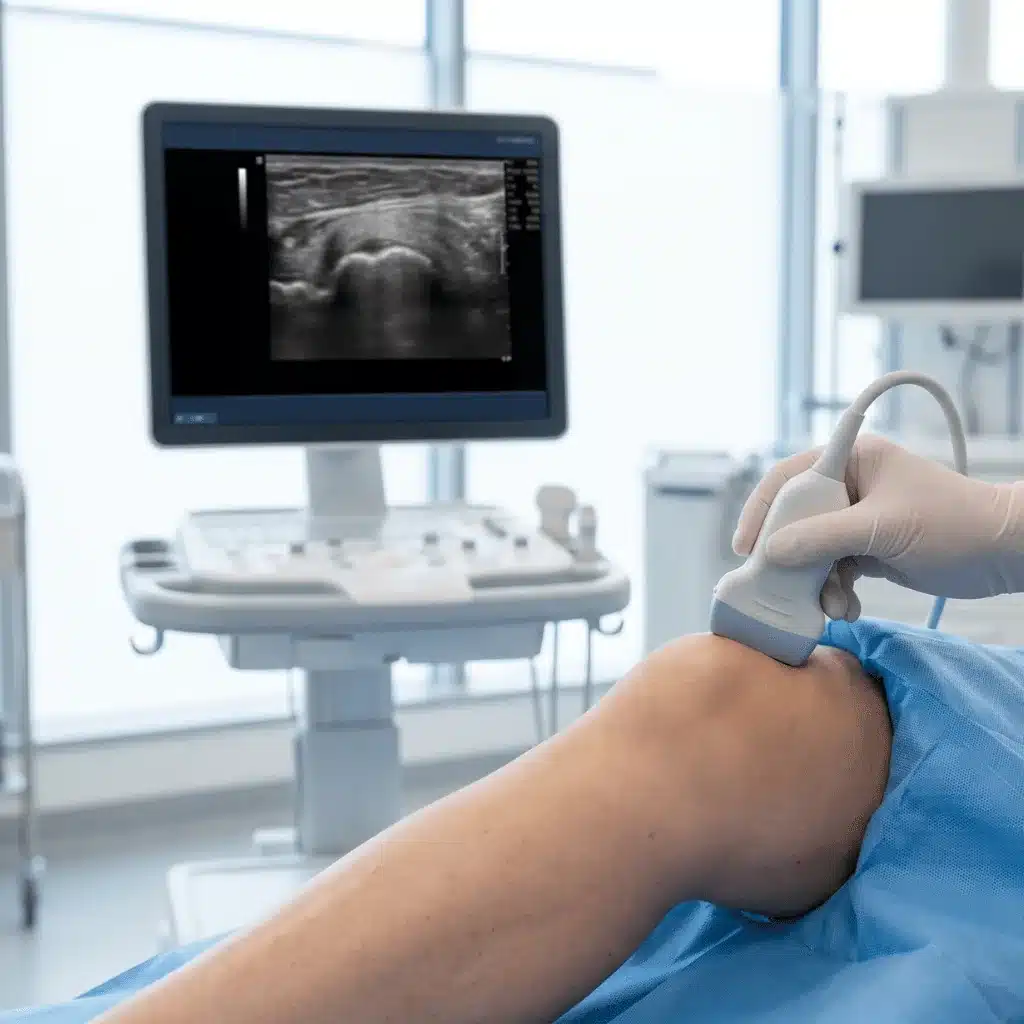
Ultrasound-guided injection techniques in regenerative medicine: why training matters
Read the postGuidance puts the needle where it belongs. It does not make you competent. What the accuracy evidence shows…
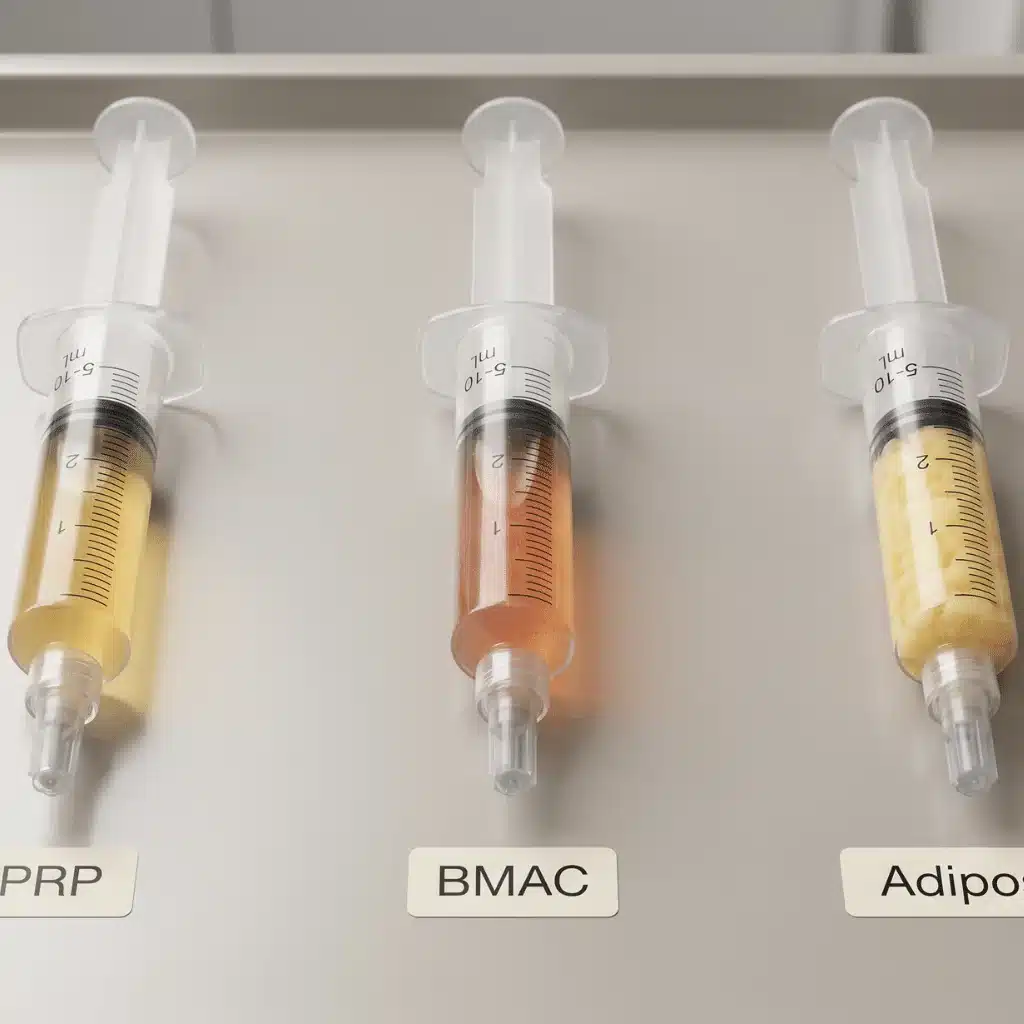
PRP vs. BMAC vs. adipose: comparing orthobiologic treatment options
Read the postPRP, BMAC and adipose are three different tools, not one product with three names. How to match modality…
Important information
Read this before you book.
Know what a course is not before you book. It won’t make you a specialist. It carries no CMEs, credit hours or accreditation, and it doesn’t cover your malpractice: you arrange that yourself. No one can promise you outcomes. It is education for licensed providers, not medical or legal advice, and some products and modalities discussed are not FDA approved or cleared for the uses discussed. The Certificate of Completion is not a license or a board certification, and it does not expand your scope of practice. Read the full notes.