
Where we train
Regenerative Medicine Course for Phoenix Professionals
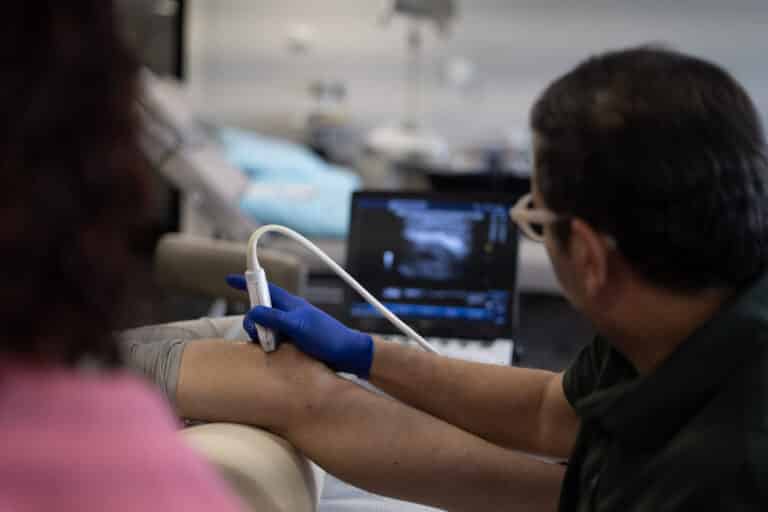
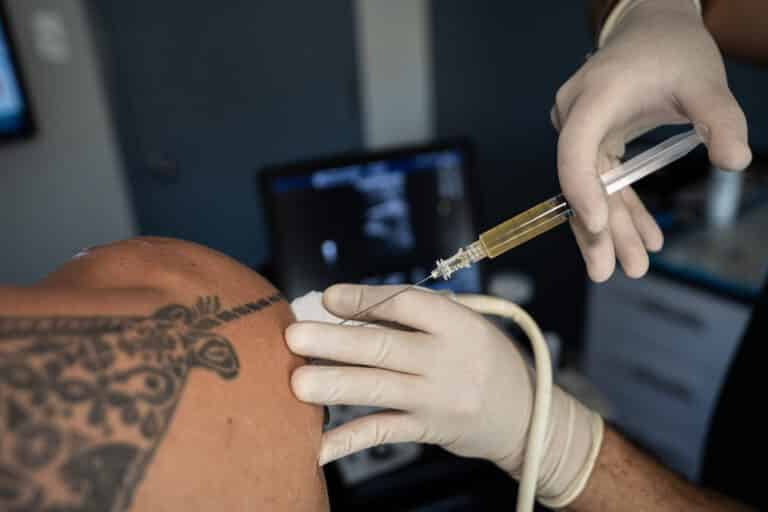
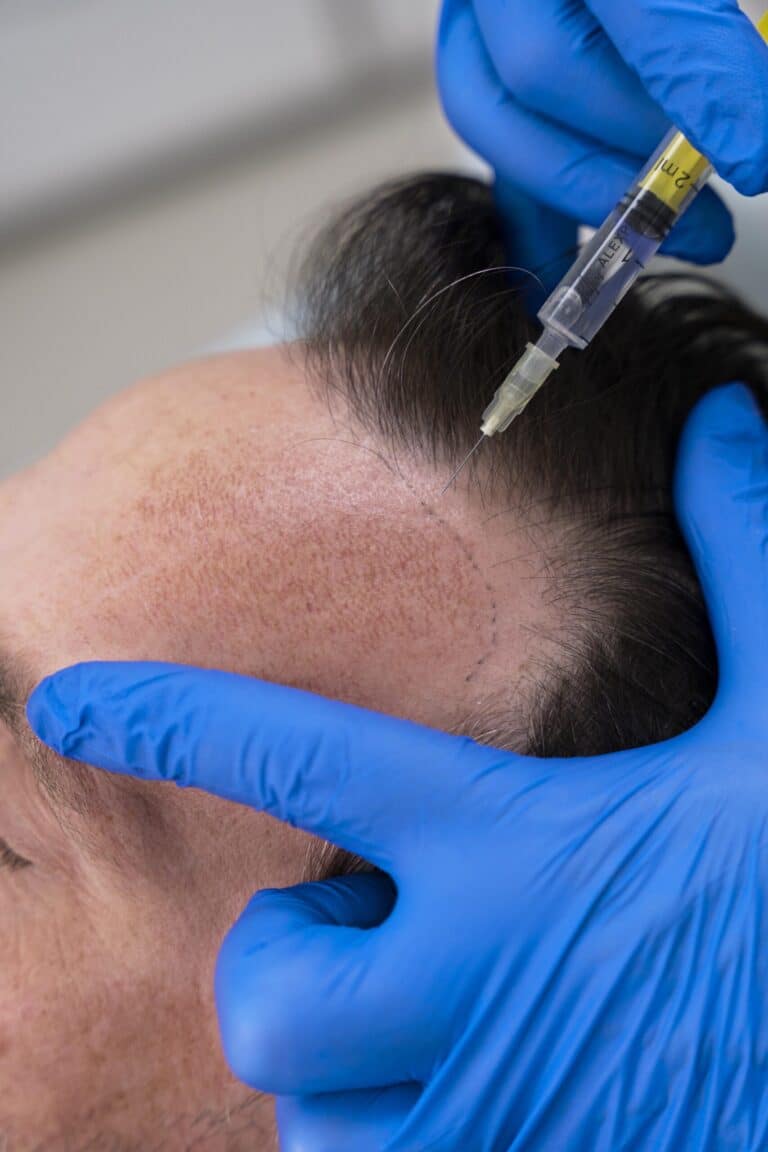
Regenerative medicine training for licensed providers across Phoenix, Scottsdale and Mesa, and the rest of the Valley. It’s private, and it’s hands on. You’re on a consenting patient, with one instructor.

Live patients
Private training
Practicing clinicians
U.S. based, worldwide
Training in Phoenix
Phoenix-area providers practice all over the Valley: Phoenix, Scottsdale, Mesa, Tempe, Chandler and Gilbert, and Glendale, Peoria and Surprise to the west, nearly all of it in Maricopa County. Queen Creek and San Tan Valley reach into Pinal County. Tucson is about 115 miles down I-10, and Flagstaff is about 145 miles up I-17.
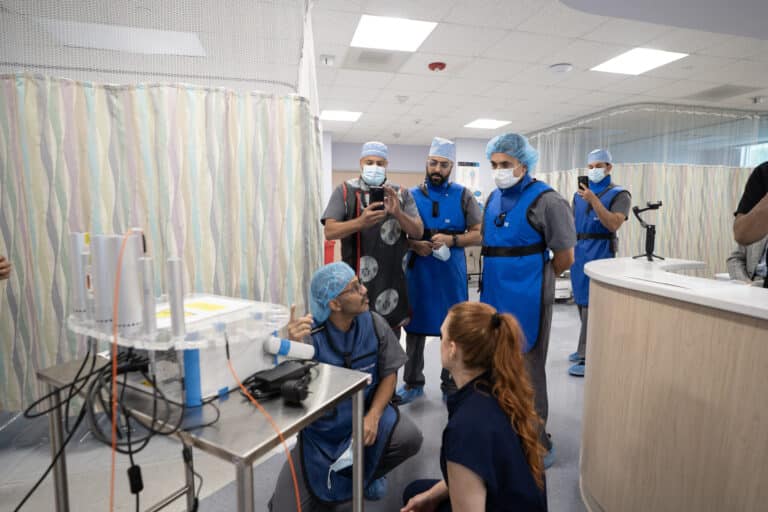
You have two options. The instructor flies in and teaches you and your staff inside your own practice, on your own equipment, with travel covered by the quote. Or you train at an instructor’s own working practice. Both are private and hands on, with real patients who have consented, and the scope is agreed before you book.
Who can train? Anyone legally able to provide the treatment in Arizona. Your license is what decides it, and Arizona gives each license its own terms. The scope and law sections below spell them out, each with its source.

Local detail
Phoenix at a glance.
The airport the instructor flies into, the Valley a Phoenix session covers, and the health systems and medical schools around it.
Getting here
For training in your own practice, the instructor flies into Phoenix Sky Harbor International Airport (PHX). Travel and lodging for the instructor sit inside the quote.
The area a Phoenix session covers
Maricopa County and the edge of Pinal County. That takes in Phoenix, Scottsdale, Paradise Valley, Tempe, Mesa, Chandler, Gilbert, Queen Creek, San Tan Valley, Glendale, Peoria, Sun City, Surprise, Goodyear, Avondale, Buckeye, Cave Creek, Fountain Hills and Apache Junction. Practices in neighboring states have their own pages: Las Vegas, San Diego, Los Angeles and Salt Lake City.
Health systems in the Valley
Phoenix providers practice alongside Banner Health, a nonprofit system headquartered in Phoenix, with 33 hospital locations across six states; Valleywise Health, in its own words the Phoenix area’s only public teaching health system, whose Arizona Burn Center it calls “Arizona’s first nationally verified burn center”; and Mayo Clinic in Arizona, on two main campuses in Scottsdale and Phoenix. HonorHealth, in Scottsdale, is a local, nonprofit healthcare organization formed when John C. Lincoln Health Network and Scottsdale Healthcare merged in October 2013.
Medical schools in the Valley
The University of Arizona College of Medicine Phoenix is on North 5th Street in Phoenix and says it was built “as a result of extraordinary collaboration within the community.” In 1995, Midwestern University acknowledged the growing need for physicians in the United States and established the Arizona College of Osteopathic Medicine in Glendale. Its first class began on September 30, 1996, and graduated on June 4, 2000.
Worth knowing
Valleywise Health first opened in 1877. In its own words, it has been “dedicated to caring for families and communities” for more than 140 years. Source
Arizona scope
What each Arizona license allows.
What you can do hands on in Arizona comes down to your license. Here is our reading of Arizona law for each license we train, current to October 2026, with the statute linked. It is where to start, not legal advice.
It is your responsibility to confirm the modality is legal in your state for your license. Do that before you book. The authority on your own scope is your licensing board, not us.
Physicians, MD and DO
Arizona licenses MDs through the Arizona Medical Board and DOs through the Board of Osteopathic Examiners in Medicine and Surgery. The Medical Practice Act defines the practice of medicine as diagnosing, treating or correcting human diseases, injuries, ailments, infirmities or deformities “by any means, methods, devices or instrumentalities,” and it includes surgery. A medical assistant works under the supervision of a doctor of medicine, physician assistant or nurse practitioner and performs only delegated procedures that match the assistant’s education and training. Source
Nurse practitioners
Arizona has full practice authority for nurse practitioners, according to the AANP. Source Its nursing statute lets a registered nurse practitioner diagnose, perform “diagnostic and therapeutic procedures,” and prescribe, administer and dispense therapeutic measures, within the scope the Board of Nursing sets. Source The board has advisory opinions for APRNs on trigger point, intraarticular joint, facet joint and transforaminal epidural injections and medial branch blocks, and on medical aesthetic procedures. Source
Physician assistants
An Arizona physician assistant may provide any legal medical service they are prepared for by education, training and experience and competent to perform, and the statute’s list includes minor surgery. A PA with less than 8,000 hours of board-certified clinical practice works under a supervision agreement describing their scope, and supervision may be electronic, without the physician present. Source Since December 31, 2023, under HB 2043, a PA with at least 8,000 clinical hours whom the board certifies may practice collaboratively, without supervision. Source How we read it: the board’s page still asks for a supervision agreement before health care tasks begin, so bring yours.
Registered nurses
Arizona defines registered nursing to include diagnosing and treating human responses to actual or potential health problems, and performing additional acts that need education and training the board prescribes and that the profession recognizes as proper for a registered nurse. Source The Arizona State Board of Nursing calls its advisory opinions “an interpretation by the Board of what the law requires.” They include opinions on medical aesthetic procedures, intravenous hydration and local anesthetic infiltration that apply to RNs. Source How we read it: find the opinion that fits the procedure before you book.
Chiropractors
Arizona chiropractors may use physical medicine modalities, therapeutic procedures, adjustment of the spine or bodily articulations, orthopedic supports and acupuncture, and may collect specimens such as a finger prick or blood draw for clinical diagnostic laboratory procedures. The same statute says a chiropractor “shall not prescribe or administer medicine or drugs, perform surgery or practice obstetrics.” Source How we read it: ask the Board of Chiropractic Examiners how that line applies to any injection course before you book.
Physical therapists
Arizona lists the interventions in the practice of physical therapy, from therapeutic exercise, manual therapy and massage to debridement, wound care and electrotherapeutic modalities. Injections are not on the list. The same section defines dry needling as a skilled intervention by a physical therapist using a thin filiform needle. Source The Board of Physical Therapy sets dry needling course content at a minimum of 24 contact hours. Source Take any injection course to the board before you book.
Arizona law
The Arizona rules that touch regenerative medicine.
State law in this field changes, sometimes more than once a year. Our reading of each state, with its sources and the date we checked, is on the rules by state page. It is a starting point, not legal advice.
Stem cell products
We found no Arizona law written specifically for stem cell products when we last checked, in September 2026. Federal rules apply either way, and our reading, with its sources, is in Arizona’s section of the rules by state page. Source
Right to Try (Proposition 303, 2014)
Arizona’s Right to Try law began as Proposition 303, the Terminal Patients’ Right to Try Act, on the 2014 ballot. Source It covers an eligible patient with a terminal illness, as determined by a physician, who gives written informed consent, among other conditions. The product must have successfully completed phase one of a clinical trial and not be approved for general use by the FDA. Source A manufacturer may make it available, and may provide it without receiving compensation. Source
Individualized investigational treatment
A separate article lets a manufacturer operating within an eligible facility, and under all applicable federalwide assurance regulations, make an individualized investigational treatment available to an eligible patient. The patient’s physician may request it. No manufacturer has to provide one, and a facility or manufacturer that does may provide it without compensation or may charge the patient the costs of making it. Source
Federal rules still apply
Arizona law sits on top of federal law, not in place of it. The FDA’s rules for human cells, tissues, and cellular and tissue-based products apply in every state. Our summary is in the federal section of the rules by state page.
Formats and pricing
Two ways to train in Phoenix, and both are private.
The hands-on work with a consenting patient is the same either way. What changes is whose room it is, and who from your practice is in it. Both prices are starting points: the quote depends on the course, how many people are training and how much of the curriculum is built around you.
At an instructor location
From $5,000
You come to us, at an instructor’s own working practice.
At your own practice
From $10,000
We come to you, anywhere in Arizona, with the instructor’s travel and lodging inside the quote. What on-site training includes.
Cancel or refund any time up to thirty days out. Inside thirty days, no refund.
On a refund, covering card processing and office costs.
To move your date, covering the travel that moves with it.
Questions about dates, format or fit? Talk to us.
Training courses we offer
Every course runs in Phoenix.
The hands-on day is in person, at an instructor’s practice or inside yours.




Common questions
What Phoenix providers ask before they book.
How much does training in Phoenix cost?
Training inside your own practice in Phoenix starts at $10,000, with the instructor's travel and lodging included. Training at an instructor's location starts at $5,000. Both are starting points. The quote depends on the discipline, the instructor, how many people are training and how much of the curriculum is built around you.
Does Arizona have its own stem cell law?
Not that we found. When we last checked, in September 2026, Arizona had no law written specifically for stem cell products. What governs instead is federal law, chiefly the FDA's rules for human cells, tissues, and cellular and tissue-based products, plus the scope your own board allows you. Arizona's Right to Try statutes are a separate matter: they cover investigational products for eligible patients. Our reading is on the rules by state page.
Can an Arizona NP or PA do the hands-on part?
Within your Arizona scope, yes. Nurse practitioners have full practice authority, and the Board of Nursing's advisory opinions show how it reads particular procedures. A physician assistant works under a supervision agreement, or collaboratively once the board has certified 8,000 clinical hours. Bring your agreement, or the board's sign-off on your hours, when we plan, and we build the hands-on plan around it before you book.
I'm not licensed in Arizona. Can I train in Phoenix?
Let us know in your request. If the instructor travels to you, you train inside your own practice under the license you already hold. If you travel to an instructor's practice in Arizona, what you can do hands on turns on your Arizona licensure, and we settle the plan with you before you book.
Request a date now
Tell us about your practice and when you'd like to train.
Ready to add PRP or another regenerative procedure in Phoenix? A few quick questions, one screen at a time. Nothing here commits you to a date. A person reads every request and calls you back within one business day.
From the blog
Read it here, then do it in a course.

Who on my staff can draw, spin and inject PRP?
Read the postWritten by Oscar Tellez, founder of Regen Med Academy. Oscar is not a clinician. This post is education…

What PRP equipment does a clinic need to start?
Read the postWritten by Oscar Tellez, founder of Regen Med Academy. Oscar is not a clinician. This post is education…
What do I need to offer PRP injections in my practice?
Read the postWritten by Oscar Tellez, founder of Regen Med Academy. Oscar is not a clinician. This post is education…
Important information
Read this before you book.
Know what a course is not before you book. It won’t make you a specialist. It carries no CMEs, credit hours or accreditation, and it doesn’t cover your malpractice: you arrange that yourself. No one can promise you outcomes. It is education for licensed providers, not medical or legal advice, and some products and modalities discussed are not FDA approved or cleared for the uses discussed. The Certificate of Completion is not a license or a board certification, and it does not expand your scope of practice. Read the full notes.