
Where we train
Regenerative Medicine Training in Montreal, Quebec
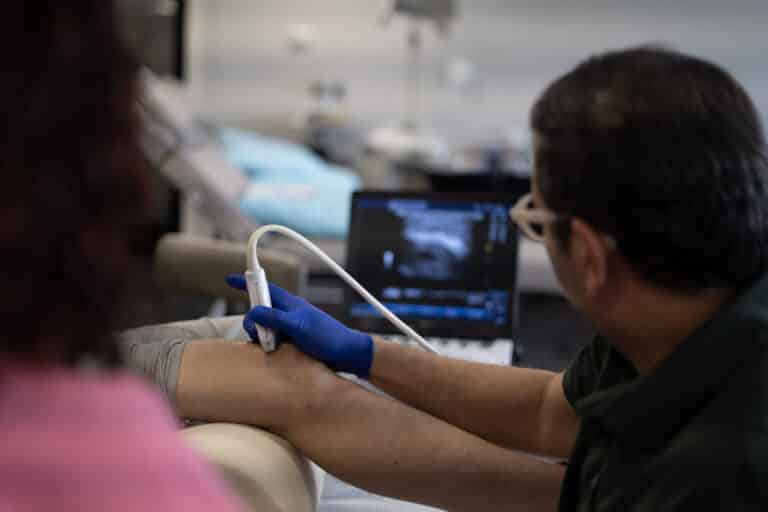
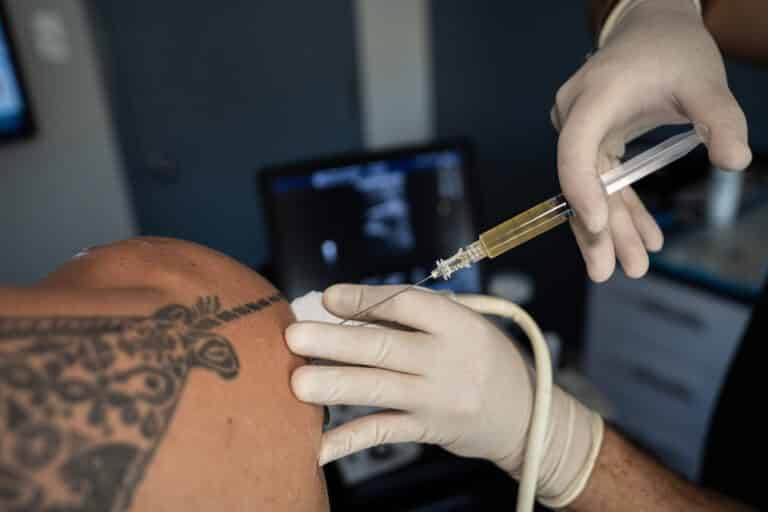
PRP and regenerative medicine training for licensed providers in Montreal and across Quebec. It’s private and hands-on, on a live consenting patient.

Live patients
Private training
Practicing clinicians
U.S. based, worldwide
Training in Montreal
Most providers who ask about Montreal practice on the island or just off it: Laval to the north, Longueuil and Brossard on the South Shore, and the West Island out toward Vaudreuil-Dorion. Sherbrooke and the Eastern Townships are about an hour and a half east on Autoroute 10, and Quebec City is roughly three hours away by Autoroute 20 or 40.
There are two formats. In one, the instructor travels to you and teaches in your practice, with your team and your equipment, and the travel is part of the quote. In the other, you go to an instructor’s own working practice. Both are private and hands-on with a consenting patient, and the scope is agreed before you book.
Who can train? Anyone legally able to provide the treatment in Quebec. Quebec reserves each invasive act to named professions, and the line falls in a different place for physicians, nurses, chiropractors and physiotherapists. The two sections below set it out, with the Act or the order’s own page behind every line.
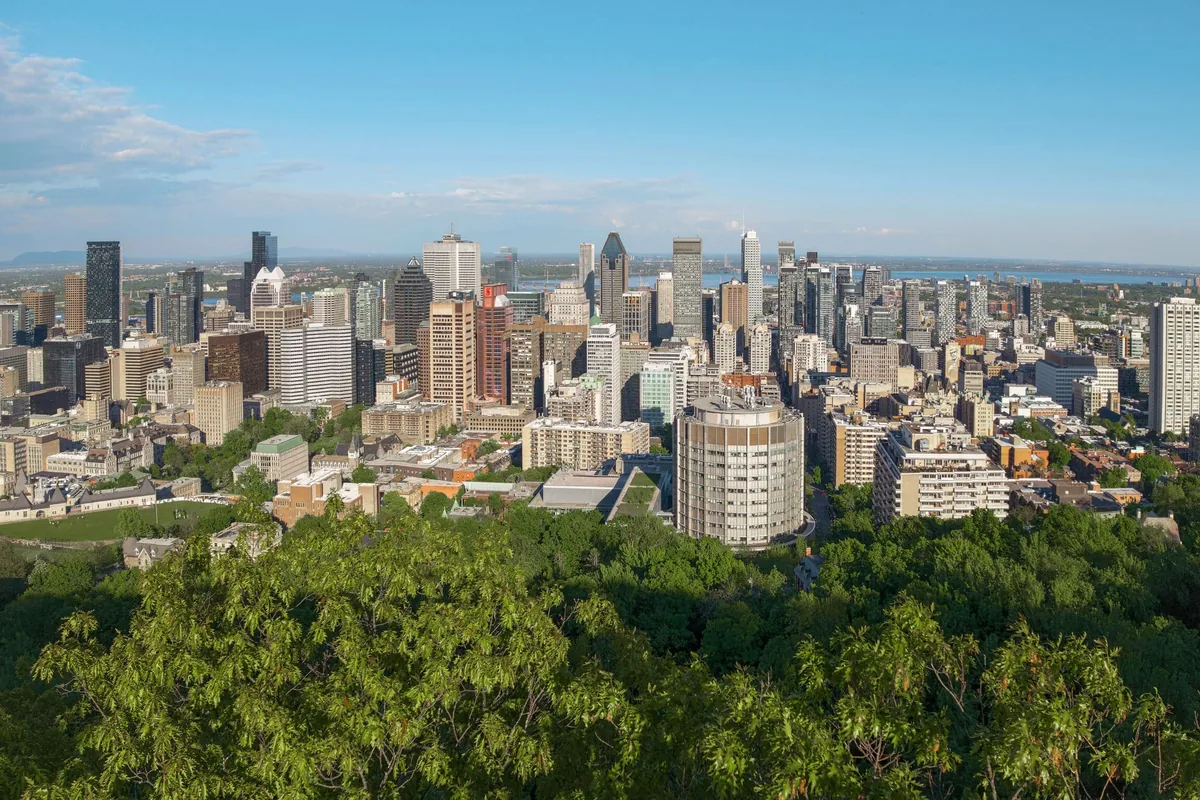
Local detail
Montreal at a glance.
Where the instructor lands, the area a Montreal session covers, and the two university health networks around you.
Getting here
For training inside your practice, the instructor flies into Montréal-Pierre Elliott Trudeau International Airport (YUL) and drives to your practice, whether it is downtown, in Laval or on the South Shore. For a practice in Quebec City or the regions, we plan the onward leg with you. Travel and lodging are inside the quote.
The area a Montreal session covers
The island of Montreal, Laval, Longueuil, Brossard and the rest of the South Shore, the North Shore towns such as Terrebonne and Repentigny, and the West Island and Vaudreuil-Soulanges. Past the metro, the same Quebec rules apply in Quebec City, Sherbrooke, Trois-Rivières and Gatineau. Ottawa, across the river from Gatineau, is in Ontario, and Ontario practices are covered on the Toronto page.
McGill and the MUHC
The McGill University Health Centre (MUHC) describes itself as an academic health network affiliated with the Faculty of Medicine of McGill University. Its sites include the Glen site, the Montreal General Hospital, The Neuro (Montreal Neurological Institute-Hospital) and Lachine Hospital, and its mandate is tertiary and quaternary care for the population of Montreal and Quebec.
Université de Montréal and the CHUM
The Faculté de médecine de l’Université de Montréal, a French-language faculty, dates its history to 1843 and says one in three physicians in Quebec trained there. The CHUM (Centre hospitalier de l’Université de Montréal), in the heart of the city, is affiliated with the university and has its own research centre, the CRCHUM.
Worth knowing
In 1823, four Edinburgh-trained physicians working at the Montreal General Hospital set up the Montreal Medical Institution. In 1829 it was incorporated into McGill College as its Faculty of Medicine, the first faculty of medicine in the country. Source
Quebec scope
What each Quebec license allows.
Your license decides what you do hands on, in Quebec as anywhere. Here is how Quebec law reads for each license we train, as of October 2026, with the Act or the regulator linked. Quebec works through professional orders and “reserved activities”: each Act says which acts belong to which profession. It is a starting point, not legal advice.
It is your responsibility to confirm the modality is legal in your province for your license. Do that before you book. The authority on your own scope is your provincial regulator, not us.
Physicians
Quebec physicians form the professional order the Medical Act calls the Collège des médecins du Québec (CMQ). Source Their Code of ethics says a physician “must, in the practice of his profession, take into account his capacities, limitations and the means at his disposal,” and must consult a colleague or refer the patient when the patient’s interest requires it. It also requires physicians to develop, perfect and keep their knowledge and skills up to date. How we read it: before you add a procedure, the question is whether it sits within your own capacities and limits, and the CMQ is the authority on that. Source
Specialized nurse practitioners
Quebec’s nurse practitioners are specialized nurse practitioners (IPS in French), with a licence to practise from the Ordre des infirmières et infirmiers du Québec (OIIQ). The Quebec government lists what they may do, including “Prescribe, administer, or adjust medications and other substances” and “Perform various procedures, such as stitching or joint infiltration.” They work in five specialties: primary care, mental health, pediatrics, adult care and neonatology. Source Under the Nurses Act, each IPS acts according to their class of specialization and on the terms set by regulation, which include “using techniques or applying medical treatments that are invasive or entail risks of injury.” Source
Physician assistants
We did not find a Quebec regulator or regulation for civilian physician assistants as of October 2026. The only Quebec regulation we found covers physician assistants in the Canadian Forces. It sets which physician activities they may perform during their training or to maintain their competence. Source The Canadian Medical Protective Association wrote in May 2024 that PAs had not been integrated into the health care system in Quebec. How we read it: a civilian PA has no Quebec license to do the hands-on part under, so the CMQ is the place to ask before planning anything. Source
Registered nurses
Quebec’s Nurses Act sets out the activities reserved to nurses. Among them are “applying invasive techniques,” “administering and adjusting prescribed medications or other prescribed substances” and “performing invasive examinations and diagnostic tests, according to a prescription.” The Act also reserves to them determining the treatment plan for wounds and alterations of the skin and teguments. How we read it: a nurse’s part in an injection rests on a prescription for the substance, written by someone allowed to prescribe it. Source
Chiropractors
Quebec chiropractors belong to the Ordre des chiropraticiens du Québec. The Chiropractic Act defines the practice as “Every act the object of which is to make corrections of the spinal column, pelvic bones or other joints of the human body, by use of the hands.” Source The Medical Act reserves “prescribing medications and other substances” to physicians. How we read it: injections are outside that definition, so take the question to the Ordre before you book. Source
Physiotherapists
Quebec physiotherapists belong to the Ordre professionnel de la physiothérapie du Québec (OPPQ). The activities reserved to its members include assessing neuromusculoskeletal function, “using invasive forms of energy,” “providing treatment for wounds,” introducing an instrument in the body in and beyond the pharynx or the nasal vestibule, and, for members holding the training certificate it requires, inserting needles under the dermis and performing spinal and joint manipulations. Injecting a substance is not on the list. How we read it: ask the OPPQ before you book an injection course. Source
Quebec law
The Quebec rules that touch regenerative medicine.
Law in this field changes, sometimes more than once a year. Our reading of each province, with its sources and the date we checked, is on the rules by state page. It is a starting point, not legal advice.
Activities reserved to physicians
Section 31 of the Medical Act defines the practice of medicine and then lists what is reserved to physicians, including “prescribing medications and other substances” and “using techniques or applying treatments that are invasive or entail risks of injury, including aesthetic procedures.” Source How we read it: another profession shares one of those acts only where its own Act or a regulation authorizes it, as the Nurses Act does for specialized nurse practitioners “if so authorized by a regulation,” so in Quebec an invasive procedure starts from the question of who is authorized to perform it. Source
Insufficiently tested treatments
Section 48 of the Code of ethics of physicians reads: “A physician must not resort to insufficiently tested examinations, investigations or treatments, unless they are part of a recognized research project and carried out in a recognized scientific milieu.” Section 44 requires physicians to practise in accordance with the highest possible current medical standards. How we read it: for any regenerative procedure whose evidence is still developing, section 48 is the line a Quebec physician answers to, and the CMQ decides where it falls. Source
Health Canada and cell therapies
Quebec law works alongside federal law. Health Canada’s Policy Position Paper on Autologous Cell Therapy Products states that “All cell therapies are ‘drugs'” under the Food and Drugs Act. Manufactured “advanced” autologous cell therapy products must be licensed for sale and advertising through the market authorization process, unless they are for use in clinical research, and a physician or treatment centre can submit a Clinical Trial Application at any time. Source
Health Canada and PRP (2019)
Health Canada’s position of July 26, 2019 is that PRP meets the definition of a drug, but that preparing it falls under the practice of medicine and dentistry, which the provinces regulate, when three things are true: practitioners such as physicians or dentists do it, it is obtained from a patient, and it is given back to the same patient in a single procedure. Anyone selling PRP outside those conditions needs authorization from Health Canada, through a clinical trial or a drug authorization. Source
Your regulators in Quebec
Collège des médecins du Québec, the Ordre des infirmières et infirmiers du Québec, the Ordre des chiropraticiens du Québec and the Ordre professionnel de la physiothérapie du Québec.
Formats and pricing
Two ways to train in Montreal, and both are private.
The hands-on work with a consenting patient is the same either way. What changes is whose room it is, and who from your practice is in it. Both prices are starting points: the quote depends on the course, how many people are training and how much of the curriculum is built around you.
At an instructor location
From $5,000
You come to us, at an instructor’s own working practice.
At your own practice
From $10,000
We come to you, anywhere in Quebec, with the instructor’s travel and lodging inside the quote. What on-site training includes.
Cancel or refund any time up to thirty days out. Inside thirty days, no refund.
On a refund, covering card processing and office costs.
To move your date, covering the travel that moves with it.
Questions about dates, format or fit? Talk to us.
Training courses we offer
Every course runs in Montreal.
The hands-on day is in person, at an instructor’s practice or inside yours.
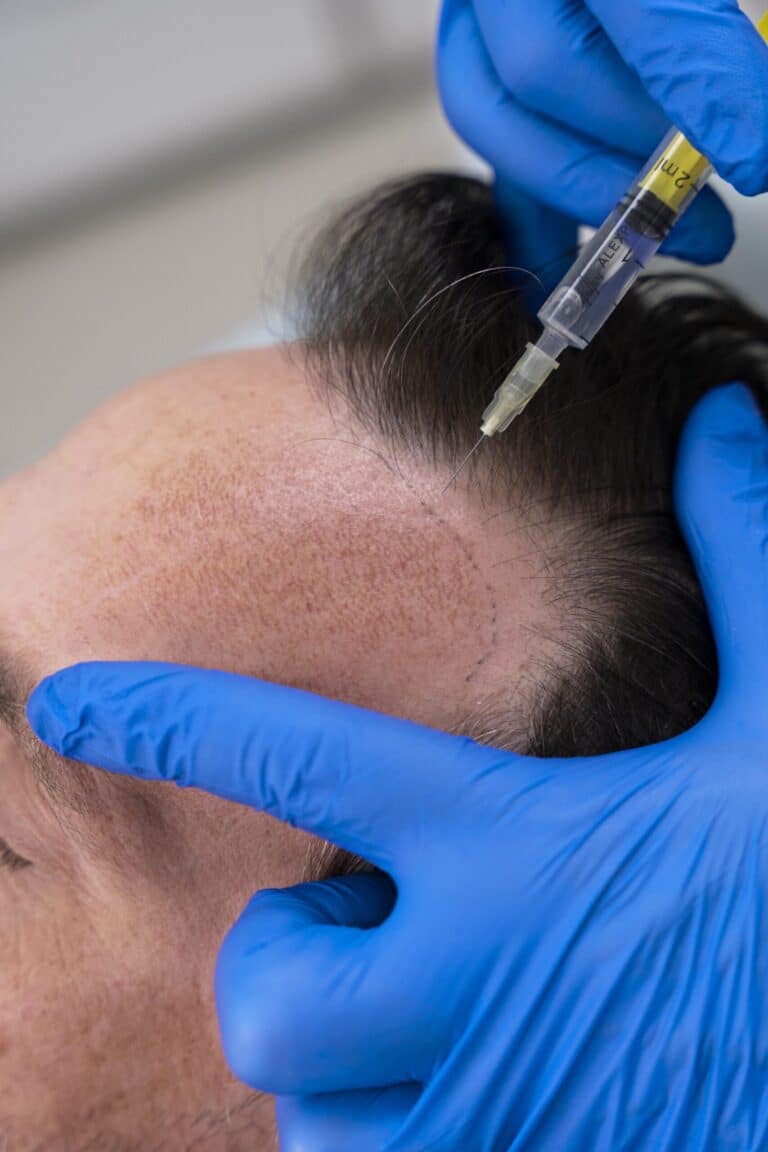
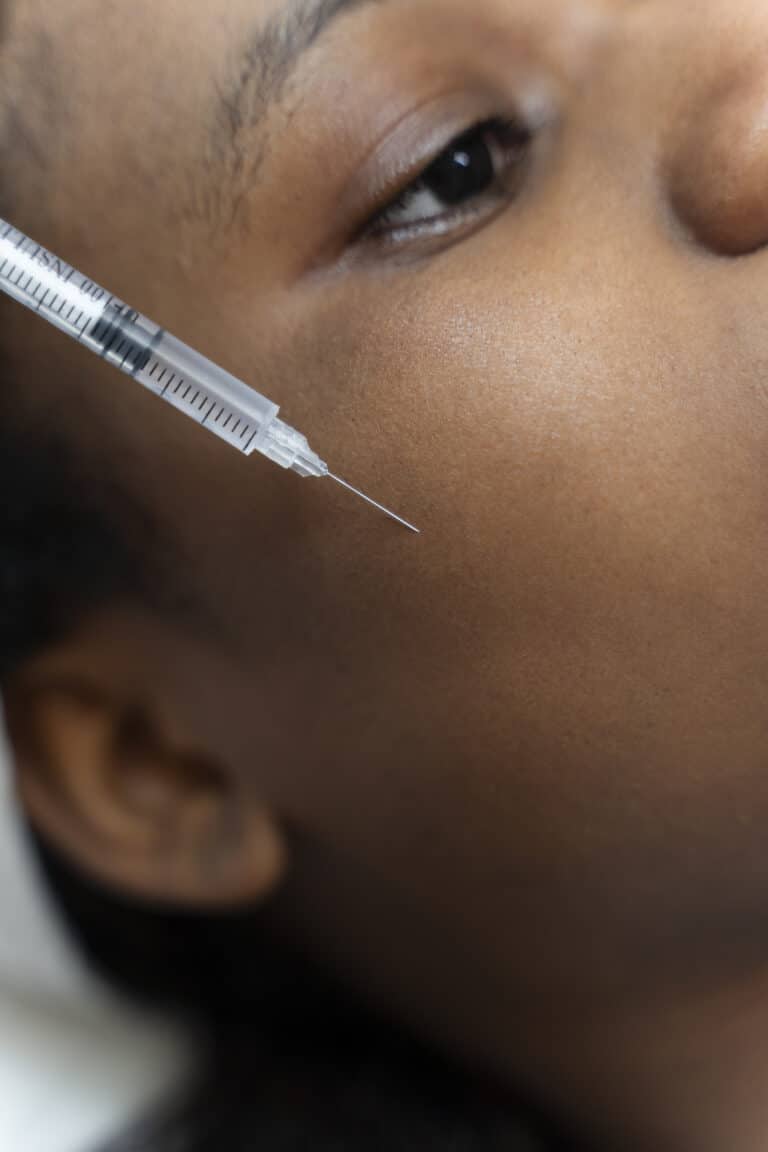



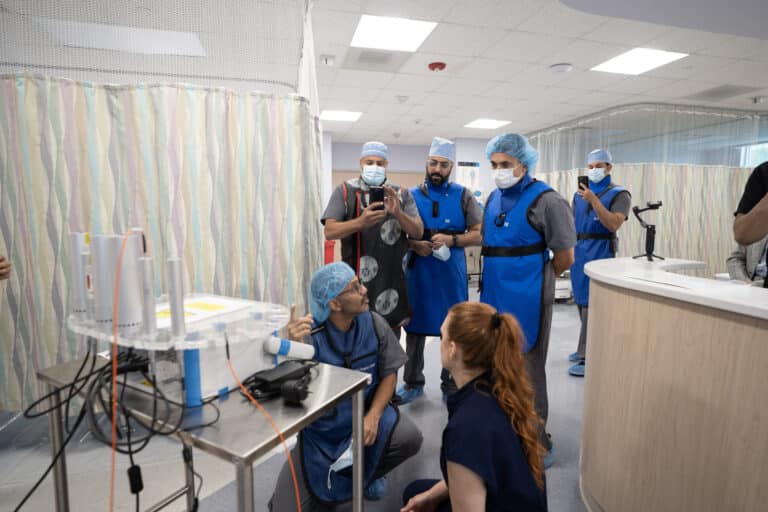
Common questions
What Montreal providers ask before they book.
How much does training in Montreal cost?
Training inside your own practice in Montreal starts at $10,000, with the instructor's travel and lodging included. Training at an instructor's location starts at $5,000. Both are starting points. The quote depends on the discipline, the instructor, how many people are training and how much of the curriculum is built around you.
What governs regenerative medicine in Quebec?
Health Canada and the province, each for its part. Health Canada regards cell therapies as drugs and leaves PRP that a practitioner prepares and gives back to the same patient in one procedure to provincial regulation. Quebec's part is its professional law: the Medical Act reserves invasive procedures and prescribing to physicians, other Acts say what nurses and the other professions may do, and the physicians' Code of ethics has a rule on insufficiently tested treatments. Our reading, with every source, is on the rules by state page.
Can a Quebec nurse practitioner or physician assistant do the hands-on part?
A specialized nurse practitioner can, within the activities of their class of specialization; the Quebec government lists procedures such as joint infiltration among them. Civilian physician assistants are a different case: we found no Quebec regulation that licenses them, so we would not plan hands-on work for a PA in Quebec without a clear answer from the CMQ first. Tell us your class and setting when we plan the session.
I'm not licensed in Quebec. Can I train in Montreal?
Raise it when you request a date. In Quebec, reserved activities belong to the members of each profession's order, so we read hands-on work on a patient there as needing that membership. When the instructor comes to your own practice, the license you hold there is the one you train under. When you go to an instructor's practice instead, your hands-on part turns on whether you are licensed where that practice is. We agree which it is with you before you book.
Request a date now
Tell us about your practice and when you'd like to train.
Ready to add PRP or another regenerative procedure in Montreal? A few quick questions, one screen at a time. Nothing here commits you to a date. A person reads every request and calls you back within one business day.
From the blog
Read it here, then do it in a course.
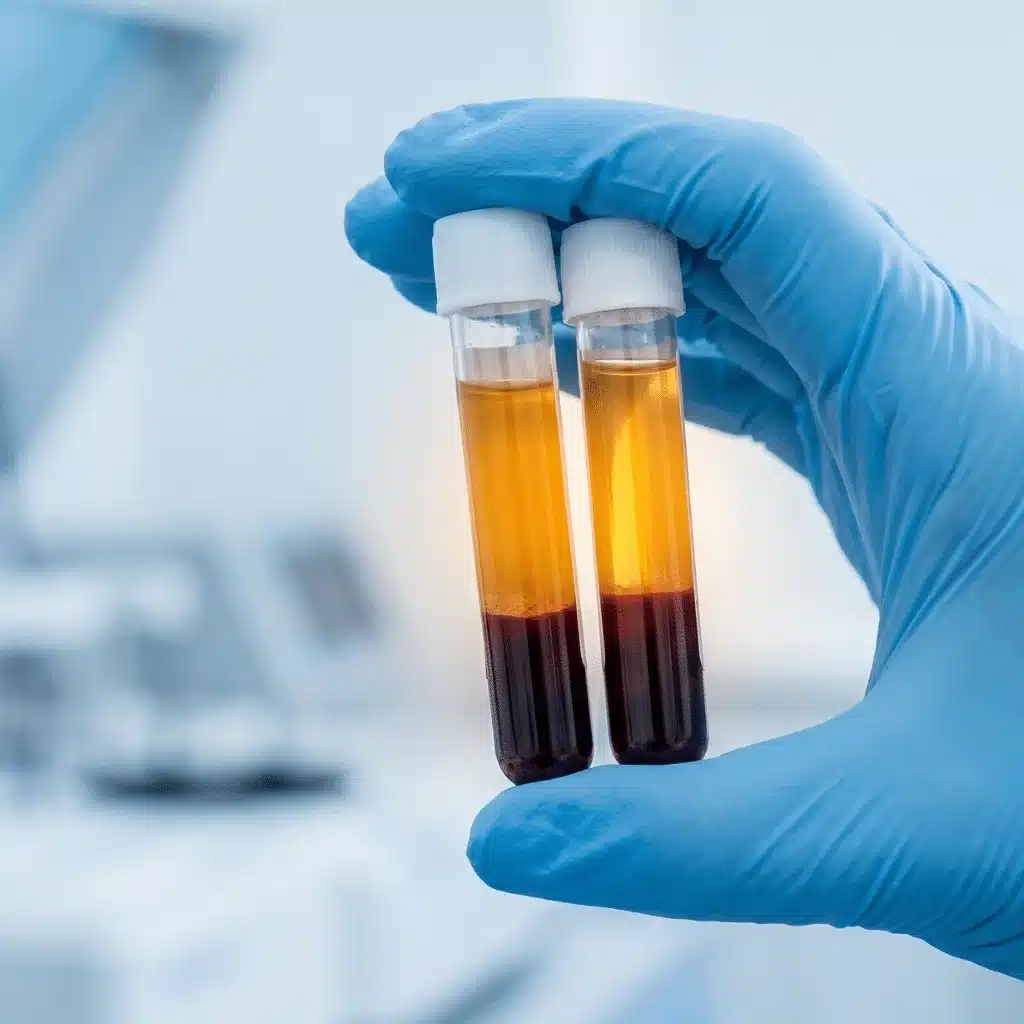
The role of growth factors in regenerative medicine: a clinical primer
Read the postPlatelet count is not the dose. A primer on the growth factors that do the work, why preparation…
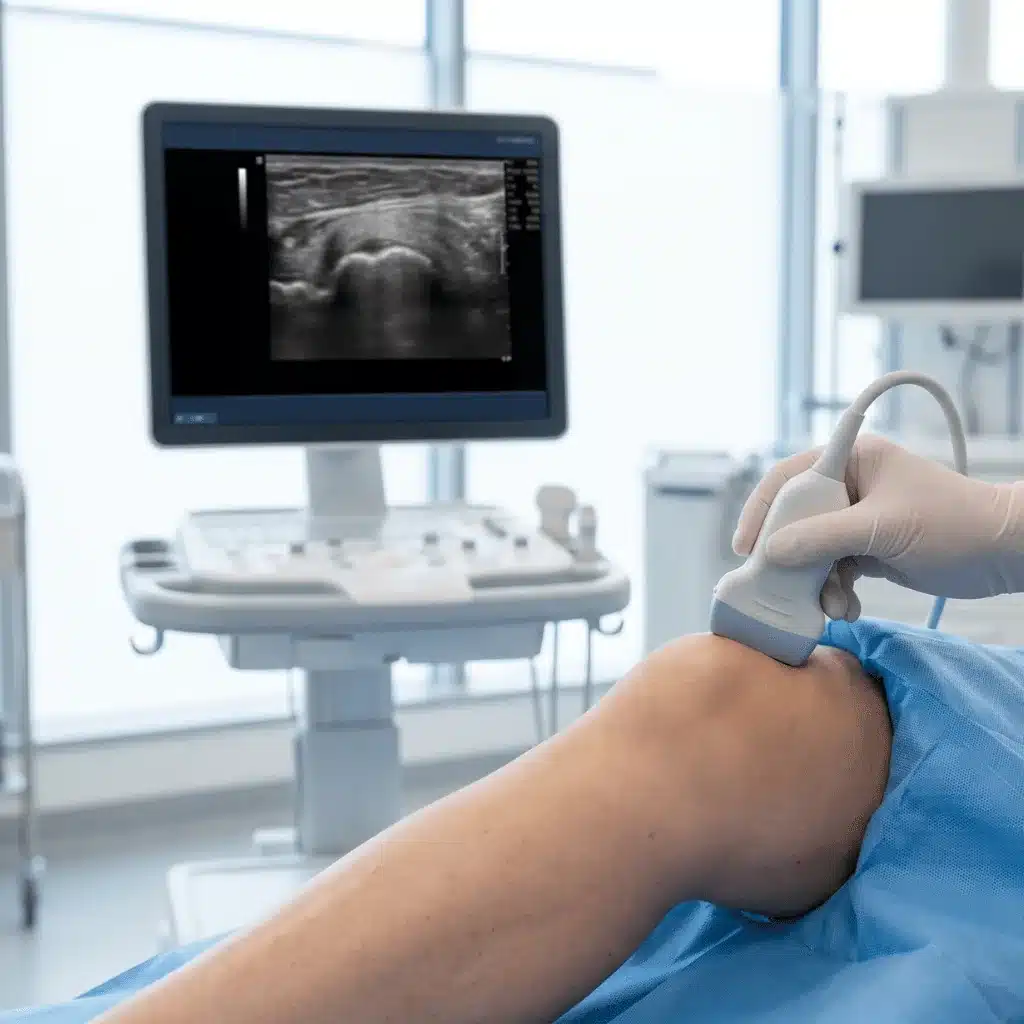
Ultrasound-guided injection techniques in regenerative medicine: why training matters
Read the postGuidance puts the needle where it belongs. It does not make you competent. What the accuracy evidence shows…
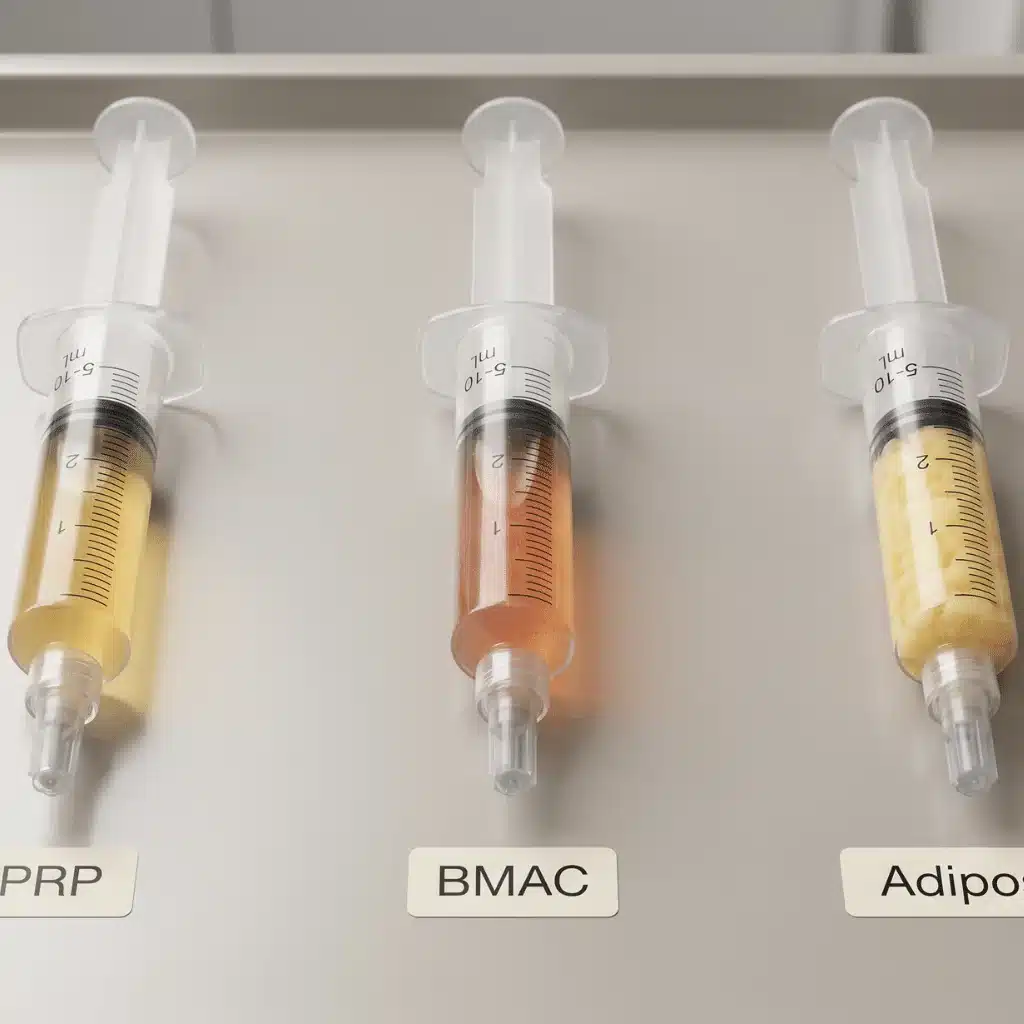
PRP vs. BMAC vs. adipose: comparing orthobiologic treatment options
Read the postPRP, BMAC and adipose are three different tools, not one product with three names. How to match modality…
Important information
Read this before you book.
Know what a course is not before you book. It won’t make you a specialist. It carries no CMEs, credit hours or accreditation, and it doesn’t cover your malpractice: you arrange that yourself. No one can promise you outcomes. It is education for licensed providers, not medical or legal advice, and some products and modalities discussed are not FDA approved or cleared for the uses discussed. The Certificate of Completion is not a license or a board certification, and it does not expand your scope of practice. Read the full notes.