
Where we train
Regenerative Medicine Training in Vancouver, British Columbia
PRP and regenerative medicine training for licensed providers in Vancouver and across British Columbia. It’s private and hands-on, on a live consenting patient.

Live patients
Private training
Practicing clinicians
U.S. based, worldwide
Training in Vancouver
Most providers who ask about Vancouver practice in Metro Vancouver: the city, Burnaby, Richmond, Surrey, Coquitlam, and North and West Vancouver across Burrard Inlet. Abbotsford and Chilliwack are out the Fraser Valley on Highway 1, about an hour and an hour and a half east. Whistler is about two hours up the Sea to Sky Highway, and Victoria is a ferry crossing away on Vancouver Island.
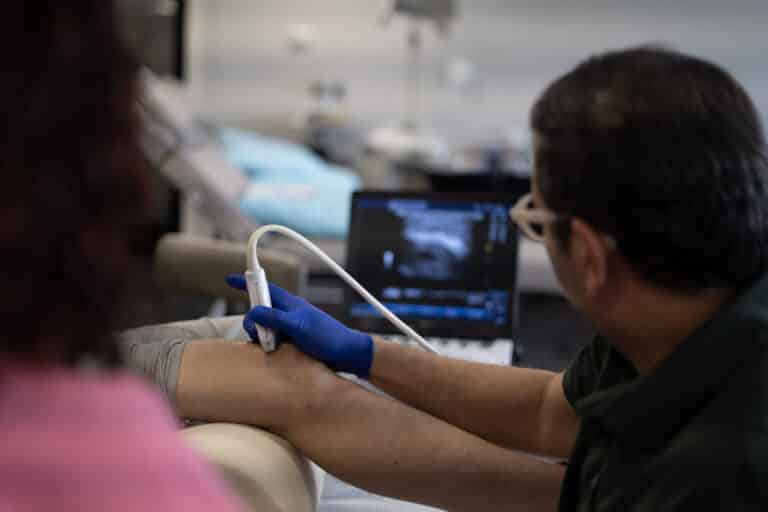
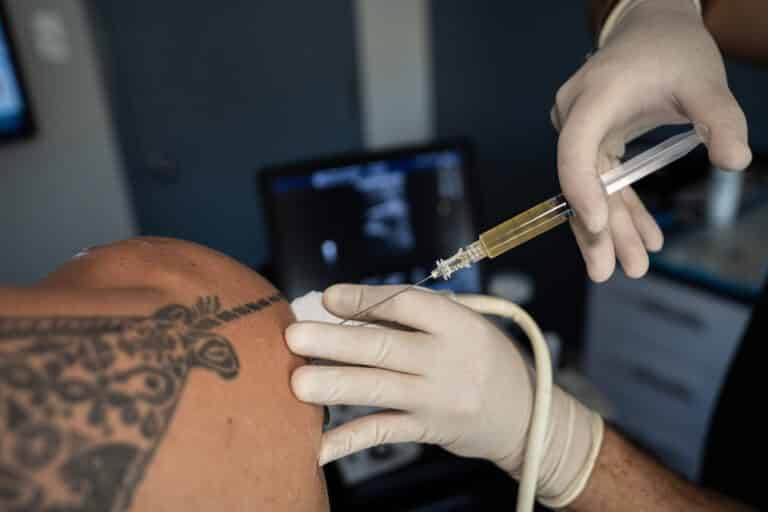
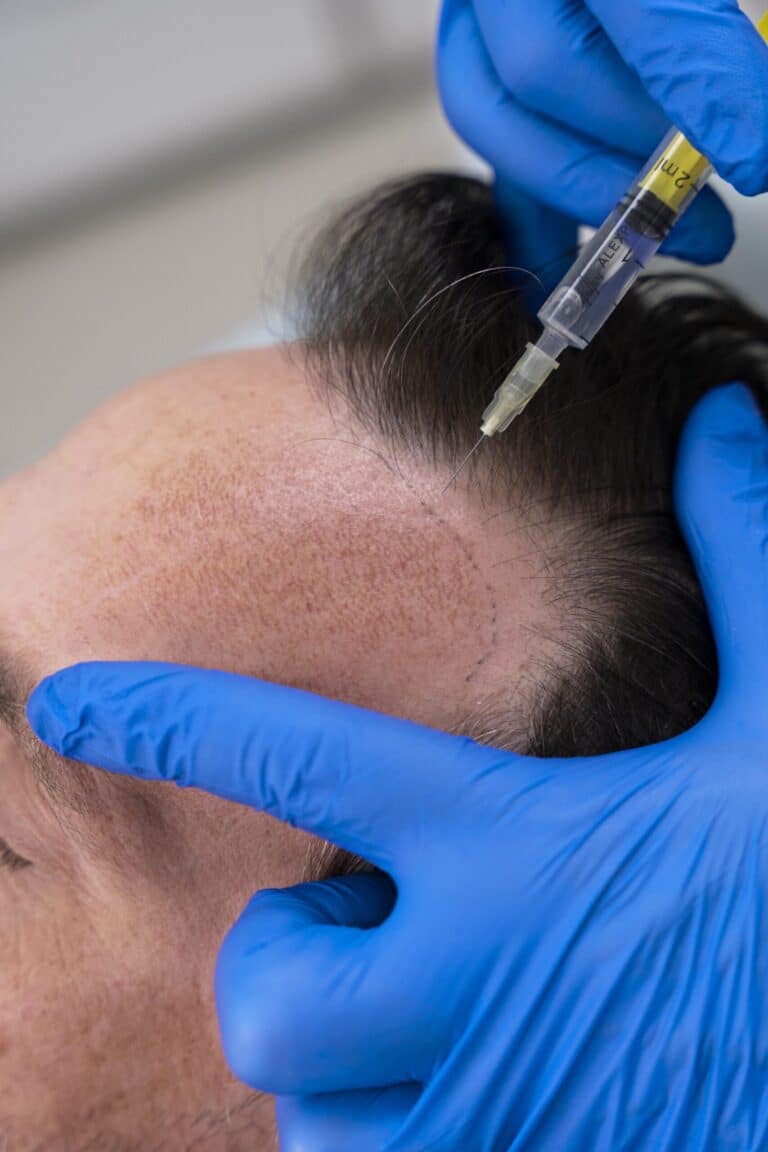
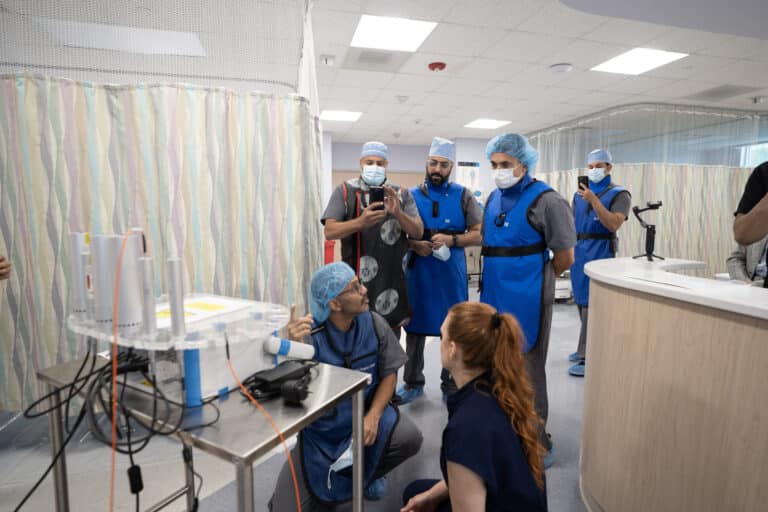
Training runs one of two ways. Either the instructor comes to your clinic and teaches you and your staff on your own equipment, with travel built into the quote, or you go to an instructor’s own working practice. Each is a private session with a real, consenting patient, and we set the scope together before you book.
Who can train? Anyone legally able to provide the treatment in British Columbia. BC replaced its health professions law in April 2026, and each college now spells out its own restricted activities. The two sections below take each license in turn, with the college’s current page linked.

Local detail
Vancouver at a glance.
Where the instructor lands, the area a Vancouver session covers, and the health authorities and hospitals around you.
Getting here
For training inside your practice, the instructor flies into Vancouver International Airport (YVR). From there it is a short drive to most Metro Vancouver practices. For a practice on Vancouver Island, up the coast or in the Interior, we plan the extra leg with you. Travel and lodging are inside the quote.
The area a Vancouver session covers
Vancouver, Burnaby, New Westminster, Richmond, Delta, Surrey, White Rock, Langley, Coquitlam, Port Moody, Maple Ridge, and North and West Vancouver, out to Abbotsford, Chilliwack, Squamish and Whistler. BC’s rules apply across the province, from Victoria and Nanaimo to Kelowna and Kamloops. Practices south of the border have their own pages, Seattle and Portland, and Alberta practices have Calgary.
Vancouver General and UBC
Vancouver Coastal Health’s Vancouver General Hospital is a teaching hospital affiliated with the University of British Columbia, and serves as the province’s referral centre for many provincial programs, offering specialized care to residents of Vancouver and across the province through regional programs. The UBC Faculty of Medicine says that across British Columbia, more than 12,000 of its faculty and staff are training the next generation of doctors and health care professionals.
Providence and Fraser Health
Providence Health Care, a Catholic-sponsored health care organization formed in 2000, runs St. Paul’s Hospital and is building its replacement, due to open in 2027. East of the city, Fraser Health delivers care to over two million people in communities stretching from Burnaby to White Rock to Hope.
Worth knowing
The Sisters of Providence opened the first St. Paul’s Hospital in Vancouver in November 1894. Source
British Columbia scope
What each British Columbia license allows.
Your license decides what you do hands on, in British Columbia as anywhere. Here is how BC’s rules read for each license we train, as of October 2026, with the regulator’s own page linked. BC moved to a new health professions law on April 1, 2026, and the colleges’ standards now sit under it. It is a starting point, not legal advice.
It is your responsibility to confirm the modality is legal in your province for your license. Do that before you book. The authority on your own scope is your provincial regulator, not us.
Physicians
BC physicians are licensed by the College of Physicians and Surgeons of British Columbia (CPSBC). Ahead of the Health Professions and Occupations Act, in force from April 1, 2026, CPSBC said “The scope of practice for CPSBC registrants will remain the same under the updated professional regulations.” Source CPSBC publishes practice standards that bear on hands-on work, among them Consent to Treatment, Physical Examinations and Procedures, and Injection of Botulinum Toxin, Dermal Fillers and Venous Sclerotherapy. How we read it: read the standard that covers your procedure before we plan the session, and ask CPSBC where one is unclear. Source
Nurse practitioners
The BC College of Nurses and Midwives (BCCNM) regulates nurse practitioners. It says NPs “prescribe medications, order and interpret diagnostic tests, and manage results independently,” and that their education supports “autonomous diagnosis and management within their scope of practice.” Source For medical aesthetics, BCCNM requires NPs to complete additional education, provide care only in clinical settings equipped to perform procedures safely and “Use only products approved by Health Canada.” An NP who orders an aesthetic procedure for someone else must be present in the facility during it and immediately available for consultation. Source
Physician assistants
CPSBC licenses physician assistants, and its page is plain about the limit: “The physician assistant licence permits a physician assistant to work in emergency departments in hospitals.” A PA “must limit their practice to the services set out in their employment contract with the health authority and as directed and supervised by the attending physician.” Source Under the new Act, PAs moved from certified non-registrant status to CPSBC licensees. How we read it: a BC PA licence does not reach hands-on work in a private practice, so we would not plan it. Source
Registered nurses
BCCNM’s standard on acting under client-specific orders, in force since April 1, 2026, says “Registered nurses require a client-specific order before performing any activity that is not within the registered nurse’s autonomous scope of practice.” Orders can come from a physician, nurse practitioner, dentist, midwife, naturopathic physician, podiatrist, pharmacist, certified registered nurse or certified registered psychiatric nurse. Source For medical aesthetics, an RN needs additional education and a client-specific order for any procedure with an injectable drug or substance or an implantable device, and the ordering professional must be present at the facility and immediately available. Source
Chiropractors
BC chiropractors are regulated by the College of Complementary Health Professionals of BC. Its scope of practice statement, dated April 1, 2026, describes chiropractic as manipulating or adjusting the spine and joints by manual methods or with devices directly related to that. The restricted activities it authorizes include diagnosing within that scope, X-rays and a high velocity, low amplitude thrust of a joint of the spine. Its list of out of scope activities includes “perform a procedure on tissue below the dermis.” How we read it: an injection is outside a BC chiropractor’s scope, and the College is the place to confirm it. Source
Physical therapists
BC physical therapists are regulated by the College of Health and Care Professionals of BC, which regulates nine professions. Its Restricted Activities and Certifications standard, effective April 1, 2026, gives physical therapists a limited authority to “Perform a procedure on tissue below the dermis,” with certification required for dry needling, and a limited authority to “Administer by inhalation a substance or Schedule III drug.” Administering anything by injection is not listed for them. How we read it: an injection course falls outside what the standard gives a physical therapist, so check with the College first. Source
British Columbia law
The British Columbia rules that touch regenerative medicine.
Law in this field changes, sometimes more than once a year. Our reading of each province, with its sources and the date we checked, is on the rules by state page. It is a starting point, not legal advice.
The Health Professions and Occupations Act (2026)
On April 1, 2026 the Health Professions and Occupations Act replaced BC’s Health Professions Act. The updated regulations set out reserved titles, scope of practice statements, the activities restricted to each health profession, and limits or conditions on practice. The Act also created the Health Professions and Occupations Regulatory Oversight Office, to “ensure regulatory colleges are focused on patient safety and the public interest.” Source How we read it: a BC standard you read before April 2026 may have been reissued since, so work from the college’s current page. Source
Private medical and surgical facilities
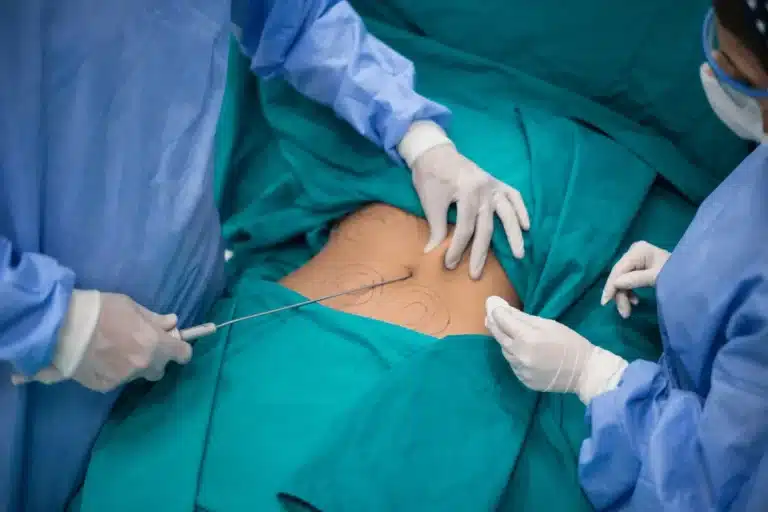
CPSBC’s Non-hospital Medical and Surgical Facilities Accreditation Program accredits private medical and surgical facilities, and states that “Only accredited private medical/surgical facilities are permitted to provide patient care in British Columbia.” Source Accreditation runs in three classes, from Class 1 for general anesthesia to Class 3 for local anesthesia and peripheral nerve blocks, and a facility may only provide the procedures its accreditation permits. How we read it: if you plan adipose harvesting under anesthesia in a private clinic, ask CPSBC whether that clinic needs accreditation before you book. Source
Health Canada on cell therapies
Above BC’s rules sits Health Canada, which classes every cell therapy as a drug under the Food and Drugs Act. Its policy paper on autologous cell therapy products says “advanced” products, as manufactured new drugs, must be licensed for sale and advertising through market authorization except when used in clinical research. Other than minimally manipulated lymphohematopoietic cells for homologous use in transplantation, autologous cell therapy products are regulated under the Food and Drug Regulations like other new drugs. Source
Health Canada on PRP (2019)
In its July 26, 2019 clarification, Health Canada separated PRP from cell therapies. PRP is a drug under the Food and Drugs Act, but the provinces and territories regulate its preparation as part of the practice of medicine and dentistry when a practitioner, such as a physician or dentist, obtains it from a patient and administers it back to that patient in a single procedure. Outside those conditions, selling PRP needs a clinical trial or drug authorization from Health Canada. Source
Formats and pricing
Two ways to train in Vancouver, and both are private.
The hands-on work with a consenting patient is the same either way. What changes is whose room it is, and who from your practice is in it. Both prices are starting points: the quote depends on the course, how many people are training and how much of the curriculum is built around you.
At an instructor location
From $5,000
You come to us, at an instructor’s own working practice.
At your own practice
From $10,000
We come to you, anywhere in British Columbia, with the instructor’s travel and lodging inside the quote. What on-site training includes.
Cancel or refund any time up to thirty days out. Inside thirty days, no refund.
On a refund, covering card processing and office costs.
To move your date, covering the travel that moves with it.
Questions about dates, format or fit? Talk to us.
Training courses we offer
Every course runs in Vancouver.
The hands-on day is in person, at an instructor’s practice or inside yours.




Common questions
What Vancouver providers ask before they book.
How much does training in Vancouver cost?
Training inside your own practice in Vancouver starts at $10,000, with the instructor's travel and lodging included. Training at an instructor's location starts at $5,000. Both are starting points. The quote depends on the discipline, the instructor, how many people are training and how much of the curriculum is built around you.
What governs regenerative medicine in British Columbia?
Health Canada sets the federal line: cell therapies are drugs, and PRP drawn and given back to the same patient in one procedure by a practitioner is left to the province. British Columbia governs the rest through its colleges, under the Health Professions and Occupations Act that took effect on April 1, 2026, and through CPSBC's accreditation of private medical and surgical facilities. Our reading, with every source, is on the rules by state page.
Can a British Columbia NP or PA do the hands-on part?
An NP can, within BCCNM's standards, and for aesthetic work under its added conditions, including Health Canada approved products and extra education. A BC physician assistant is a different case: the CPSBC licence covers hospital emergency departments under an attending physician, so we would not plan hands-on regenerative work around it. Tell us your license and setting when we plan the session.
I'm not licensed in British Columbia. Can I train in Vancouver?
Start by telling us where you are licensed when you request a date. As we read it, practising on a patient in British Columbia needs a license from the BC college for your profession. Training inside your own practice runs under the license you hold there. Training at an instructor's practice depends on your licensure in that place. We work out which applies with you before you book.
Request a date now
Tell us about your practice and when you'd like to train.
Ready to add PRP or another regenerative procedure in Vancouver? A few quick questions, one screen at a time. Nothing here commits you to a date. A person reads every request and calls you back within one business day.
From the blog
Read it here, then do it in a course.
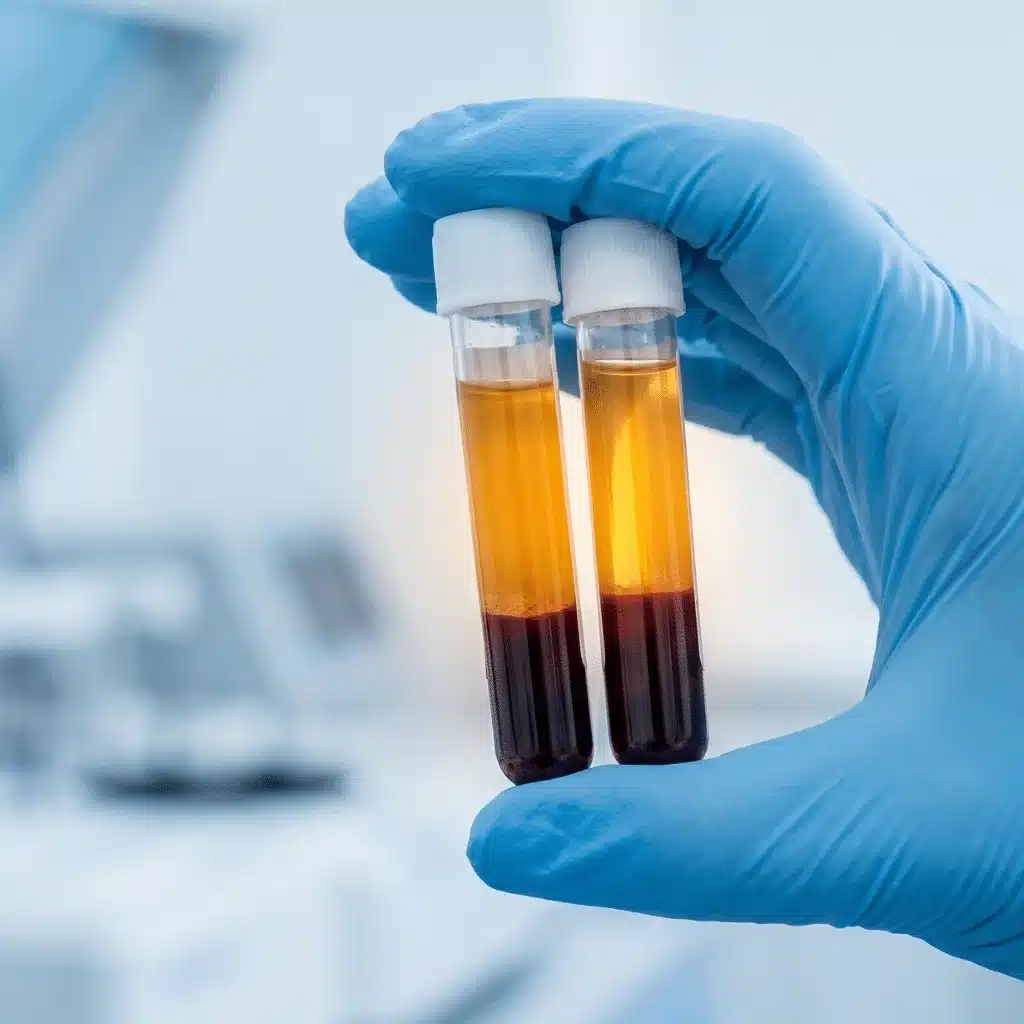
The role of growth factors in regenerative medicine: a clinical primer
Read the postPlatelet count is not the dose. A primer on the growth factors that do the work, why preparation…
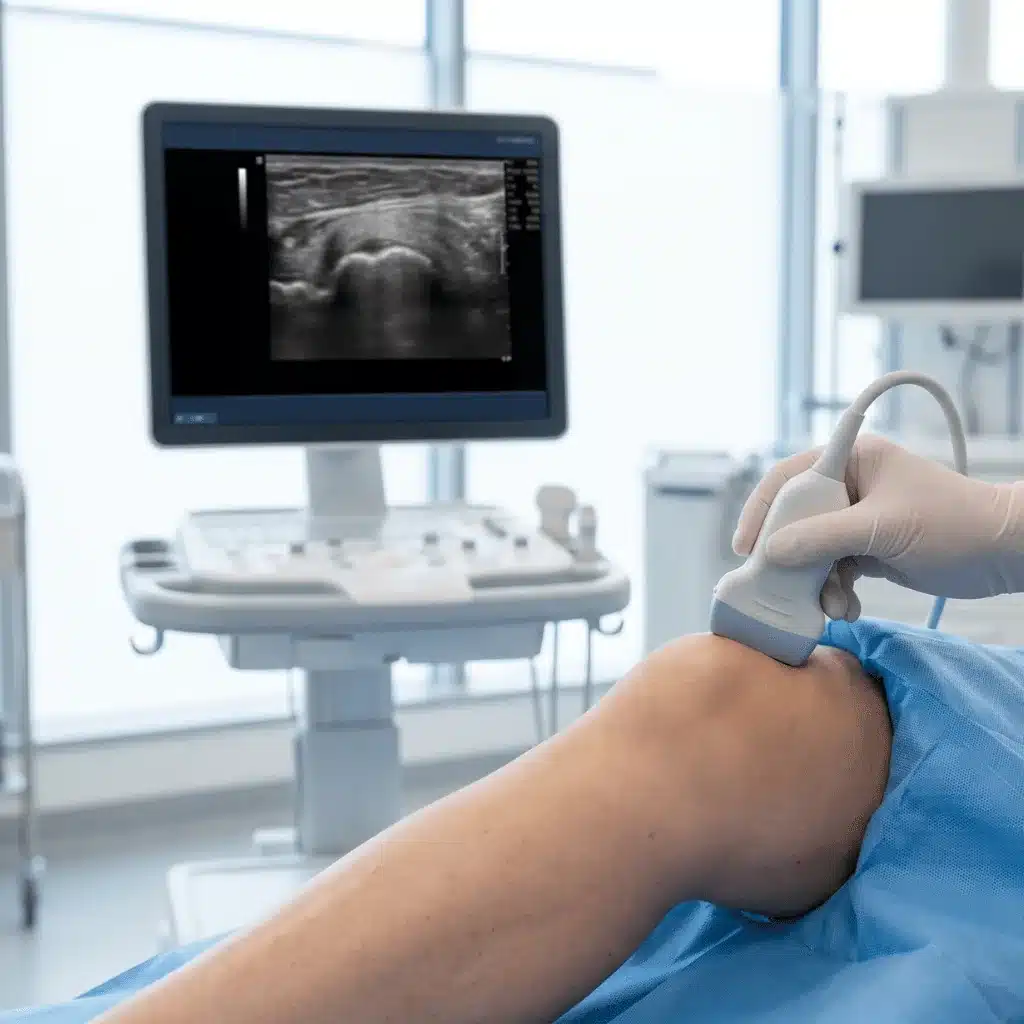
Ultrasound-guided injection techniques in regenerative medicine: why training matters
Read the postGuidance puts the needle where it belongs. It does not make you competent. What the accuracy evidence shows…
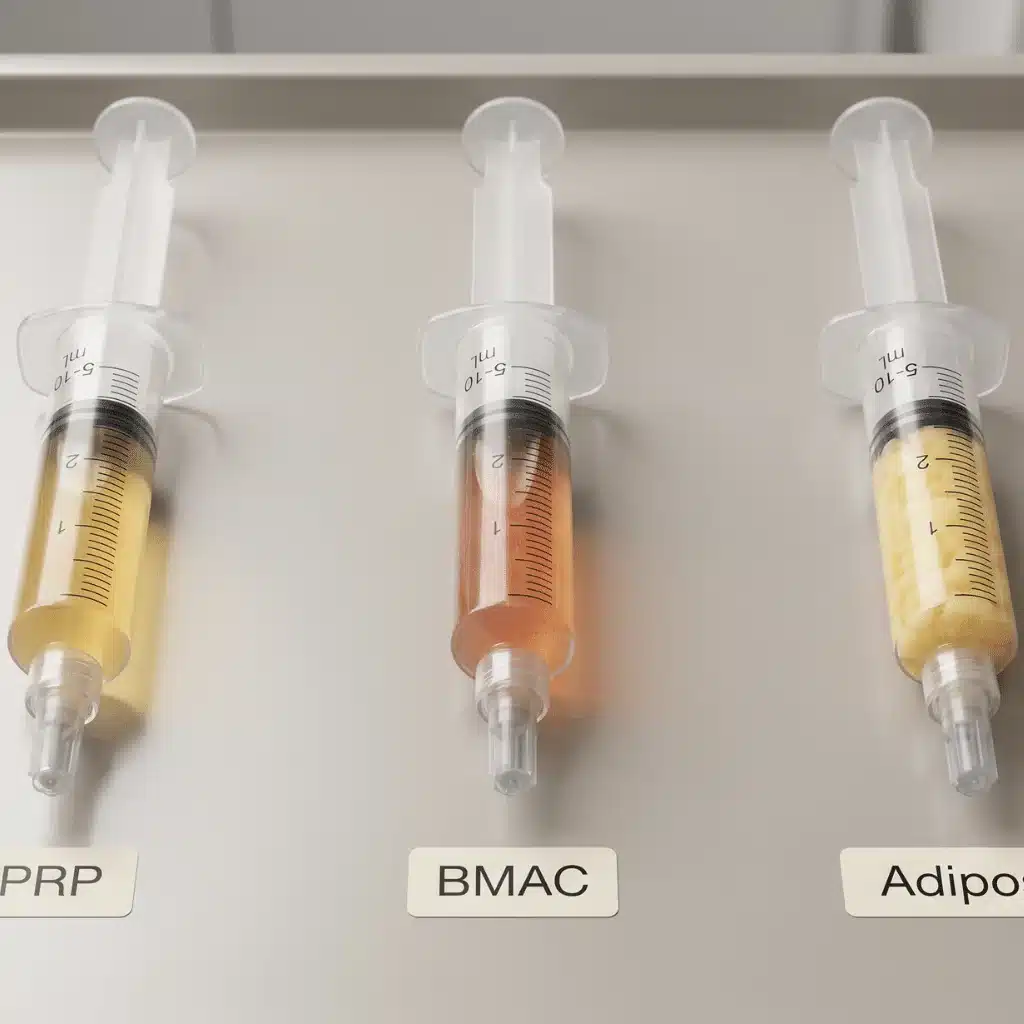
PRP vs. BMAC vs. adipose: comparing orthobiologic treatment options
Read the postPRP, BMAC and adipose are three different tools, not one product with three names. How to match modality…
Important information
Read this before you book.
Know what a course is not before you book. It won’t make you a specialist. It carries no CMEs, credit hours or accreditation, and it doesn’t cover your malpractice: you arrange that yourself. No one can promise you outcomes. It is education for licensed providers, not medical or legal advice, and some products and modalities discussed are not FDA approved or cleared for the uses discussed. The Certificate of Completion is not a license or a board certification, and it does not expand your scope of practice. Read the full notes.