
Where we train
Regenerative Medicine Training in Portland, Oregon
PRP and regenerative medicine training for licensed providers in Portland and across Oregon. It’s private and hands-on, on a live consenting patient.

Live patients
Private training
Practicing clinicians
U.S. based, worldwide
Training in Portland
Portland practices sit in Multnomah, Washington and Clackamas counties: the city itself, Beaverton and Hillsboro to the west, Lake Oswego and Oregon City to the south, Gresham to the east. Salem is about an hour down I-5. Vancouver and the rest of Clark County are just across the Columbia, in Washington, which licenses those practices.
One option is training inside your own practice: the instructor comes to you and works with your staff on your own equipment and patients, with travel inside the quote. The other is a day at an instructor’s own working practice. Each is a private session on a consenting patient, and the scope is agreed before you book.
Who can train? Anyone legally able to provide the treatment in Oregon, which turns on the license you hold. The two sections below show how Oregon reads each license and which state rules apply.

Local detail
Portland at a glance.
The airport the instructor uses, the metro a Portland session covers, and the health systems on both sides of the river.
Getting here
The instructor flies into Portland International Airport (PDX), guided by the Port of Portland, for a session inside your practice on either side of the Columbia. Airfare and lodging are built into the quote.
The area a Portland session covers
Multnomah, Washington, Clackamas and Marion counties: Portland, Beaverton, Hillsboro, Tigard, Tualatin, Lake Oswego, Milwaukie, Oregon City, Happy Valley, Gresham, Wilsonville and Salem. Clark County, Washington, including Vancouver, is part of the same metro, but its practices work under Washington licenses and Washington law, which the Seattle page sets out.
OHSU on Marquam Hill
OHSU calls itself Oregon’s only public academic health center. Its history begins in 1887, when the University of Oregon chartered a state medical school in Portland, and in 1919 the medical school moved from downtown to its present location on Marquam Hill in Southwest Portland. In 1995 OHSU became a public corporation, separate from the Oregon State System of Higher Education and governed by its own board of directors. Source
Health systems across the metro
Legacy Health describes itself as a local, nonprofit, six-hospital health system serving the Portland and Vancouver metro area and the mid-Willamette Valley. Adventist Health Portland, a faith-based, nonprofit network serving Portland’s east side, opened its doors in 1893. Across the river, PeaceHealth Southwest Medical Center is on NE Mother Joseph Place in Vancouver.
Worth knowing
In Providence’s own account, the Sisters of Providence established the state’s first hospital, Providence St. Vincent Medical Center, in Portland in 1875. Source
Oregon scope
What each Oregon license allows.
What you can do hands on depends on your license, in Oregon as in any state. This is how Oregon law reads for each license we train, as of October 2026, with the statute or board page linked. It is a starting point, not legal advice.
It is your responsibility to confirm the modality is legal in your state for your license. Do that before you book. The authority on your own scope is your licensing board, not us.
Physicians, MD and DO
The Oregon Medical Board licenses both. In the board’s own definitions, an MD or DO is licensed “to practice medicine, prescribe medications, perform surgery, and utilize any of a number of recognized modalities of therapy,” and the DO definition adds manipulative therapy. Source Oregon law counts it as practicing medicine to “offer or undertake to perform any surgical operation upon any person.” Source How we read it: the hands-on work we teach sits inside a physician’s license. With no Oregon statute written for stem cell products, the federal rules in the next section are the ones aimed squarely at them.
Nurse practitioners
Oregon has full practice for nurse practitioners, according to the AANP. Source The Oregon State Board of Nursing licenses NPs and may authorize them to “write prescriptions, including prescriptions for controlled substances listed in schedules II through V.” Source Where the Nurse Practice Act does not settle a question, such as whether a procedure fits your practice, the board tells APRNs to “Use the APRN Scope of Practice Decision-Making Framework to make a determination.” Source How we read it: run each procedure through that framework, and keep the record, before you book.
Physician associates
Oregon now says physician associate: HB 4010 (2024) changed the title throughout Oregon statute starting June 6, 2024, and all Oregon PAs had moved to collaborative practice by December 31, 2023. Source A collaboration agreement must be signed by an MD, DO or DPM physician or by an employer. A PA with less than 2,000 hours of post-graduate clinical experience also needs a specified collaboration plan in that agreement. The board’s page says there are no minimum requirements for supervision or chart review. Source
Registered nurses
The Oregon State Board of Nursing licenses RNs. Oregon’s definition of the practice of nursing includes executing medical orders prescribed by a physician, dentist, clinical nurse specialist, nurse practitioner, certified registered nurse anesthetist or another provider licensed or certified by the state and authorized by board rule to issue orders. Source How we read it: an RN’s part in a procedure, the blood draw included, runs on an order from one of those prescribers. Where an order leaves the question open, take it to the board before you book.
Chiropractic physicians
Oregon’s definition of chiropractic includes minor surgery, which the statute limits to superficial lacerations and abrasions, benign superficial lesions and foreign bodies in superficial structures, with antiseptics and local anesthetics. No one practicing under the chapter may “administer or write prescriptions for, or dispense drugs,” and the chapter does not authorize “the administration of any substance by the penetration of the skin or mucous membrane of the human body for a therapeutic purpose.” Source Ask the Oregon Board of Chiropractic Examiners before you book an injection course.
Physical therapists
The Oregon Board of Physical Therapy licenses PTs. Oregon lets a physical therapist “purchase, store and administer topical and aerosol medications as part of the practice of physical therapy.” Dry needling enters the statute through HB 3824 (2025) and becomes operative on July 1, 2027. Source Until then, the board says, physical therapists may not implement any of the bill’s new scope of practice areas. Source How we read it: injections are not part of Oregon physical therapy. Check with the board before you book.
Oregon law
The Oregon rules that touch regenerative medicine.
State law in this field changes, sometimes more than once a year. Our reading of each state, with its sources and the date we checked, is on the rules by state page. It is a starting point, not legal advice.
No Oregon stem cell statute
We found no Oregon law written specifically for stem cell products, as of October 2026. What governs instead is each license’s own practice act, such as ORS chapter 677 for physicians and physician associates, plus the federal rules below. Source
Right to Try (HB 2300, 2015), now ended
Oregon passed its own Right to Try law, HB 2300, in 2015. It set up a way for health care practitioners to offer investigational products that are not FDA approved to patients with terminal diseases, with liability protections for those who complied. The act sunset on January 2, 2022. Source How we read it: Oregon has no state Right to Try law in force today.
Federal rules still apply
Oregon law sits on top of federal law, not in place of it. The FDA’s rules for human cells, tissues, and cellular and tissue-based products apply in every state. Our summary is in the federal section of the rules by state page.
Your boards in Oregon
Formats and pricing
Two ways to train in Portland, and both are private.
The hands-on work with a consenting patient is the same either way. What changes is whose room it is, and who from your practice is in it. Both prices are starting points: the quote depends on the course, how many people are training and how much of the curriculum is built around you.
At an instructor location
From $5,000
You come to us, at an instructor’s own working practice.
At your own practice
From $10,000
We come to you, anywhere in Oregon, with the instructor’s travel and lodging inside the quote. What on-site training includes.
Cancel or refund any time up to thirty days out. Inside thirty days, no refund.
On a refund, covering card processing and office costs.
To move your date, covering the travel that moves with it.
Questions about dates, format or fit? Talk to us.
Training courses we offer
Every course runs in Portland.
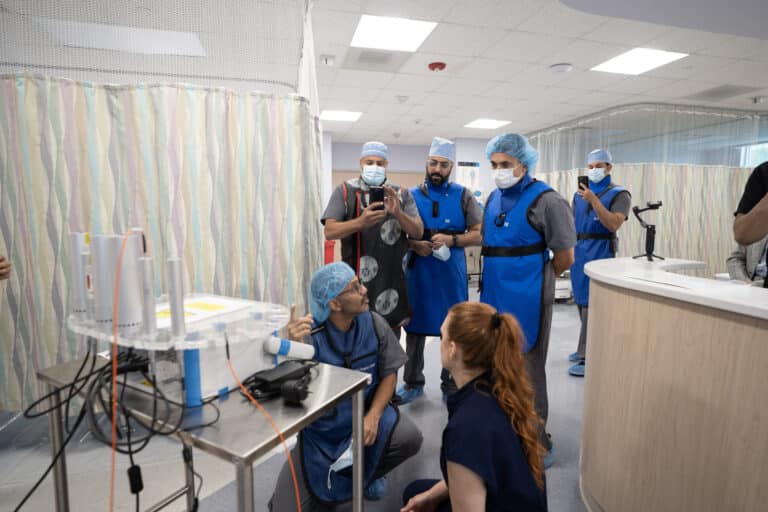
The hands-on day is in person, at an instructor’s practice or inside yours.
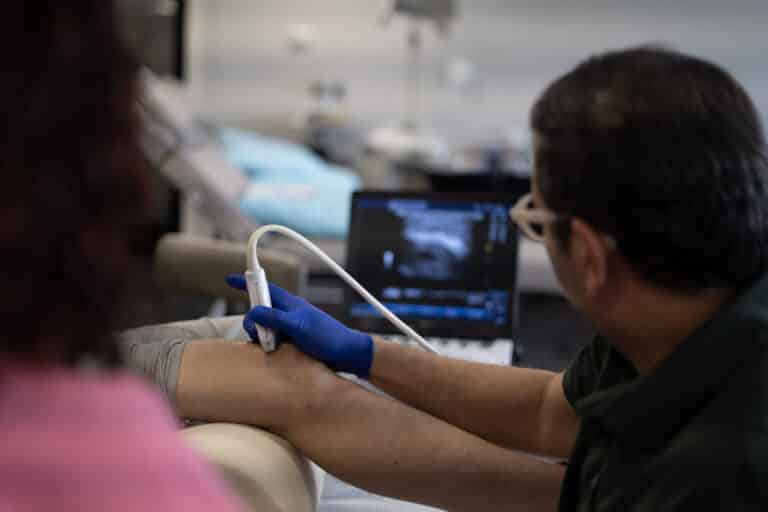
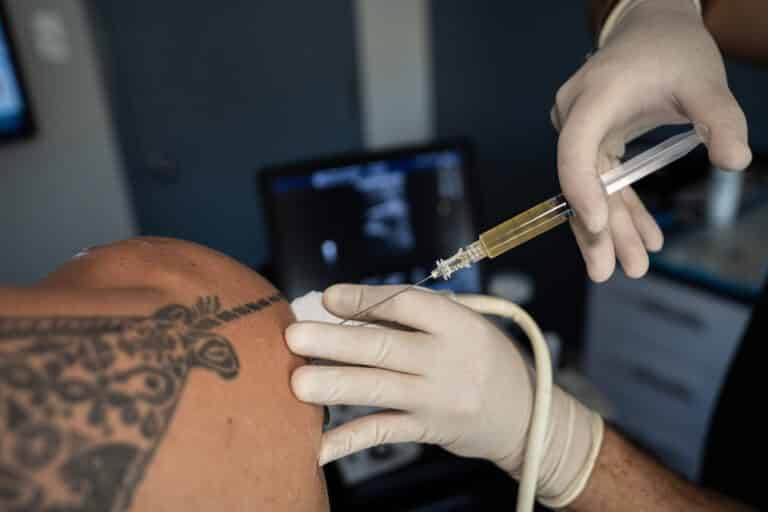
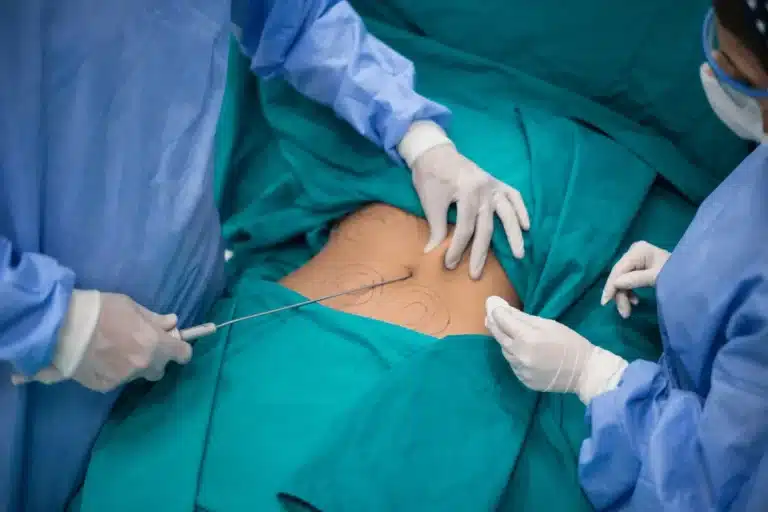
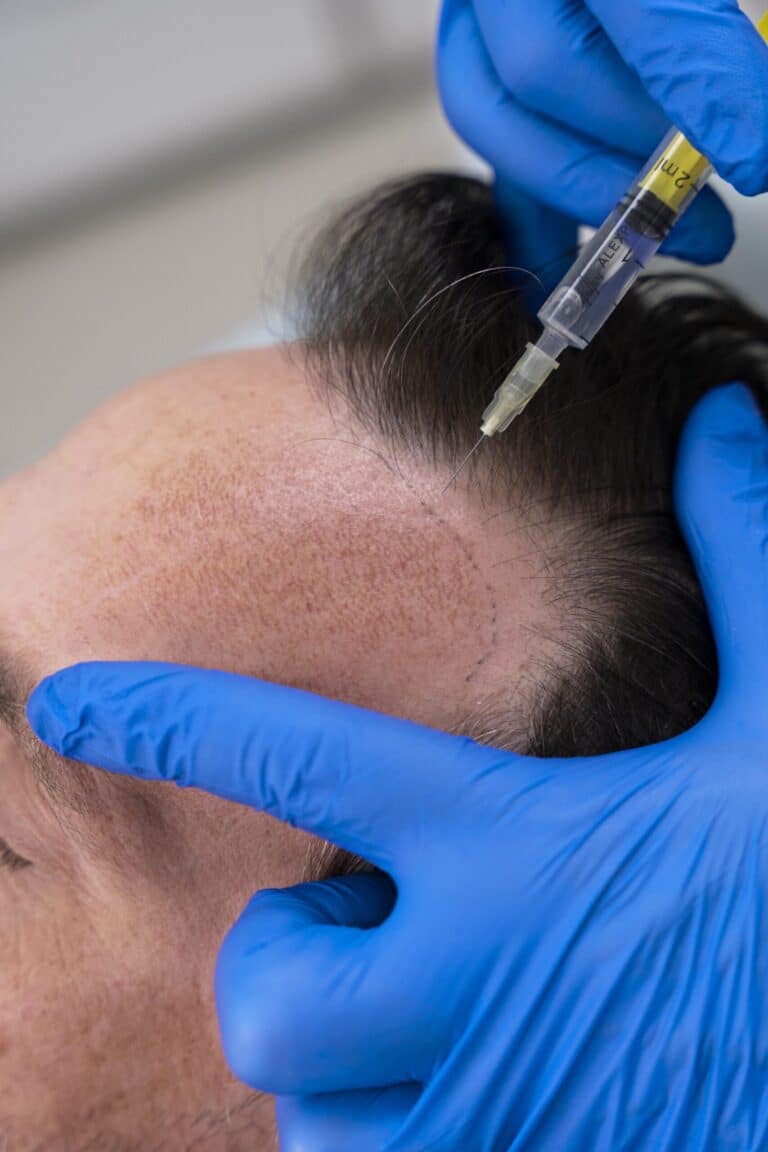




Common questions
What Portland providers ask before they book.
How much does training in Portland cost?
Training inside your own practice in Portland starts at $10,000, with the instructor's travel and lodging included. Training at an instructor's location starts at $5,000. Both are starting points. The quote depends on the discipline, the instructor, how many people are training and how much of the curriculum is built around you.
Does Oregon have its own stem cell law?
Not one written for stem cell products, as far as we found as of October 2026, and Oregon's Right to Try act sunset on January 2, 2022. What governs instead is your license, read through your board, and the FDA's rules for human cells and tissues, which apply in every state. Our reading, with its sources, is on the rules by state page.
Can an Oregon NP or PA do the hands-on part?
Within your Oregon scope, yes. Nurse practitioners in Oregon have full practice authority and answer to the Oregon State Board of Nursing. A physician associate works under a collaboration agreement, with a specified collaboration plan for anyone under 2,000 post-graduate hours. Share the agreement when we plan the session, and the hands-on part is set to match it before you book.
I'm not licensed in Oregon. Can I train in Portland?
Let us know when you request a date. If the instructor travels to you, you train in your own practice under the license you already hold there. If you train at an instructor's location in Oregon, what you do hands on depends on your Oregon licensure, and we work out that plan with you before you book.
I practice in Vancouver, Washington. Do the Oregon rules apply?
No. A Vancouver practice is in Washington and is licensed there; Washington law says no one may practice medicine without first having a valid license to do so. Source Washington scope and Washington's stem cell notice law apply, and both are set out on our Seattle page and in Washington's section of the rules by state page. We can still come to you from PDX.
Request a date now
Tell us about your practice and when you'd like to train.
Ready to add PRP or another regenerative procedure in Portland? A few quick questions, one screen at a time. Nothing here commits you to a date. A person reads every request and calls you back within one business day.
From the blog
Read it here, then do it in a course.
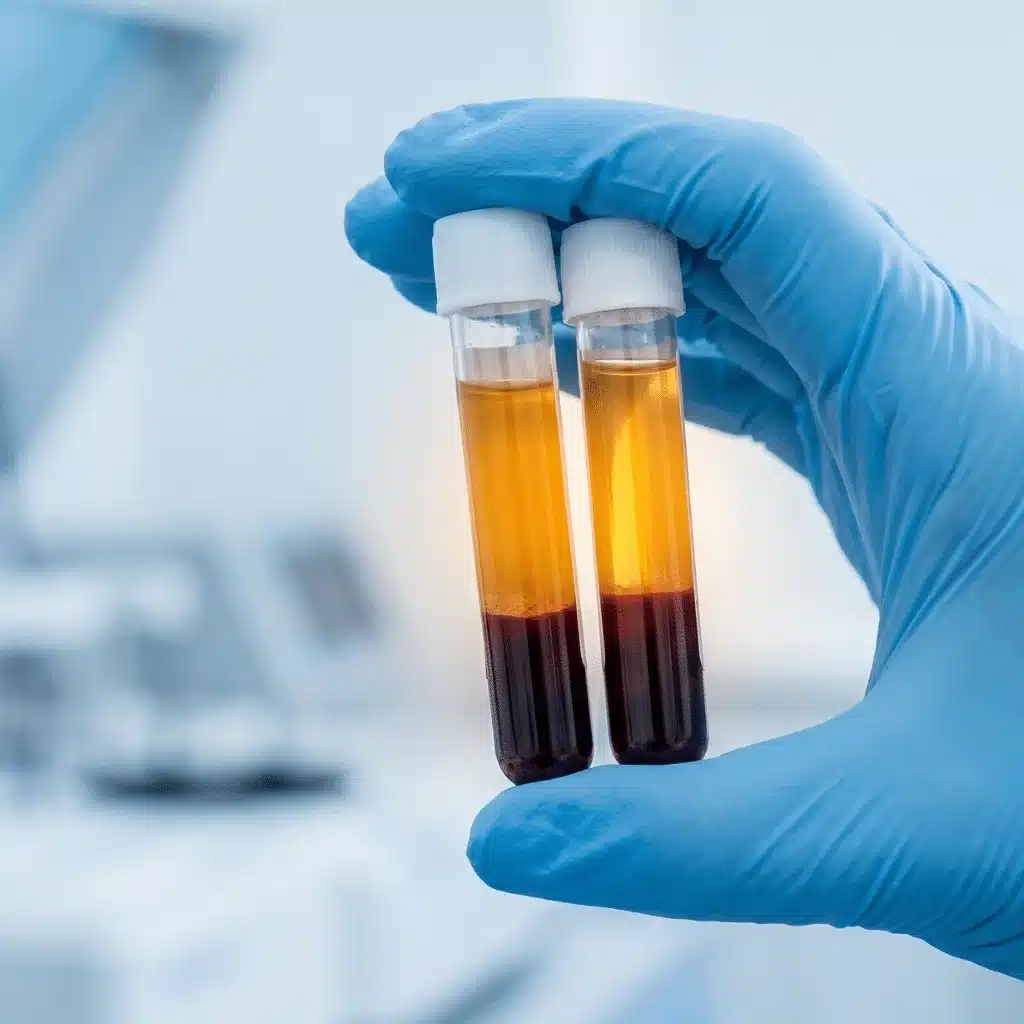
The role of growth factors in regenerative medicine: a clinical primer
Read the postPlatelet count is not the dose. A primer on the growth factors that do the work, why preparation…
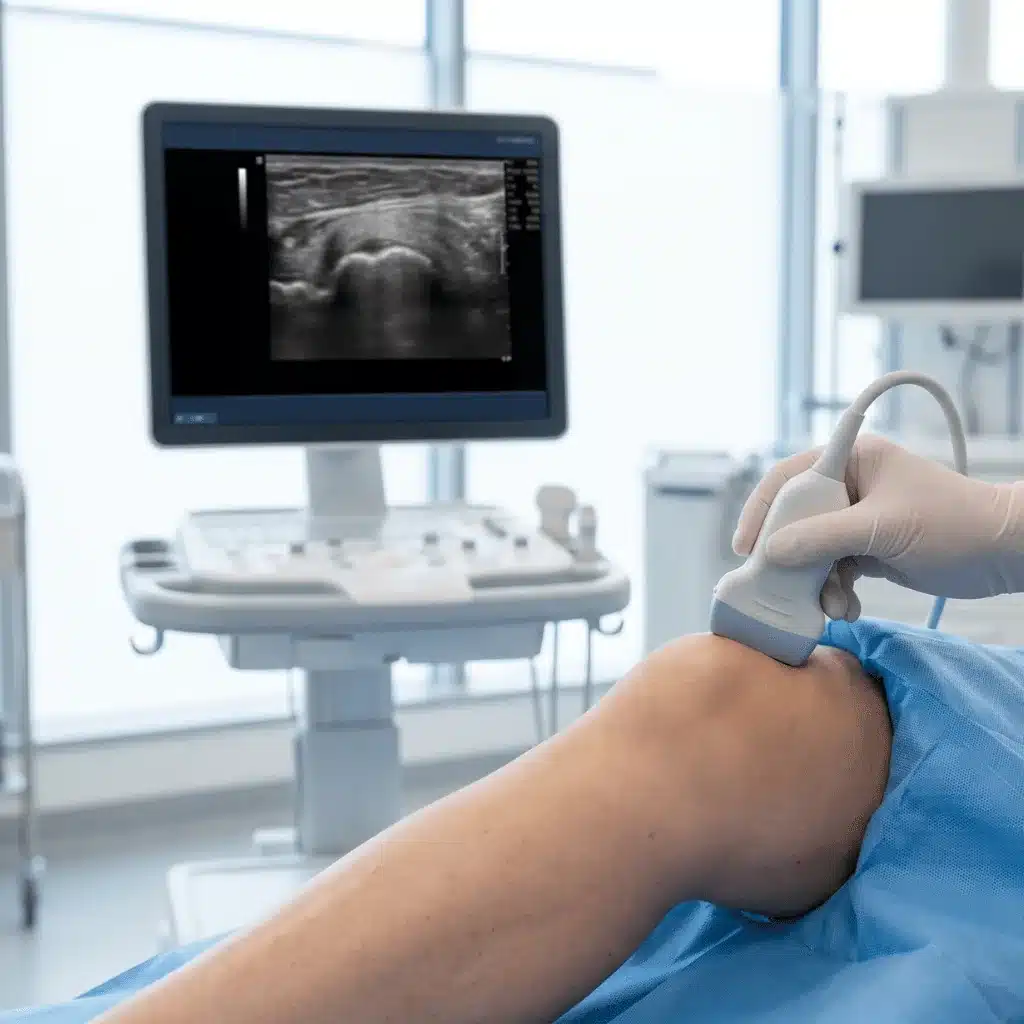
Ultrasound-guided injection techniques in regenerative medicine: why training matters
Read the postGuidance puts the needle where it belongs. It does not make you competent. What the accuracy evidence shows…
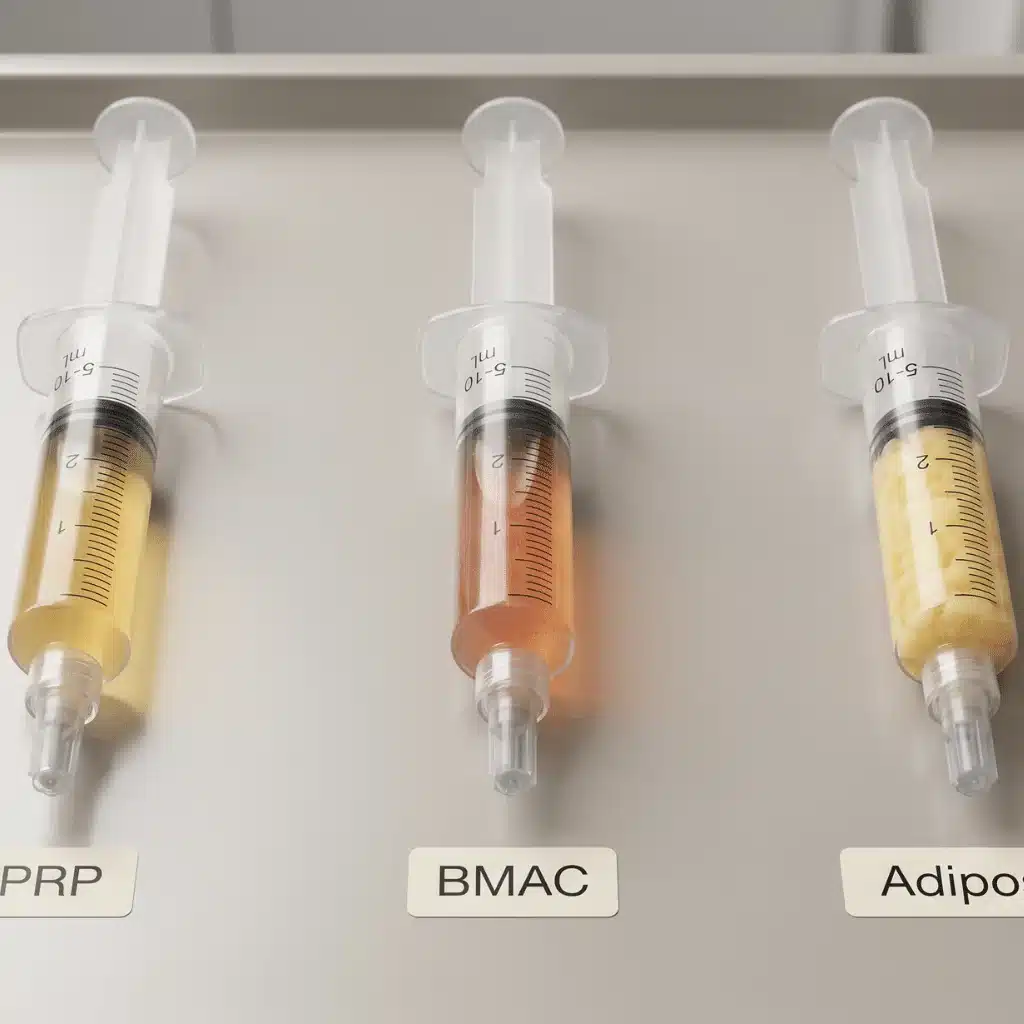
PRP vs. BMAC vs. adipose: comparing orthobiologic treatment options
Read the postPRP, BMAC and adipose are three different tools, not one product with three names. How to match modality…
Important information
Read this before you book.
Know what a course is not before you book. It won’t make you a specialist. It carries no CMEs, credit hours or accreditation, and it doesn’t cover your malpractice: you arrange that yourself. No one can promise you outcomes. It is education for licensed providers, not medical or legal advice, and some products and modalities discussed are not FDA approved or cleared for the uses discussed. The Certificate of Completion is not a license or a board certification, and it does not expand your scope of practice. Read the full notes.