
Where we train
Regenerative Medicine Training in Calgary, Alberta
PRP and regenerative medicine training for licensed providers in Calgary and across Alberta. It’s private and hands-on, on a live consenting patient.

Live patients
Private training
Practicing clinicians
U.S. based, worldwide
Training in Calgary
Most providers who ask about Calgary practice in the city or the communities around it: Airdrie to the north, Cochrane to the west, Okotoks to the south and Chestermere to the east. Canmore and Banff are an hour or so west on the Trans-Canada Highway, Red Deer is about an hour and a half north on Highway 2, and Lethbridge is about two hours south.
There are two ways to do it. The instructor comes to your clinic and works with you and your team on your own equipment, travel included in the quote, or you go to an instructor’s own working practice to train. Whichever you choose, the session is private, the patient is real and has consented, and the scope is fixed before you book.
Who can train? Anyone legally able to provide the treatment in Alberta. Alberta frames the hands-on work as restricted activities, and each college decides which ones its members may perform. The two sections below go license by license, with the college’s standard linked for each.

Local detail
Calgary at a glance.
Where the instructor lands, the area a Calgary session covers, and the medical school and hospitals of southern Alberta.
Getting here
For training inside your practice, the instructor flies into YYC Calgary International Airport and drives to you, whether your clinic is in the city, in Airdrie or Okotoks, or out in the mountain towns. Travel and lodging are inside the quote.
The area a Calgary session covers
Calgary and southern Alberta: Airdrie, Cochrane, Chestermere, Okotoks, High River, Strathmore, Canmore and Banff, with Red Deer, Lethbridge and Medicine Hat farther out. Practices around the capital and in the north of the province have the Edmonton page, which carries the same Alberta rules as this one. A practice along Highway 2 between the two cities can start from either. Practices over the Rockies in British Columbia have Vancouver.
The Cumming School of Medicine and Foothills
The University of Calgary’s medical school, now the Cumming School of Medicine, admitted its first students in 1970, the year the university also set up its Department of Family Medicine; three years later they became its first graduating class. Its Health Sciences Centre followed in 1975. Foothills Medical Centre, in northwest Calgary, provides care to more than two million people from Calgary, southern Alberta, southeastern British Columbia and southern Saskatchewan.
Children's and south Calgary
Alberta Children’s Hospital moved into its current building on September 27, 2006, which Alberta Health Services says was the first free-standing pediatric facility built in Canada in more than 20 years. In the city’s south, South Health Campus describes itself as a centre that “connects hospital care with community services.”
Worth knowing
Alberta Children’s Hospital first opened on May 19, 1922, as the Junior Red Cross Children’s Hospital. Source
Alberta scope
What each Alberta license allows.
Your license decides what you do hands on, in Alberta as anywhere. Here is how Alberta’s rules read for each license we train, as of October 2026, with the college’s own standard linked. Alberta calls the hands-on acts “restricted activities,” and each college says which ones its members may perform and when. It is a starting point, not legal advice.
It is your responsibility to confirm the modality is legal in your province for your license. Do that before you book. The authority on your own scope is your provincial regulator, not us.
Physicians
Alberta physicians are licensed by the College of Physicians & Surgeons of Alberta (CPSA), which regulates the practice of medicine in the province. Its Restricted Activities standard says a physician, surgeon or osteopath “must only perform a restricted activity that the physician, surgeon or osteopath is competent to perform and that is appropriate to the clinical circumstance and the regulated member’s scope of practice.” A physician who supervises someone else must personally be competent and authorized to perform the activity, must get the patient’s informed consent to it being done under supervision, and must stay readily available for consultation while it is done. Source
Nurse practitioners
Alberta nurse practitioners are regulated by the College of Registered Nurses of Alberta (CRNA). It says NPs have a scope of practice that gives them “the authority to assess a patient, determine a medical diagnosis and treat patient health conditions,” and that they “obtain a PracID to prescribe medications and order diagnostic tests.” Source Under CRNA’s Restricted Activities Standards, a registrant “only performs restricted activities they are authorized and competent to perform, appropriate to their clinical practice area.” How we read it: the procedure has to fit your own practice area as well as your license. Source
Physician assistants
CPSA began regulating Alberta’s physician assistants on April 1, 2021. Its advice calls PAs “physician extenders and not independent practitioners.” They work under the direction of a defined physician who remains most responsible for the patient’s care, under a practice agreement between the physician, the PA and, where it applies, the facility. Source CPSA’s standard adds that a PA “must not perform a restricted activity that the supervising physician, surgeon or osteopath is not competent to perform or that is not appropriate to the scope of practice of the supervising physician, surgeon or osteopath.” Source
Registered nurses
Registered nurses are also regulated by the CRNA. Its practice advice on injectable aesthetic therapies says nurses “are authorized under the Health Professions Restricted Activity Regulation (Alta Reg 22/2023) and have the education to administer drugs and substances by injection.” It also says “All Schedule 1 drugs require a client specific order from an authorized prescriber for a nurse to be able to administer the drug.” Source How we read it: an RN’s part in a procedure that uses a prescription drug starts from an order for that patient, and the RN still needs the competence the Restricted Activities Standards require. Source
Chiropractors
The College of Chiropractors of Alberta says a regulated chiropractor is trained to assess, diagnose and manage musculoskeletal disorders, injuries and conditions. The interventions it lists include spinal manipulation and soft tissue work, with acupuncture or dry needling only for a chiropractor who has obtained authorization from the College. It also says chiropractors “have a more limited scope of practice than physicians” and must not comment on or give advice related to medication. Source Injections are not on its list. Ask the College before you book an injection course. Source
Physiotherapists
The College of Physiotherapists of Alberta lists the restricted activities all physiotherapists may perform, among them wound debridement and care, and the ones that need added authorization from the College, among them spinal manipulation and using needles in practice for acupuncture, intramuscular stimulation or biofeedback. On injections it is direct: outside wound debridement and care, “Physiotherapists are not permitted to perform injections for any other purpose.” How we read it: an injection course is outside an Alberta physiotherapist’s scope, so confirm with the College before you book. Source
Alberta law
The Alberta rules that touch regenerative medicine.
Law in this field changes, sometimes more than once a year. Our reading of each province, with its sources and the date we checked, is on the rules by state page. It is a starting point, not legal advice.
CPSA PRP guideline (2024)
CPSA publishes “Performance of Autologous Platelet Rich Plasma Therapy in Unaccredited Settings,” a guideline for physician office and clinic settings, last updated in October 2024. It says “All health care providers involved in or performing PRP therapy must successfully complete a comprehensive training program that describes all aspects of the procedure.” It also says “Commercial kits, centrifuges and other specialized medical equipment must be approved by Health Canada,” lists informed consent among the steps, and requires the key steps to be documented in the patient’s record. How we read it: whether a given course meets that bar is for you and CPSA to judge. Source
Adipose procedures and surgical facilities
CPSA accredits Alberta’s non-hospital surgical facilities, and a new one needs an assessment and CPSA accreditation before it opens. A facility that wants to offer a new procedure must be re-assessed for it first. Source CPSA’s approved procedures list for these facilities, dated March 2024, has a section headed Stem Cell Regenerative Therapy that names adipose-derived stem/stromal cells (ADSC), and lists liposuction to a maximum of 5 litres total aspirate and fat grafting under plastic surgery. How we read it: adipose work outside a hospital in Alberta is a question for CPSA before you plan it. Source
Health Canada and cell therapies
Over Alberta’s rules is federal law. Health Canada’s position paper on autologous cell therapy products classes all cell therapies as drugs under the Food and Drugs Act, subject to its drug provisions. It says “advanced” autologous cell therapy products, as manufactured new drugs, “must be licensed for sale and advertising through the market authorization process except when they are for use in clinical research.” Source
Health Canada and PRP (2019)
Health Canada clarified on July 26, 2019 that PRP and platelet rich fibrin are not cell therapies and fall outside its cell therapy policy paper. PRP is still a drug under the Food and Drugs Act. When a practitioner such as a physician or dentist obtains it from a patient and administers it back to the same patient in a single procedure, its preparation is part of the practice of medicine and dentistry and is regulated provincially. How we read it: in Alberta, that is where the CPSA guideline above comes in. Source
Formats and pricing
Two ways to train in Calgary, and both are private.
The hands-on work with a consenting patient is the same either way. What changes is whose room it is, and who from your practice is in it. Both prices are starting points: the quote depends on the course, how many people are training and how much of the curriculum is built around you.
At an instructor location
From $5,000
You come to us, at an instructor’s own working practice.
At your own practice
From $10,000
We come to you, anywhere in Alberta, with the instructor’s travel and lodging inside the quote. What on-site training includes.
Cancel or refund any time up to thirty days out. Inside thirty days, no refund.
On a refund, covering card processing and office costs.
To move your date, covering the travel that moves with it.
Questions about dates, format or fit? Talk to us.
Training courses we offer
Every course runs in Calgary.
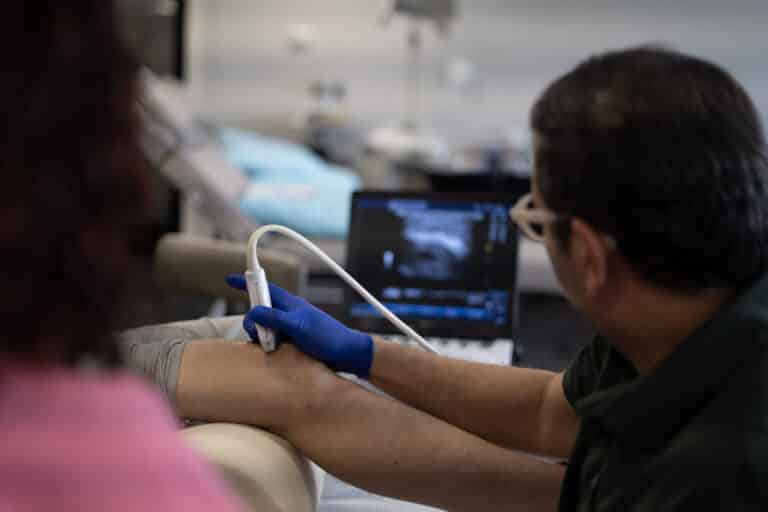
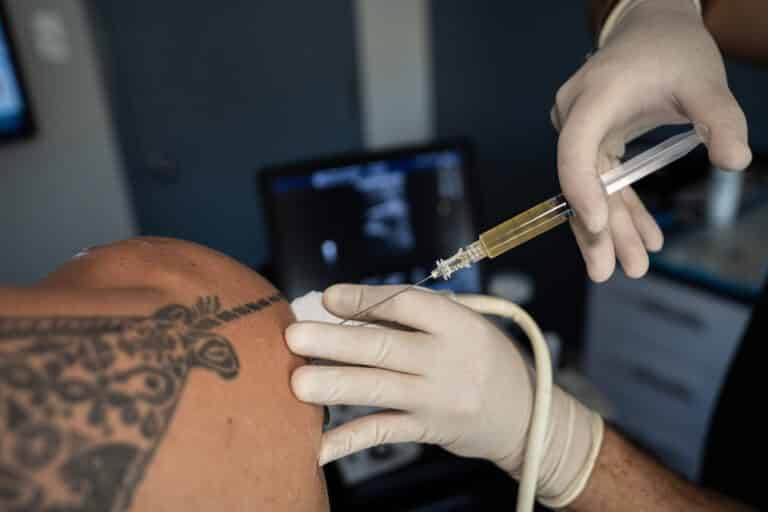
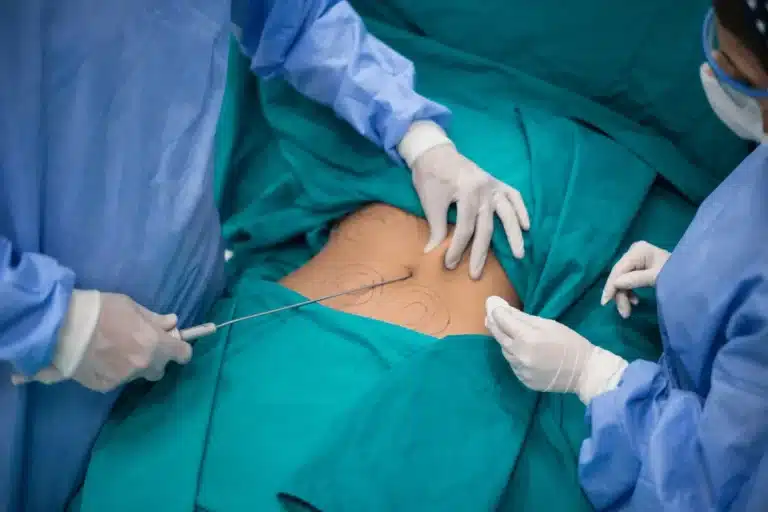
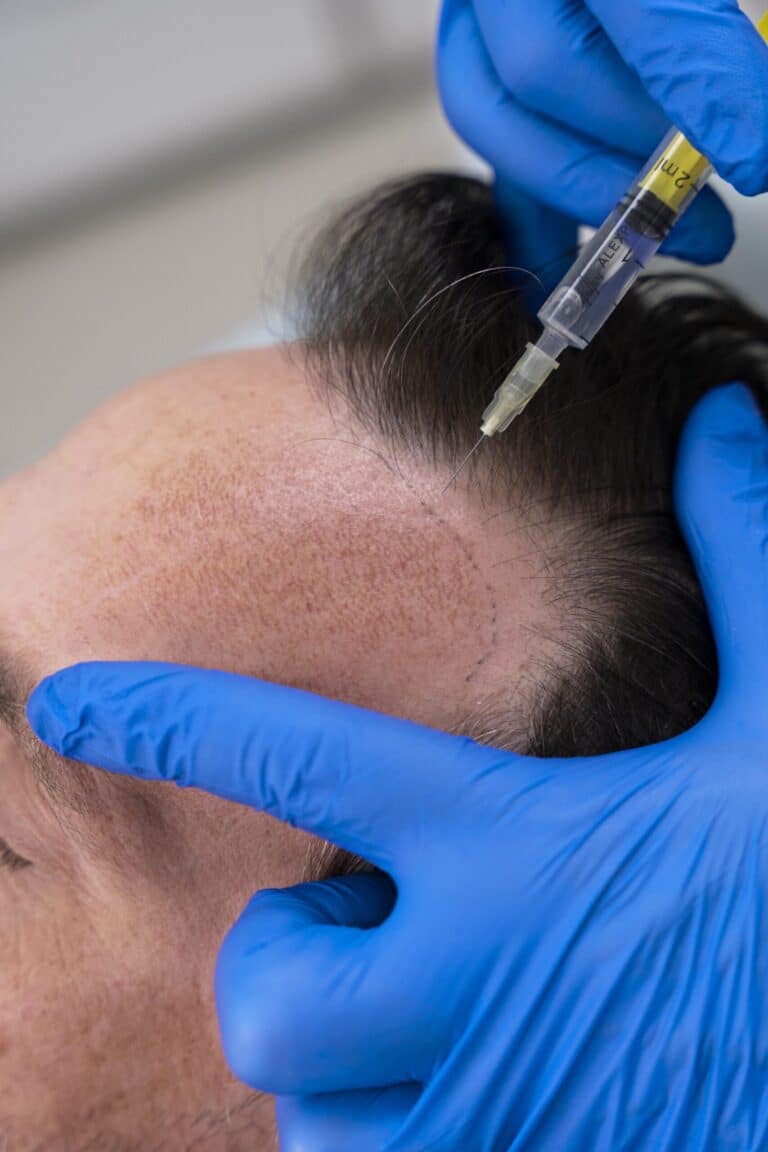
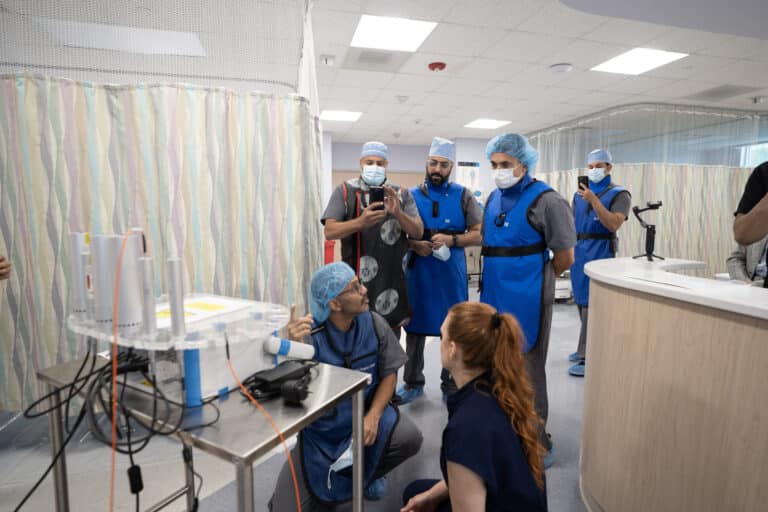
The hands-on day is in person, at an instructor’s practice or inside yours.




Common questions
What Calgary providers ask before they book.
How much does training in Calgary cost?
Training inside your own practice in Calgary starts at $10,000, with the instructor's travel and lodging included. Training at an instructor's location starts at $5,000. Both are starting points. The quote depends on the discipline, the instructor, how many people are training and how much of the curriculum is built around you.
Does Alberta have its own rule for PRP?
Yes, in the form of a CPSA guideline on autologous PRP in unaccredited settings, written for physician offices and clinics. It requires a comprehensive training program for every provider involved, equipment approved by Health Canada, informed consent and documented key steps. It sits on top of Health Canada's 2019 position, which leaves PRP prepared and given back to the same patient in one procedure to the province. Our reading, with every source, is on the rules by state page.
Can an Alberta NP or PA do the hands-on part?
An NP can, within the restricted activities the CRNA authorizes and the NP's own competence and practice area. A PA works under a supervising physician who stays most responsible, and cannot perform a restricted activity that physician is not competent to perform. Bring your practice agreement or supervision terms when we plan the session, and we set the hands-on plan around them before you book.
I'm not licensed in Alberta. Can I train in Calgary?
Let us know when you request a date. We read hands-on work on a patient in Alberta as needing registration with the Alberta college for your profession. On-site training at your own practice runs under the license you already have there; at an instructor's practice, what you can do hands on follows your licensure in that jurisdiction. We sort it out with you before you book.
Request a date now
Tell us about your practice and when you'd like to train.
Ready to add PRP or another regenerative procedure in Calgary? A few quick questions, one screen at a time. Nothing here commits you to a date. A person reads every request and calls you back within one business day.
From the blog
Read it here, then do it in a course.

The role of growth factors in regenerative medicine: a clinical primer
Read the postPlatelet count is not the dose. A primer on the growth factors that do the work, why preparation…
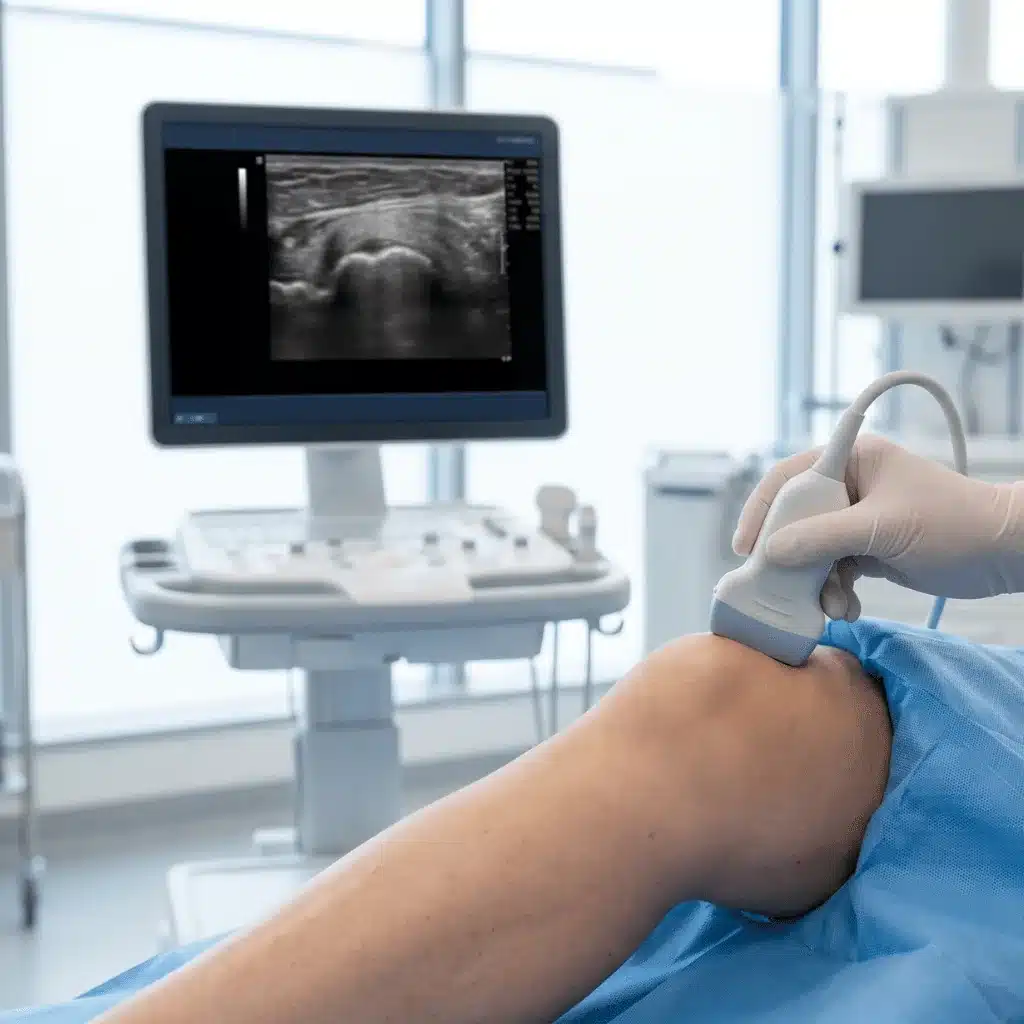
Ultrasound-guided injection techniques in regenerative medicine: why training matters
Read the postGuidance puts the needle where it belongs. It does not make you competent. What the accuracy evidence shows…
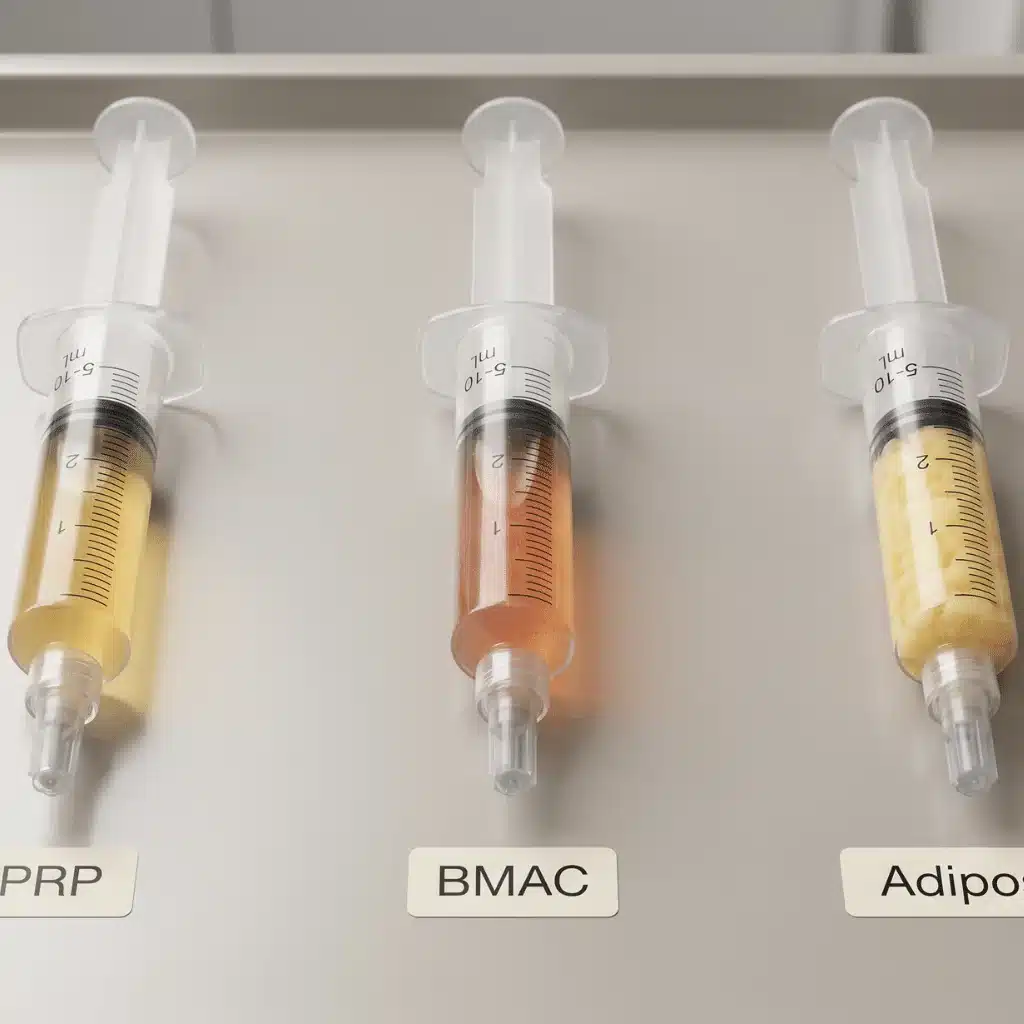
PRP vs. BMAC vs. adipose: comparing orthobiologic treatment options
Read the postPRP, BMAC and adipose are three different tools, not one product with three names. How to match modality…
Important information
Read this before you book.
Know what a course is not before you book. It won’t make you a specialist. It carries no CMEs, credit hours or accreditation, and it doesn’t cover your malpractice: you arrange that yourself. No one can promise you outcomes. It is education for licensed providers, not medical or legal advice, and some products and modalities discussed are not FDA approved or cleared for the uses discussed. The Certificate of Completion is not a license or a board certification, and it does not expand your scope of practice. Read the full notes.