
Where we train
Regenerative Medicine Training in Salt Lake City, Utah
PRP and regenerative medicine training for licensed providers in Salt Lake City and across Utah. It’s private and hands-on, on a live consenting patient.

Live patients
Private training
Practicing clinicians
U.S. based, worldwide
Training in Salt Lake City
Providers who ask us about Salt Lake City mostly practice along the Wasatch Front, from Ogden and Layton in the north, through Salt Lake County, down to Lehi, Orem and Provo. Ogden is about 40 minutes up I-15 and Provo about 45 minutes down it, and Park City is roughly 40 minutes east on I-80.
There are two ways to set it up. The instructor comes to your practice and works with you and your team on your own equipment, and the trip is inside the quote. Or you train at an instructor’s own working practice. Both are private, both are hands-on with a real, consenting patient, and the scope is agreed before you book.
Who can train? Anyone legally able to provide the treatment in Utah. That comes down to your license, and Utah adds its own notice and consent rules for stem cell therapy that is not FDA approved. The two sections below cover both, with the code section behind every line.

Local detail
Salt Lake City at a glance.
Where the instructor flies in, the Wasatch Front ground a Salt Lake City session covers, and the health systems nearby.
Getting here
For training inside your practice, the instructor flies into Salt Lake City International Airport (SLC), which serves more than 26 million passengers a year, and drives on to you, up or down the Wasatch Front. Travel and lodging come inside the quote.
The area a Salt Lake City session covers
University of Utah Health
University of Utah Health describes itself as the only academic medical center in Utah and the Mountain West, with five hospitals and 12 community health care centers, and it trains the majority of the state’s physicians, nurses, pharmacists and therapists. Its Spencer Fox Eccles School of Medicine was founded in 1905 as a two-year school, became a four-year, degree-granting school in 1941, and is the only MD-granting institution in the state. Huntsman Cancer Institute, founded in 1995 by Jon M. Huntsman Sr. and his wife Karen, is the designated National Cancer Institute Comprehensive Cancer Center for Utah, Idaho, Montana, Nevada and Wyoming.
Intermountain Health and the wider region
Intermountain Health is a nonprofit system based in Salt Lake City, with 34 hospitals serving patients and communities in Utah, Idaho, Nevada, Colorado, Montana and Wyoming. University of Utah Health, for its part, says it serves the people of Utah, Idaho, Wyoming, Montana, western Colorado and much of Nevada.
Worth knowing
On December 2, 1982, at University of Utah Hospital, William DeVries, MD, implanted the Jarvik-7 in Dr. Barney Clark, the world’s first permanent artificial heart. Source
Utah scope
What each Utah license allows.
Your Utah license is what decides the hands-on part of a session. Below is how Utah law reads for each license we train, as of October 2026, with the code section linked. Read it as a starting point, not legal advice.
It is your responsibility to confirm the modality is legal in your state for your license. Do that before you book. The authority on your own scope is your licensing board, not us.
Physicians, MD and DO
Utah physicians are licensed through the Division of Professional Licensing. Under Utah’s Medical Practice Act, a license is required to engage in the practice of medicine, which includes diagnosing, treating, correcting, administering anesthesia or prescribing for any human disease, and performing cosmetic medical procedures. Source Utah’s placental tissue law lets a health care provider whose scope of practice includes stem cell therapy perform one that is not FDA approved, under the notice and consent rules in the next section. Source
Nurse practitioners
Utah has full practice authority for nurse practitioners, according to the AANP. Source Utah’s Nurse Practice Act lets an advanced practice registered nurse prescribe or administer prescription drugs or devices, including local anesthesia and Schedule II to V controlled substances, and perform minor surgical procedures. Source The narrower prescribing limits in the same law fall on certified registered nurse anesthetists, who may prescribe up to a five-day supply related to a procedure. Source
Physician assistants
A Utah physician assistant with less than 8,500 hours of post-graduate clinical practice experience must collaborate with a physician for the first 4,000 of those hours. Between 4,000 and 8,500 hours, the physician assistant needs a written collaborative agreement with a physician, or with an experienced physician assistant in the same specialty, as the statute sets out. A physician assistant changing specialties collaborates for at least 4,000 hours with a physician trained and experienced in the new specialty. Source Bring your agreement when we plan the session.
Registered nurses
Utah describes the work of a registered nurse as assessing a patient’s health status, identifying health care needs, planning a strategy of care, implementing it and evaluating responses to nursing interventions. Prescriptive authority sits with advanced practice registered nurses, not RNs. Source How we read it: an RN’s hands-on part in a procedure rests on an order from a practitioner who has the authority to prescribe it. Ask the DOPL nursing program where a given task falls.
Chiropractic physicians
Utah’s definition of chiropractic puts its emphasis on specific vertebral adjustment, manipulation and treatment of the articulation and adjacent tissues of the spinal column. A chiropractic physician may not perform incisive surgery, and may not administer drugs or medicines that need a prescription, except topically applied agents such as steroids, anesthetics, coolants and analgesics for wound care and musculoskeletal treatment. Source How we read it: an injected product falls outside that exception. Take an injection course to DOPL first.
Physical therapists
Utah’s definition of physical therapy leaves out diagnosing a disease, dispensing or prescribing a drug, performing surgery and performing acupuncture. It does take in dry needling to enhance physical performance, when the therapist has the training, and trigger point dry needling under set conditions. For trigger point dry needling, a therapist completes a course of at least 304 hours, including 54 hours of in-person instruction and 250 supervised patient treatment hours, and registers with the division. Source Check an injection course with the DOPL physical therapy program first.
Utah law
The Utah rules that touch regenerative medicine.
State law in this field changes, sometimes more than once a year. Our reading of each state, with its sources and the date we checked, is on the rules by state page. It is a starting point, not legal advice.
SB 199, placental tissue (2024)
SB 199 enacted Utah Code section 58-1-512 and took effect on May 1, 2024. Source As amended in 2026, that section lets a health care provider whose scope of practice includes stem cell therapy perform a stem cell therapy that is not FDA approved, if the provider first gives the patient a set written notice. Utah defines stem cell therapy as a treatment involving afterbirth placental perinatal stem cells or human cells, tissues, or cellular or tissue-based products, and the definition leaves out treatment or research using cells or tissues derived from a fetus or embryo after an abortion. A violation is unprofessional conduct. Source
The notice and the consent form
The notice reads: “THIS NOTICE MUST BE PROVIDED TO YOU UNDER UTAH LAW. This health care practitioner performs one or more stem cell therapies that have not yet been approved by the United States Food and Drug Administration. You are encouraged to consult with your primary care provider before undergoing a stem cell therapy.” It goes on paper at least 8.5 by 11 inches, in at least 40 point type, displayed at the entrance and in an area visible to patients, and in any advertisement for the therapy. The signed consent form must cover the nature and character of the treatment, including its FDA approval status, the alternatives, and the serious possible risks. Source
SB 55, who may supply the products (2026)
Since May 6, 2026, a person may supply human cells, tissues, or cellular or tissue-based products to a provider whose scope of practice includes stem cell therapy only after the provider gives that person written confirmation that the patient notice will be given. The bill uses the federal definition of those products in 21 C.F.R. 1271.3. Source
Right to Try
Utah’s Right to Try Act, in effect since May 12, 2015, lets an eligible patient obtain an investigational drug or device through an agreement with its manufacturer and the patient’s physician. The informed consent has to say, among other things, that an insurer is not required to cover the cost and that an insurer may deny coverage for the eligible patient. Source
Federal rules still apply
Utah law sits on top of federal law, not in place of it. The FDA’s rules for human cells, tissues, and cellular and tissue-based products apply in every state. Our summary is in the federal section of the rules by state page.
Your boards in Utah
The Utah Division of Professional Licensing (DOPL) programs for physicians and surgeons, nursing, chiropractic physicians and physical therapy.
Formats and pricing
Two ways to train in Salt Lake City, and both are private.
The hands-on work with a consenting patient is the same either way. What changes is whose room it is, and who from your practice is in it. Both prices are starting points: the quote depends on the course, how many people are training and how much of the curriculum is built around you.
At an instructor location
From $5,000
You come to us, at an instructor’s own working practice.
At your own practice
From $10,000
We come to you, anywhere in Utah, with the instructor’s travel and lodging inside the quote. What on-site training includes.
Cancel or refund any time up to thirty days out. Inside thirty days, no refund.
On a refund, covering card processing and office costs.
To move your date, covering the travel that moves with it.
Questions about dates, format or fit? Talk to us.
Training courses we offer
Every course runs in Salt Lake City.
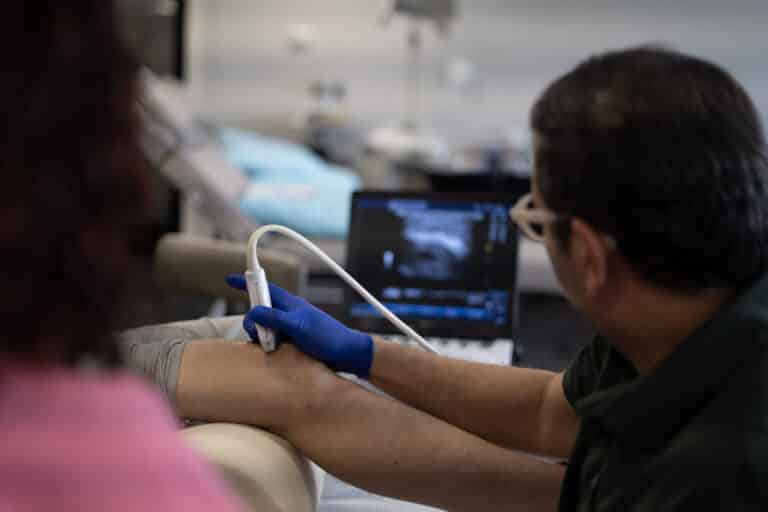
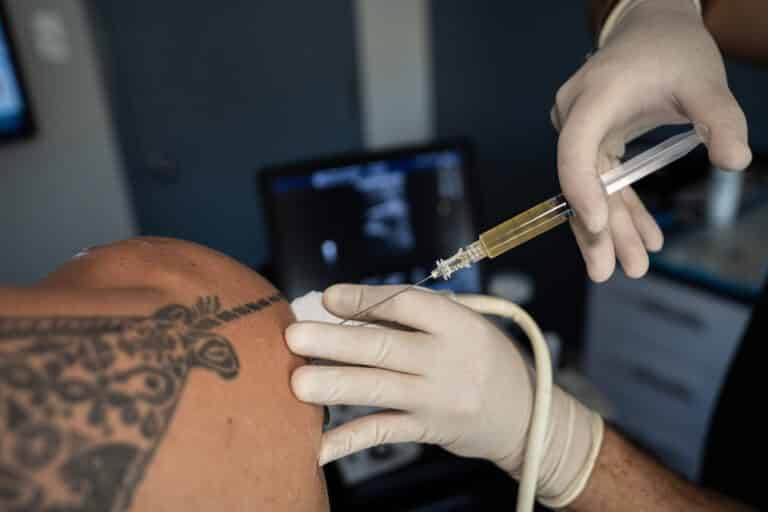
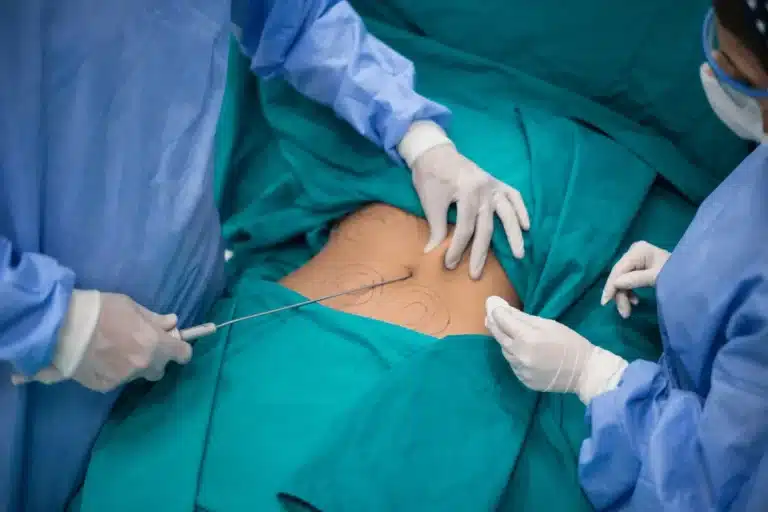
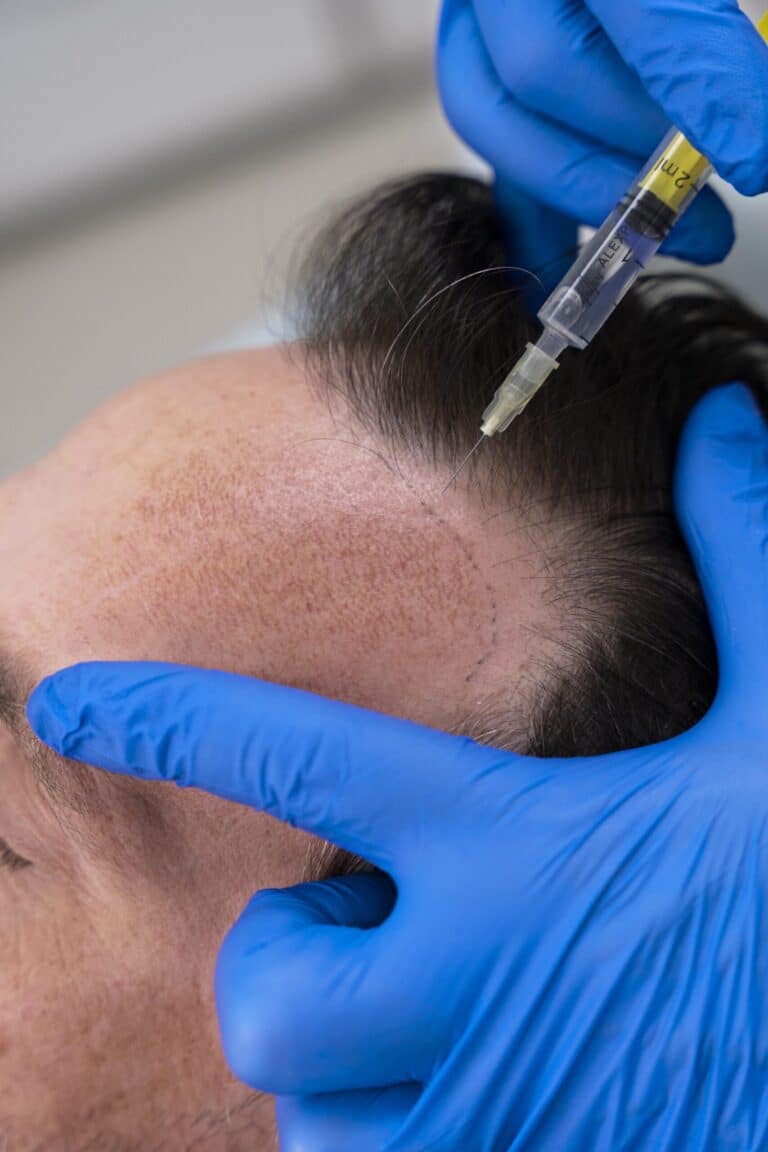
The hands-on day is in person, at an instructor’s practice or inside yours.



Common questions
What Salt Lake City providers ask before they book.
How much does training in Salt Lake City cost?
Training inside your own practice in Salt Lake City starts at $10,000, with the instructor's travel and lodging included. Training at an instructor's location starts at $5,000. Both are starting points. The quote depends on the discipline, the instructor, how many people are training and how much of the curriculum is built around you.
Does Utah's placental tissue law cover PRP?
The law is written for stem cell therapy, which Utah defines as a treatment involving afterbirth placental perinatal stem cells or human cells, tissues, or cellular or tissue-based products. Whether PRP, or any given product or procedure, falls under that definition is a question for your counsel and DOPL, not us. Our reading, with the sources, is on the rules by state page.
Can a Utah NP or PA do the hands-on part?
Within your Utah scope, yes. Nurse practitioners have full practice authority in Utah. A physician assistant with less than 8,500 hours works under collaboration or a written collaborative agreement, depending on hours. Bring your hours and any agreement when we plan the session, and we set the hands-on work around them before you book.
I'm not licensed in Utah. Can I train in Salt Lake City?
Let us know when you request a date. If we come to you, you train inside your own practice under the license you hold there. If you come to an instructor's location in Utah, your hands-on role turns on your Utah licensure, and we agree the plan with you before you book.
Request a date now
Tell us about your practice and when you'd like to train.
Ready to add PRP or another regenerative procedure in Salt Lake City? A few quick questions, one screen at a time. Nothing here commits you to a date. A person reads every request and calls you back within one business day.
From the blog
Read it here, then do it in a course.
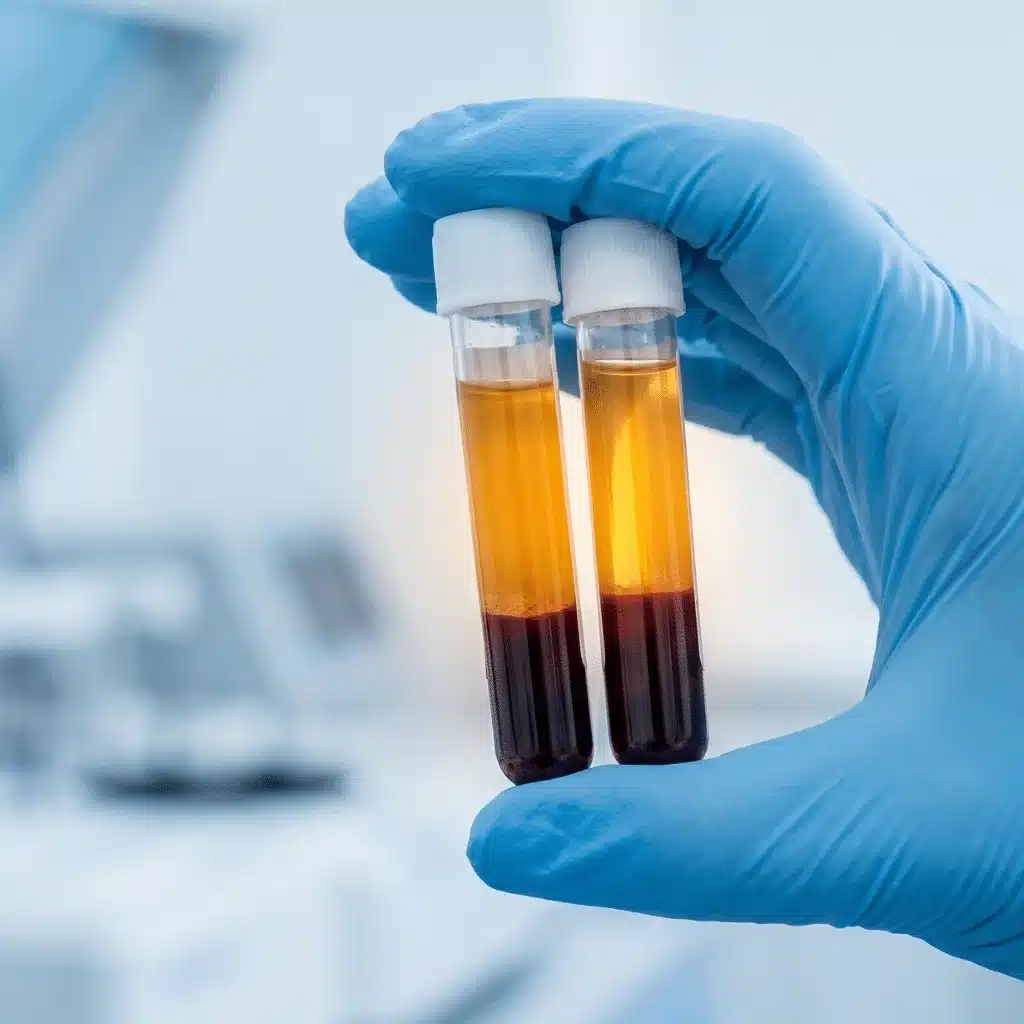
The role of growth factors in regenerative medicine: a clinical primer
Read the postPlatelet count is not the dose. A primer on the growth factors that do the work, why preparation…
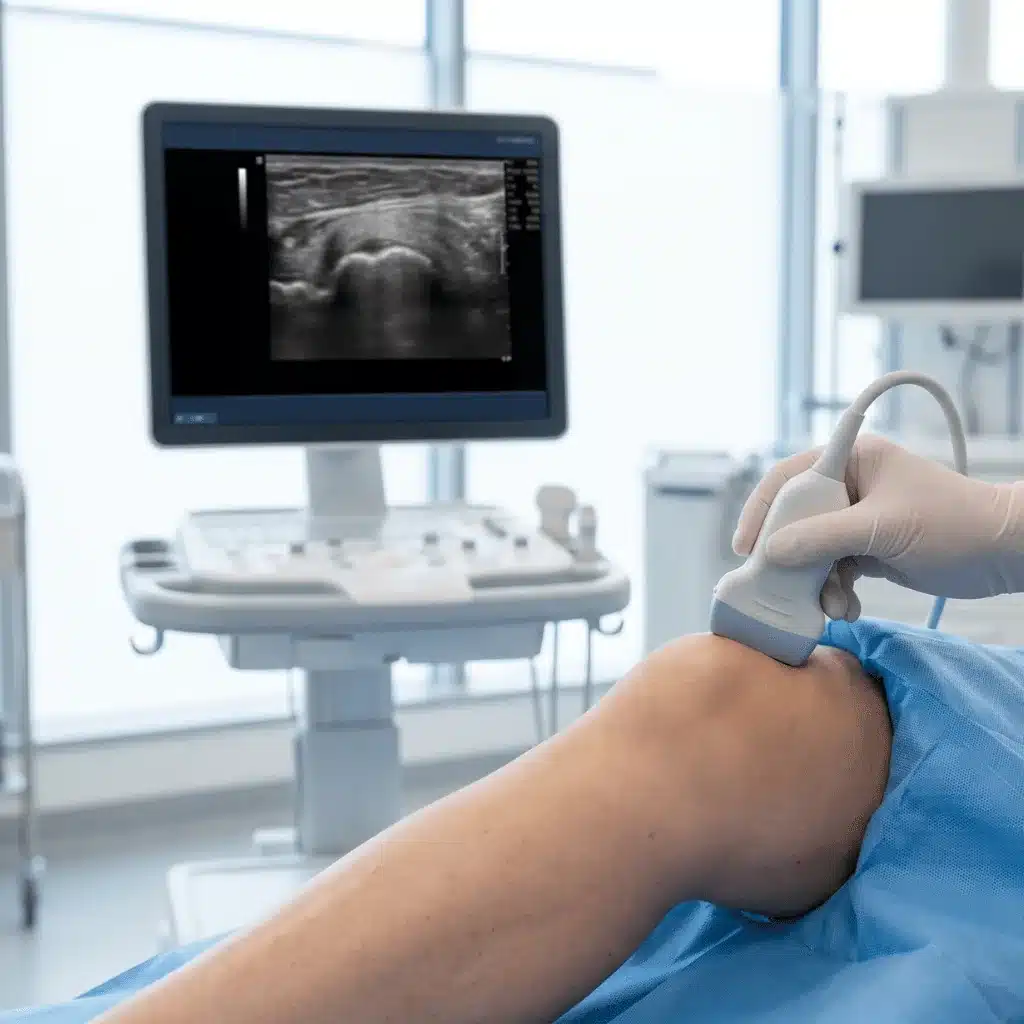
Ultrasound-guided injection techniques in regenerative medicine: why training matters
Read the postGuidance puts the needle where it belongs. It does not make you competent. What the accuracy evidence shows…
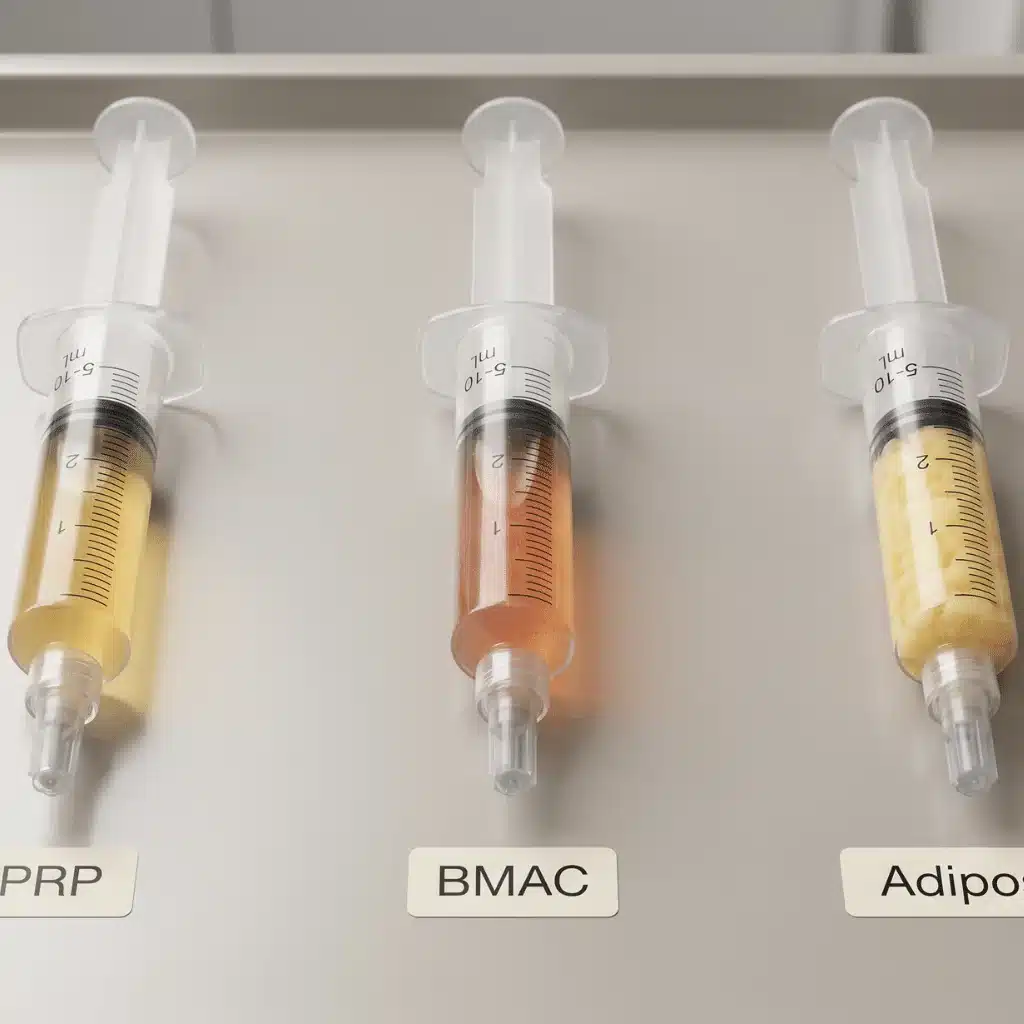
PRP vs. BMAC vs. adipose: comparing orthobiologic treatment options
Read the postPRP, BMAC and adipose are three different tools, not one product with three names. How to match modality…
Important information
Read this before you book.
Know what a course is not before you book. It won’t make you a specialist. It carries no CMEs, credit hours or accreditation, and it doesn’t cover your malpractice: you arrange that yourself. No one can promise you outcomes. It is education for licensed providers, not medical or legal advice, and some products and modalities discussed are not FDA approved or cleared for the uses discussed. The Certificate of Completion is not a license or a board certification, and it does not expand your scope of practice. Read the full notes.