
Where we train
Regenerative Medicine Training in Edmonton, Alberta
PRP and regenerative medicine training for licensed providers in Edmonton and across Alberta. It’s private and hands-on, on a live consenting patient.

Live patients
Private training
Practicing clinicians
U.S. based, worldwide
Training in Edmonton
Most providers who ask about Edmonton practice in the capital region: St. Albert to the northwest, Sherwood Park in Strathcona County to the east, Spruce Grove and Stony Plain to the west, and Leduc and Beaumont to the south. Calgary is about three hours down Highway 2, and Grande Prairie and Fort McMurray, each more than four hours’ drive away, are still Alberta and still covered.
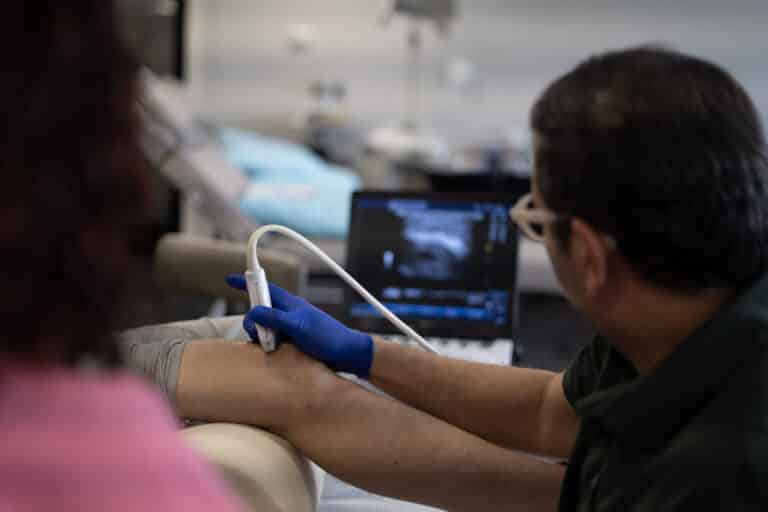
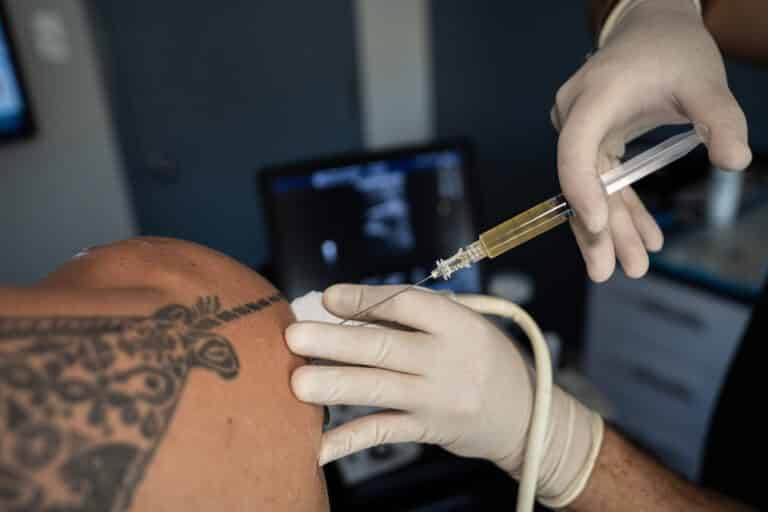
Pick the format that suits your practice. With the first, the instructor travels to Edmonton, or wherever in Alberta you are, and trains you and your staff in your own rooms, with the travel covered in the quote. With the second, you train at an instructor’s own working practice. In both the session is private, on a consenting patient, and the scope is settled before you book.
Who can train? Anyone legally able to provide the treatment in Alberta. Your college’s list of restricted activities decides it, and for PRP the physicians’ college has its own guideline as well. The Alberta section below gives the short version of both and links to the full reading, license by license, sources included.
Local detail
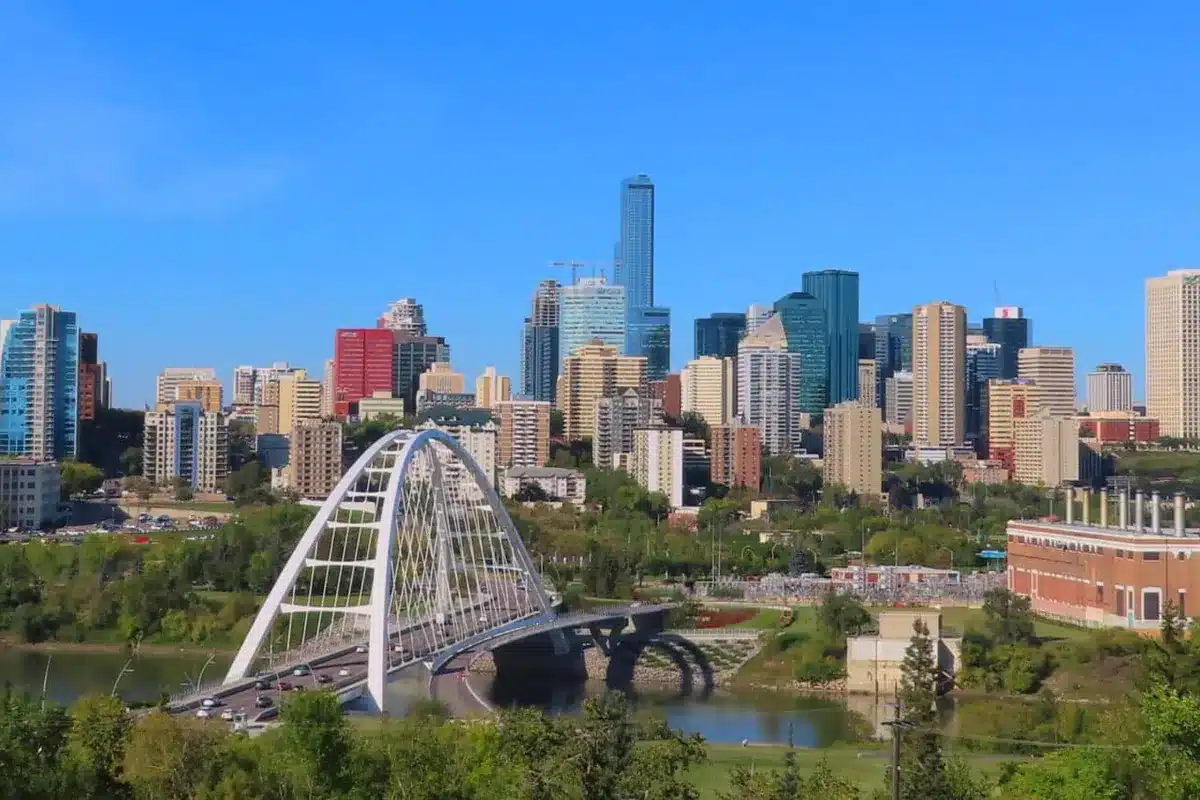
Edmonton at a glance.
Where the instructor lands, the area an Edmonton session covers, and the university and hospitals of the capital region.
Getting here
For training inside your practice, the instructor flies into Edmonton International Airport and drives to your clinic, in the city or anywhere in the capital region. For a practice farther north, such as in Grande Prairie or Fort McMurray, we plan the onward leg with you. Travel and lodging are inside the quote.
The area an Edmonton session covers
Edmonton and the capital region: St. Albert, Sherwood Park and the rest of Strathcona County, Spruce Grove, Stony Plain, Leduc, Beaumont and Fort Saskatchewan, and northern Alberta beyond, including Grande Prairie and Fort McMurray. Southern Alberta practices have the Calgary page, built on the same Alberta rules. For British Columbia, see Vancouver.
The University of Alberta
The University of Alberta’s School of Medicine began, and enrolled its first classes, in 1913; its Department of Medicine was established in 1924. The University of Alberta Hospital describes itself as a referral centre for western and northern Canada, working with the Mazankowski Alberta Heart Institute and the Kaye Edmonton Clinic.
The Royal Alex and Covenant Health
The Royal Alexandra Hospital, named for Queen Alexandra, is in Edmonton’s inner city and includes the Lois Hole Hospital for Women, the C.K. Hui Heart Centre and the Eye Institute of Alberta. Covenant Health, formed in 2008, calls itself a Catholic healthcare provider within Alberta’s integrated health system, with 19 sites in 13 communities.
Worth knowing
In July 2000, Dr. James Shapiro and colleagues at the University of Alberta published their paper on the Edmonton Protocol, an islet transplantation procedure, in The New England Journal of Medicine. Source
The market
The Edmonton region in numbers.
Edmonton as the public record shows it: how many people live in and around the city, how many physicians their college counts here and in the north beyond, and which regulators are in town. Each figure links to the page that publishes it.
1.4 million people, a million of them in the city
Statistics Canada’s 2021 Census counted 1,418,118 people in the Edmonton census metropolitan area, up 7.3 percent from 2016, on 9,416 square kilometers of land. It ranks the area sixth in the country by population. Source The City of Edmonton’s population table gives the city itself 1,010,899 in that census. Source That leaves about 407,000 people, close to three in ten, in the municipalities around the city. These are counts of residents, not of patients.
More than a third of Alberta's physicians
The College of Physicians & Surgeons of Alberta (CPSA) counts physicians by health zone. Its update for January to March 2026 lists 4,803 in the Edmonton Zone, out of 12,978 across the province’s five zones. That is about 37 percent. Source Alberta Health Services says the zone “serves the city of Edmonton and the capital region.” Source
Where in the capital region they work
By location, the same update lists 4,129 physicians in Edmonton, 253 in St. Albert, 161 in Sherwood Park, 70 in Spruce Grove, 60 in Leduc and 41 in Fort Saskatchewan. CPSA counts each physician at the practice location where it has one and at the home address otherwise. Source So about 86 percent of the zone’s physicians are in the city itself.
The north starts at the edge of the zone
Beyond the capital region is Alberta Health Services’ North Zone. Its zone brochure lists facilities in Grande Prairie and Fort McMurray and gives the zone’s size as 448,500 square kilometers. CPSA lists 658 physicians across that zone and, by town, 191 in Grande Prairie and 122 in Fort McMurray. Source The Edmonton Zone has roughly seven times as many. Practices in the north are covered on this page.
The Legislature and the colleges are in town
Alberta is governed from here. The Legislative Assembly gives the Legislature Building’s address as 9820 107 Street NW and calls it “the jewel of downtown Edmonton.” Source The regulators are in the city too: CPSA gives an address on 100 Street NW, the College of Registered Nurses of Alberta on 178 Street and the College of Physiotherapists of Alberta on 109 Street, and the College of Chiropractors of Alberta lists an Edmonton mailing address.
The associations physicians belong to
The Alberta Medical Association describes itself as “a not-for-profit organization founded in 1905, the same year as our province.” It has offices in Edmonton and Calgary and asks that all mail go to the Edmonton one. Source Among its affiliates, the Edmonton Zone Medical Staff Association calls itself “the formal voice of advocacy for all practitioners (with or without an Alberta Health Services appointment) in the Edmonton Zone.”
An airport outside the city
Local rules
What Edmonton asks of a practice.
What your license allows is a provincial matter, and the Alberta section below sets that out. Here the subject is the business side, meaning the City of Edmonton and provincial offices a practice in the city deals with, as of October 2026. Treat this as a first read. It is not legal advice, and each point should be checked with the office the row names.
A City business license
The City says its Business Licence Bylaw 20002 states that “every person or company that conducts business in Edmonton is required to have a business licence.” Source The bylaw’s definition of a business includes “a profession, trade, occupation, calling, or employment,” and it lets the City Manager waive the requirement of a license if the business “has a statutory exemption.” Source How we read it: plan on holding one for the practice. If you believe a statute exempts your profession, put that question to the City before you open.
Zoning approval for the address
The City says: “If your business activity is listed in a zone’s permitted uses, you will still need to apply for a development permit (zoning approval) to obtain City confirmation that your business can operate in this location.” Source Its page on applying for a license adds that you “may still need a development permit and/or building permits before your business licence application can be reviewed and approved,” for example when you change the type of business activity at a location or carry out significant renovations. Source
Registering a trade name
Alberta registers business names under the Partnership Act. The province says a trade name is used when “an individual does business under a name other than their own personal name” or a corporation does business under a name other than its legal name, and that you register by going to an authorized Corporate Registry service provider. It also says: “Registering a business name does not grant any right of ownership of the name.” Source
Biomedical waste: Alberta's published practice
Alberta’s document Disposal of Biomedical Waste: Acceptable Industry Practices, published in June 2019, counts waste from human health care facilities as biomedical waste. It says: “Biomedical waste is not regulated as a hazardous waste in Alberta, but is a class 6.2 dangerous good under the federal Transportation of Dangerous Good Regulations.” It calls incineration at approved facilities the preferred method, and says sharps and other solid biomedical waste directed to landfills must first be rendered nonpathogenic. Source How we read it: for a clinic’s used sharps, this provincial document is the one to work from. Ask the company that collects your waste how it meets it.
Alberta rules
Alberta scope and law, in brief.
Alberta’s rules in short, as of October 2026. The full reading, license by license with every source linked, is in the Alberta scope and law sections on our Calgary page, and our summary is on the rules by state page. It is a starting point, not legal advice.
It is your responsibility to confirm the modality is legal in your province for your license. Do that before you book. The authority on your own scope is your provincial regulator, not us.
Physicians, NPs and PAs
The physicians’ college (CPSA) says a physician may only perform a restricted activity they are competent to perform, that fits the clinical circumstance and that is within their scope of practice, and a PA must not perform one the supervising physician is not competent to perform. Source For NPs, how we read the nursing college’s standards: the procedure has to fit your practice area as well as your license. Source
RNs, chiropractors and physiotherapists
A nurse needs “a client specific order from an authorized prescriber” to administer a Schedule 1 drug. Source Injections are not on the chiropractic college’s list of interventions. Source Ask the College before you book an injection course. Outside wound debridement and care, the physiotherapy college says, “Physiotherapists are not permitted to perform injections for any other purpose.” How we read it: an injection course is outside an Alberta physiotherapist’s scope, so confirm with the College before you book. Source
PRP and adipose rules
CPSA’s PRP guideline requires comprehensive training for every provider involved. How we read it: whether a course meets that bar is for you and CPSA to judge. Source How we read CPSA’s facility list: adipose work outside a hospital is a question for CPSA before you plan it. Source Health Canada leaves PRP prepared and given back to the same patient in one procedure to the province. Source
Formats and pricing
Two ways to train in Edmonton, and both are private.
The hands-on work with a consenting patient is the same either way. What changes is whose room it is, and who from your practice is in it. Both prices are starting points: the quote depends on the course, how many people are training and how much of the curriculum is built around you.
At an instructor location
From $5,000
You come to us, at an instructor’s own working practice.
At your own practice
From $10,000
We come to you, anywhere in Alberta, with the instructor’s travel and lodging inside the quote. What on-site training includes.
Cancel or refund any time up to thirty days out. Inside thirty days, no refund.
On a refund, covering card processing and office costs.
To move your date, covering the travel that moves with it.
Questions about dates, format or fit? Talk to us.
Training courses we offer
Every course runs in Edmonton.
The hands-on day is in person, at an instructor’s practice or inside yours.
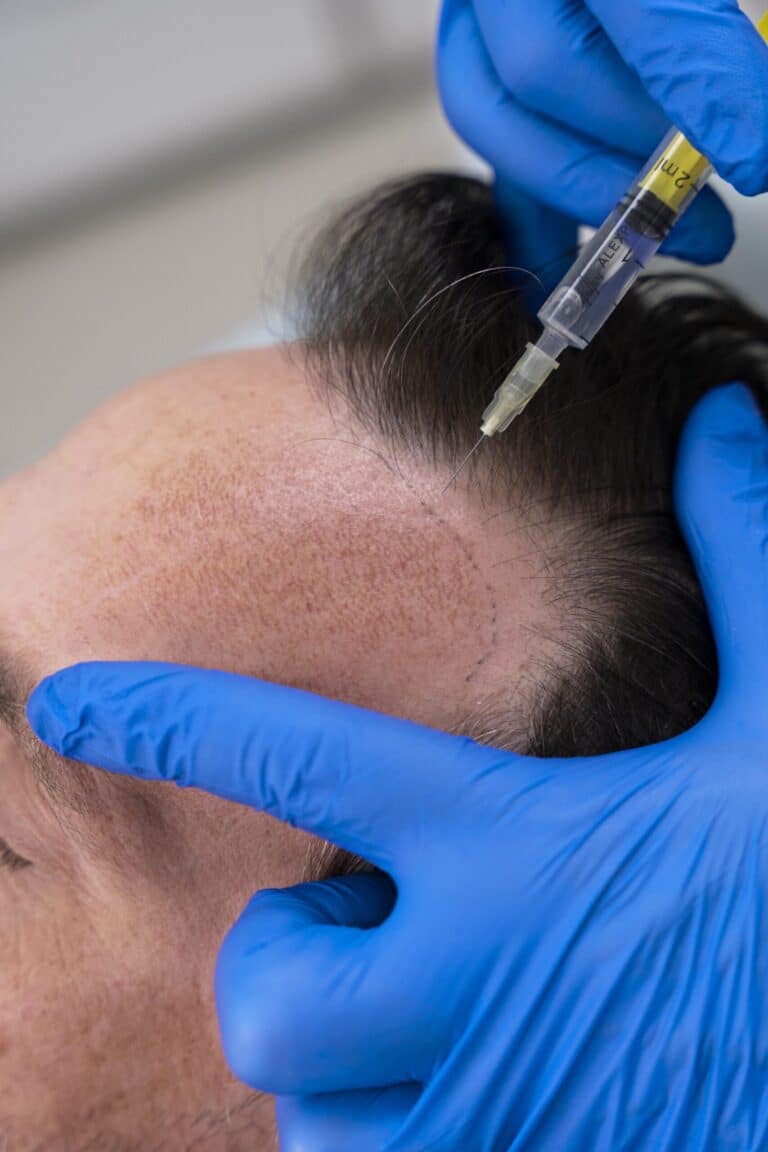




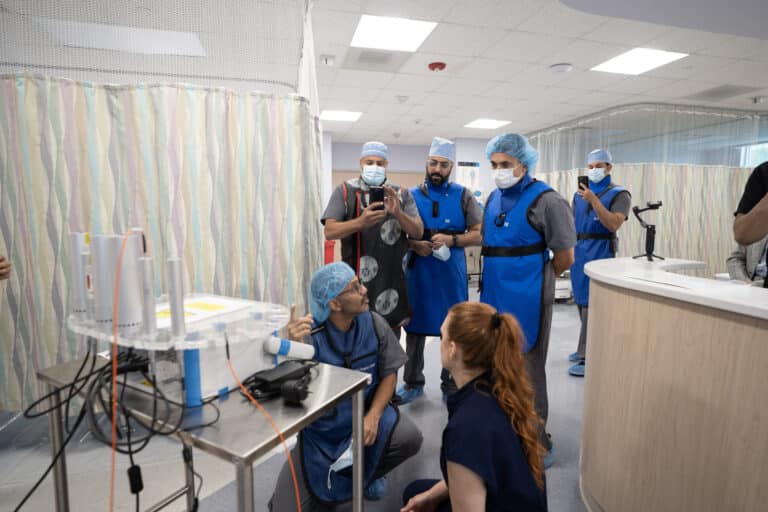
Common questions
What Edmonton providers ask before they book.
How much does training in Edmonton cost?
Training inside your own practice in Edmonton starts at $10,000, with the instructor's travel and lodging included. Training at an instructor's location starts at $5,000. Both are starting points. The quote depends on the discipline, the instructor, how many people are training and how much of the curriculum is built around you.
Are the rules different in Edmonton than in Calgary?
No. Scope is set for the whole province: each Alberta college says which restricted activities its members may perform, and Health Canada's position sits over that. Nothing changes between the two cities. The short version is in the Alberta section above, and the full reading, license by license, is on our Calgary page. What counts is the license you hold, not which end of Highway 2 you work at.
How long is the drive from Edmonton International Airport to my clinic?
The airport says it is typically a 30-minute drive from downtown Edmonton. Source It was built on land near Leduc, south of the city, so a practice in Leduc is closer to it than downtown is, and one in St. Albert, to the northwest, is farther. The instructor drives to you from there, and the travel and lodging are part of the quote either way.
Do you come to practices north of Edmonton, in Grande Prairie or Fort McMurray?
Yes. We come to you anywhere in Alberta, and this page is the one for the north of the province. Alberta Health Services says of its zone for the north: "North Zone is geographically the largest zone in Alberta." Source Tell us the town when you request a date, and we plan the instructor's onward leg from Edmonton with you before you book.
My practice is in St. Albert or Sherwood Park. Is that an Edmonton session?
Yes. An Edmonton session can run anywhere in the capital region: St. Albert, Sherwood Park and the rest of Strathcona County, Spruce Grove, Stony Plain, Leduc, Beaumont or Fort Saskatchewan. The census metropolitan area takes in 9,416 square kilometers, so give us the practice address when you request a date. Source The session is private wherever it runs.
I'm not licensed in Alberta. Can I train in Edmonton?
Let us know when you request a date. We read hands-on work on a patient in Alberta as needing registration with the Alberta college for your profession. On-site training at your own practice runs under the license you already have there; at an instructor's practice, what you can do hands on follows your licensure in that jurisdiction. We sort it out with you before you book.
Request a date now
Tell us about your practice and when you'd like to train.
Ready to add PRP or another regenerative procedure in Edmonton? A few quick questions, one screen at a time. Nothing here commits you to a date. A person reads every request and calls you back within one business day.
From the blog
Read it here, then do it in a course.

The role of growth factors in regenerative medicine: a clinical primer
Read the postPlatelet count is not the dose. A primer on the growth factors that do the work, why preparation…
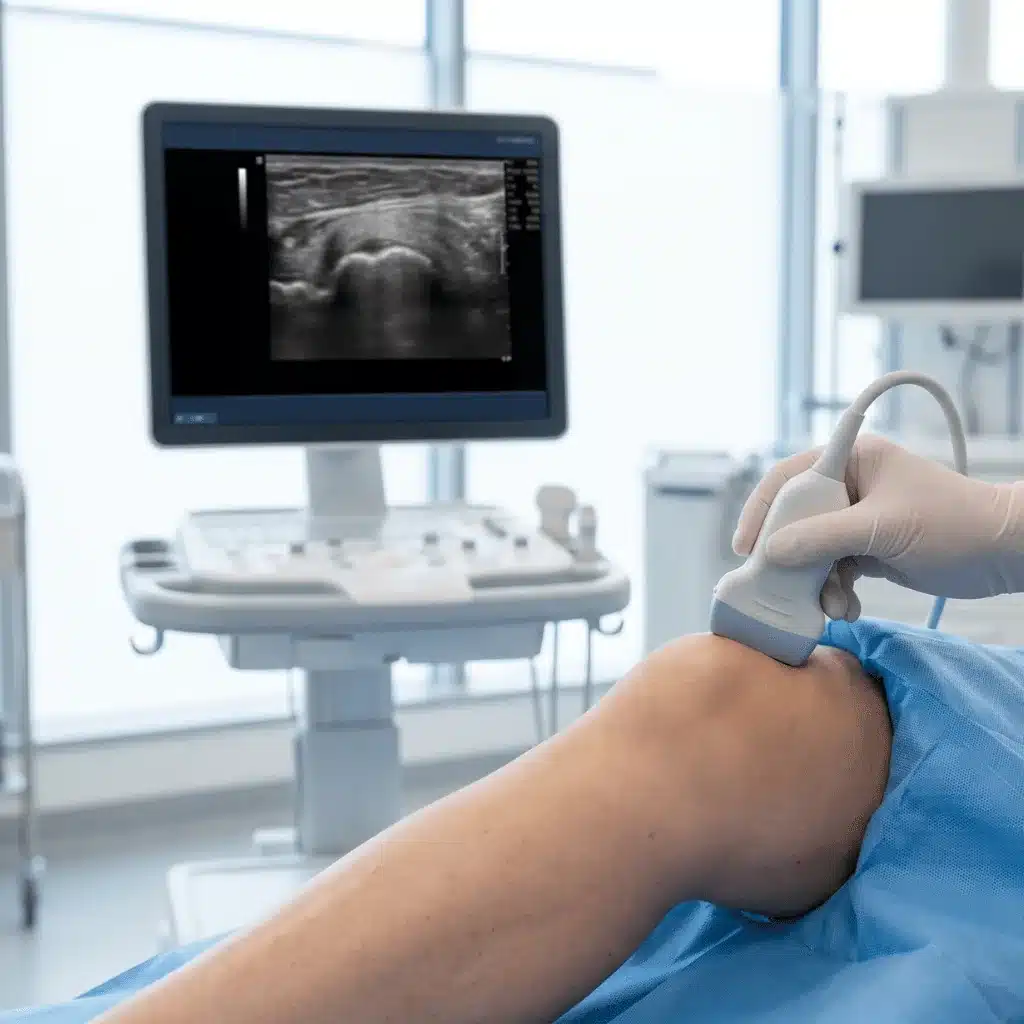
Ultrasound-guided injection techniques in regenerative medicine: why training matters
Read the postGuidance puts the needle where it belongs. It does not make you competent. What the accuracy evidence shows…
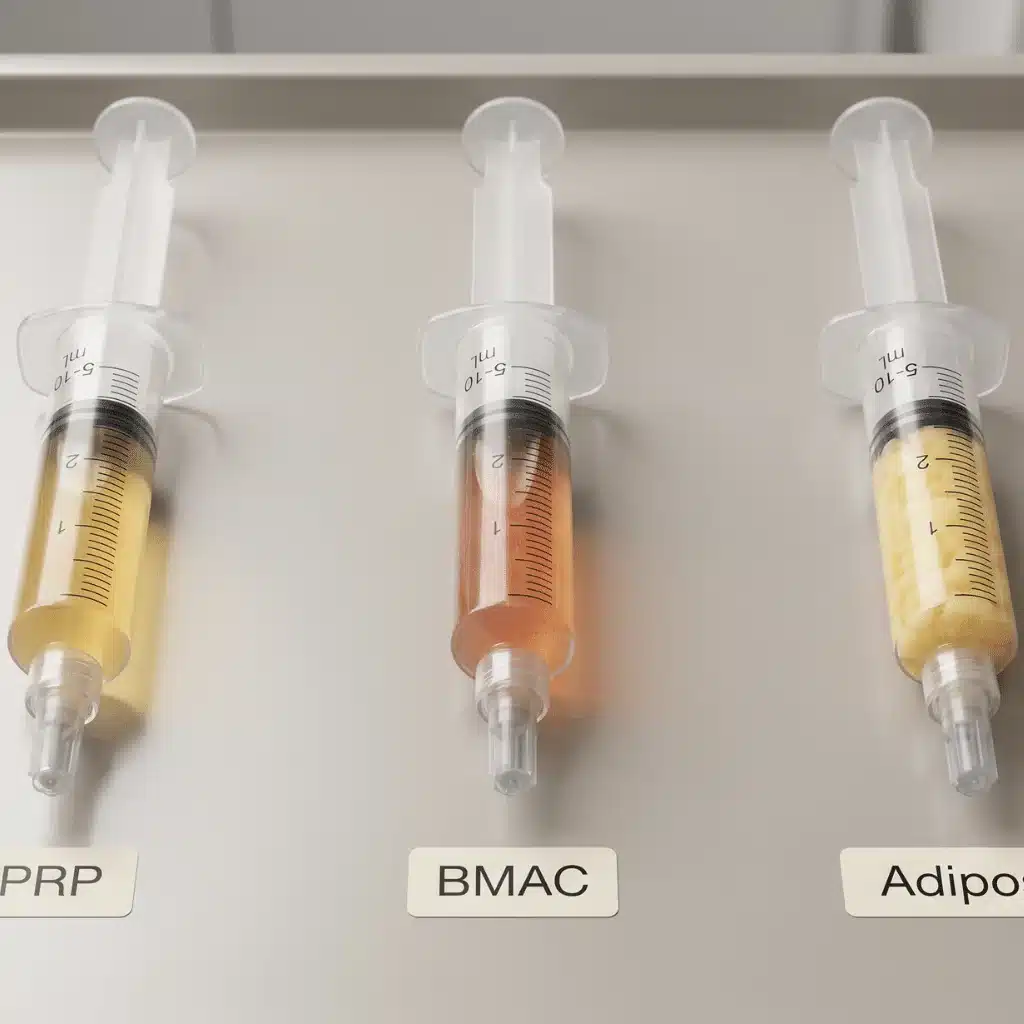
PRP vs. BMAC vs. adipose: comparing orthobiologic treatment options
Read the postPRP, BMAC and adipose are three different tools, not one product with three names. How to match modality…
Important information
Read this before you book.
Know what a course is not before you book. It won’t make you a specialist. It carries no CMEs, credit hours or accreditation, and it doesn’t cover your malpractice: you arrange that yourself. No one can promise you outcomes. It is education for licensed providers, not medical or legal advice, and some products and modalities discussed are not FDA approved or cleared for the uses discussed. The Certificate of Completion is not a license or a board certification, and it does not expand your scope of practice. Read the full notes.