
Where we train
Regenerative Medicine Training in Pittsburgh, Pennsylvania
PRP and regenerative medicine training for licensed providers in Pittsburgh and across Pennsylvania. It’s private and hands-on, on a live consenting patient.

Live patients
Private training
Practicing clinicians
U.S. based, worldwide
Training in Pittsburgh
The Pittsburgh area, for training purposes, is Allegheny County and the counties that ring it: Butler to the north, Westmoreland to the east, Washington to the south and Beaver to the northwest. Greensburg, Butler and Washington are each within about an hour of downtown, and practices farther out along the turnpike are in range too.
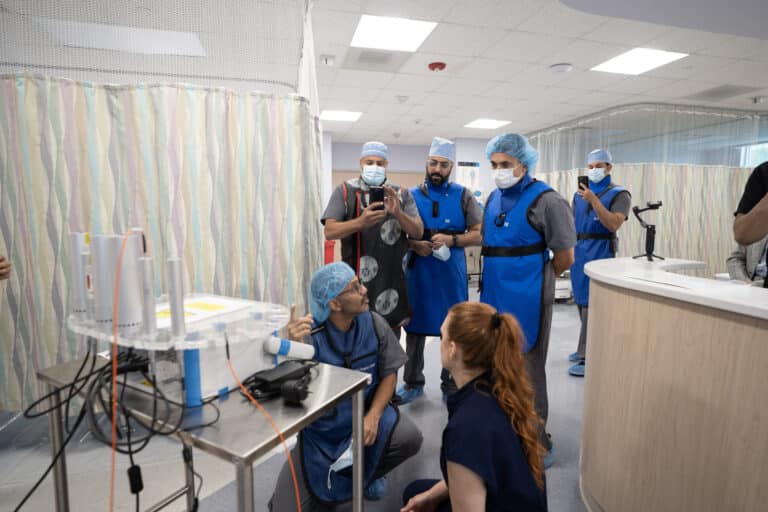
Pick one of two formats. The instructor can come to your practice and train you and your staff with your own equipment, with travel covered in the quote, or you can go to an instructor’s own working practice. Either way the session is private, on a real patient who has consented, with the scope set before you book.
Who can train? Anyone legally able to provide the treatment in Pennsylvania. What that means depends on which of the state’s five boards licenses you, and PAs and CRNPs also answer to a written agreement. The Pennsylvania section below keeps it short and points you to the full reading, one license at a time, with every source.

Local detail
Pittsburgh at a glance.
Where the instructor lands, the counties a Pittsburgh session covers, and the health systems you work beside.
Getting here
For training inside your practice, the instructor flies into Pittsburgh International Airport (PIT), run by the Allegheny County Airport Authority, and drives to you from there, whether that is the North Hills, the South Hills or a practice an hour or more out. The travel and the lodging are both part of the quote.
The area a Pittsburgh session covers
Allegheny, Butler, Beaver, Washington and Westmoreland counties, taking in Pittsburgh, Cranberry Township, Monroeville, Bethel Park, Canonsburg, Greensburg and Butler, with Johnstown and Altoona farther east. Practices at the other end of the state are on the Philadelphia page, and those across the line in Ohio on the Cleveland and Columbus pages.
UPMC and the University of Pittsburgh
Pittsburgh providers practice alongside UPMC, a health care provider and insurer headquartered in Pittsburgh, with more than 40 hospitals and 800 doctors’ offices and outpatient centers across Pennsylvania and in Maryland and New York, affiliated with the University of Pittsburgh Schools of the Health Sciences. The University of Pittsburgh School of Medicine was chartered in 1886 as the Western Pennsylvania Medical College, a free-standing school formed by local physicians. It affiliated with the Western University of Pennsylvania in 1891 and, two decades later, was integrated into the newly renamed University of Pittsburgh.
Allegheny Health Network and Duquesne
Allegheny Health Network, a member of Highmark Health, runs hospitals from the city and its suburbs up to Grove City and the Lake Erie region, including Allegheny General Hospital, West Penn Hospital, Wexford Hospital, Canonsburg Hospital and Jefferson Hospital. Duquesne University’s College of Osteopathic Medicine welcomed its first class of medical students on July 11, 2024.
Worth knowing
The polio vaccine announced on April 12, 1955, was developed by a University of Pittsburgh research team led by Jonas Salk. Source
The market
Greater Pittsburgh in numbers.
Allegheny County and the counties around it, as the public record describes them: residents, age, land, physician licenses and the organizations local clinicians belong to. Every figure is linked to its source.
One county, 130 municipalities
Allegheny County covers about 730 square miles of land and, by the Census Bureau’s estimate for July 1, 2025, holds 1,225,035 residents. Source Inside those lines the county government counts 130 municipalities. Source Pittsburgh is one of them, and it holds 307,632 of those residents, about a quarter of the county. Source A practice in Monroeville or Bethel Park shares the county and not the municipality, so give us the street address, not just the city, when you request a date.
Fewer children, more older residents
Allegheny County’s residents skew older than the nation’s: 21.9 percent are 65 or older and 17.8 percent are under 18. Source Nationally the shares are 18.9 percent and 21.1 percent. Source Take both ends away and about 60 percent of residents are between 18 and 64 in the county and in the country alike, so the gap is all at the two ends of the age range. These figures count residents. They are not counts of patients.
Westmoreland: more land, far fewer people
Westmoreland County, to the east, covers about 1,028 square miles, more land than Allegheny, and has 349,324 residents, fewer than a third as many. Of those residents, 26.7 percent are 65 or older, more than one in four. Source The share is 24.4 percent in Washington County, to the south, Source and 23.2 percent in Butler County, to the north. Source
Butler is growing, Allegheny is not
Butler County’s 2025 estimate is 200,169 residents, up 3.3 percent on its April 2020 base. Source Washington County is up 0.7 percent, at 210,802. Source Over the same years Allegheny is down 2.0 percent Source and Westmoreland down 1.5 percent. Source The four counties together come to 1,985,330 residents, by our sum of those estimates.
The county medical society, since 1865
The Allegheny County Medical Society says it was established in 1865 and serves over 2,000 physicians, medical students and practice administrators in Allegheny County. It calls itself a “physician-led membership organization.”
UPMC, by its own count
UPMC reports 100,000 employees, 6,600 affiliated physicians, more than 5,000 of them employed by UPMC, and more than 1,900 medical residents and clinical fellows. Those are totals for the whole system, not for Pittsburgh alone.
Offices by type, Allegheny and Westmoreland
The Census Bureau counted 1,184 offices of physicians in Allegheny County in 2023, along with 212 offices of chiropractors and 200 offices of physical, occupational and speech therapists and audiologists, which form one category in its County Business Patterns county file. Source Westmoreland County had 212 physician offices, Washington 153 and Butler 152. The mix shifts outside Allegheny. Westmoreland has 82 chiropractic offices beside its 212 physician offices, about two for every five, where Allegheny has fewer than one for every five. The file counts business locations with paid employees. It is not a count of clinicians.
Local rules
What Pittsburgh and Allegheny County ask of a practice.
Pennsylvania and its licensing boards settle what your license covers, and the Pennsylvania section of this page deals with that. These rows are about the business itself: where a Pittsburgh practice registers and which offices it answers to, checked in October 2026. They are a first pass and not legal advice, so take each point to the office named.
Register with the City Treasurer
The city’s Department of Finance states its rule this way: every person with an office or other place of business, in the City or outside it, who “performs work or renders services in whole or in part in the City, who has not previously registered, shall within fifteen (15) days, register with the Treasurer its name and address and shall provide such other information as the Treasurer may require.” Source How we read it: this is Pittsburgh’s rule. A practice elsewhere in Allegheny County should ask its own municipality.
A fictitious name is a state filing
The Pennsylvania Department of State says any entity that conducts business in Pennsylvania under an assumed or fictitious name, meaning any name other than the proper name of the entity using it, must register that name. It adds that “fictitious names have not been filed at the county seat since the early 1980s.” Source How we read it: a practice name other than your own is a filing with the Department of State.
PLI signs off on the space
Inside the city, the Department of Permits, Licenses, and Inspections (PLI) says a commercial occupancy only permit is required to certify a new use or occupancy for an existing building, and lists a change of lessee among its work scopes. It adds that “occupancy is not legal until a Certificate of Occupancy has been signed and issued by PLI’s Building Code Official.” Source How we read it: before you take a suite in Pittsburgh, ask what its certificate says.
One county health department
The Allegheny County Health Department, formed in 1957, says it serves more than 1.2 million people in southwestern Pennsylvania. Source The state Department of Health lists seven county and four municipal health departments. Allegheny’s is one of the seven, and Butler, Beaver, Washington and Westmoreland are not listed. Source How we read it: in Allegheny County, city or suburb, the county department is the local one. Elsewhere, ask the state department which office covers you.
Medical waste leaves with a licensed transporter
The Pennsylvania Department of Environmental Protection says regulated medical waste “can only be picked up or delivered commercially in Pennsylvania by an infectious and chemotherapeutic waste transporter licensed by” the department. Its page links a shipping log and a generator inspection form. Source How we read it: if a new procedure adds sharps to your waste, confirm your hauler holds that license and ask the department which records to keep.
Pennsylvania rules
Pennsylvania scope and law, in brief.
This is Pennsylvania in short, as of October 2026. Our Philadelphia page carries the full reading in its Pennsylvania scope and law sections, license by license with each source linked, and the rules by state page has our summary. Use it as a starting point, not legal advice.
It is your responsibility to confirm the modality is legal in your state for your license. Do that before you book. The authority on your own scope is your licensing board, not us.
Physicians, NPs and PAs
Physicians are licensed by the State Board of Medicine Source or the State Board of Osteopathic Medicine. Source The AANP lists the state as reduced practice for nurse practitioners (CRNPs). Source A CRNP diagnoses in collaboration with a physician and prescribes under a written agreement. Source A PA provides the services identified in a written agreement, Source which takes effect when filed with the board. Source How we read it: a procedure you want to perform after training has to be in that agreement first.
RNs, chiropractors and physical therapists
How we read the Professional Nursing Law: an RN performs a step in a regimen someone else has prescribed. Source Ask the board about any injection before you book. How we read the chiropractic board’s description of the profession: count an injection course as outside chiropractic until the board tells you otherwise in writing. Source How we read the practice act for physical therapists: it names no injections. Source Ask the physical therapy board first.
Stem cell law
We found no Pennsylvania law written specifically for stem cell products, as of September 2026. The FDA says it regulates regenerative medicine products. Source If you are unsure whether a product clears the FDA’s rules, ask your counsel and your board.
Your boards in Pennsylvania
Formats and pricing
Two ways to train in Pittsburgh, and both are private.
The hands-on work with a consenting patient is the same either way. What changes is whose room it is, and who from your practice is in it. Both prices are starting points: the quote depends on the course, how many people are training and how much of the curriculum is built around you.
At an instructor location
From $5,000
You come to us, at an instructor’s own working practice.
At your own practice
From $10,000
We come to you, anywhere in Pennsylvania, with the instructor’s travel and lodging inside the quote. What on-site training includes.
Cancel or refund any time up to thirty days out. Inside thirty days, no refund.
On a refund, covering card processing and office costs.
To move your date, covering the travel that moves with it.
Questions about dates, format or fit? Talk to us.
Training courses we offer
Every course runs in Pittsburgh.
The hands-on day is in person, at an instructor’s practice or inside yours.
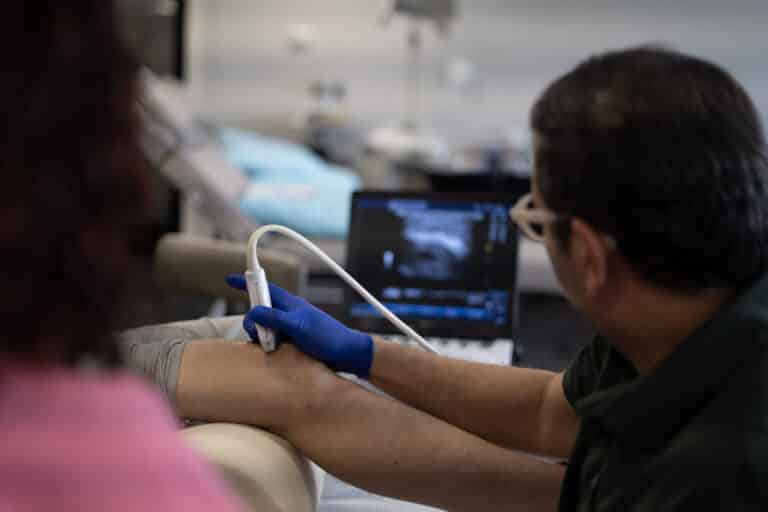
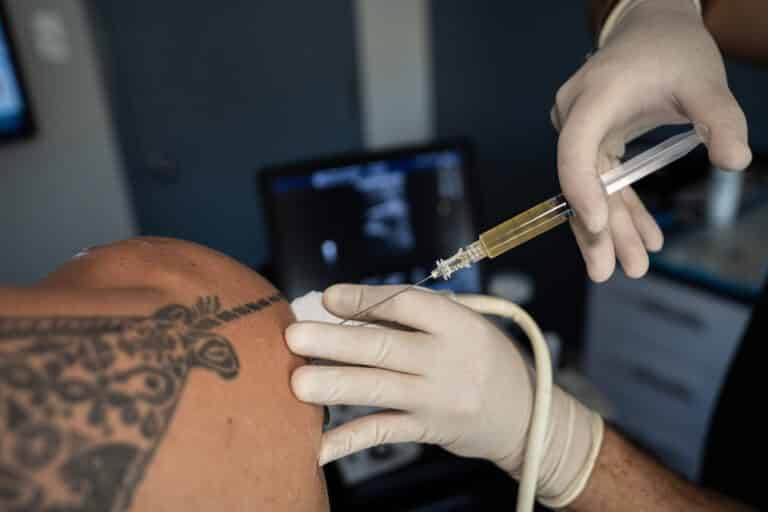
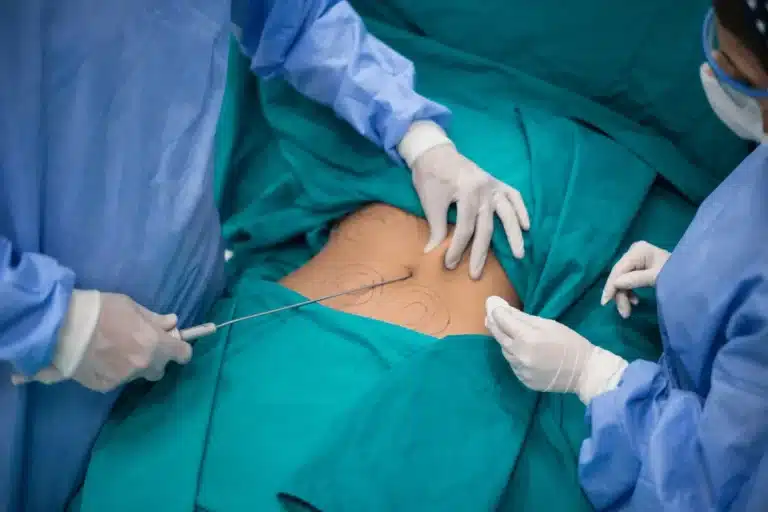
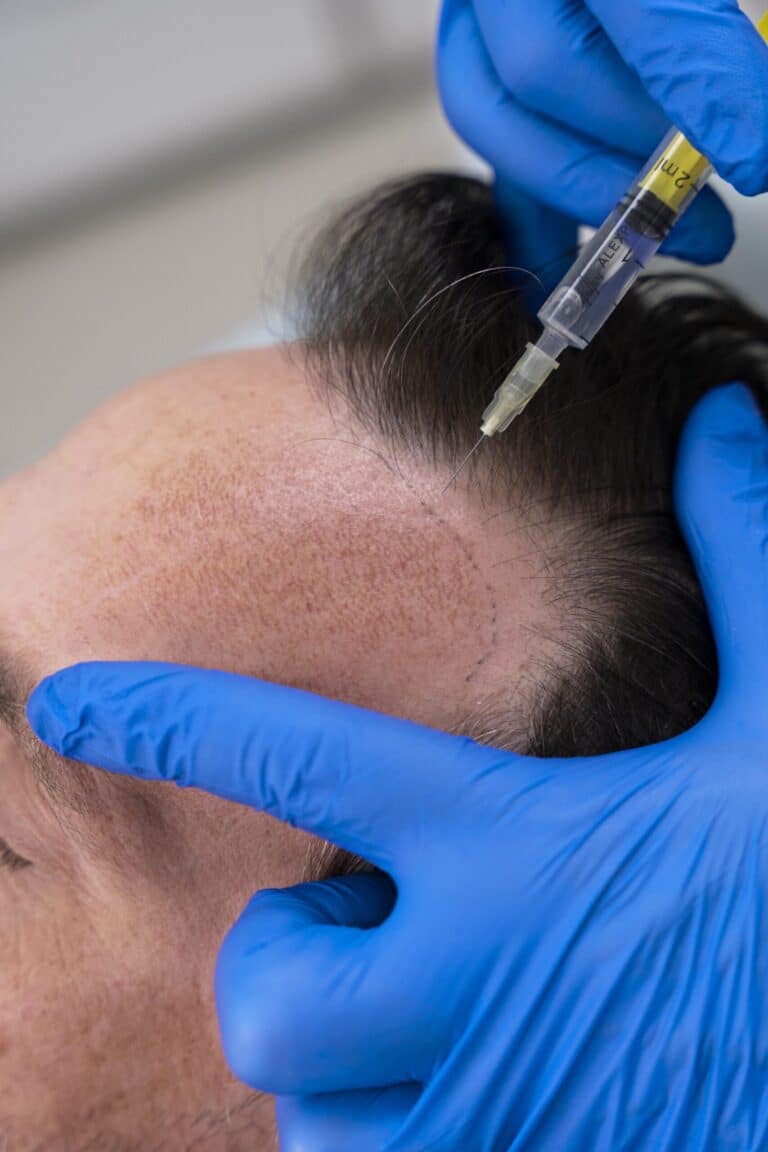




Common questions
What Pittsburgh providers ask before they book.
How much does training in Pittsburgh cost?
Training inside your own practice in Pittsburgh starts at $10,000, with the instructor's travel and lodging included. Training at an instructor's location starts at $5,000. Both are starting points. The quote depends on the discipline, the instructor, how many people are training and how much of the curriculum is built around you.
Do you travel to practices outside Allegheny County?
Yes. A Pittsburgh session covers Allegheny, Butler, Beaver, Washington and Westmoreland counties. Westmoreland County alone is about 1,028 square miles, Source so name the town and the address when you request a date and the plan is built around that location. Wherever that is, the quote covers the instructor's travel and lodging.
How far is Pittsburgh International Airport from the city?
The Allegheny County Airport Authority, which runs it, places Pittsburgh International (PIT) 16 miles west of downtown Pittsburgh. Source That is where the instructor lands for a session in your practice. The drive from there is ours to plan, and the quote includes the instructor's travel and lodging.
My practice is across the state line, in Ohio or West Virginia. Can the instructor still come to me?
Yes. The line is close: Beaver County, one of the five counties this page covers, describes itself as bordered on the west by Ohio and the panhandle of West Virginia. Source When the instructor comes to your practice, you train under the license you hold in your own state, and that state's boards are the authority on your scope. Ohio practices can start from our Cleveland page, and our West Virginia summary is on the rules by state page.
Does Pittsburgh have different rules than Philadelphia?
No. Scope and the state's laws are set by Pennsylvania and its five licensing boards, so one set of rules holds in Pittsburgh and in Philadelphia. You will find the short version in the Pennsylvania section above. For each license in full, with its sources, go to our Philadelphia page. What differs from one practice to the next is the license you hold and, for PAs and CRNPs, what your written agreement says.
I'm not licensed in Pennsylvania. Can I train in Pittsburgh?
Tell us where you are licensed when you request a date. If the instructor comes to you, you train in your own practice under the license you already hold. If you would rather go to an instructor's practice, what you do hands on there turns on your licensure in that practice's state, and we set the plan with you before you book.
Request a date now
Tell us about your practice and when you'd like to train.
Ready to add PRP or another regenerative procedure in Pittsburgh? A few quick questions, one screen at a time. Nothing here commits you to a date. A person reads every request and calls you back within one business day.
From the blog
Read it here, then do it in a course.
The role of growth factors in regenerative medicine: a clinical primer
Read the postPlatelet count is not the dose. A primer on the growth factors that do the work, why preparation…
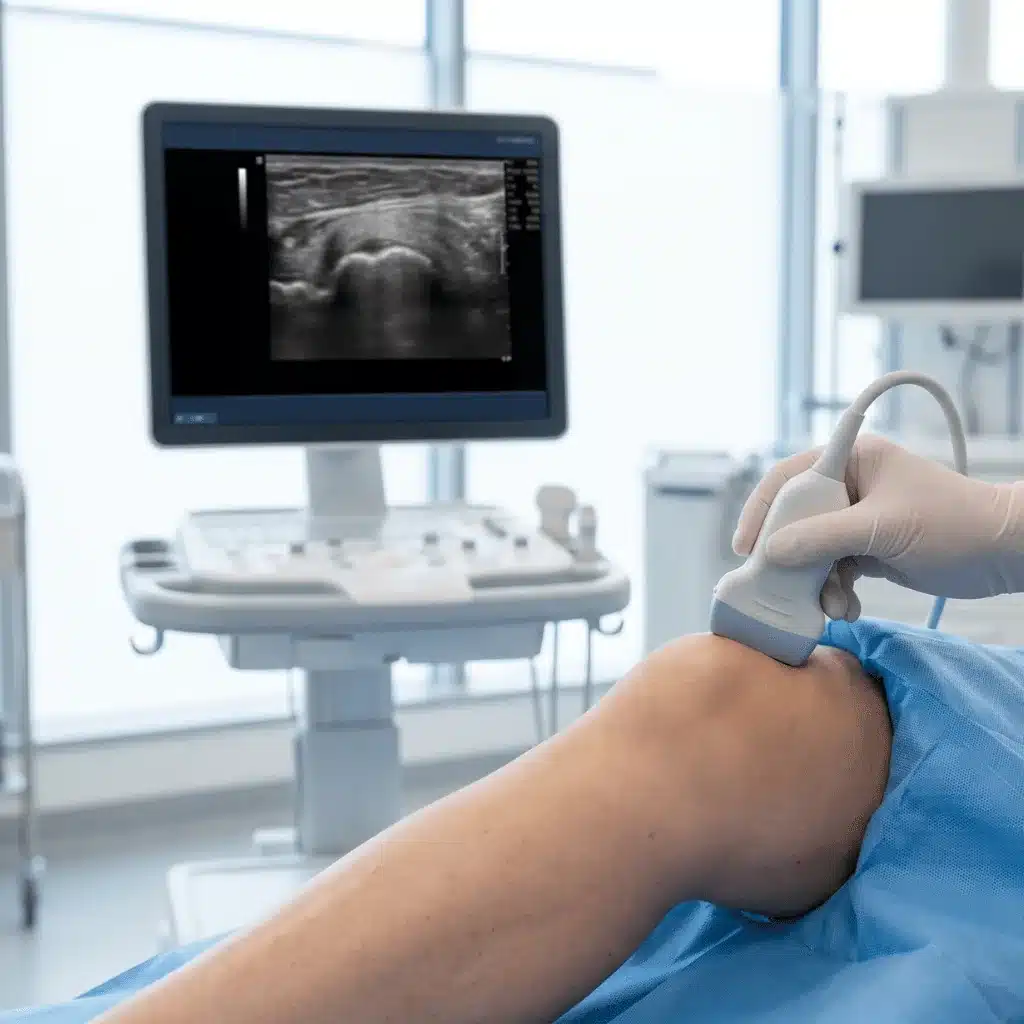
Ultrasound-guided injection techniques in regenerative medicine: why training matters
Read the postGuidance puts the needle where it belongs. It does not make you competent. What the accuracy evidence shows…
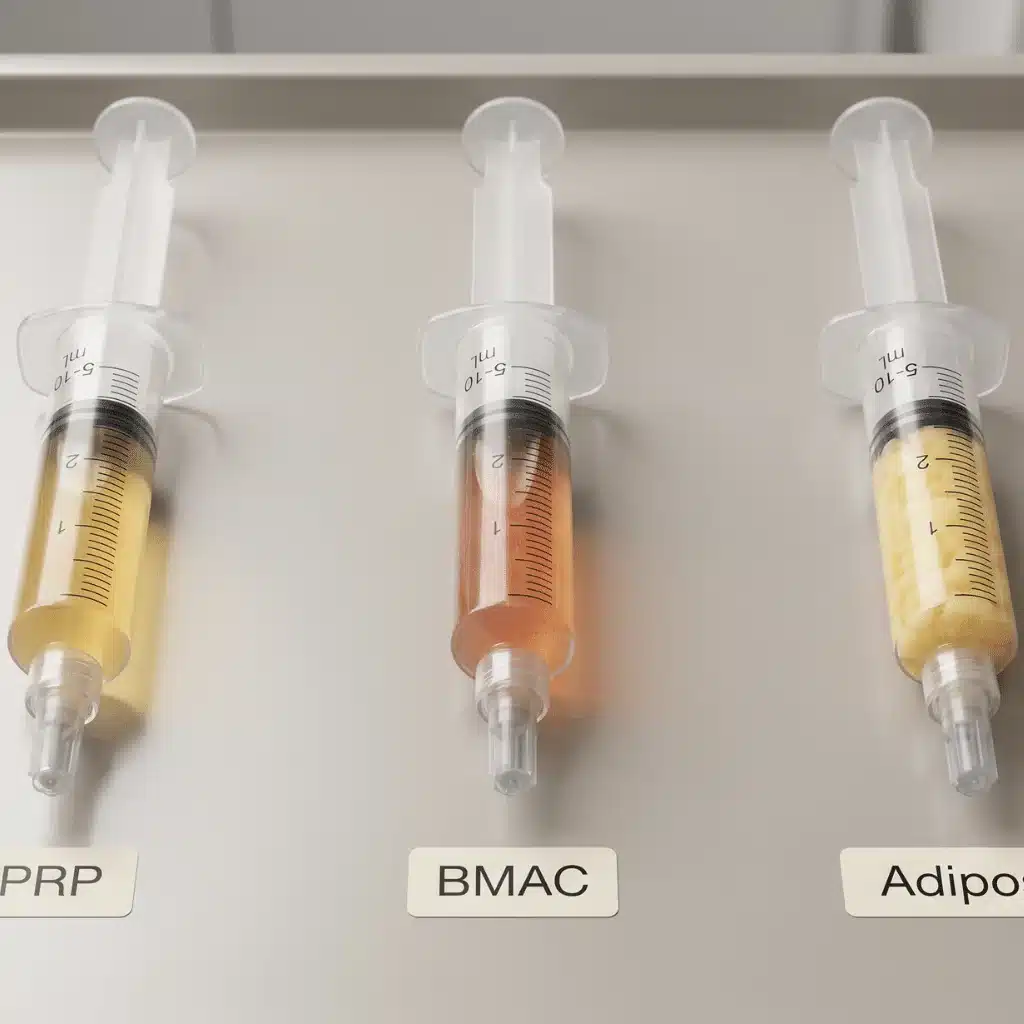
PRP vs. BMAC vs. adipose: comparing orthobiologic treatment options
Read the postPRP, BMAC and adipose are three different tools, not one product with three names. How to match modality…
Important information
Read this before you book.
Know what a course is not before you book. It won’t make you a specialist. It carries no CMEs, credit hours or accreditation, and it doesn’t cover your malpractice: you arrange that yourself. No one can promise you outcomes. It is education for licensed providers, not medical or legal advice, and some products and modalities discussed are not FDA approved or cleared for the uses discussed. The Certificate of Completion is not a license or a board certification, and it does not expand your scope of practice. Read the full notes.