
Where we train
Regenerative Medicine Training in Philadelphia, Pennsylvania
PRP and regenerative medicine training for licensed providers in Philadelphia and across Pennsylvania. It’s private and hands-on, on a live consenting patient.

Live patients
Private training
Practicing clinicians
U.S. based, worldwide
Training in Philadelphia
Training around Philadelphia covers the city and the four counties around it: Bucks, Montgomery, Delaware and Chester. Allentown and the Lehigh Valley are about an hour north on the Northeast Extension, and Reading and Lancaster are each a little over an hour west. Practices across the Delaware River in South Jersey work under New Jersey’s rules, not Pennsylvania’s.
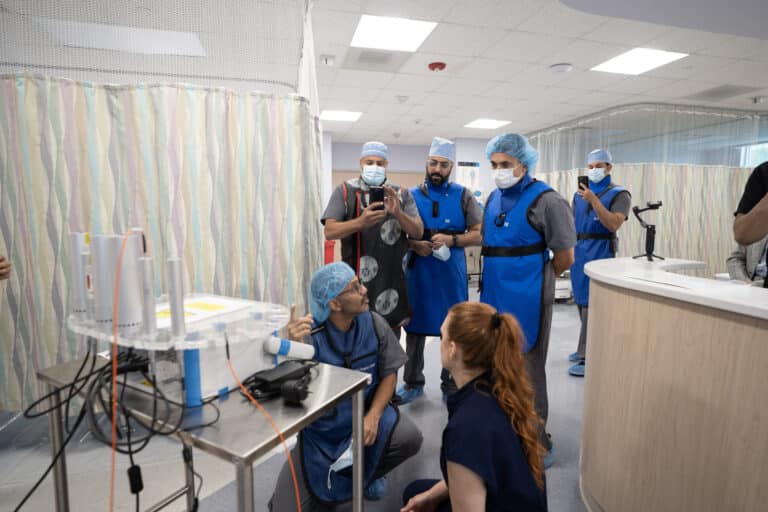
There are two formats. In one, the instructor travels to your practice and trains you and your staff on your own equipment, with travel included in the quote. In the other, you train at an instructor’s own working practice. Each is a private session with a real, consenting patient, and the scope is agreed before you book.
Who can train? Anyone legally able to provide the treatment in Pennsylvania. The state ties that to your license and, for PAs and CRNPs, to a written agreement with a physician. The next two sections take each license in turn, then the state law, with the sources linked.

Local detail
Philadelphia at a glance.
Where the instructor lands, the counties a Philadelphia session covers, and the hospitals and schools around it.
Getting here
For training inside your practice, the instructor flies into Philadelphia International Airport (PHL) and drives on from there, whether your practice is in Center City, on the Main Line or out in the Lehigh Valley, Reading or Lancaster, with travel and lodging inside the quote.
The area a Philadelphia session covers
Philadelphia County and the four suburban counties, Bucks, Montgomery, Delaware and Chester, taking in Bensalem, Doylestown, Norristown, King of Prussia, Media and West Chester, along with the Lehigh Valley, Reading and Lancaster. The other end of the state has its own page, Pittsburgh, and so do the cities up and down I-95: New York and Baltimore.
Penn Medicine and CHOP
Philadelphia providers practice alongside Penn Medicine, home to the Perelman School of Medicine, founded in 1765 as the nation’s first medical school, and to hospitals including the Hospital of the University of Pennsylvania, Penn Presbyterian Medical Center, Pennsylvania Hospital, Chester County Hospital and Lancaster General Health; and Children’s Hospital of Philadelphia, which first opened its doors in 1855.
Medical schools in the city
Sidney Kimmel Medical College was founded in 1824 as Jefferson Medical College. The Lewis Katz School of Medicine was founded by Temple in 1901 as Pennsylvania’s first co-ed medical school. Drexel University College of Medicine traces its roots to Hahnemann Medical College and Woman’s Medical College of Pennsylvania, which it calls the first degree-granting medical school in the world for women. The Philadelphia College of Osteopathic Medicine has trained physicians for more than a century.
Worth knowing
Pennsylvania Hospital, America’s first chartered hospital, was founded in 1751 by Benjamin Franklin and Thomas Bond. In February 2026, Penn announced that the hospital’s historic Pine Building would become the Pennsylvania Hospital Museum. Source
Pennsylvania scope
What each Pennsylvania license allows.
Pennsylvania splits its licenses across five boards, and each one draws its own line around hands-on work. This is our reading for every license we train, as of October 2026, with the law or the board’s own guidance linked. Use it to start the conversation, not as legal advice.
It is your responsibility to confirm the modality is legal in your state for your license. Do that before you book. The authority on your own scope is your licensing board, not us.
Physicians, MD and DO
Pennsylvania licenses physicians through two boards. The State Board of Medicine regulates medical physicians and surgeons, along with physician assistants and other professions. Source The State Board of Osteopathic Medicine licenses doctors of osteopathic medicine and surgery and certifies physician assistants. Source A physician who takes on a PA signs the written agreement with the PA. Source A physician who collaborates with a CRNP is the one named in the CRNP’s written agreement. Source How we read it: those agreements set the hands-on plan for everyone else in the room.
Nurse practitioners (CRNPs)
Pennsylvania titles its nurse practitioners certified registered nurse practitioners, and the AANP lists the state as reduced practice. Source Under the Professional Nursing Law, a CRNP practices within the clinical specialty the State Board of Nursing certified, performs acts of medical diagnosis in collaboration with a physician, and prescribes under a written agreement that names the area of practice, the categories of drugs, and how often the collaborating physician will personally see the patient. Collaboration includes a physician immediately available by direct communication, radio, telephone or telecommunications. Source
Physician assistants
In the State Board of Medicine’s words, a physician assistant “practices medicine with physician supervision and provides any medical service when the service is within the physician assistant’s scope of practice, is identified in the written agreement, and is consistent with accepted standards of medical practice.” Source PAs may not practice independently, bill independently or advertise themselves as independent practitioners. Source How we read it: a procedure you want to perform after training has to be in your written agreement first.
Registered nurses
Registered nurses are licensed by the State Board of Nursing. The Professional Nursing Law includes in professional nursing “executing medical regimens as prescribed by a licensed physician or dentist.” Source How we read it: an RN performs a step in a regimen someone else has prescribed, and does not choose the procedure. Ask the board about any specific injection before you book.
Chiropractors
The State Board of Chiropractic licenses chiropractors under the Chiropractic Practice Act, Act 188 of 1986. Source Its licensure page describes chiropractic as “a branch of the healing arts dealing with the relationship between the articulations of the vertebral column, as well as other articulations, and the neuro-musculoskeletal system.” Source Nothing in that description reaches injections. How we read it: count an injection course as outside chiropractic in Pennsylvania until the board tells you otherwise in writing.
Physical therapists
Pennsylvania’s Physical Therapy Practice Act defines physical therapy through evaluation and testing, physical measures such as mechanical stimulation, heat, cold, light, air, water, electricity, sound, massage or mobilization-manual therapy, and therapeutic exercise and rehabilitative procedures. A PT who holds the board’s certificate of authorization, which takes at least two years of continuous practice and liability coverage, may treat without a referral for up to 30 days from the first treatment. Source How we read it: the act names no injections. Ask the State Board of Physical Therapy first.
Pennsylvania law
The Pennsylvania rules that touch regenerative medicine.
State law in this field changes, sometimes more than once a year. Our reading of each state, with its sources and the date we checked, is on the rules by state page. It is a starting point, not legal advice.
Act 79 of 2021, physician assistants
Act 79 of 2021 and the board rules that followed changed how Pennsylvania PAs and physicians work together. Written agreements now take effect when filed with the board, with no pre-approval, and about 10% are selected for audit. A supervising physician may have primary responsibility for up to six PAs at one time. The physician must review 100% of a PA’s patient records in the first 12 months after the PA graduates, and in the first 12 months after the PA begins practicing in a new specialty. After that, the supervising physician sets the countersignature requirements. Source
No stem cell specific law
We found no Pennsylvania law written specifically for stem cell products, as of September 2026. What governs instead is the license each provider holds, under the boards named below, and federal law. The FDA says it regulates regenerative medicine products. Source
Federal rules still apply
Pennsylvania law sits on top of federal law, not in place of it. The FDA’s rules for human cells, tissues, and cellular and tissue-based products apply in every state. Our summary is in the federal section of the rules by state page.
Your boards in Pennsylvania
Formats and pricing
Two ways to train in Philadelphia, and both are private.
The hands-on work with a consenting patient is the same either way. What changes is whose room it is, and who from your practice is in it. Both prices are starting points: the quote depends on the course, how many people are training and how much of the curriculum is built around you.
At an instructor location
From $5,000
You come to us, at an instructor’s own working practice.
At your own practice
From $10,000
We come to you, anywhere in Pennsylvania, with the instructor’s travel and lodging inside the quote. What on-site training includes.
Cancel or refund any time up to thirty days out. Inside thirty days, no refund.
On a refund, covering card processing and office costs.
To move your date, covering the travel that moves with it.
Questions about dates, format or fit? Talk to us.
Training courses we offer
Every course runs in Philadelphia.
The hands-on day is in person, at an instructor’s practice or inside yours.



Common questions
What Philadelphia providers ask before they book.
How much does training in Philadelphia cost?
Training inside your own practice in Philadelphia starts at $10,000, with the instructor's travel and lodging included. Training at an instructor's location starts at $5,000. Both are starting points. The quote depends on the discipline, the instructor, how many people are training and how much of the curriculum is built around you.
Does Pennsylvania have a stem cell law?
We found no Pennsylvania law written specifically for stem cell products as of September 2026. That does not leave the field open. Your own board sets what your license allows, PAs and CRNPs work under written agreements, and the FDA's rules apply to the products themselves. If you are unsure whether a product clears them, ask your counsel and your board. Our full reading sits on the rules by state page.
Can a Pennsylvania NP or PA do the hands-on part?
Within your Pennsylvania scope, yes. A CRNP diagnoses in collaboration with a physician and prescribes under a written agreement. A physician assistant provides the services named in a written agreement filed with the board. Send us the agreement when we plan the session, and we fit the hands-on work to it before you book.
I'm not licensed in Pennsylvania. Can I train in Philadelphia?
Tell us where you are licensed when you request a date. If the instructor comes to you, you train in your own practice under the license you already hold. If you would rather go to an instructor's practice, what you do hands on there turns on your licensure in that practice's state, and we set the plan with you before you book.
Request a date now
Tell us about your practice and when you'd like to train.
Ready to add PRP or another regenerative procedure in Philadelphia? A few quick questions, one screen at a time. Nothing here commits you to a date. A person reads every request and calls you back within one business day.
From the blog
Read it here, then do it in a course.
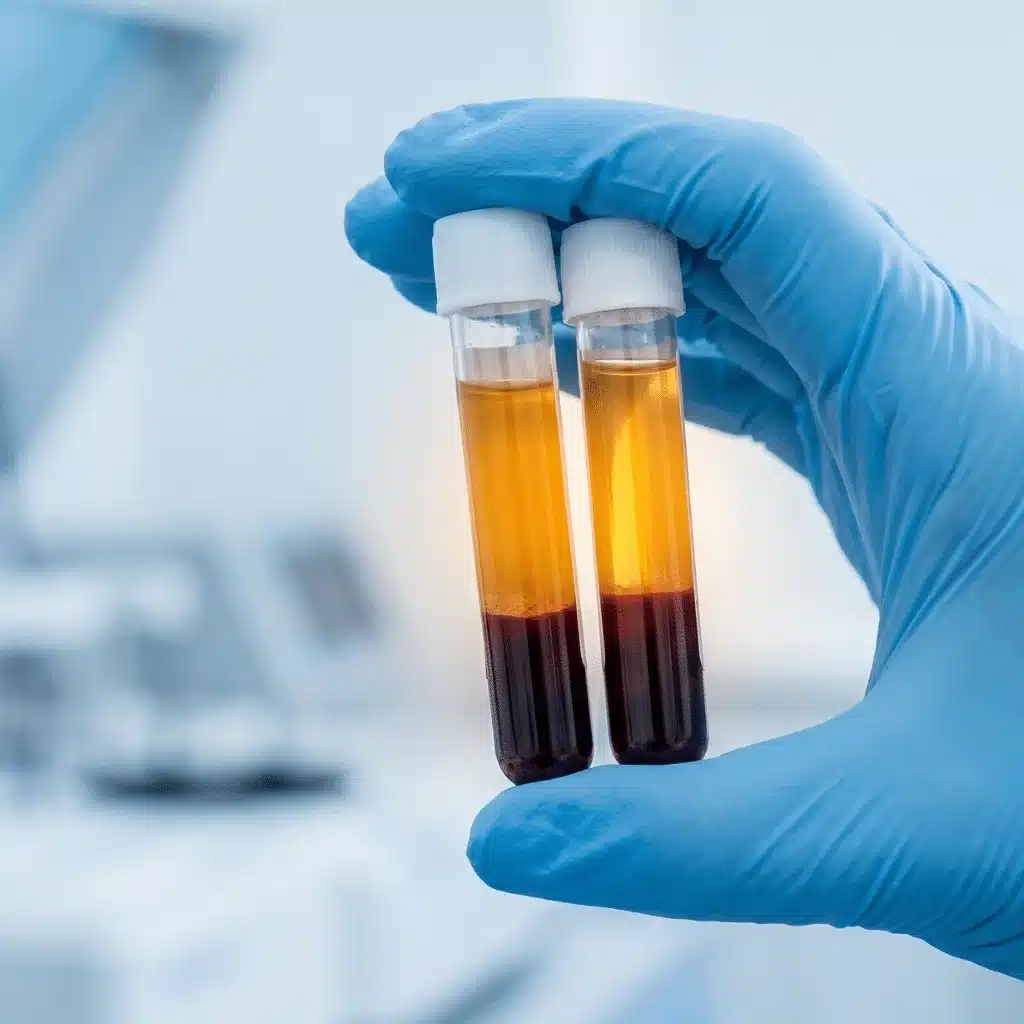
The role of growth factors in regenerative medicine: a clinical primer
Read the postPlatelet count is not the dose. A primer on the growth factors that do the work, why preparation…
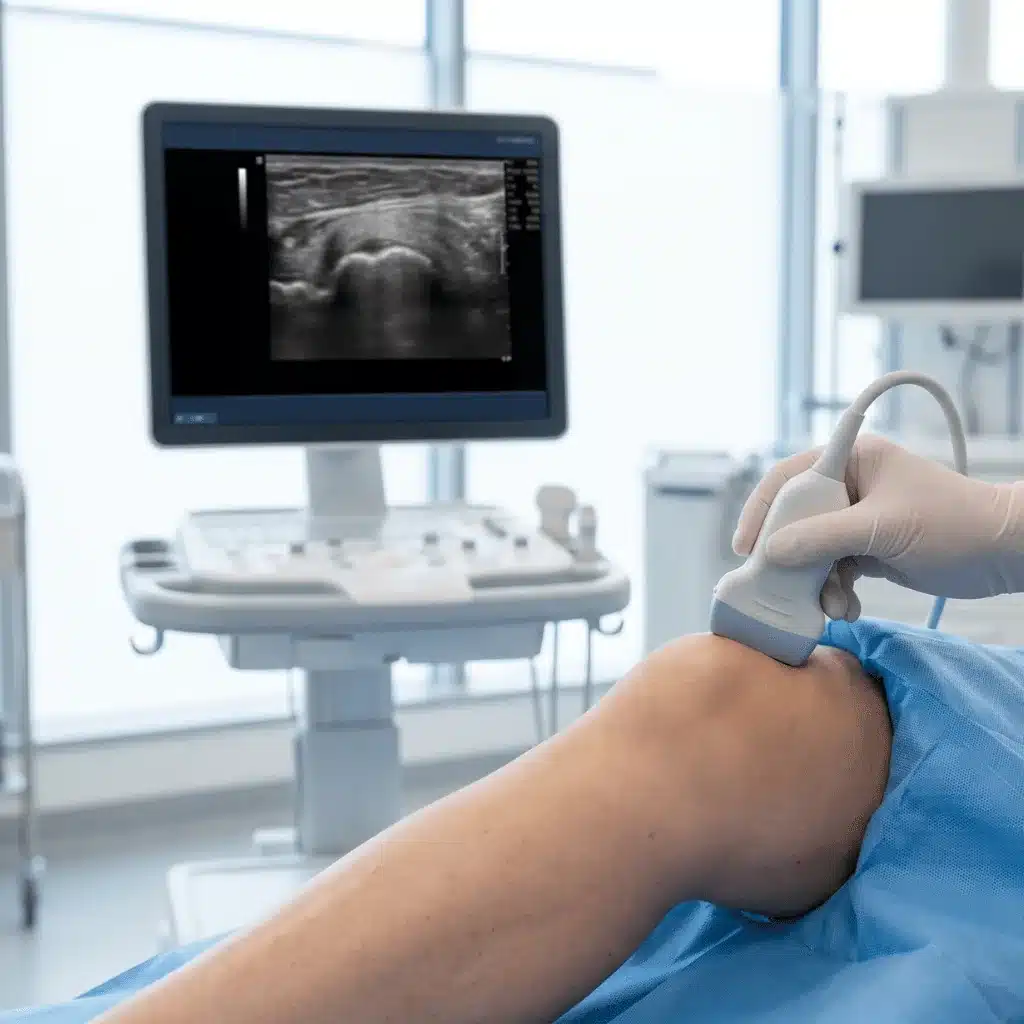
Ultrasound-guided injection techniques in regenerative medicine: why training matters
Read the postGuidance puts the needle where it belongs. It does not make you competent. What the accuracy evidence shows…
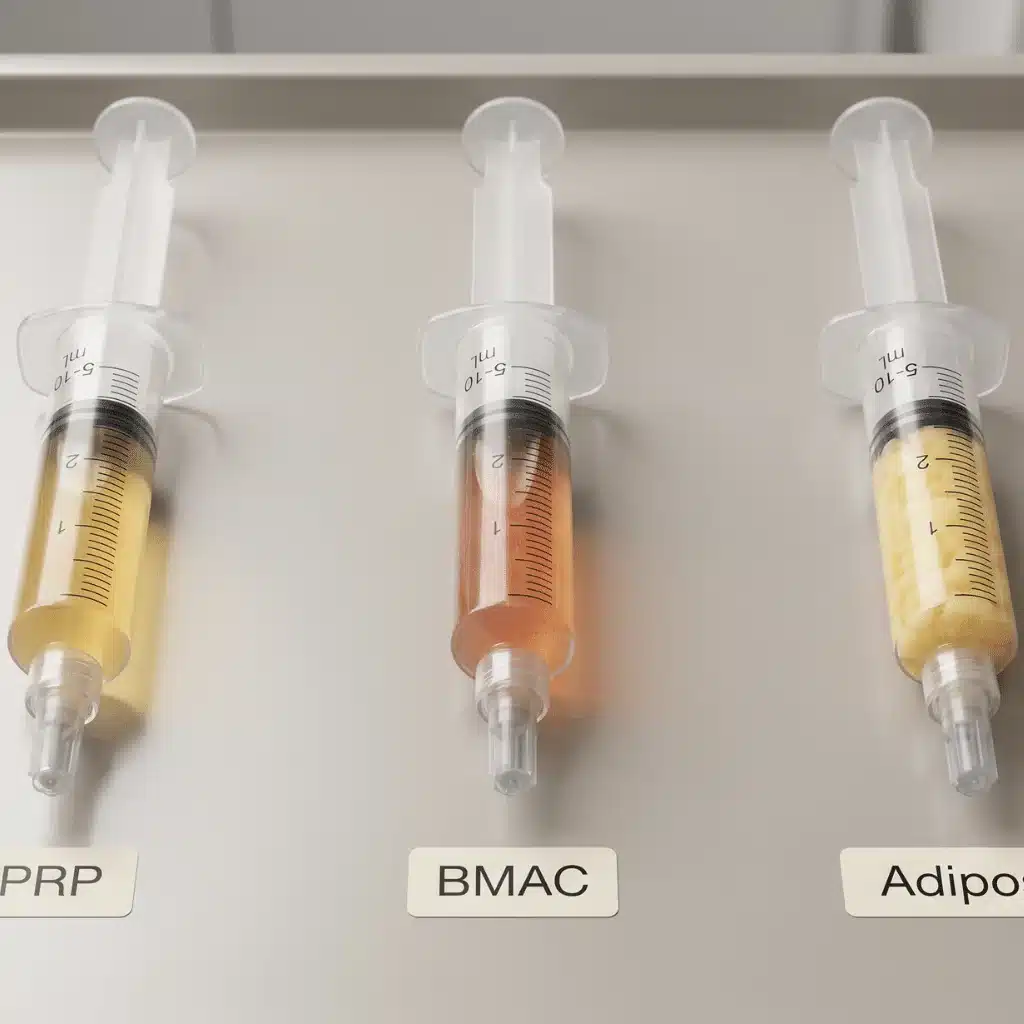
PRP vs. BMAC vs. adipose: comparing orthobiologic treatment options
Read the postPRP, BMAC and adipose are three different tools, not one product with three names. How to match modality…
Important information
Read this before you book.
Know what a course is not before you book. It won’t make you a specialist. It carries no CMEs, credit hours or accreditation, and it doesn’t cover your malpractice: you arrange that yourself. No one can promise you outcomes. It is education for licensed providers, not medical or legal advice, and some products and modalities discussed are not FDA approved or cleared for the uses discussed. The Certificate of Completion is not a license or a board certification, and it does not expand your scope of practice. Read the full notes.