
Where we train
Regenerative Medicine Training for Columbus Professionals
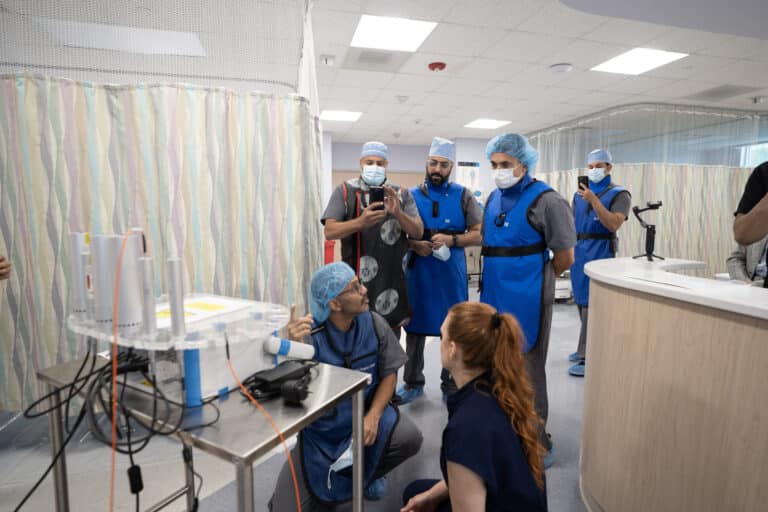
Regenerative medicine training in Columbus. You do the work. You don’t watch it. Licensed providers from anywhere in Ohio train privately with one instructor, on a consenting patient. And the room is a working practice: an instructor’s, or your own.

Live patients
Private training
Practicing clinicians
U.S. based, worldwide
Training in Columbus
Columbus sits in the middle of Ohio, so the providers who train here come from every direction: Franklin County suburbs like Dublin, Westerville, Worthington, Hilliard and Grove City, and the towns farther out, from Delaware and Marysville to Newark and Lancaster. Dayton is about an hour and a quarter west on I-70, and Mansfield is a little over an hour up I-71.
Training runs one of two ways. An instructor comes to your practice and works alongside you and your staff on your own equipment, with travel included in the quote. Or you come to an instructor’s own practice and train there. The room is private either way, the patient is a real, consenting one, and we agree the scope before you book.
Who can train? Anyone legally able to provide the treatment in Ohio, under the license they hold. Ohio law reads differently for each license, and the two sections below go through them one at a time, each with its source.

Local detail
Columbus at a glance.
How the instructor gets to central Ohio, the counties a Columbus session takes in, and the institutions you practice next to.
Getting here
When the course runs at your practice, the instructor flies into John Glenn Columbus International Airport (CMH) and drives to you from there. Travel and lodging come inside the quote.
The area a Columbus session covers
Franklin County and the ring around it: Delaware, Union, Madison, Pickaway, Fairfield and Licking counties. Think Dublin, Worthington, Westerville, Upper Arlington, Hilliard, Grove City, Gahanna, New Albany, Delaware, Marysville, Lancaster and Newark. Ohio has two more pages, Cleveland for the northeast and Cincinnati for the southwest, and the nearest pages outside the state are Indianapolis and Pittsburgh.
Ohio State and the Columbus systems
The Ohio State University College of Medicine opened in 1914, has more than 2,600 faculty members and 20 clinical departments, and calls itself a proud partner of the Ohio State Wexner Medical Center. OhioHealth, based in Columbus and serving its communities since 1891, describes itself as a not-for-profit, charitable healthcare outreach of the United Methodist Church. Mount Carmel Health System was established in 1886 by two sisters of the Congregation of the Sisters of the Holy Cross, and today runs five hospitals as part of Trinity Health.
Children's care and osteopathic training
Nationwide Children’s Hospital, whose commitment began in 1894, describes itself as an academic pediatric medical center, at 700 Childrens Drive in Columbus. The Ohio University Heritage College of Osteopathic Medicine runs a campus in Dublin, just off U.S. Route 33, with OhioHealth as its education partner for the site.
Worth knowing
Ohio State’s medical center traces its origin to 1834 and the Willoughby Medical University of Lake Erie, which moved to Columbus in 1846 and became Starling Medical College. Source
Ohio scope
What each Ohio license allows.
Your license sets what you can do hands on, in Ohio as in any state. Below is how the Ohio Revised Code reads for each license we train, as of October 2026, with the section linked. Take it as a starting point, not legal advice.
It is your responsibility to confirm the modality is legal in your state for your license. Do that before you book. The authority on your own scope is your licensing board, not us.
Physicians, MD and DO
The State Medical Board of Ohio issues the license to practice medicine and surgery, or osteopathic medicine and surgery. Source Ohio law counts as practicing medicine anyone who, for compensation, prescribes, recommends, administers or dispenses a drug, application, operation or treatment. Source When a physician hands a medical task to someone who is not licensed to perform it, the board’s delegation rules apply, and the law bars the board from letting physicians delegate anesthesia, controlled substances or drugs given intravenously, with narrow exceptions. Source
Nurse practitioners
Ohio has reduced practice for nurse practitioners, according to the AANP. Source A certified nurse practitioner may practice only under a standard care arrangement with each physician or podiatrist the nurse collaborates with. The arrangement has to set criteria for referral, a process for consultation, coverage for emergencies and planned absences, and a way to resolve disagreements over patient management. Source For a procedure you are unsure of, the Board of Nursing publishes an APRN Decision Making Model built for exactly that question.
Physician assistants
The State Medical Board of Ohio also licenses physician assistants. Source Before supervising, a physician must enter into a supervision agreement with each physician assistant, signed by both, stating that the supervising physician is legally responsible and assumes legal liability for the physician assistant’s services. Source A physician assistant may perform the services the supervising physician authorizes that are part of that physician’s normal course of practice and expertise, including assisting in surgical procedures and, with delegated prescriptive authority, administering drugs. Source
Registered nurses
Ohio’s Nurse Practice Act includes this in the practice of nursing as a registered nurse: “Administering medications, treatments, and executing regimens authorized by an individual who is authorized to practice in this state and is acting within the course of the individual’s professional practice.” Source How we read it: an RN’s part in a procedure starts from an order by an authorized practitioner. For anything in between, the Board of Nursing’s RN and LPN Decision Making Model is there to decide whether a specific procedure is within an RN’s scope.
Chiropractors
The Ohio State Chiropractic Board licenses chiropractors. Ohio law says the practice of chiropractic does not permit a chiropractor to perform surgery, to prescribe drugs, or to administer any drug, including a dangerous drug, beyond the vitamins, botanicals, nonprescription drugs and similar items the statute lists. Source How we read it: an injection course raises questions under that section that only the board can answer. Put the question to the board in writing before you book.
Physical therapists
The Ohio Occupational Therapy, Physical Therapy, and Athletic Trainers Board regulates physical therapy. Ohio defines physical therapy as evaluation and treatment by physical measures, therapeutic exercises and rehabilitative procedures. The definition takes in administering topical drugs prescribed by a licensed health professional authorized to prescribe them, and leaves out the use of electricity for cauterization or other surgical purposes. Injected drugs are not in it. Source Check an injection course against your scope with the board first.
Ohio law
The Ohio rules that touch regenerative medicine.
State law in this field changes, sometimes more than once a year. Our reading of each state, with its sources and the date we checked, is on the rules by state page. It is a starting point, not legal advice.
Stem cell and regenerative products
We found no Ohio law written specifically for stem cell products when we last checked, in September 2026. That leaves the license rules above and the federal rules below. If a question about a particular product comes up, take it to the State Medical Board of Ohio. Our reading is on the rules by state page.
Right to Try (2017)
Ohio’s Right to Try law took effect April 6, 2017, through House Bill 290, and was amended in 2020. It covers an investigational drug, product or device that has completed phase one of FDA clinical trials and remains under clinical investigation, but is not approved for general use. Schedule I controlled substances are excluded. The patient must have a terminal condition, as determined by the treating physician and one other physician who has examined the patient, and must have considered all FDA approved treatment options. Consent is given in a signed statement, signed in the presence of a competent witness. A terminal condition here means a progressive cancer, a progressive neurological or musculoskeletal disorder, or a condition likely to cause death within twelve months, if it is irreversible, incurable and not treatable by an FDA approved method. Source
Federal rules still apply
Ohio law sits on top of federal law, not in place of it. The FDA’s rules for human cells, tissues, and cellular and tissue-based products apply in every state. Our summary is in the federal section of the rules by state page.
Formats and pricing
Two ways to train in Columbus, and both are private.
The hands-on work with a consenting patient is the same either way. What changes is whose room it is, and who from your practice is in it. Both prices are starting points: the quote depends on the course, how many people are training and how much of the curriculum is built around you.
At an instructor location
From $5,000
You come to us, at an instructor’s own working practice.
At your own practice
From $10,000
We come to you, anywhere in Ohio, with the instructor’s travel and lodging inside the quote. What on-site training includes.
Cancel or refund any time up to thirty days out. Inside thirty days, no refund.
On a refund, covering card processing and office costs.
To move your date, covering the travel that moves with it.
Questions about dates, format or fit? Talk to us.
Training courses we offer
Every course runs in Columbus.
The hands-on day is in person, at an instructor’s practice or inside yours.
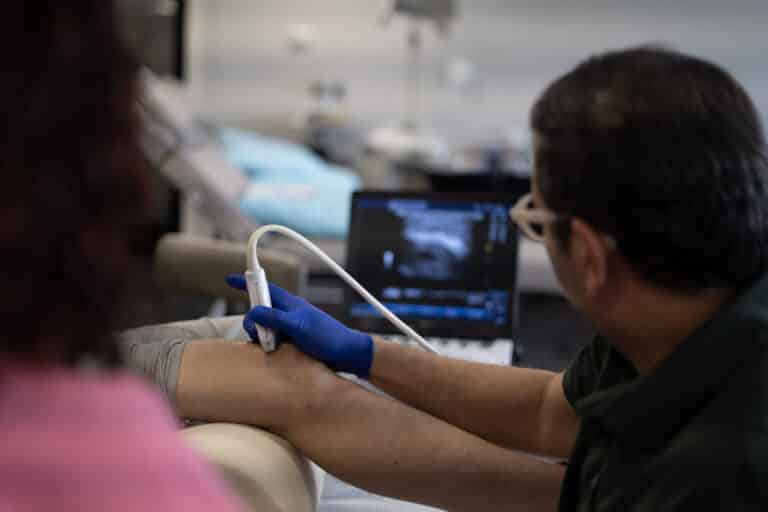
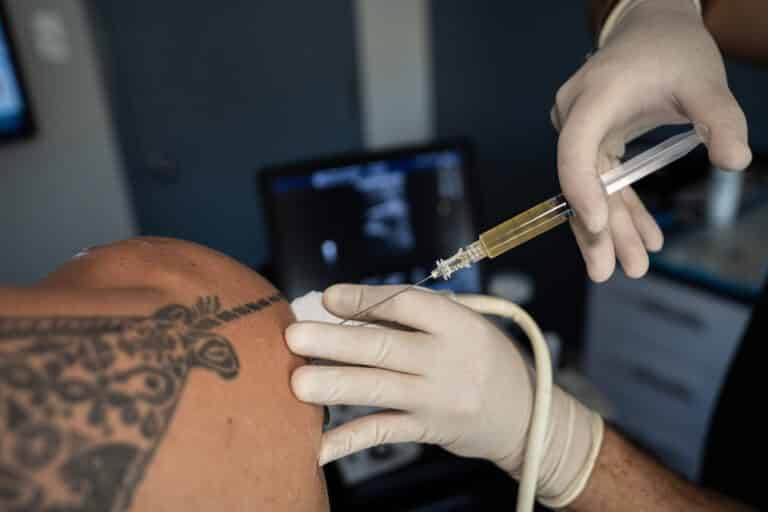
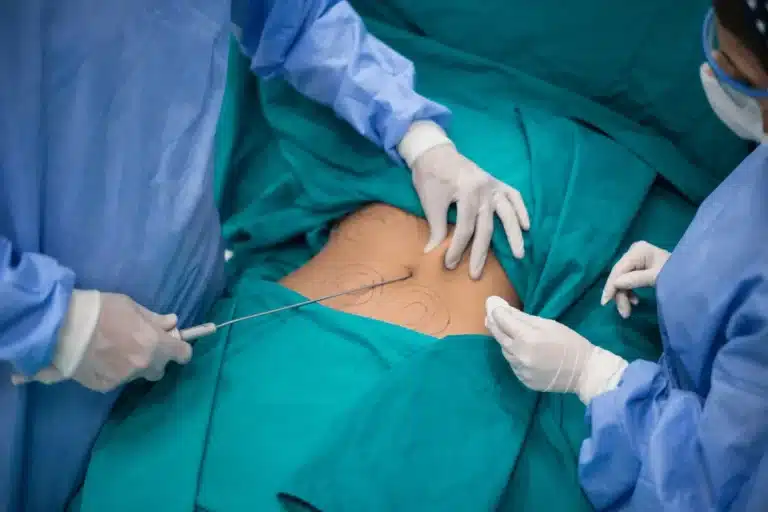
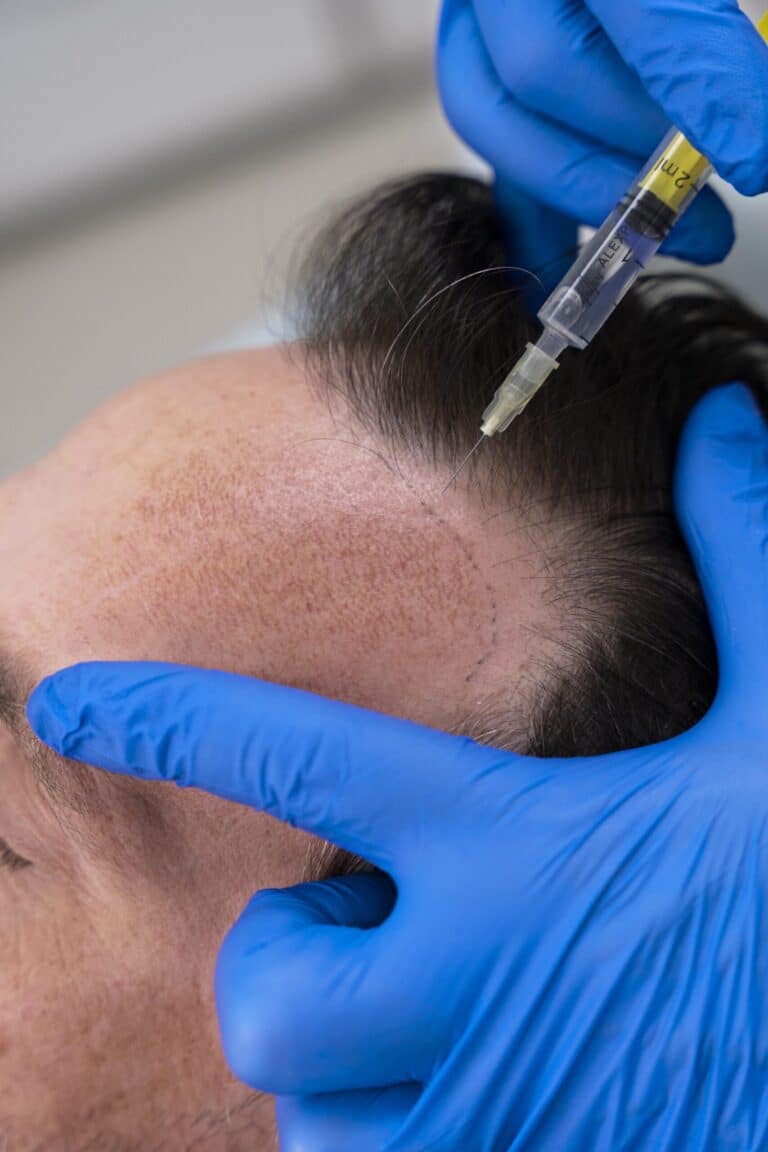




Common questions
What Columbus providers ask before they book.
How much does training in Columbus cost?
Training inside your own practice in Columbus starts at $10,000, with the instructor's travel and lodging included. Training at an instructor's location starts at $5,000. Both are starting points. The quote depends on the discipline, the instructor, how many people are training and how much of the curriculum is built around you.
Does Ohio have a law written for stem cell therapy?
We found no Ohio law written specifically for stem cell products when we last checked, in September 2026. What governs instead is your license, read through the scope rows above, and the federal FDA rules for human cells and tissues. Ohio's Right to Try law covers a narrow case: investigational products for a patient with a terminal condition. Our reading, with its sources, is on the rules by state page.
Can an Ohio NP or PA do the hands-on part?
Within your Ohio scope, yes. A nurse practitioner works under a standard care arrangement with each collaborating physician or podiatrist. A physician assistant works under a supervision agreement and performs what the supervising physician authorizes within that physician's normal practice. Bring the arrangement or agreement when we plan the session, and we build the hands-on plan around it before you book.
I'm not licensed in Ohio. Can I train in Columbus?
Yes, and the plan follows your license. Training inside your own practice runs under the license you already hold where you practice. Training at an instructor's location in Ohio is different: what you do hands on there depends on your Ohio licensure. Raise it when you request a date and we settle it with you before you book.
Request a date now
Tell us about your practice and when you'd like to train.
Ready to add PRP or another regenerative procedure in Columbus? A few quick questions, one screen at a time. Nothing here commits you to a date. A person reads every request and calls you back within one business day.
From the blog
Read it here, then do it in a course.
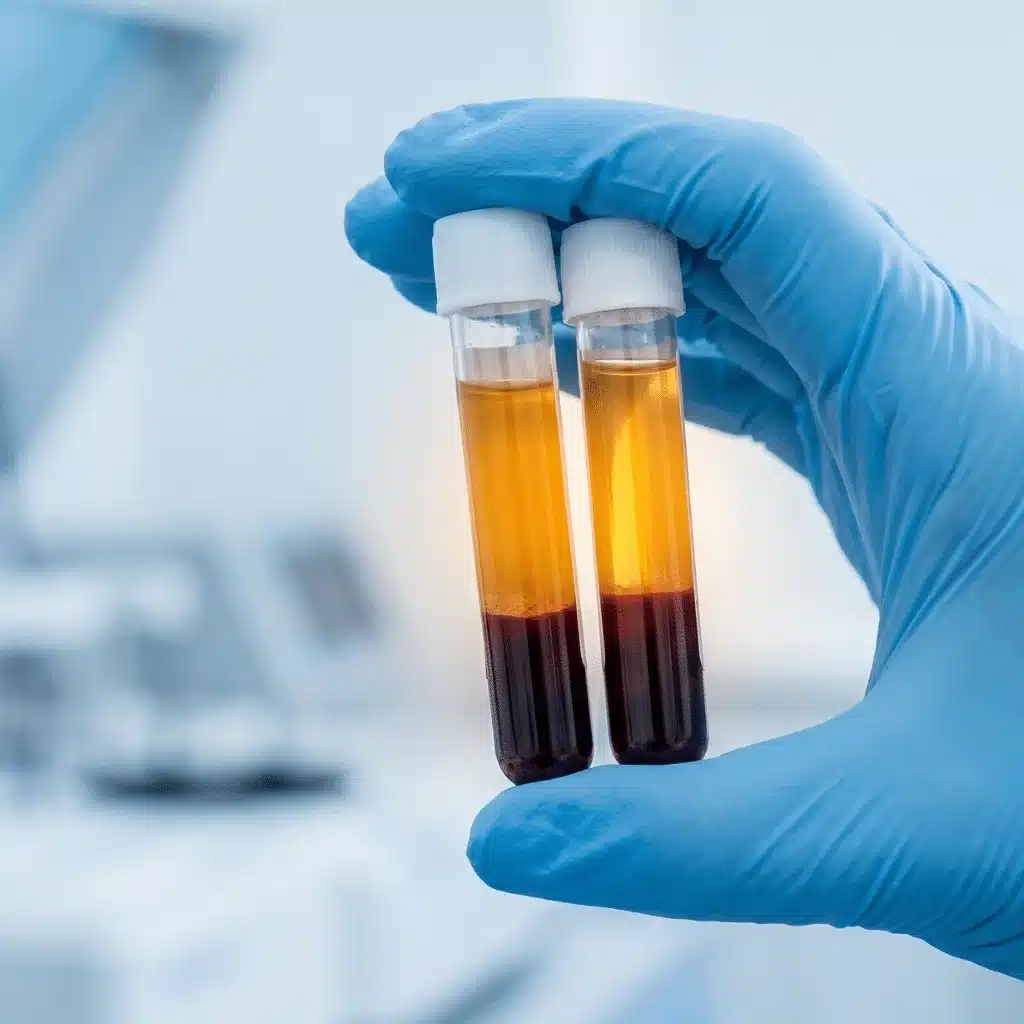
The role of growth factors in regenerative medicine: a clinical primer
Read the postPlatelet count is not the dose. A primer on the growth factors that do the work, why preparation…
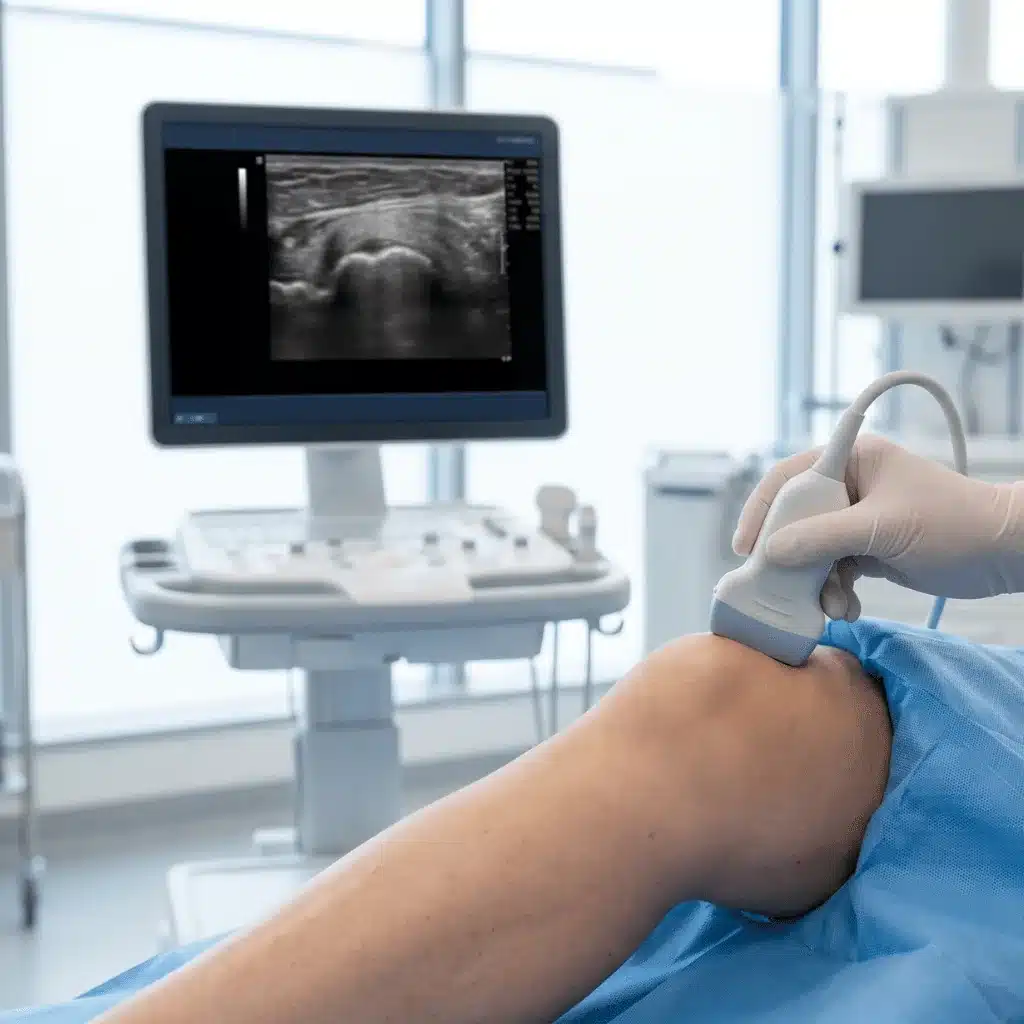
Ultrasound-guided injection techniques in regenerative medicine: why training matters
Read the postGuidance puts the needle where it belongs. It does not make you competent. What the accuracy evidence shows…
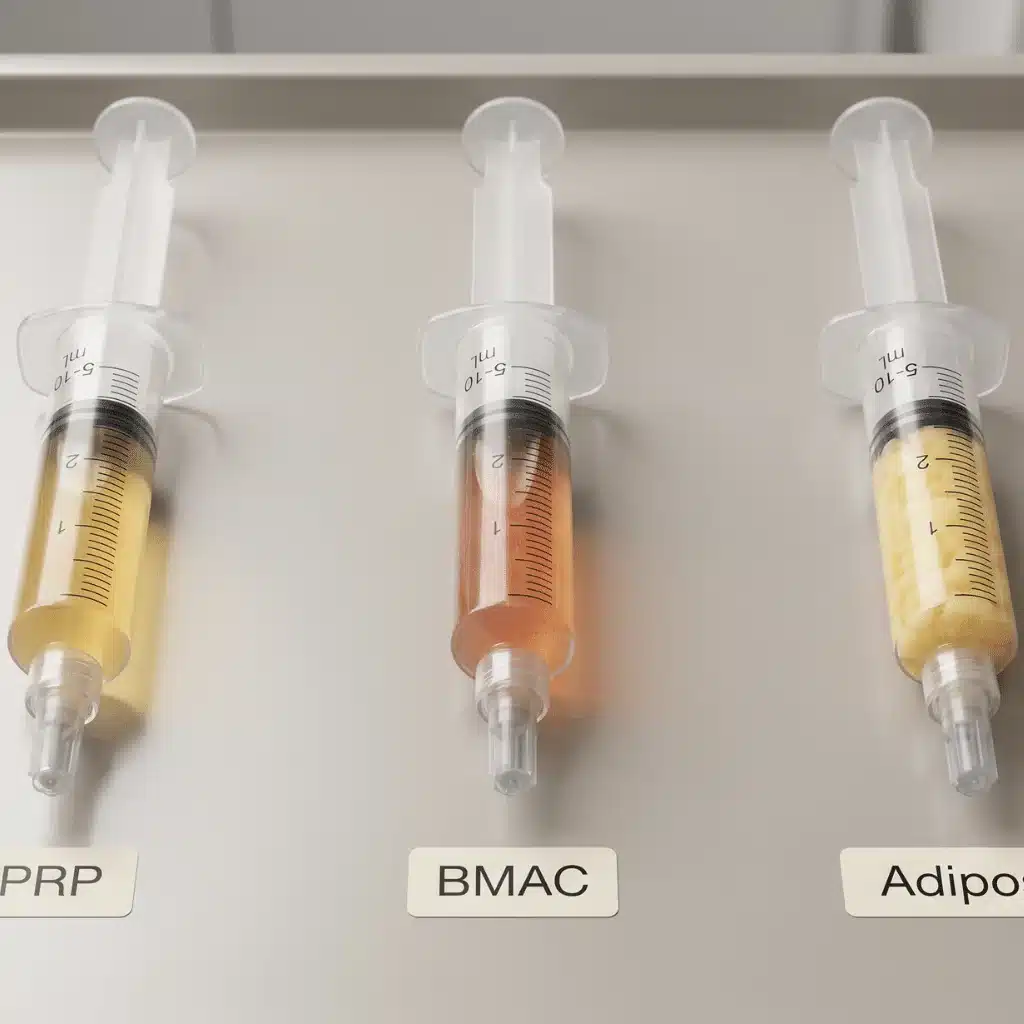
PRP vs. BMAC vs. adipose: comparing orthobiologic treatment options
Read the postPRP, BMAC and adipose are three different tools, not one product with three names. How to match modality…
Important information
Read this before you book.
Know what a course is not before you book. It won’t make you a specialist. It carries no CMEs, credit hours or accreditation, and it doesn’t cover your malpractice: you arrange that yourself. No one can promise you outcomes. It is education for licensed providers, not medical or legal advice, and some products and modalities discussed are not FDA approved or cleared for the uses discussed. The Certificate of Completion is not a license or a board certification, and it does not expand your scope of practice. Read the full notes.