
Where we train
Regenerative Medicine Training in San Francisco, California
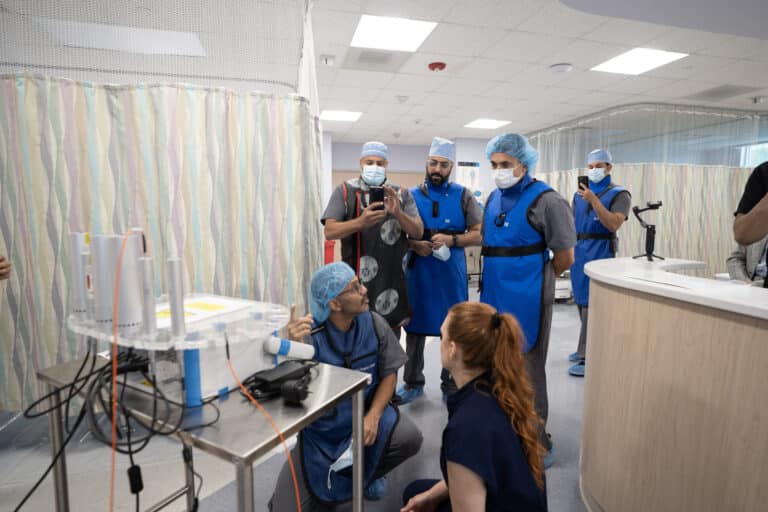
PRP and regenerative medicine training for licensed providers in San Francisco and across California. It’s private and hands-on, on a live consenting patient.

Live patients
Private training
Practicing clinicians
U.S. based, worldwide
Training in San Francisco
Bay Area providers practice in the city itself, down the Peninsula through San Mateo and Palo Alto to San Jose and the South Bay, across the Bay Bridge in Oakland, Berkeley and Walnut Creek, and north in Marin. Santa Rosa is about an hour and a quarter up 101 from the Golden Gate, and Sacramento is around two hours east, depending on the bridges.
Choose where the work happens. An instructor can come to your practice and train your team on your own equipment and patients, travel inside the quote. Or you can train at an instructor’s own working practice. It is private either way, with a real, consenting patient and a scope agreed before you book.
Who can train? Anyone legally able to provide the treatment in California. The license you hold is what decides it, and the California section below sums up the state’s rules in brief and links to the full reading for each license, sources included.

Local detail
San Francisco at a glance.
Which Bay Area airport the instructor uses, the counties a San Francisco session covers, and the academic medicine around the Bay.
Getting here
The instructor flies into San Francisco International Airport (SFO), Oakland San Francisco Bay Airport (OAK) or San José Mineta International Airport (SJC), whichever is nearest your practice. For the East Bay that is often Oakland, and for the South Bay, San José. Travel and lodging sit inside the quote.
The area a San Francisco session covers
San Francisco, San Mateo, Santa Clara, Alameda, Contra Costa, Marin and Sonoma counties: San Francisco, Daly City, San Mateo, Palo Alto, Mountain View, San Jose, Oakland, Berkeley, Fremont, Walnut Creek, San Rafael and Santa Rosa. Sacramento Valley practices are on the Sacramento page, and Southern California has Los Angeles and San Diego.
UCSF and the city's trauma center
The UCSF School of Medicine traces its roots to Toland Medical College, founded in San Francisco in 1864, and moved to Parnassus Heights in 1898. UCSF Health runs hospitals and clinics on its Parnassus, Mount Zion and Mission Bay campuses. Zuckerberg San Francisco General Hospital and Trauma Center describes itself as a community hospital and the only Level 1 trauma center in San Francisco and northern San Mateo.
The Peninsula and the East Bay
Stanford Medicine brings together the Stanford School of Medicine, Stanford Health Care and Stanford Children’s Health. Across the Bay, Kaiser Permanente, founded in 1945 and headquartered in Oakland, describes itself as one of the nation’s largest not-for-profit health plans.
The market
The Bay Area in numbers.
A San Francisco session can be in any of seven counties, so these figures cover the city and the counties around the bay. Each one links to the public page it comes from.
A city and a county on 47 square miles
San Francisco is both at once: its Board of Supervisors is, in the city’s words, “the legislative branch of the City and County of San Francisco.” Source The Census Bureau’s July 2025 estimate counts 826,079 residents on 46.91 square miles of land, and its 2020 density figure is 18,629.1 people per square mile, against 1,704.0 in San Mateo County down the Peninsula. Source Source
The fourth largest county in its own market
Of the seven counties a San Francisco session covers, San Francisco is fourth by population. The July 2025 estimates are Santa Clara 1,914,391, Alameda 1,636,630, Contra Costa 1,170,070, San Francisco 826,079, San Mateo 743,568, Sonoma 486,444 and Marin 253,694. Added up, that is 7,030,876 residents on about 5,337 square miles of land.
Few children in the city
Just 13.1 percent of San Francisco residents are under 18, against 21.1 percent nationally, while the 18.8 percent aged 65 or older nearly matches the national 18.9. Source Source That leaves about 68 percent of the city aged 18 to 64, where the country has 60. North of the Golden Gate it tilts the other way: 25.7 percent of Marin residents and 24.2 percent of Sonoma residents are 65 or older. Source Source These are residents, not patients.
Where a third or more were born abroad
In San Francisco, 34.0 percent of residents are foreign born, and 43.6 percent of people 5 and older speak a language other than English at home. Source Santa Clara County is higher on both, at 41.5 and 55.2 percent. Source San Mateo and Alameda are at 35.7 and 34.7 percent born abroad. Source Source All cover 2020 to 2024; the national figures are 14.1 and 22.3 percent. Source
Physicians, county by county
County by county, the Medical Board of California’s annual report for 2024/25 lists these numbers of physicians and surgeons holding a renewed and current license: Santa Clara 9,895, San Francisco 8,038, Alameda 5,752, Contra Costa 3,791, San Mateo 3,380, Marin 1,567 and Sonoma 1,522. Source Together that is 33,945, about 27 percent of the 126,925 with a California address.
Medical societies drawn on county lines
The San Francisco Marin Medical Society, created in 2017 from a San Francisco society founded in 1868 and a Marin society founded in 1898, reports more than 3,000 members. The Santa Clara County Medical Association, founded in 1876, says it represents over 4,800 physicians. The Alameda-Contra Costa Medical Association traces its start to seven physicians who met in the Alameda County Courthouse in San Leandro on August 18, 1860.
Nine counties to the planners, seven on this page
The Metropolitan Transportation Commission plans for a nine-county Bay Area that it describes as home to 101 cities and 7.7 million residents. This page lists seven of the nine, all but Napa and Solano. As the Bay Area Toll Authority, it collects tolls on the region’s seven state-owned toll bridges: water sits between a practice in the city and one in Oakland. Source
Offices by type, and where they sit
In the Census Bureau’s County Business Patterns county file for 2023, San Francisco has 621 offices of physicians, 96 offices of chiropractors and 154 offices of physical, occupational and speech therapists and audiologists, a category the Census does not split. Source Santa Clara County has 1,139 physician offices, Alameda 789, Contra Costa 632, San Mateo 405, Marin 255 and Sonoma 245: 4,086 across the seven counties. The city is second of the seven in licensed physicians earlier in this section, and fourth in physician offices. Each is a business location with paid employees, so the list counts offices and not clinicians.
Local rules
What the City and County of San Francisco asks of a practice.
What each license may do is the state’s decision, covered in the California section below. This section is the business side, as of October 2026. San Francisco is a city and a county with one set of offices. Elsewhere around the bay a practice has a city hall and a county, so we name those too. This is a starting point and not legal advice, and the office named in each row is where to confirm it.
Registering with the Treasurer
The Office of the Treasurer and Tax Collector says San Francisco’s Business and Tax Regulations generally require that every person engaging in business within the City must register, and renew every year. Source The page sets a deadline in days from when you commence business; take the current number from the office.
Outside the city limits
Outside San Francisco, look to the city you are in. San Jose’s Finance Department says, “Every person or company conducting business in San José must register for a Business Tax Certificate.” Source Oakland says anyone who conducts business in the City of Oakland is required to file and pay an annual business tax. Source In any other city, start at its city hall.
A practice name that is not the owner's
San Francisco’s Office of the County Clerk lists fictitious business names among the things it issues, and its statement form says the filing goes to the county clerk of the county in which the registrant has its principal place of business. Source How we read it: a city practice files here, and one in Oakland, San Mateo or San Rafael files with its own county’s clerk.
A new use for a space
The city’s page on commercial construction says changes of use depend on the zoning district and any other Special Use District overlays, and that all tenant improvements require building permits. Source How we read it: whether a suite can become a medical office is a zoning question to put to the city before the build-out.
Medical waste in the city
Medical waste in the other six counties
Each runs its own program. San Mateo County says businesses there must register regardless of the volume or frequency of medical waste generated. Contra Costa Health‘s Environmental Health division and Alameda County‘s Environmental Health Department each describe themselves as the local enforcement agency. Santa Clara County‘s Environmental Health says it implements the Medical Waste Management Act. In Marin the office is Environmental Health Services, and in Sonoma the Department of Health Services.
California rules
California scope and law, in brief.
This is the short version as of October 2026, a starting point and not legal advice. The full reading, license by license with each code section linked, is in the California scope and law sections on our Los Angeles page, and our summary is on the rules by state page.
It is your responsibility to confirm the modality is legal in your state for your license. Do that before you book. The authority on your own scope is your licensing board, not us.
Physicians, NPs and PAs
How we read section 2051: the hands-on work we teach sits inside a physician’s license. Source California has restricted practice for nurse practitioners, according to the AANP. Source An NP works under standardized procedures with a supervising physician, Source unless qualified as a 103 or 104 NP under AB 890, which can work without them in the settings the law allows. Source A PA works under physician supervision and a practice agreement. Source
RNs, chiropractors and physical therapists
How we read the Nursing Practice Act: an RN’s part starts from an order inside the ordering practitioner’s scope. Source How we read the chiropractic regulations: the injection work in our courses sits outside a California chiropractic license. Source Put the question to the board in writing before you book. How we read the physical therapy code: injections are outside a California PT license. Source
Stem cell laws
A practitioner who performs a stem cell therapy that is subject to FDA regulation but not FDA approved must give patients a set notice, posted and in writing. Source Section 684 does not mention platelet-rich plasma. Whether your product or procedure is covered is a call for your counsel and your board. A tissue bank operating in California must hold a current state license. Source The FDA’s rules apply in every state.
Formats and pricing
Two ways to train in San Francisco, and both are private.
The hands-on work with a consenting patient is the same either way. What changes is whose room it is, and who from your practice is in it. Both prices are starting points: the quote depends on the course, how many people are training and how much of the curriculum is built around you.
At an instructor location
From $5,000
You come to us, at an instructor’s own working practice.
At your own practice
From $10,000
We come to you, anywhere in California, with the instructor’s travel and lodging inside the quote. What on-site training includes.
Cancel or refund any time up to thirty days out. Inside thirty days, no refund.
On a refund, covering card processing and office costs.
To move your date, covering the travel that moves with it.
Questions about dates, format or fit? Talk to us.
Training courses we offer
Every course runs in San Francisco.
The hands-on day is in person, at an instructor’s practice or inside yours.
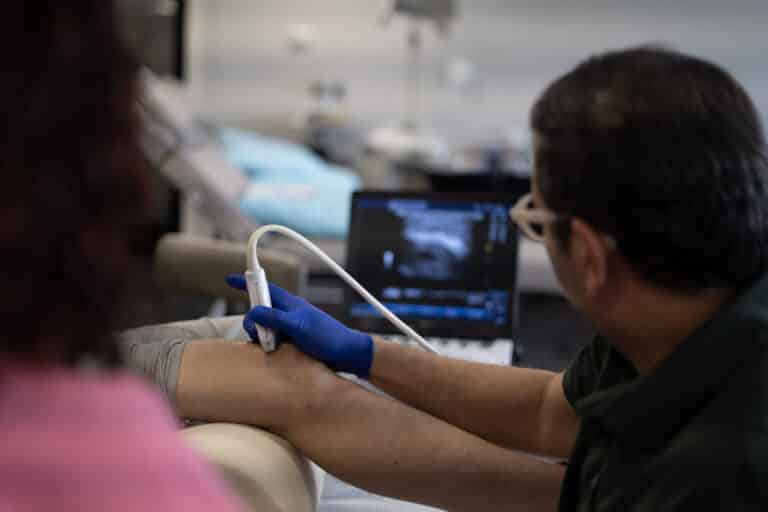
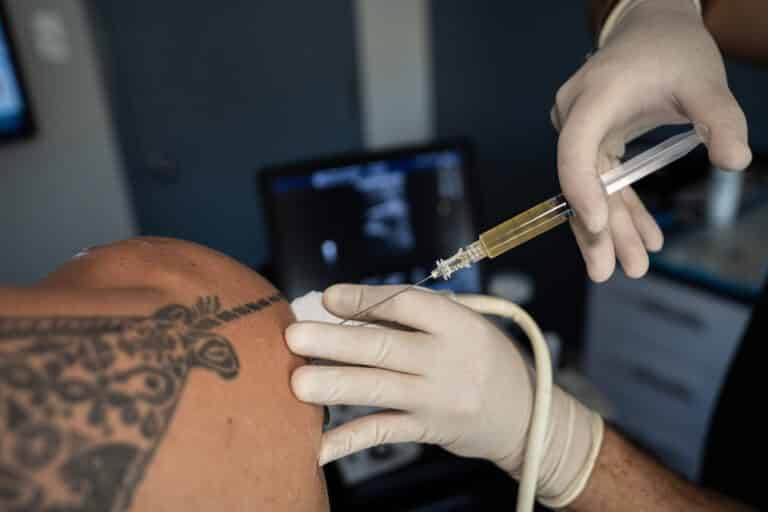
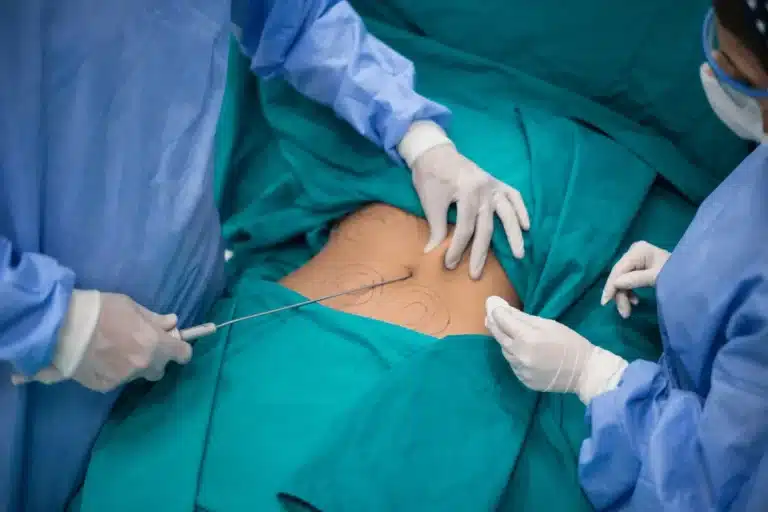
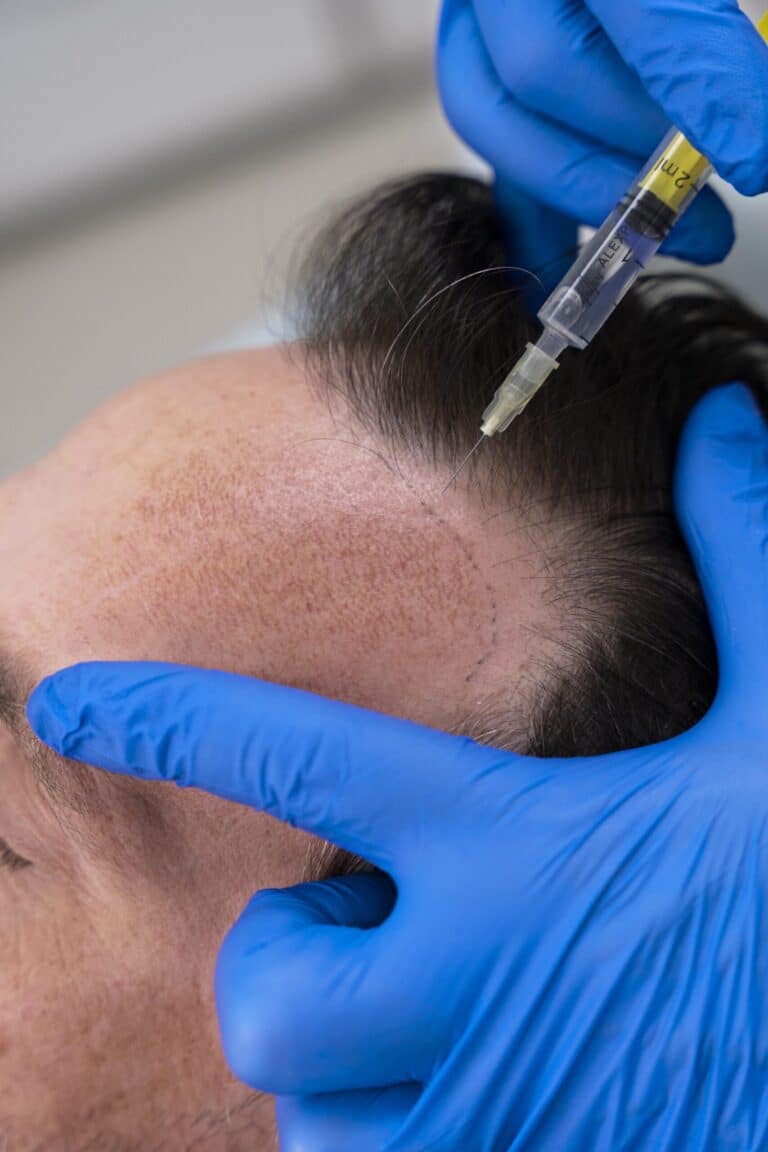
Common questions
What San Francisco providers ask before they book.
How much does training in San Francisco cost?
Training inside your own practice in San Francisco starts at $10,000, with the instructor's travel and lodging included. Training at an instructor's location starts at $5,000. Both are starting points. The quote depends on the discipline, the instructor, how many people are training and how much of the curriculum is built around you.
My practice is in San Jose or Walnut Creek, not in the city. Is this still my page?
Yes. A San Francisco session covers San Francisco, San Mateo, Santa Clara, Alameda, Contra Costa, Marin and Sonoma counties. Santa Clara County alone has 1,914,391 residents by the Census Bureau's July 2025 estimate, more than twice the city's 826,079. Source Source Send the address with your date request and the plan starts there.
Which of the three Bay Area airports does the instructor use?
The one nearest your practice: San Francisco International (SFO), Oakland (OAK) or San José Mineta (SJC). Oakland's airport describes itself as "25 minutes from downtown San Francisco in the heart of the Bay Area," Source and San José's as "located in the heart of Silicon Valley." Source Whichever one it is, travel and lodging for the instructor are already in the quote.
Are the rules in San Francisco any different from the rest of California?
No. San Francisco is a city and a county, but the licenses we train are issued by California's state boards, and scope of practice and the laws on stem cell notices and tissue banks are set by the state. They are the same in the city as in Oakland, San Jose or Los Angeles. The California section above carries the short version, and the full reading, one license after another, lives on our Los Angeles page.
My office in the city is small. Does the session have to happen there?
No. There are two ways to train, and only one of them uses your rooms. The instructor can come to your practice, or you can go to an instructor's own working practice and train there. Either way it is a private session, and the plan is agreed before you book. Space is a fair thing to raise in a county the Census Bureau measured at 18,629.1 residents per square mile in 2020, Source so say so when you request a date.
I'm not licensed in California. Can I train in San Francisco?
Say so when you request a date. When the instructor comes to you, you train in your own practice, under the license you hold there. When you come to an instructor's location in California, your California licensure decides what you do hands on, and we agree that plan with you before you book.
Request a date now
Tell us about your practice and when you'd like to train.
Ready to add PRP or another regenerative procedure in San Francisco? A few quick questions, one screen at a time. Nothing here commits you to a date. A person reads every request and calls you back within one business day.
From the blog
Read it here, then do it in a course.
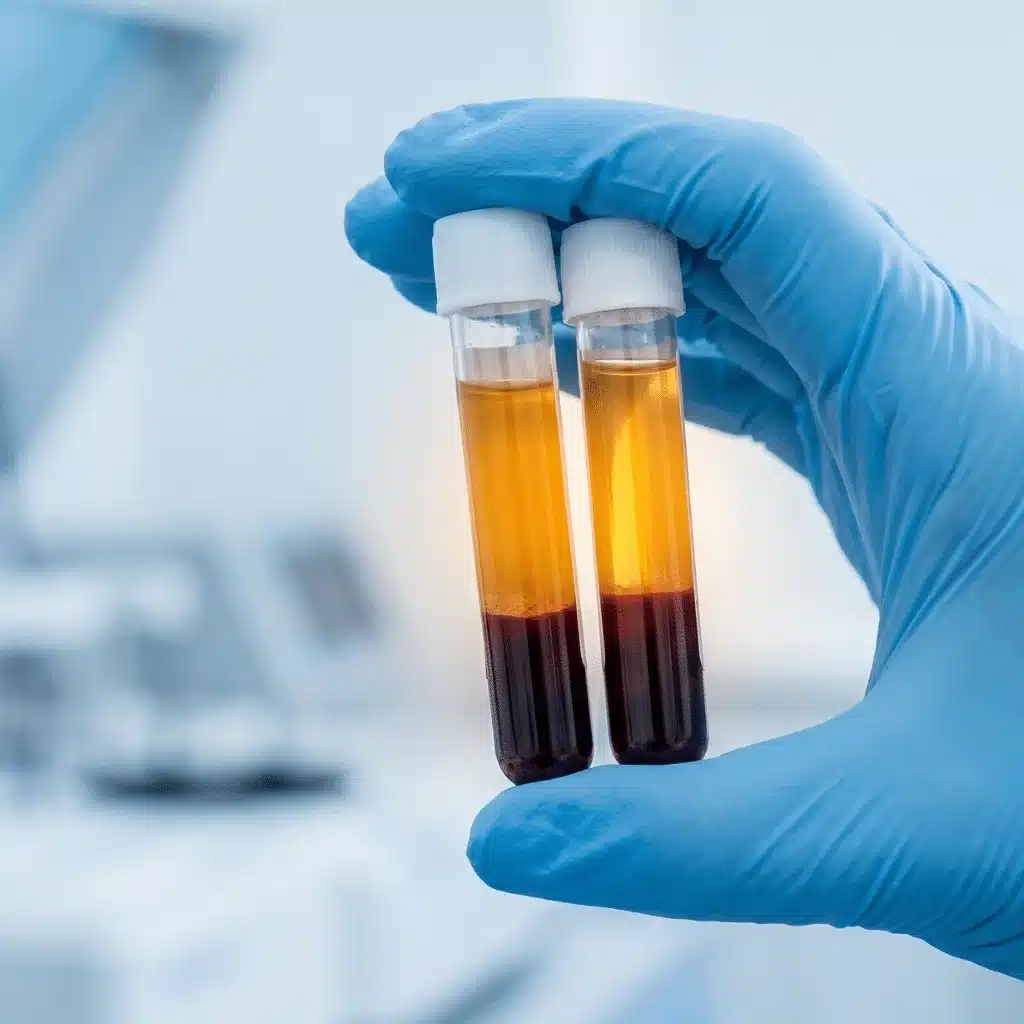
The role of growth factors in regenerative medicine: a clinical primer
Read the postPlatelet count is not the dose. A primer on the growth factors that do the work, why preparation…
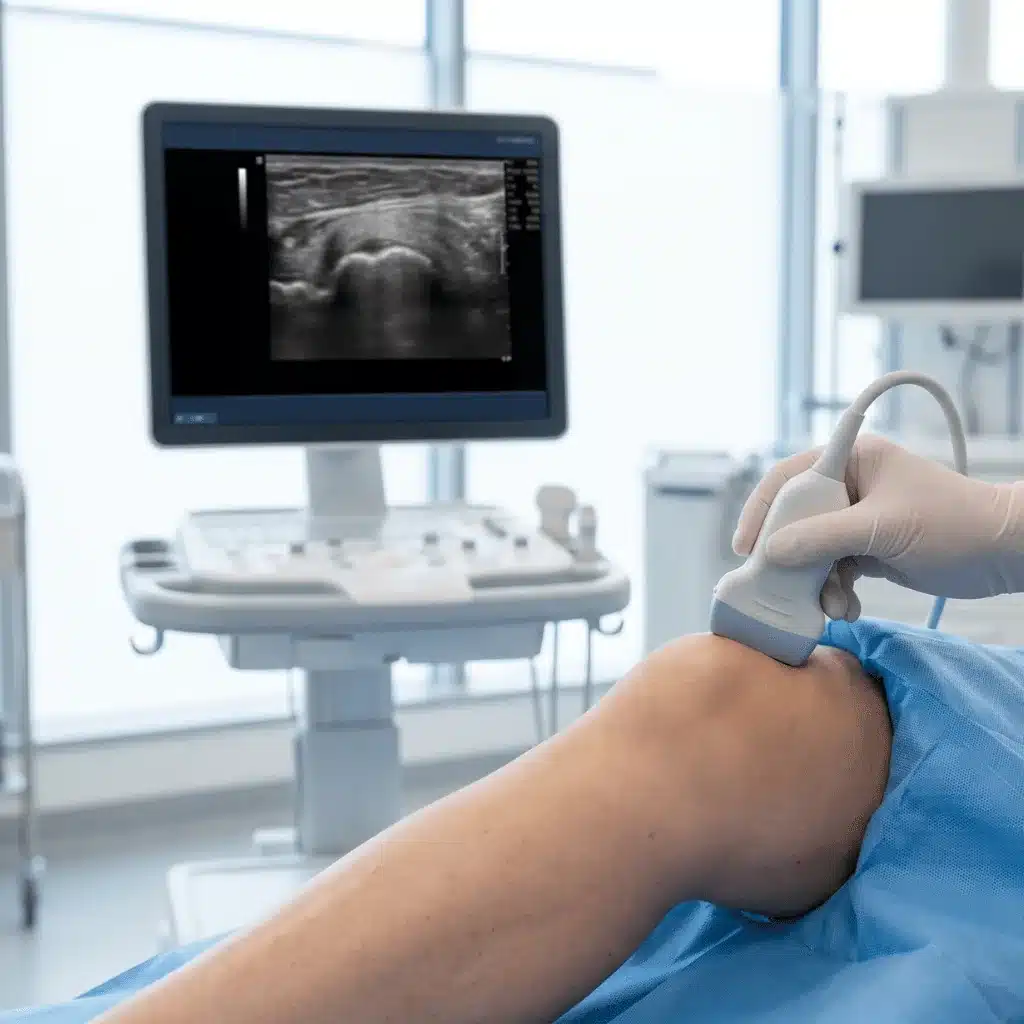
Ultrasound-guided injection techniques in regenerative medicine: why training matters
Read the postGuidance puts the needle where it belongs. It does not make you competent. What the accuracy evidence shows…
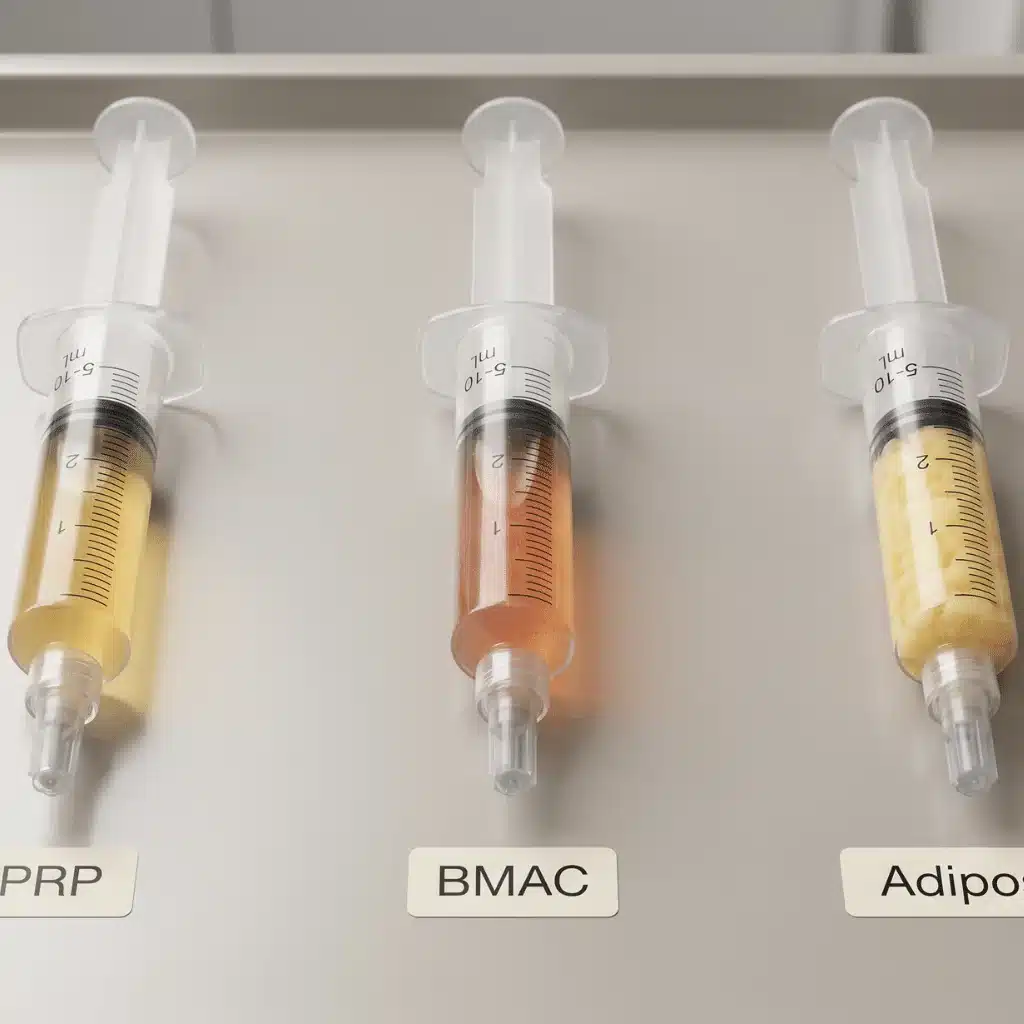
PRP vs. BMAC vs. adipose: comparing orthobiologic treatment options
Read the postPRP, BMAC and adipose are three different tools, not one product with three names. How to match modality…
Important information
Read this before you book.
Know what a course is not before you book. It won’t make you a specialist. It carries no CMEs, credit hours or accreditation, and it doesn’t cover your malpractice: you arrange that yourself. No one can promise you outcomes. It is education for licensed providers, not medical or legal advice, and some products and modalities discussed are not FDA approved or cleared for the uses discussed. The Certificate of Completion is not a license or a board certification, and it does not expand your scope of practice. Read the full notes.