
Where we train
Regenerative Medicine Training in San Juan, Puerto Rico
PRP and regenerative medicine training for licensed providers in San Juan and across Puerto Rico. It’s private and hands-on, on a live consenting patient.

Live patients
Private training
Practicing clinicians
U.S. based, worldwide
Training in San Juan
Providers who would train here practice across the San Juan metro and the rest of the island. Bayamón, Guaynabo, Carolina and Trujillo Alto make up the metro with San Juan itself, and Caguas is about half an hour south on PR-52. The same expressway reaches Ponce, on the south coast, in about an hour and a half from San Juan. Mayagüez and the west coast are a longer drive across the island.
Training happens in one of two ways. The instructor travels to Puerto Rico and works with you and your staff inside your own practice, on your equipment, with travel and lodging covered in the quote. Or you go to an instructor’s own working practice. In both, the session is private, you work with a real patient who has consented, and we agree the scope before you book.
Who can train? Anyone legally able to provide the treatment in Puerto Rico. That depends on your license, and Puerto Rico’s laws handle each license differently. The two sections below set it out, with the law behind every line.
Local detail
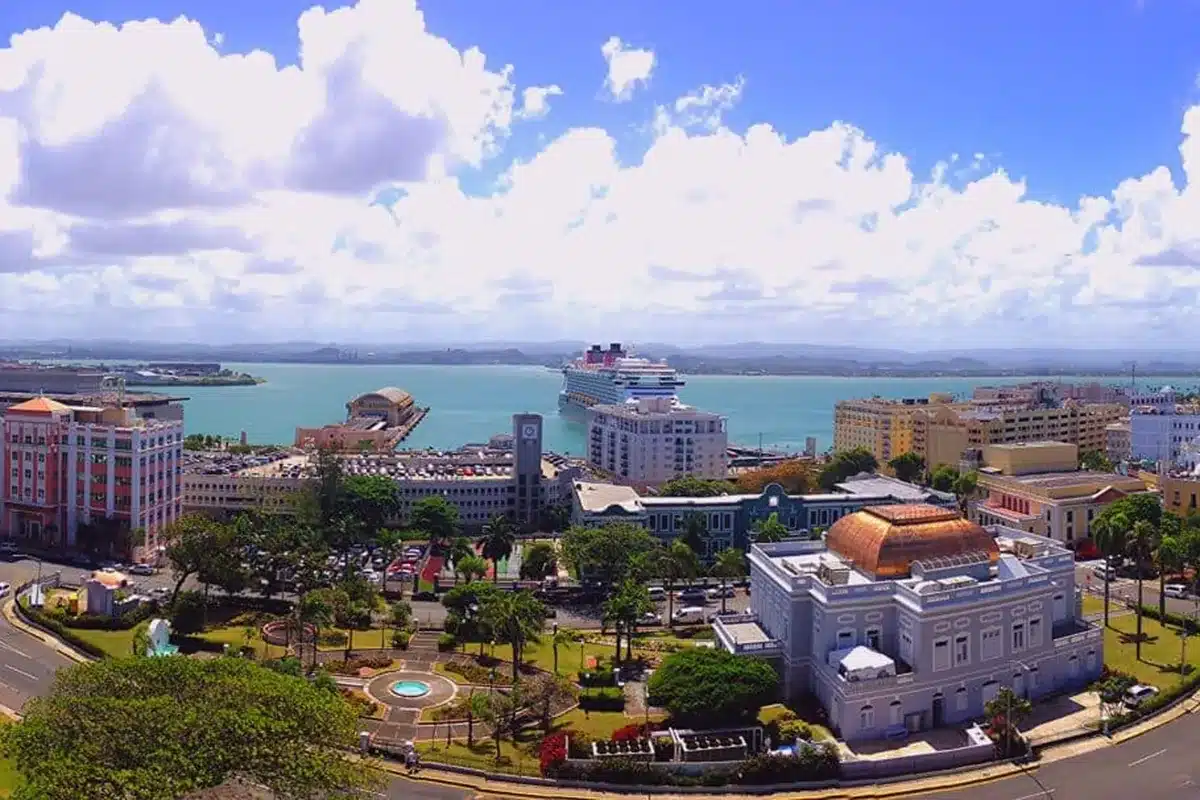
San Juan at a glance.
Where the instructor lands, the towns a San Juan session covers, and the hospitals and medical schools around you.
Getting here
For training inside your practice, the instructor flies into Luis Muñoz Marín International Airport (SJU) and drives on from there, whether your practice is in the metro area, in Caguas or across the island in Ponce or Mayagüez. Travel and lodging for the visit sit inside the quote.
The area a San Juan session covers
Centro Médico and the UPR medical school
San Juan providers practice alongside Centro Médico de Puerto Rico, home of the Administración de Servicios Médicos (ASEM, the Medical Services Administration), a government institution attached to the Department of Health that provides tertiary and supra-tertiary specialized care to all of Puerto Rico. ASEM describes Centro Médico as the clinical training ground for the teaching programs of the Medical Sciences Campus, and its trauma hospital as the only designated Level I institution on the island. The University of Puerto Rico School of Medicine is part of that campus, at the Medical Center in Río Piedras.
More medical schools, and the VA
Universidad Central del Caribe School of Medicine, founded in 1976, is in its own words the first private school of medicine in Puerto Rico. San Juan Bautista School of Medicine, a private, nonprofit school founded in 1978, moved to Caguas in 1998. The VA Caribbean Healthcare System runs the San Juan VA Medical Center and serves veterans across Puerto Rico and the U.S. Virgin Islands.
Worth knowing
An act of the Legislature of Puerto Rico authorized the University of Puerto Rico’s School of Medicine in 1949, and the school admitted its first class in August 1950. Source
Puerto Rico scope
What each Puerto Rico license allows.
Your license decides what you do hands on, and Puerto Rico is no exception. Here is how Puerto Rico law reads for each license we train, as of October 2026, with the law linked. The laws are published in Spanish, so each quote keeps the Spanish and gives the English. It is a starting point, not legal advice.
It is your responsibility to confirm the modality is legal in your state for your license. Do that before you book. The authority on your own scope is your licensing board, not us.
Physicians, MD and DO
Puerto Rico licenses physicians, both médicos cirujanos and osteópatas, through the Junta de Licenciamiento y Disciplina Médica (the Medical Licensing and Discipline Board), under Ley 139-2008. That law defines the practice of medicine to include offering or performing “cualquier tipo de operación quirúrgica” (any kind of surgical operation), and the prevention, diagnosis, correction or treatment of any illness or condition “por cualquier medio, método o equipo” (by any means, method or equipment). Source How we read it: the injection and harvest work in our courses falls inside that definition.
Nurse practitioners
Puerto Rico has reduced practice for nurse practitioners, according to the AANP. Source Under the nursing law, Ley 254-2015, a nurse practitioner works as a primary provider through protocols and “acuerdos colaborativos con el médico” (collaborative agreements with the physician). Under those protocols and agreements, the nurse practitioner may order medications for diagnosed conditions, except those in categories I and II of Puerto Rico’s Controlled Substances Act. Source Bring your protocol and agreement when we plan the session.
Physician assistants
Puerto Rico licenses physician assistants as Médicos Asistentes under Ley 71-2017, through the Junta de Licenciamiento y Disciplina Médica. A Médico Asistente practices medicine in a limited way under a physician licensed in Puerto Rico, and the law says that supervision “será continua” (shall be continuous). No supervising physician may have more than two. Médicos Asistentes “no tendrán autoridad para recetar medicamentos” (have no authority to prescribe medications), and the supervising physician must also sign their medical orders. Source
Registered nurses
Puerto Rico’s nursing law sorts nurses by degree. Both the Enfermera/o Generalista (bachelor’s degree) and the Enfermera(o) Asociada(o) (associate degree) carry out therapeutic measures “incluyendo la administración de medicamentos y tratamientos” (including the administration of medications and treatments), in line with the laws in force. Source How we read it: a nurse’s hands-on part in a procedure is administering a treatment that an authorized practitioner has ordered. Confirm the specific steps with the Junta Examinadora de Enfermería (the nursing board).
Chiropractors
Puerto Rico’s chiropractic law, Ley Núm. 493 of 1952, defines chiropractic as the science of treating the body through adjustments and manipulations aimed at correcting partial misalignments and dislocations of the spinal column. The license “no autoriza a su tenedor a” (does not authorize its holder to) prescribe or administer any medicine or drug, or to practice surgery or obstetrics. Source Take any injection course to the Junta Examinadora de Quiroprácticos (the chiropractic board) before you book.
Physical therapists
Under Ley Núm. 114 of 1962, physical therapy in Puerto Rico uses the properties of heat or cold, light, water, electricity, sound, massage and therapeutic exercise, along with neuromuscular testing, and excludes radiology and the use of electricity for surgical purposes. The physical therapist works “siguiendo el diagnóstico y la prescripción o el referido de un médico” (following the diagnosis and the prescription or referral of a physician). The law names no injections. Source Check a course with the Junta Examinadora de Terapia Física (the physical therapy board) first.
Puerto Rico law
The Puerto Rico rules that touch regenerative medicine.
State law in this field changes, sometimes more than once a year. Our reading of each state, with its sources and the date we checked, is on the rules by state page. It is a starting point, not legal advice.
No Puerto Rico stem cell statute
We found no Puerto Rico law written specifically for stem cell products. The products are a federal matter. The FDA states that it regulates regenerative medicine products and that they “require FDA licensure/approval to be marketed to consumers.” It also says the only stem cell products FDA-approved for use in the United States are blood-forming stem cells derived from umbilical cord blood. Source
Ley 102-2025, universal license recognition
The board pages of the Departamento de Salud (Department of Health), including those for physicians, nurses, chiropractors and physical therapists, list Ley 102-2025, the “Ley de Reconocimiento Universal de Licencias Ocupacionales y Licencias Profesionales en Puerto Rico” (universal recognition of occupational and professional licenses), with a request form under Reglamento 9746. Source The form asks for a current license in “buen estado (Good Standing)” from the jurisdiction that issued it, no final sanctions or suspensions, and evidence of meeting insurance requirements. Source How we read it: if you hold a license elsewhere, ask the junta for your profession whether this path fits you before you plan hands-on work in Puerto Rico.
Federal rules still apply
Puerto Rico law sits on top of federal law, not in place of it. The Federal Food, Drug, and Cosmetic Act defines “State” to include “the Commonwealth of Puerto Rico,” so federal food and drug law reaches the island as it reaches the 50 states. Source Our summary of the FDA rules for human cells, tissues, and cellular and tissue-based products is in the federal section of the rules by state page.
Your boards in Puerto Rico
Junta de Licenciamiento y Disciplina Médica (physicians and Médicos Asistentes), Junta Examinadora de Enfermería (nursing), Junta Examinadora de Quiroprácticos (chiropractic) and Junta Examinadora de Terapia Física (physical therapy).
Formats and pricing
Two ways to train in San Juan, and both are private.
The hands-on work with a consenting patient is the same either way. What changes is whose room it is, and who from your practice is in it. Both prices are starting points: the quote depends on the course, how many people are training and how much of the curriculum is built around you.
At an instructor location
From $5,000
You come to us, at an instructor’s own working practice.
At your own practice
From $10,000
We come to you, anywhere in Puerto Rico, with the instructor’s travel and lodging inside the quote. What on-site training includes.
Cancel or refund any time up to thirty days out. Inside thirty days, no refund.
On a refund, covering card processing and office costs.
To move your date, covering the travel that moves with it.
Questions about dates, format or fit? Talk to us.
Training courses we offer
Every course runs in San Juan.
The hands-on day is in person, at an instructor’s practice or inside yours.
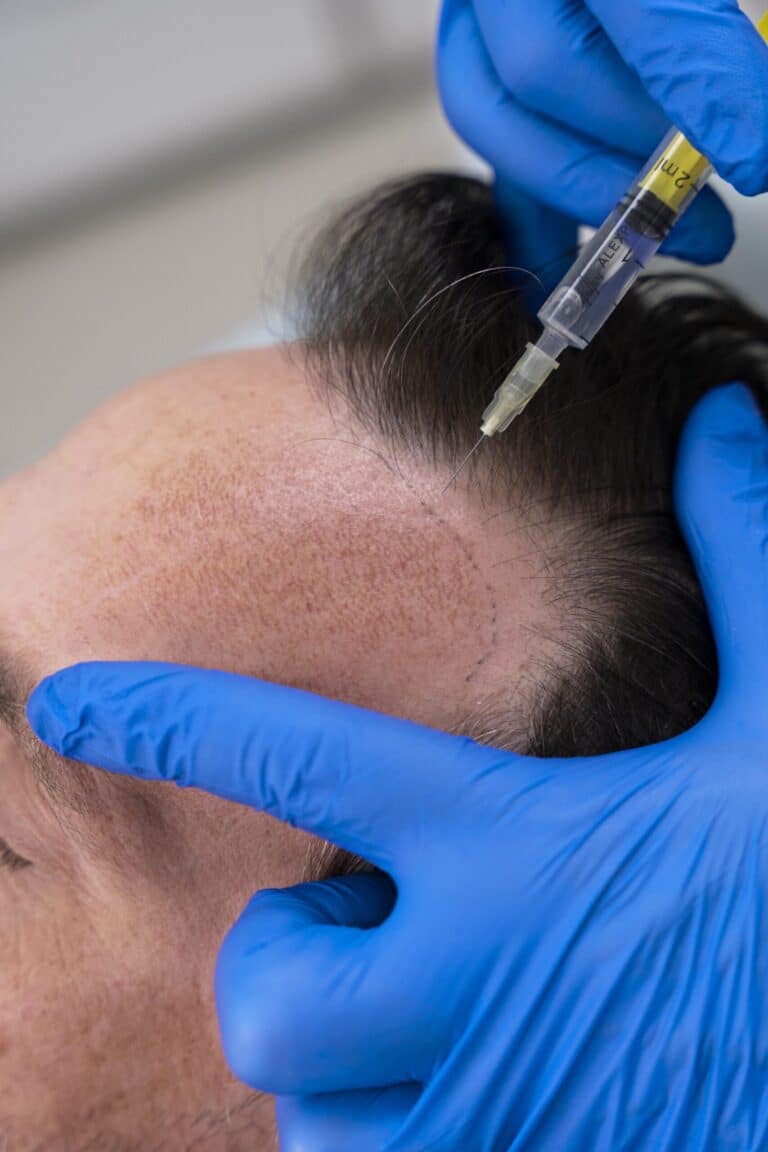


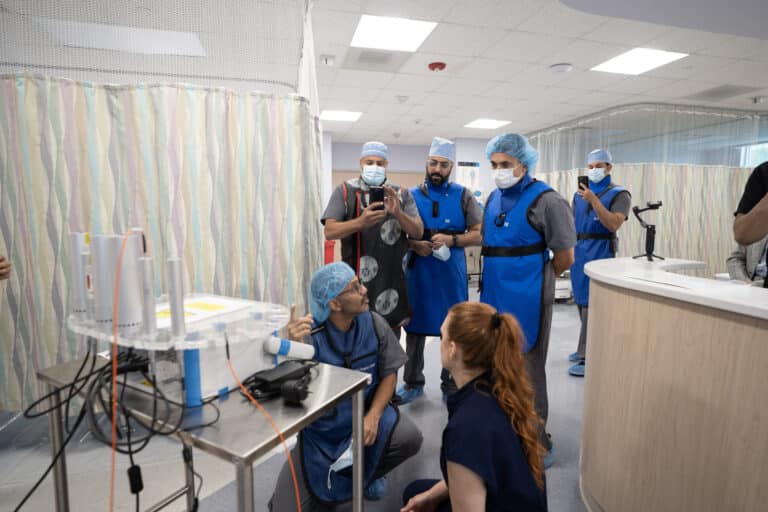
Common questions
What San Juan providers ask before they book.
How much does training in San Juan cost?
Training inside your own practice in San Juan starts at $10,000, with the instructor's travel and lodging included. Training at an instructor's location starts at $5,000. Both are starting points. The quote depends on the discipline, the instructor, how many people are training and how much of the curriculum is built around you.
Does Puerto Rico have its own stem cell law?
We found none written specifically for stem cell products. Federal law fills that space: the Food, Drug, and Cosmetic Act counts Puerto Rico as a State, and the FDA says regenerative medicine products need its licensure or approval to be marketed. Who may perform a procedure is set by Puerto Rico's own licensing laws, such as Ley 139-2008 for physicians. Whether a given product or procedure is allowed is a question for your counsel and your junta, not us. The sources behind our reading are on the rules by state page.
Can a Puerto Rico NP or PA do the hands-on part?
Within your Puerto Rico scope, yes, with conditions. A nurse practitioner works through protocols and collaborative agreements with a physician. A Médico Asistente practices under continuous physician supervision, cannot prescribe, and needs the supervising physician's signature on medical orders. Bring your protocol, agreement or supervision terms when we plan the session, and we shape the hands-on plan around them before you book.
I'm not licensed in Puerto Rico. Can I train in San Juan?
Raise it when you request a date. Training inside your own practice runs under the license you already hold there. At an instructor's own practice, the hands-on part turns on whether you are licensed where that practice is, and we work that out with you before you book. If you want a Puerto Rico license, ask the junta for your profession about Ley 102-2025 and its universal recognition request.
Request a date now
Tell us about your practice and when you'd like to train.
Ready to add PRP or another regenerative procedure in San Juan? A few quick questions, one screen at a time. Nothing here commits you to a date. A person reads every request and calls you back within one business day.
From the blog
Read it here, then do it in a course.
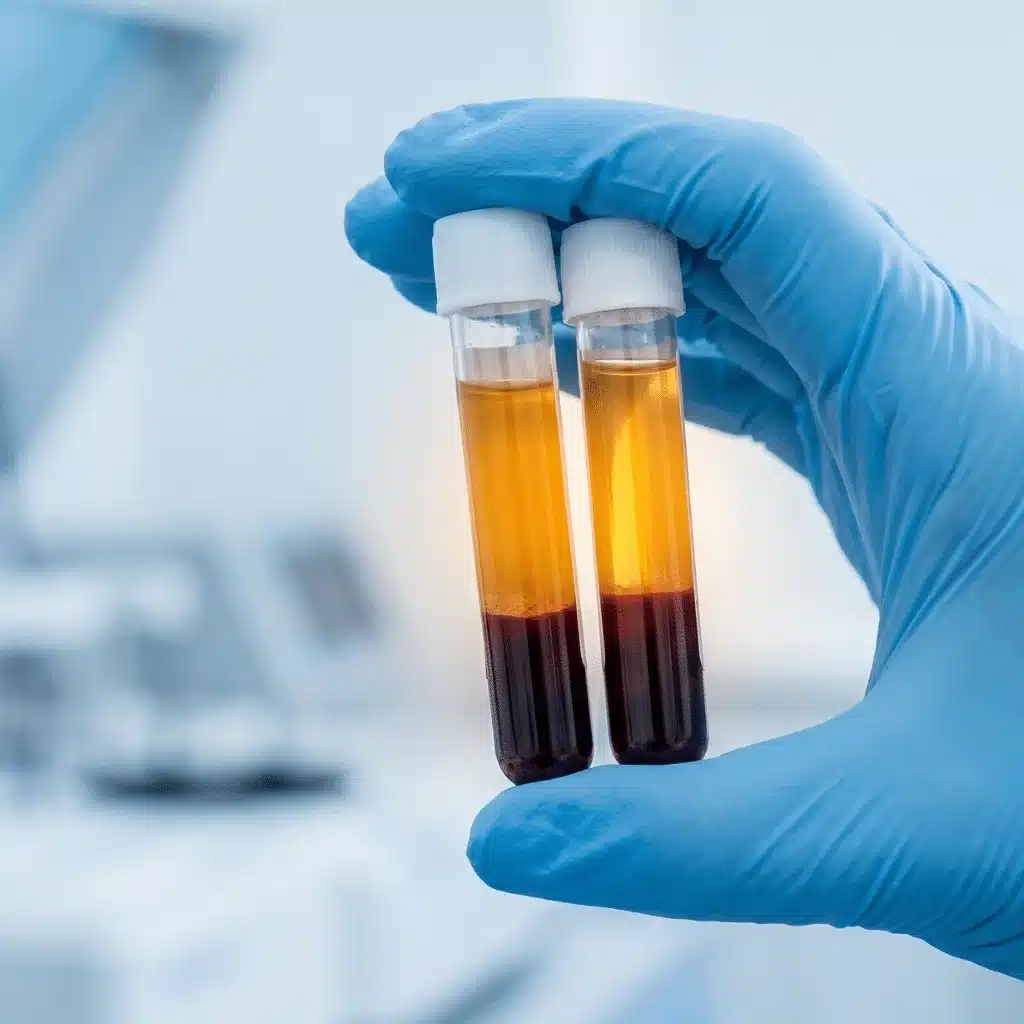
The role of growth factors in regenerative medicine: a clinical primer
Read the postPlatelet count is not the dose. A primer on the growth factors that do the work, why preparation…
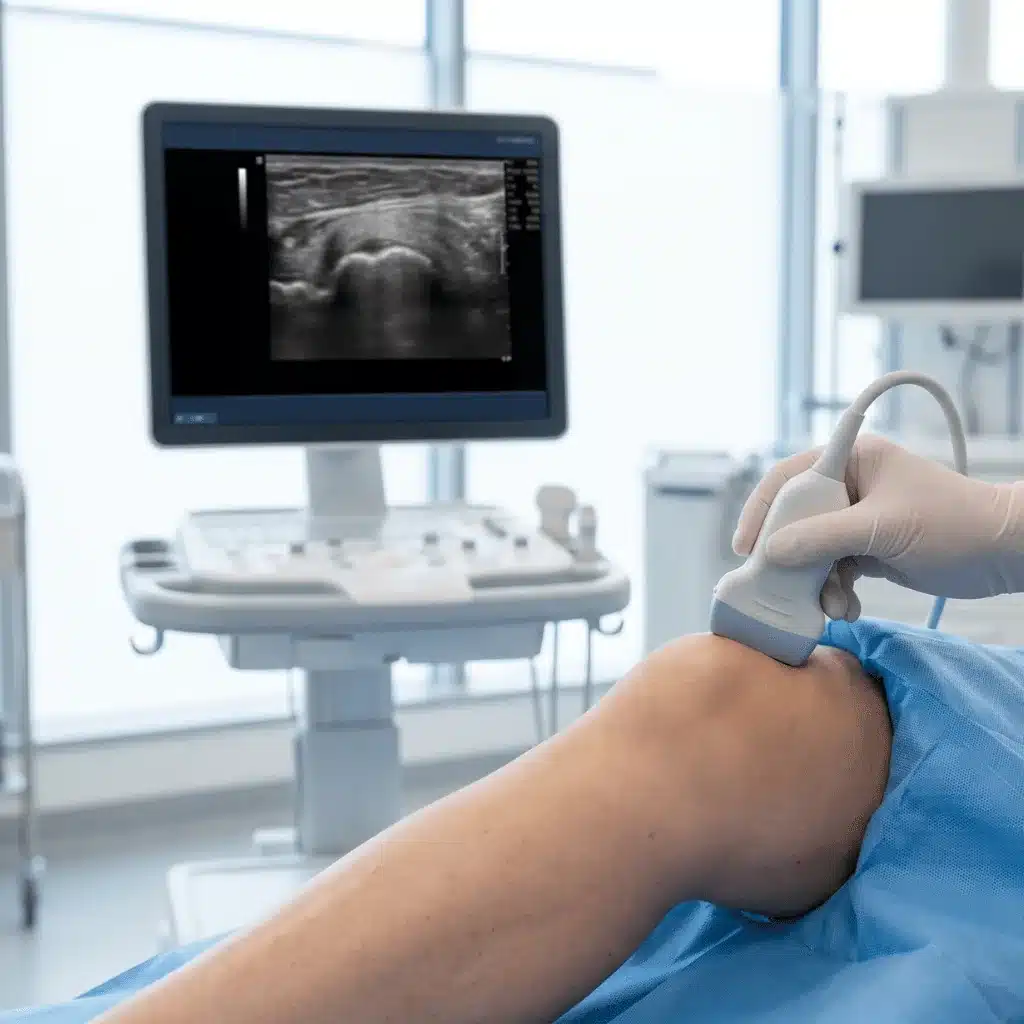
Ultrasound-guided injection techniques in regenerative medicine: why training matters
Read the postGuidance puts the needle where it belongs. It does not make you competent. What the accuracy evidence shows…
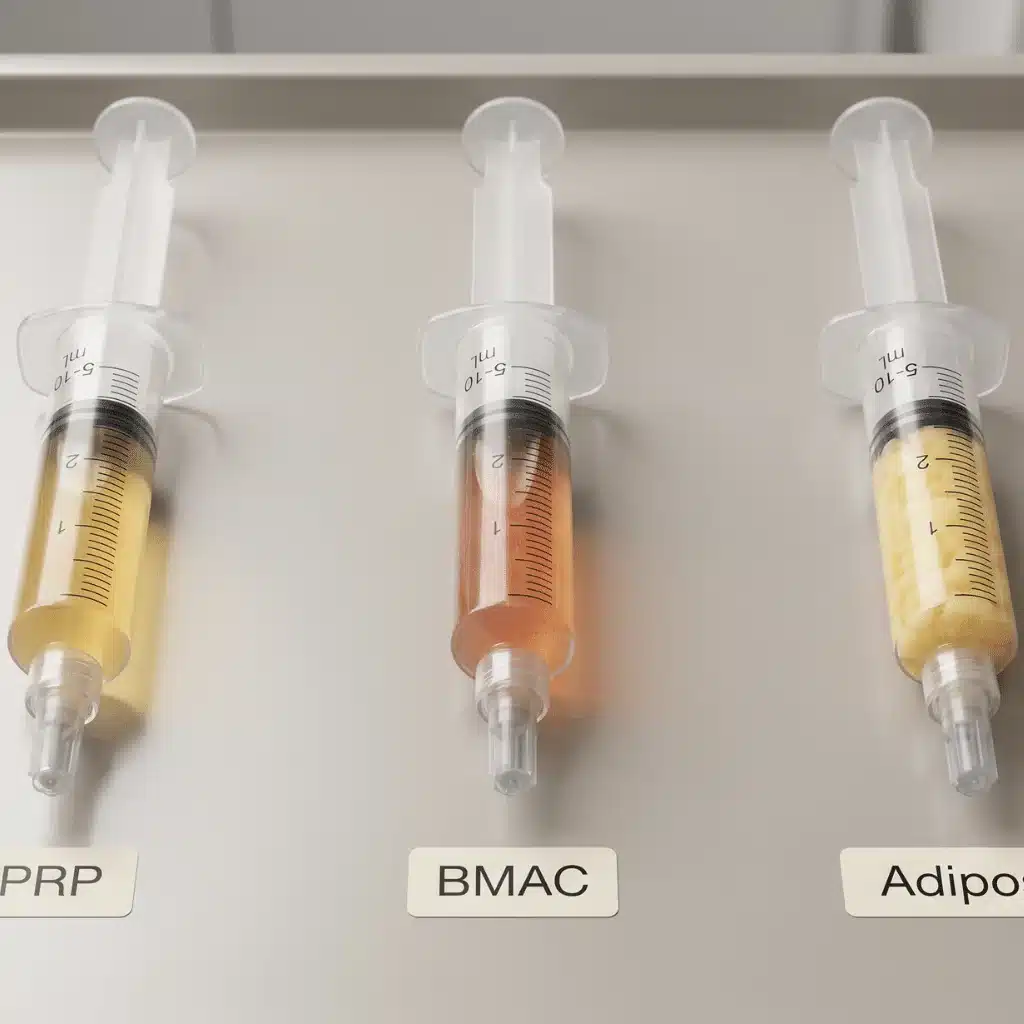
PRP vs. BMAC vs. adipose: comparing orthobiologic treatment options
Read the postPRP, BMAC and adipose are three different tools, not one product with three names. How to match modality…
Important information
Read this before you book.
Know what a course is not before you book. It won’t make you a specialist. It carries no CMEs, credit hours or accreditation, and it doesn’t cover your malpractice: you arrange that yourself. No one can promise you outcomes. It is education for licensed providers, not medical or legal advice, and some products and modalities discussed are not FDA approved or cleared for the uses discussed. The Certificate of Completion is not a license or a board certification, and it does not expand your scope of practice. Read the full notes.