
Where we train
Regenerative Medicine Training for Indianapolis Professionals
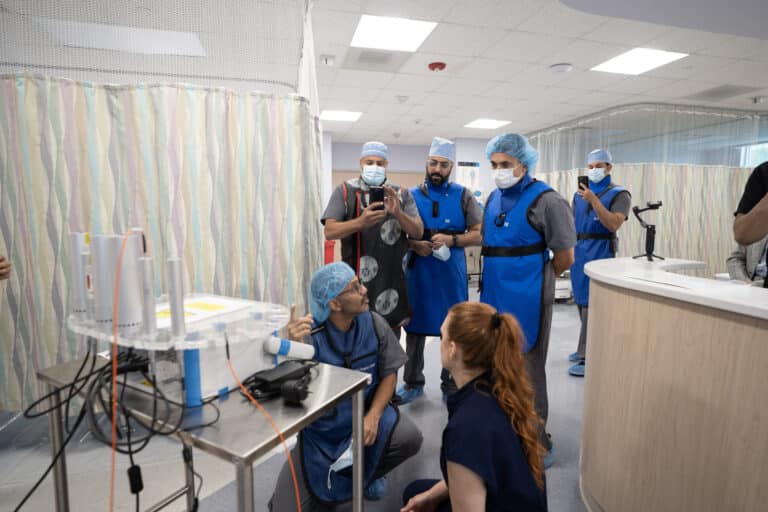
Private, hands-on regenerative medicine training. It’s for licensed providers, and it runs in Indianapolis and central Indiana. One instructor and one consenting patient. And your hands are on the syringe.

Live patients
Private training
Practicing clinicians
U.S. based, worldwide
Training in Indianapolis
Indianapolis training draws from Marion County and the counties that ring it: Carmel, Fishers, Noblesville and Westfield in Hamilton County, Zionsville, Avon and Plainfield to the west, Greenwood to the south and Greenfield to the east. Anderson is under an hour up I-69, and Bloomington and Lafayette are each about an hour away.
There are two routes to a session. The instructor can come to your practice and train you with your own staff and equipment, with travel covered in the quote. Or you can travel to an instructor’s own working practice. Each route is private and hands on with a real, consenting patient, and the scope is agreed up front, before you book.
Who can train? Anyone legally able to provide the treatment in Indiana. That depends on your license, and Indiana’s code handles each license on its own terms. The two sections below show how, with the code section or licensing page linked.

Local detail
Indianapolis at a glance.
How the instructor reaches central Indiana, the towns an Indianapolis session covers, and the health systems and schools in the city.
Getting here
For training at your practice, the instructor lands at Indianapolis International Airport (IND), operated by the Indianapolis Airport Authority. Travel and lodging are inside the quote.
The area an Indianapolis session covers
Marion County and the counties around it: Hamilton, Boone, Hendricks, Morgan, Johnson, Shelby and Hancock, plus Madison to the northeast. That reaches Carmel, Fishers, Noblesville, Westfield, Zionsville, Avon, Plainfield, Brownsburg, Greenwood, Franklin, Greenfield and Anderson. Neighboring pages: Chicago, Cincinnati, Columbus and St. Louis.
Health systems in Marion County
Indiana University Health, based in Indianapolis, works as an academic health center in partnership with IU School of Medicine. Eskenazi Health is the public hospital division of the Health & Hospital Corporation of Marion County. It runs a 333-bed hospital, home to the first adult Level I trauma center in Indiana. Community Health Network is a non-profit system with more than 200 sites of care and affiliates throughout Central Indiana.
Two medical schools in the city
Indiana University School of Medicine has trained physicians since 1903 and teaches across nine campuses in Indiana, with its main offices on West 10th Street in Indianapolis. Marian University’s Tom and Julie Wood College of Osteopathic Medicine, which marked its tenth anniversary in 2023, describes itself as the only osteopathic medical school in Indiana.
Worth knowing
The Indiana Medical History Museum stands on the grounds of the former Central State Hospital, on the near west side of Indianapolis. Its heart is the Old Pathology Building, home of a Pathological Department inaugurated in 1896 and, in the museum’s words, “the oldest surviving pathology facility in the nation.” Source
Indiana scope
What each Indiana license allows.
The license you hold decides what you do hands on, in Indiana as in every state. This is how the Indiana Code reads for each license we train, as of October 2026, with the code or the licensing agency linked. Read it as a starting point, not legal advice.
It is your responsibility to confirm the modality is legal in your state for your license. Do that before you book. The authority on your own scope is your licensing board, not us.
Physicians, MD and DO
The Medical Licensing Board of Indiana covers both medical doctors and osteopathic doctors. Indiana’s definition of the practice of medicine includes “the suggestion, recommendation, or prescription or administration of any form of treatment, without limitation” and “the performing of any kind of surgical operation upon a human being.” Source Two Indiana provisions in the next section are written around the physician: the experimental treatment rules, which start with a physician who has personally examined the patient, and the HCT/P law, which classes a physician’s injection of those products as a service, not a sale.
Nurse practitioners
Indiana has reduced practice for nurse practitioners, according to the AANP. Source Indiana law says an advanced practice registered nurse shall operate in collaboration with a licensed practitioner, as shown by a practice agreement, or under privileges granted by a hospital’s governing board. Source Prescriptive authority needs proof of collaboration with an Indiana licensed practitioner in a written practice agreement, and the Indiana State Board of Nursing audits APRNs every two years. Source How we read it: that practice agreement is the document to bring when we plan a hands-on session.
Physician assistants
An Indiana physician assistant must work in a dependent practice with a collaborating physician and may not be independent of that physician. The written collaborative agreement lists every task the physician delegates, the emergency procedures to follow and the prescribing protocol, and the physician submits it to the board. Source The licensing agency adds that applications go to the Physician Assistant Committee for review and approval, and that every agreement submitted must include chart review. Source
Registered nurses
Indiana’s definition of registered nursing includes “executing regimens delegated by a physician with an unlimited license to practice medicine or osteopathic medicine, a licensed dentist, a licensed chiropractor, a licensed optometrist, or a licensed podiatrist.” Source How we read it: an RN’s hands-on part in a procedure is a regimen that one of those practitioners has delegated, inside that practitioner’s own scope. The Indiana State Board of Nursing is the place to confirm a particular procedure before you book.
Chiropractors
Indiana’s chiropractic law is run by the Board of Chiropractic Examiners. The code defines chiropractic as examination, diagnosis and treatment through adjustment or manipulation of the spinal column, the extremities and the musculoskeletal soft tissues, “without the use of prescription drugs or surgery.” Source How we read it: an injection of a prescription product falls outside that definition, and whether any other injection fits inside it is a question for the board. Ask it in writing before you book.
Physical therapists
The Indiana Board of Physical Therapy regulates physical therapists. Indiana’s definition of physical therapy includes dry needling with solid filiform needles once the therapist completes board approved continuing education. The same chapter says it does not authorize a physical therapist “to prescribe a drug or other remedial substance used in medicine.” Source Injections are not part of the definition. Check an injection course against your scope with the board first.
Indiana law
The Indiana rules that touch regenerative medicine.
State law in this field changes, sometimes more than once a year. Our reading of each state, with its sources and the date we checked, is on the rules by state page. It is a starting point, not legal advice.
HCT/P service law
Indiana classes the procurement, processing, distribution or use of human cells, tissues, or cellular or tissue-based products (HCT/Ps) by a bank, storage facility or hospital, and their injection or transplantation by a hospital, physician or surgeon, as “the rendition of a service and not the sale of a product.” Those services do not give rise to an implied warranty of merchantability or fitness for a particular purpose, or to strict liability in tort. HCT/Ps has the meaning in the federal rule, 21 CFR 1271.3(d). Source
Right to Try (2015)
Indiana’s Right to Try law, added by P.L.2-2015, lets a manufacturer make an investigational drug, biological product or device available to a qualified patient. The product must have completed Phase I of an FDA approved clinical trial, must not be approved for general use and must remain under investigation in a clinical trial. The law does not require any manufacturer to provide it. A qualified patient is one who meets the conditions of the experimental treatment provision in the next row. Source
Experimental or nonconventional treatment
We found no Indiana law that sets a stem cell therapy notice or consent form. Indiana does have a general rule: a consenting patient may receive experimental or nonconventional treatment if a licensed physician has personally examined the patient and agrees to treat, and the law’s risk conditions are met. The treating physician gives a written statement and an oral explanation, acknowledged by the patient’s signature, that the treatment is experimental or nonconventional, that the product is not FDA approved where that applies, its material risks, and its expected frequency and duration. For care outside a hospital, the Medical Licensing Board develops protocols, and a physician who fails to follow them is subject to board discipline. Source
Individualized investigational treatment (2025)
A 2025 law, P.L.215-2025, added a chapter on individualized investigational treatment: a drug, biological product or device “unique to and produced exclusively for use by an individual patient, based on the individual’s own genetic profile.” A manufacturer operating within an eligible facility, and in accordance with federal law, may make one available to an eligible patient. The patient needs a life-threatening or severely debilitating disease, a physician’s recommendation and written informed consent, among other conditions. Source
Federal rules still apply
Indiana law sits on top of federal law, not in place of it. The FDA’s rules for human cells, tissues, and cellular and tissue-based products apply in every state. Our summary is in the federal section of the rules by state page.
Formats and pricing
Two ways to train in Indianapolis, and both are private.
The hands-on work with a consenting patient is the same either way. What changes is whose room it is, and who from your practice is in it. Both prices are starting points: the quote depends on the course, how many people are training and how much of the curriculum is built around you.
At an instructor location
From $5,000
You come to us, at an instructor’s own working practice.
At your own practice
From $10,000
We come to you, anywhere in Indiana, with the instructor’s travel and lodging inside the quote. What on-site training includes.
Cancel or refund any time up to thirty days out. Inside thirty days, no refund.
On a refund, covering card processing and office costs.
To move your date, covering the travel that moves with it.
Questions about dates, format or fit? Talk to us.
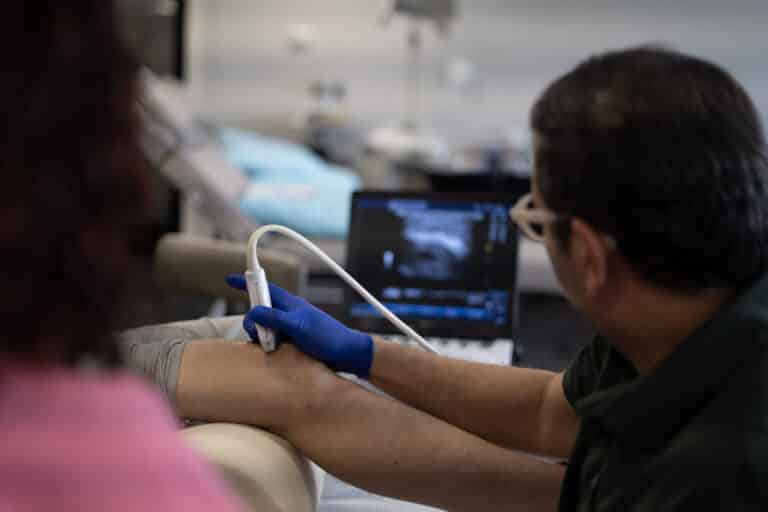
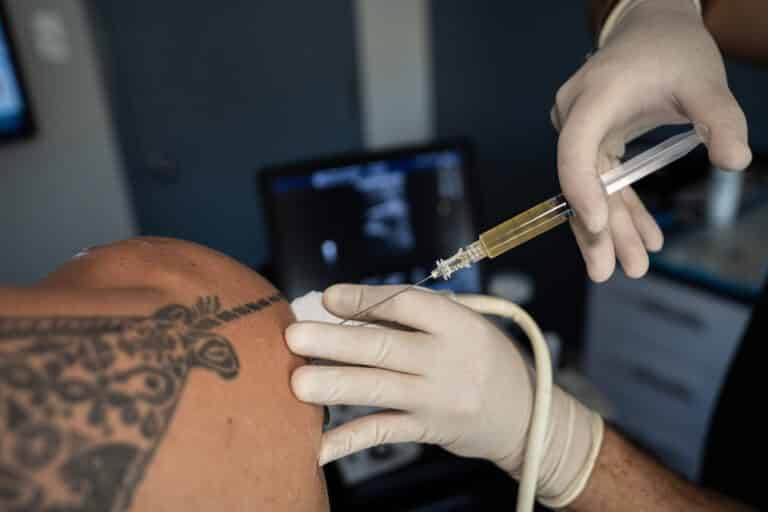
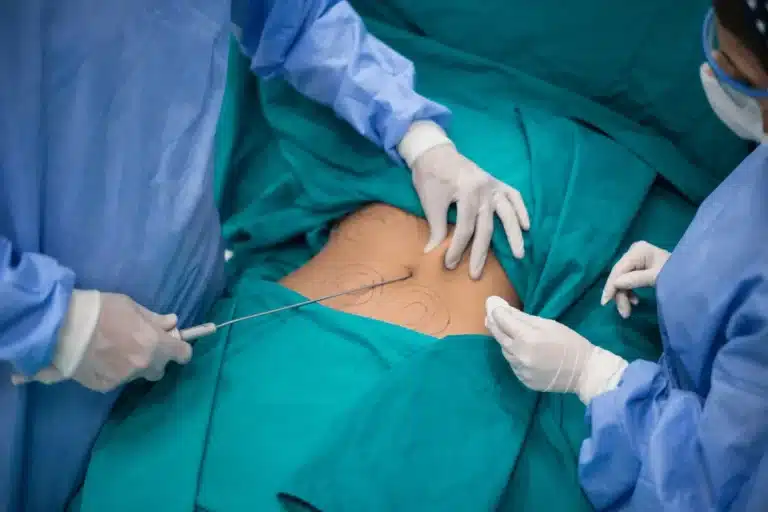
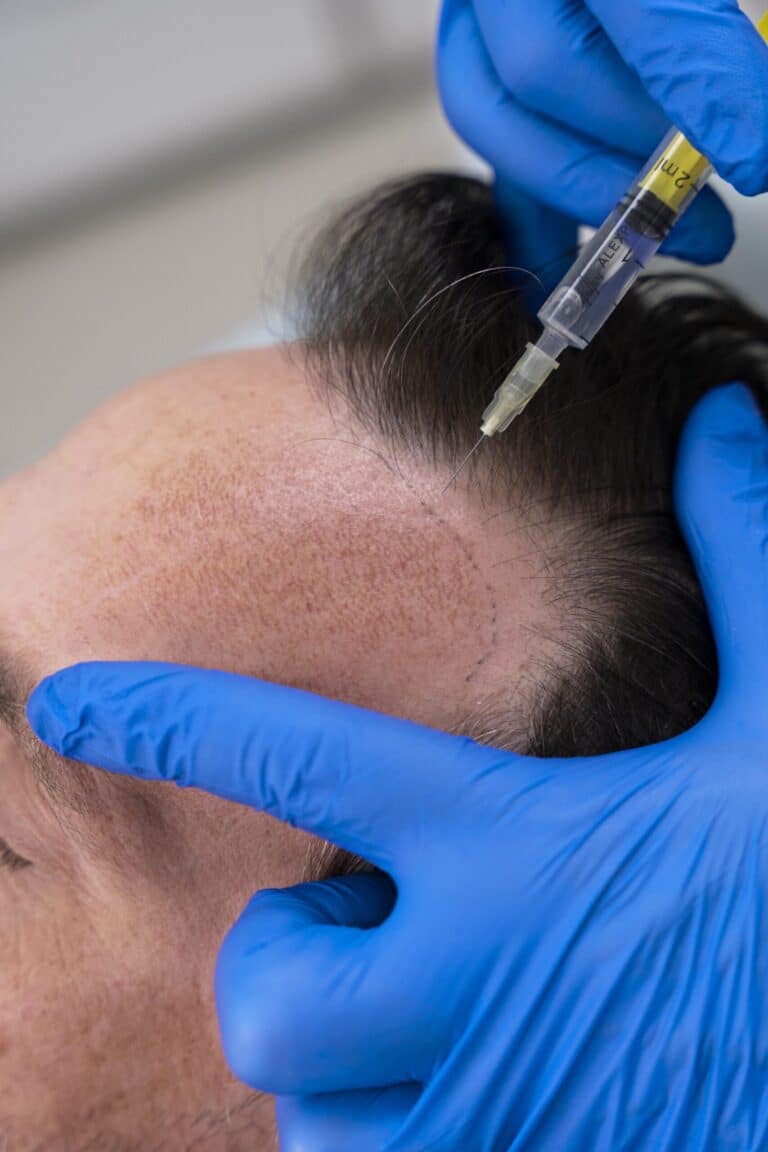
Training courses we offer
Every course runs in Indianapolis.
The hands-on day is in person, at an instructor’s practice or inside yours.




Common questions
What Indianapolis providers ask before they book.
How much does training in Indianapolis cost?
Training inside your own practice in Indianapolis starts at $10,000, with the instructor's travel and lodging included. Training at an instructor's location starts at $5,000. Both are starting points. The quote depends on the discipline, the instructor, how many people are training and how much of the curriculum is built around you.
Does Indiana have a stem cell therapy notice law?
We found no Indiana law that sets a stem cell therapy notice or consent form. What Indiana has instead are general rules: the experimental treatment provision with its written statement and oral explanation, the Right to Try laws, and the HCT/P law that classes a physician's injection of those products as a service. Whether a given procedure falls under any of them is a question for your counsel and your board. Our reading is on the rules by state page.
Can an Indiana NP or PA do the hands-on part?
Within your Indiana scope, yes. A nurse practitioner operates in collaboration with a licensed practitioner under a practice agreement, or under hospital privileges. A physician assistant works in a dependent practice, under a written collaborative agreement that lists each delegated task. Send us the agreement when we plan the session and we match the hands-on plan to it before you book.
I'm not licensed in Indiana. Can I train in Indianapolis?
Ask us when you request a date. A session inside your own practice runs under the license you hold there, wherever that is. At an instructor's location in Indiana, what you do hands on depends on your Indiana licensure, and we agree that with you before you book.
Request a date now
Tell us about your practice and when you'd like to train.
Ready to add PRP or another regenerative procedure in Indianapolis? A few quick questions, one screen at a time. Nothing here commits you to a date. A person reads every request and calls you back within one business day.
From the blog
Read it here, then do it in a course.

The role of growth factors in regenerative medicine: a clinical primer
Read the postPlatelet count is not the dose. A primer on the growth factors that do the work, why preparation…
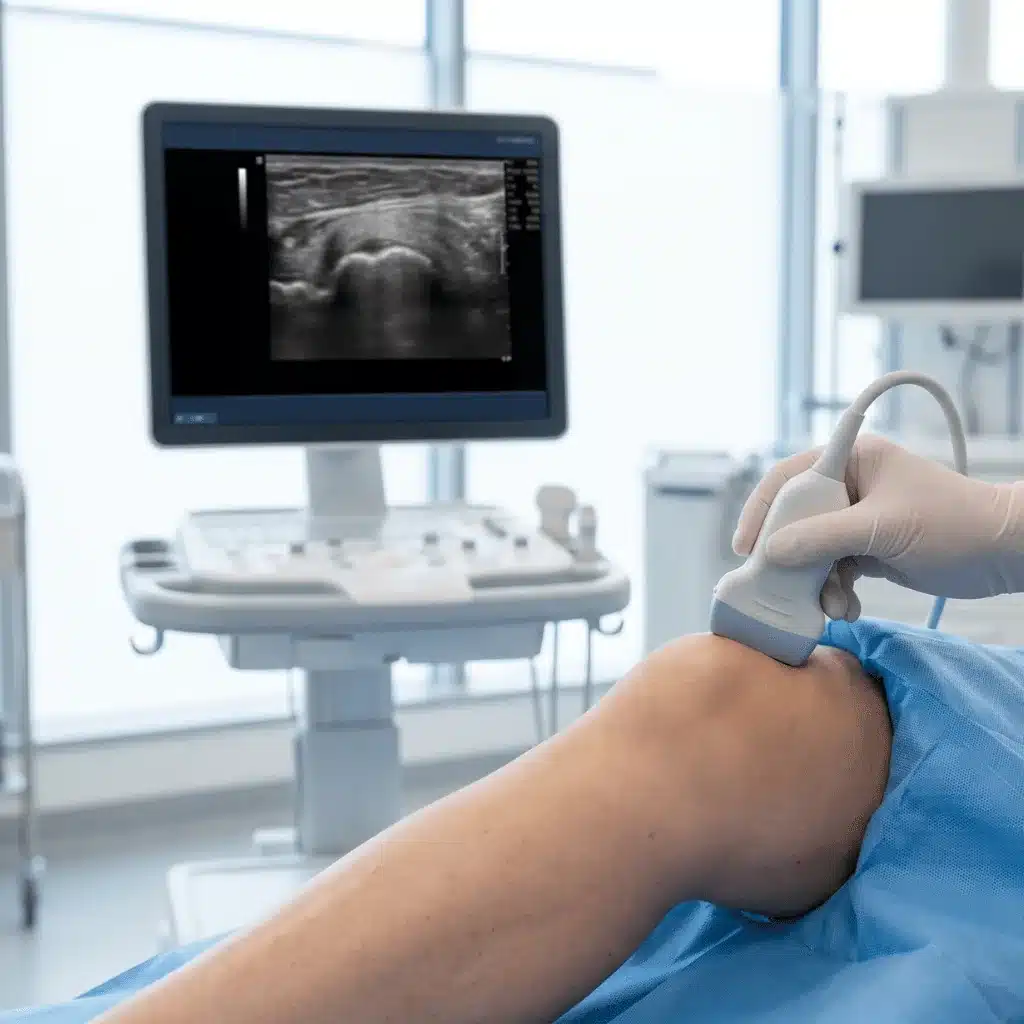
Ultrasound-guided injection techniques in regenerative medicine: why training matters
Read the postGuidance puts the needle where it belongs. It does not make you competent. What the accuracy evidence shows…
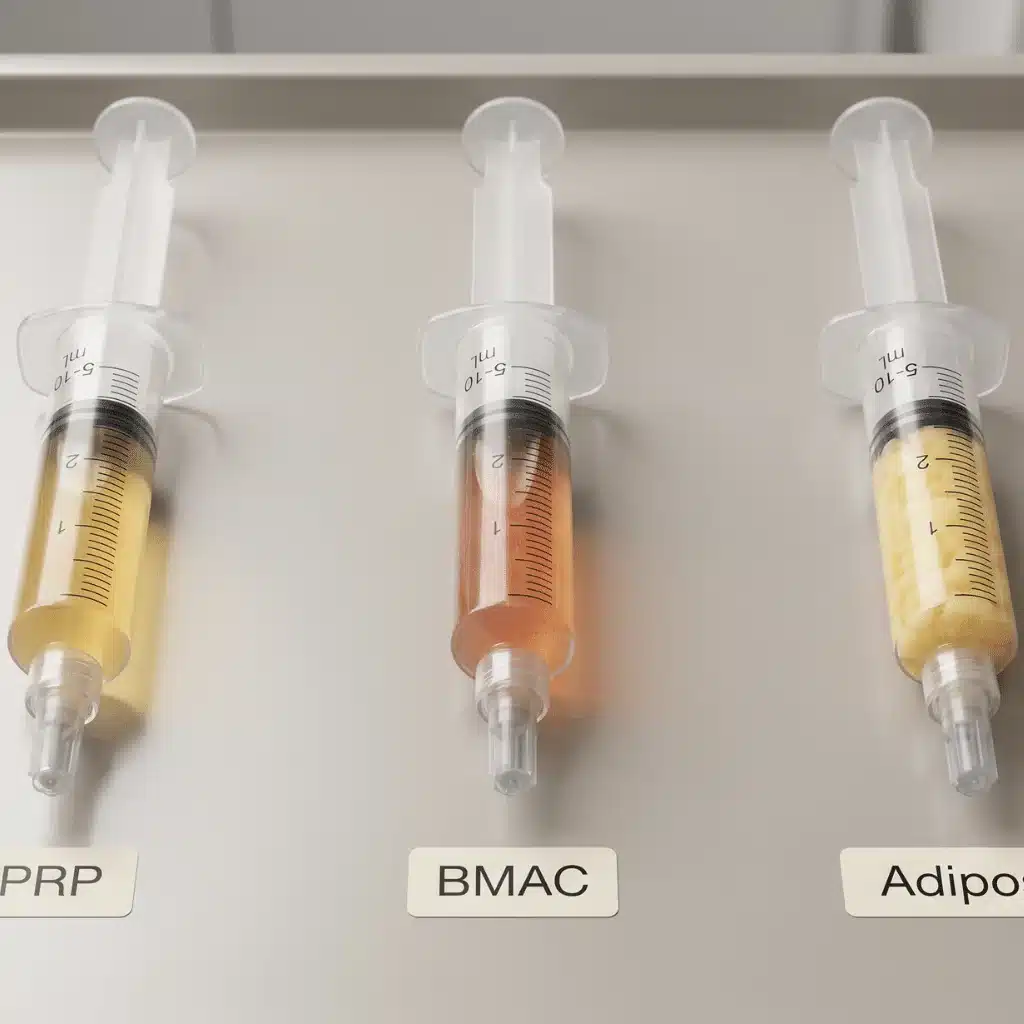
PRP vs. BMAC vs. adipose: comparing orthobiologic treatment options
Read the postPRP, BMAC and adipose are three different tools, not one product with three names. How to match modality…
Important information
Read this before you book.
Know what a course is not before you book. It won’t make you a specialist. It carries no CMEs, credit hours or accreditation, and it doesn’t cover your malpractice: you arrange that yourself. No one can promise you outcomes. It is education for licensed providers, not medical or legal advice, and some products and modalities discussed are not FDA approved or cleared for the uses discussed. The Certificate of Completion is not a license or a board certification, and it does not expand your scope of practice. Read the full notes.