
Where we train
Regenerative Medicine Training in Anchorage, Alaska
PRP and regenerative medicine training for licensed providers in Anchorage and across Alaska. It’s private and hands-on, on a live consenting patient.

Live patients
Private training
Practicing clinicians
U.S. based, worldwide
Training in Anchorage
The providers who would train through this page practice across Southcentral Alaska. Eagle River, Chugiak and Girdwood are all inside the Municipality of Anchorage. Wasilla and Palmer in the Mat-Su are about an hour north, and Soldotna and Kenai are a few hours south on the Seward and Sterling highways. Practices off the road system, from Juneau to Bethel, are a flight rather than a drive.
You can train one of two ways. The instructor travels to your practice and teaches you and your team on your own equipment, with travel and lodging inside the quote. Or you travel to an instructor’s own working practice. Both are private, both use a real patient who has consented, and the scope is agreed before you book.
Who can train? Anyone legally able to provide the treatment in Alaska. Your license decides that, and Alaska sets the limits differently for each one. The two sections below show how, with the statute or board document behind each line.
Local detail
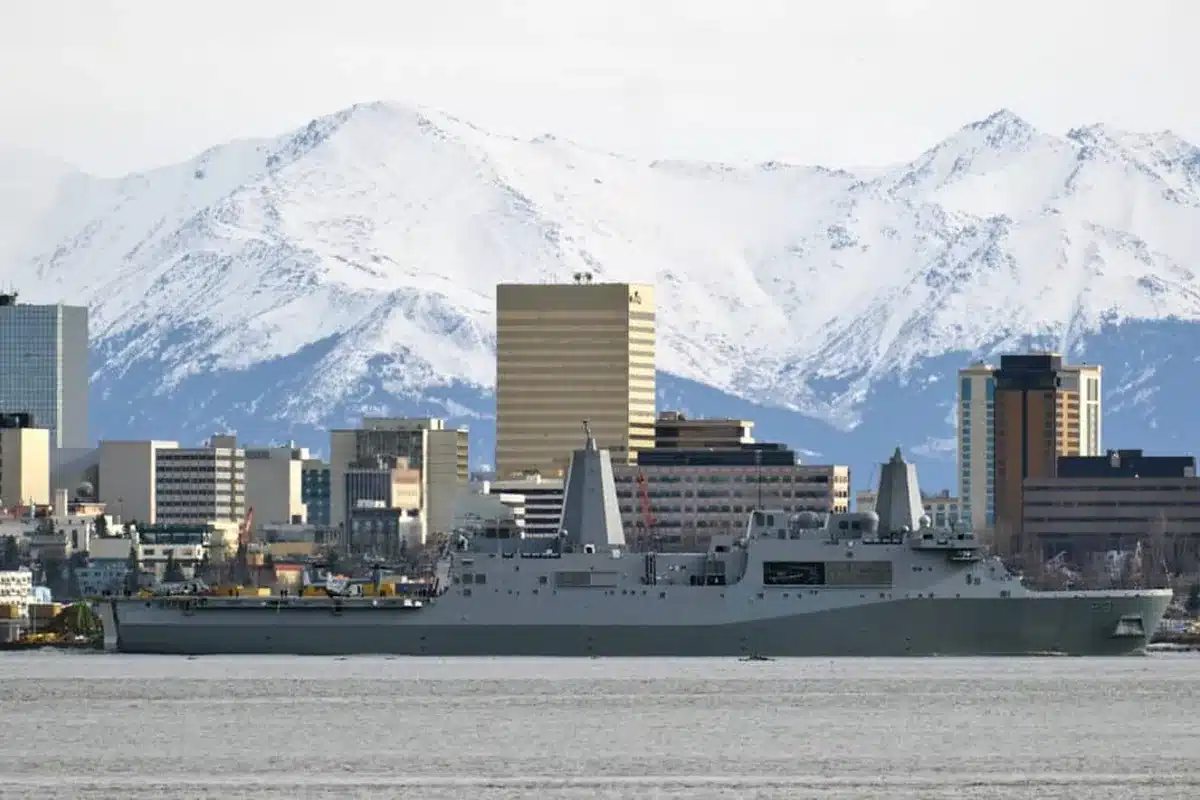
Anchorage at a glance.
Where the instructor lands, the ground an Anchorage session covers, and the hospitals and tribal health care around you.
Getting here
For training inside your practice, the instructor flies into Ted Stevens Anchorage International Airport (ANC). Practices in the Mat-Su and on the Kenai Peninsula are a drive from there, and a practice off the road system adds a connecting flight. The instructor’s travel and lodging are part of the quote.
The area an Anchorage session covers
The Municipality of Anchorage, from Eagle River and Chugiak to Girdwood; the Matanuska-Susitna Borough, with Wasilla, Palmer and Big Lake; and the Kenai Peninsula Borough, with Soldotna, Kenai, Homer and Seward. Valdez, Juneau, Bethel and the rest of the state are covered too. Interior practices have their own page: Fairbanks. Outside Alaska, our Pacific Northwest pages are Vancouver and Seattle.
Hospitals in Anchorage
Anchorage providers practice alongside Providence Alaska Medical Center, which began as the two-story, 52-bed Providence Hospital the Sisters of Providence opened in 1937 and has stood at Goose Lake since its new hospital opened there in 1962; Alaska Regional Hospital, a full-service hospital that joined HCA Healthcare in 1994; and the Alaska Native Medical Center, jointly owned and managed by the Alaska Native Tribal Health Consortium and Southcentral Foundation and a statewide referral center for Alaska Native and American Indian people.
Tribal health and medical school
Southcentral Foundation is an Alaska Native nonprofit health care system, incorporated in 1982 under the tribal authority of Cook Inlet Region, Inc. It serves Alaska Native and American Indian people in Anchorage, the Mat-Su and nearby villages. For medical education, the WWAMI School of Medical Education at the University of Alaska Anchorage offers the Doctor of Medicine program in partnership with the University of Washington, part of a collaboration that spans Washington, Wyoming, Alaska, Montana and Idaho.
Worth knowing
The Alaska Native Medical Center traces its history to November 1953, when the 400-bed Anchorage Medical Center of the Alaska Native Service opened in Anchorage. Source
Alaska scope
What each Alaska license allows.
In Alaska, as in every state, your license sets what you can do hands on. Below is how Alaska law reads for each license we train, as of October 2026, with the statute or the board document linked. It is a starting point, not legal advice.
It is your responsibility to confirm the modality is legal in your state for your license. Do that before you book. The authority on your own scope is your licensing board, not us.
Physicians, MD and DO
Alaska’s State Medical Board licenses physicians and osteopaths, as well as physician associates and podiatrists. The medical practice act is plain on the basics: “A person may not practice medicine, podiatry, or osteopathy in the state unless the person is licensed under this chapter.” The same chapter has the board write rules for delegating routine medical duties to an agent, and those rules must bar a physician, osteopath, podiatrist or physician associate from delegating “duties related to pain management and opioid use and addiction.” Source How we read it: settle which steps your staff can take on before the session, not during it.
Nurse practitioners
Alaska has full practice authority for nurse practitioners, according to the AANP. Source Alaska’s nursing law defines advanced practice registered nursing as registered nursing plus “the performance of acts of medical diagnosis and the prescription and dispensing of medical, therapeutic, or corrective measures under regulations adopted by the board.” Source How we read it: for an Alaska NP the limits sit in the Board of Nursing’s regulations rather than in a physician agreement, so that is where to check a procedure course against your license. If the answer is not clear, ask the Board of Nursing.
Physician assistants
Alaska law now uses the title physician associate. Since September 16, 2026, under SB 89, a physician associate practices under a written collaborative agreement, which can be with one physician licensed in Alaska. No agreement is needed at a facility directed by a physician, osteopath or podiatrist, a facility licensed by the Department of Health, a federal or tribal facility, a federally qualified health center or rural health clinic, or a military and veterans’ facility. Source The statute lets a physician associate provide any medical service they are qualified and competent to perform, including “administering and procuring drugs and medical devices.” Source
Registered nurses
Alaska’s nursing law includes in the practice of registered nursing the “execution of a medical regimen as prescribed by a person authorized by the state to practice medicine.” Source How we read it: an Alaska RN’s hands-on part in a procedure rests on a regimen prescribed by an authorized practitioner, and the RN carries it out. Whether a particular injection or harvest step falls inside RN scope is a question for the Alaska Board of Nursing, so put it to them before you book.
Chiropractors
Alaska defines chiropractic as care given “without the use of surgery or prescription drugs,” with the chiropractic adjustment as its primary therapeutic vehicle. The core methodology “does not incorporate the use of prescription drugs, surgery, needle acupuncture, obstetrics, or x-rays used for therapeutic purposes.” Other methods commonly used by licensed providers are allowed as ancillary methodology, with appropriate training and education. Source How we read it: a course built on injections raises a scope question under that definition. Take it to the Board of Chiropractic Examiners before you book.
Physical therapists
Alaska defines physical therapy as the examination, treatment and instruction of people, including “the use of physical measures, activities and devices for preventive and therapeutic purposes.” The definition leaves out “the use of roentgen rays and radioactive materials for diagnosis and therapeutic purposes, the use of electricity for surgical purposes, and the diagnosis of disease.” Injections are not named in it. Source Check any injection course against your scope with the State Physical Therapy & Occupational Therapy Board first.
Alaska law
The Alaska rules that touch regenerative medicine.
State law in this field changes, sometimes more than once a year. Our reading of each state, with its sources and the date we checked, is on the rules by state page. It is a starting point, not legal advice.
No Alaska stem cell statute
We found no Alaska law written specifically for stem cell products. Two other sources of rules do the work instead: Alaska’s licensing laws decide who may perform a procedure, and federal law decides which products may be marketed. The FDA says regenerative medicine products “require FDA licensure/approval to be marketed to consumers,” and lists stem cells, fat-derived stromal vascular fraction, umbilical cord blood, amniotic fluid, Wharton’s jelly, ortho-biologics and exosomes among the unapproved products. Source
Right to Try, AS 08.64.367
Alaska’s medical practice act has its own Right to Try section. The State Medical Board may not discipline a physician for prescribing, dispensing or administering an investigational drug, biological product or device to sustain the life of a patient who has a terminal illness, cannot take part in a current clinical trial for it, has considered all FDA approved options with the physician, and has given written informed consent. The product must have completed Phase 1 studies, still be in Phase 2 or Phase 3 trials or the new drug application process, and not be approved for general use. Source How we read it: the section protects the physician from board discipline in those cases. It does not make any product FDA approved.
Interstate Medical Licensure Compact
In its 34th session (2025 to 2026), the Alaska Legislature passed House Bill 110, which enacts the Interstate Medical Licensure Compact. The State Medical Board says it is working to set the compact up as quickly as possible, but that it may not be live in Alaska until early 2027. Source If you are a physician licensed in another state and plan to work on patients in Alaska, check where the compact stands with the board before you plan around it.
Federal rules still apply
Alaska law sits on top of federal law, not in place of it. The FDA’s rules for human cells, tissues, and cellular and tissue-based products apply in every state. Our summary is in the federal section of the rules by state page.
Your boards in Alaska
Formats and pricing
Two ways to train in Anchorage, and both are private.
The hands-on work with a consenting patient is the same either way. What changes is whose room it is, and who from your practice is in it. Both prices are starting points: the quote depends on the course, how many people are training and how much of the curriculum is built around you.
At an instructor location
From $5,000
You come to us, at an instructor’s own working practice.
At your own practice
From $10,000
We come to you, anywhere in Alaska, with the instructor’s travel and lodging inside the quote. What on-site training includes.
Cancel or refund any time up to thirty days out. Inside thirty days, no refund.
On a refund, covering card processing and office costs.
To move your date, covering the travel that moves with it.
Questions about dates, format or fit? Talk to us.
Training courses we offer
Every course runs in Anchorage.
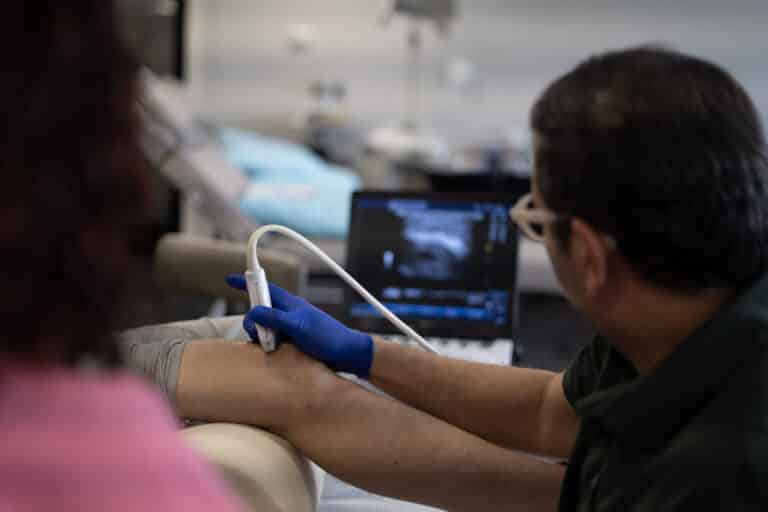
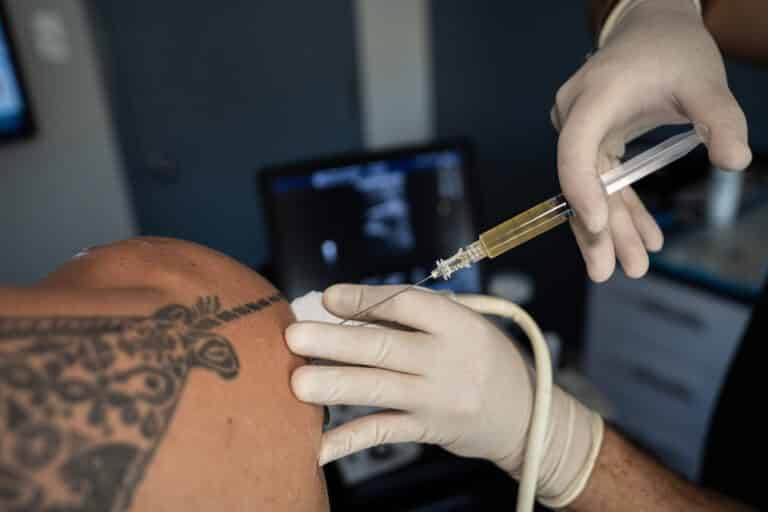
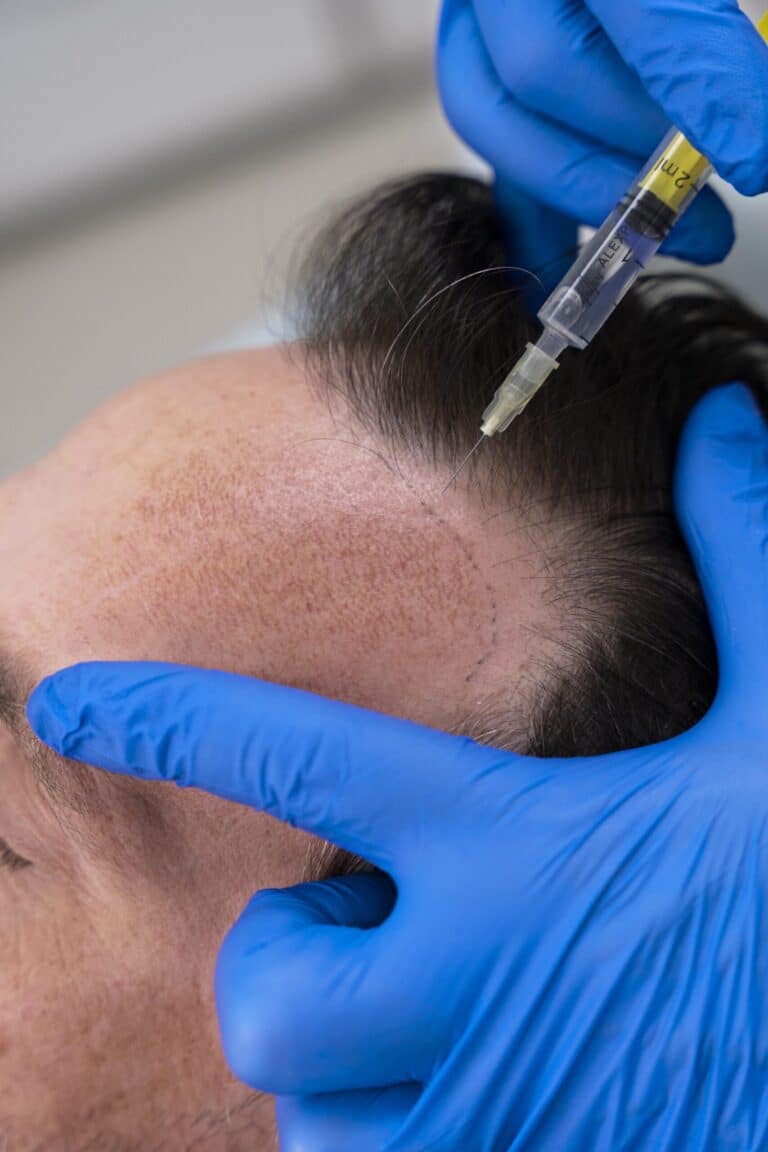
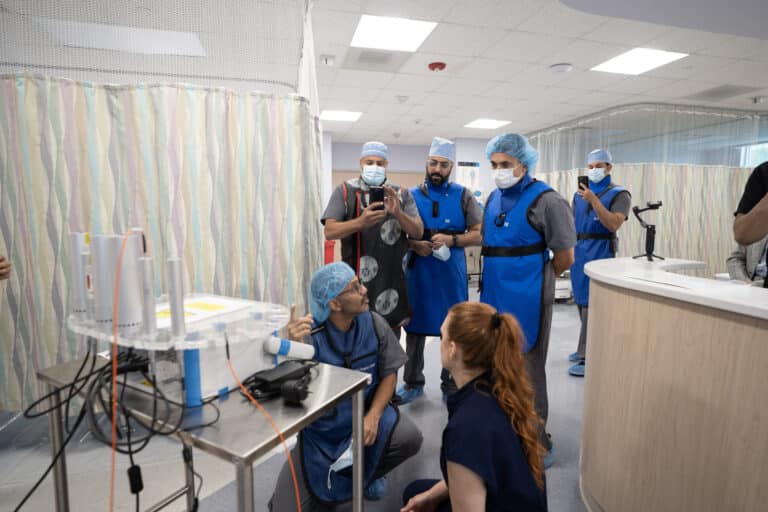
The hands-on day is in person, at an instructor’s practice or inside yours.





Common questions
What Anchorage providers ask before they book.
How much does training in Anchorage cost?
Training inside your own practice in Anchorage starts at $10,000, with the instructor's travel and lodging included. Training at an instructor's location starts at $5,000. Both are starting points. The quote depends on the discipline, the instructor, how many people are training and how much of the curriculum is built around you.
Does Alaska have a stem cell law?
We found no Alaska law written specifically for stem cell products. The nearest thing is the Right to Try section of the medical practice act, AS 08.64.367, which keeps the State Medical Board from disciplining a physician who gives an investigational product to a terminally ill patient under the conditions it sets. The products themselves fall under federal FDA rules. Whether a given product or procedure is allowed is a question for your counsel and your board, not us. Our reading, with the sources, is on the rules by state page.
Can an Alaska NP or PA do the hands-on part?
Within your Alaska scope, yes. Alaska gives nurse practitioners full practice authority, so the Board of Nursing's rules set the limits. A physician associate, the title Alaska law now uses for a PA, works under a written collaborative agreement with a physician unless practicing at one of the facilities the law lists. Bring your agreement, or tell us which facility you practice at, when we plan the session, and we set the hands-on plan around it before you book.
I'm not licensed in Alaska. Can I train in Anchorage?
Tell us when you request a date. When we come to you, the training happens in your own practice, under the license you already hold there. If you train at an instructor's own practice, what you do hands on depends on your licensure in the state where that practice is, and we set the plan with you before you book. Physicians weighing an Alaska license should know the State Medical Board expects the licensure compact may not be live in Alaska until early 2027.
Request a date now
Tell us about your practice and when you'd like to train.
Ready to add PRP or another regenerative procedure in Anchorage? A few quick questions, one screen at a time. Nothing here commits you to a date. A person reads every request and calls you back within one business day.
From the blog
Read it here, then do it in a course.
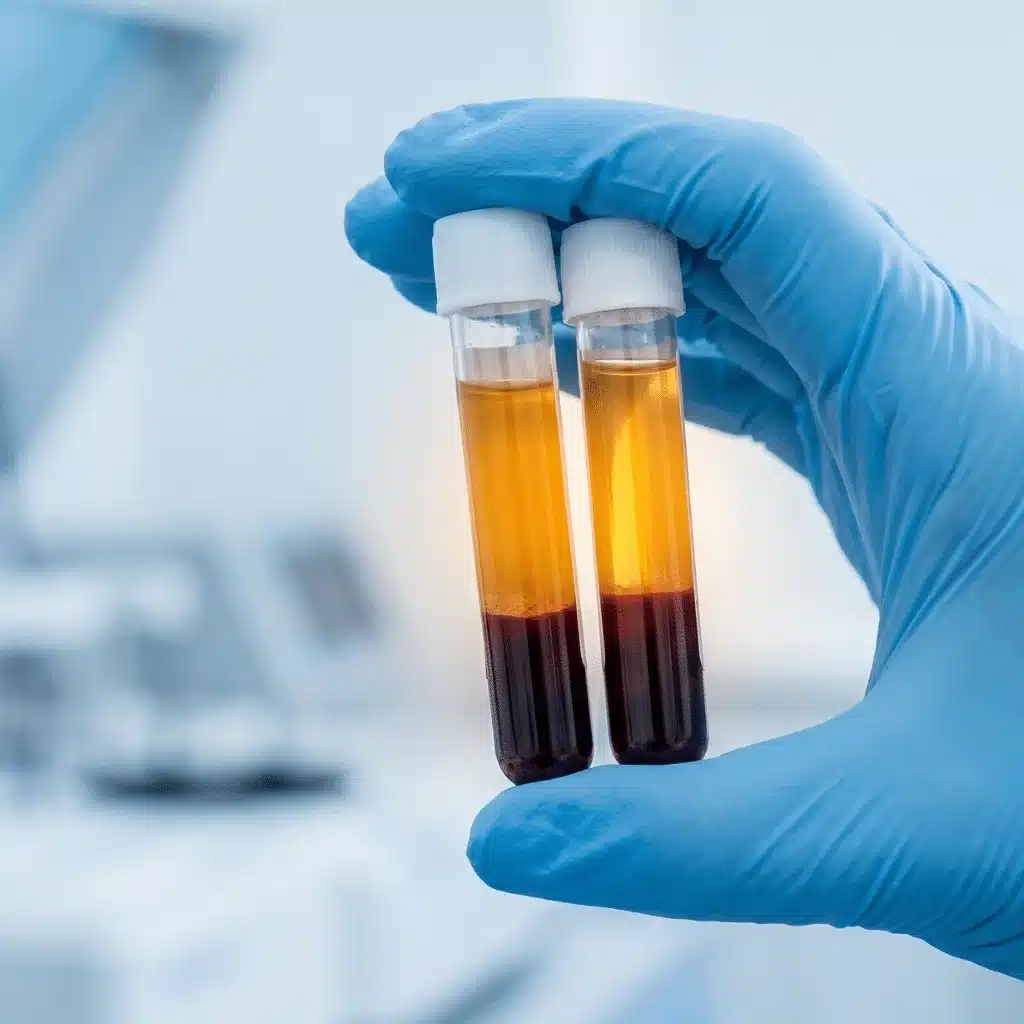
The role of growth factors in regenerative medicine: a clinical primer
Read the postPlatelet count is not the dose. A primer on the growth factors that do the work, why preparation…
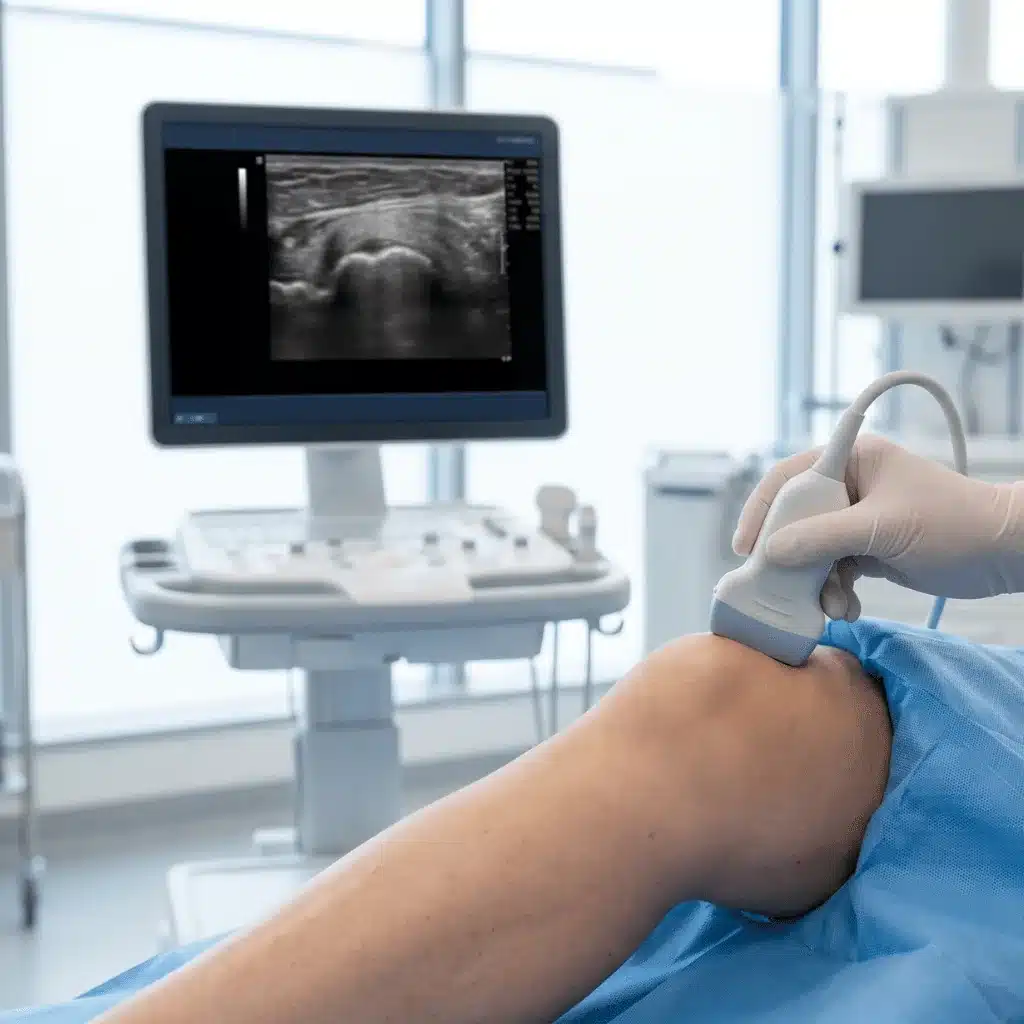
Ultrasound-guided injection techniques in regenerative medicine: why training matters
Read the postGuidance puts the needle where it belongs. It does not make you competent. What the accuracy evidence shows…
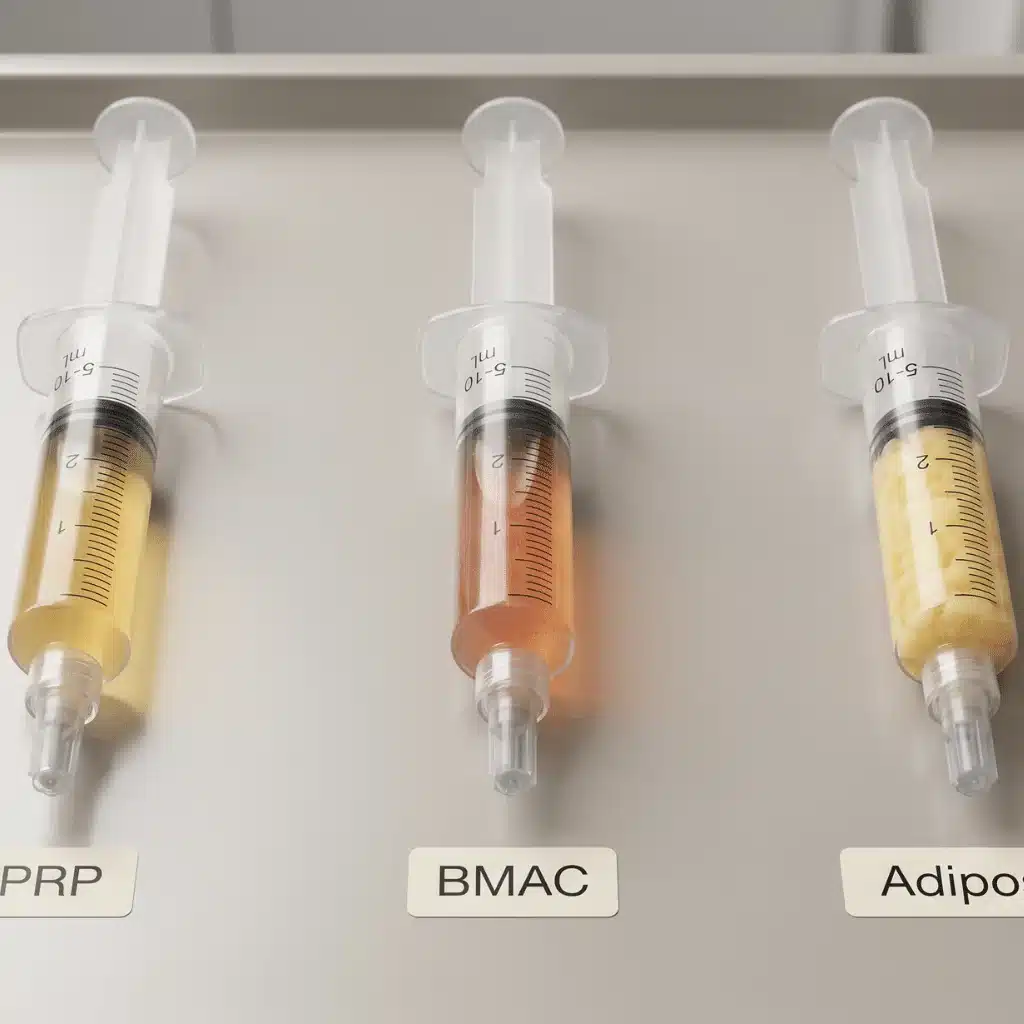
PRP vs. BMAC vs. adipose: comparing orthobiologic treatment options
Read the postPRP, BMAC and adipose are three different tools, not one product with three names. How to match modality…
Important information
Read this before you book.
Know what a course is not before you book. It won’t make you a specialist. It carries no CMEs, credit hours or accreditation, and it doesn’t cover your malpractice: you arrange that yourself. No one can promise you outcomes. It is education for licensed providers, not medical or legal advice, and some products and modalities discussed are not FDA approved or cleared for the uses discussed. The Certificate of Completion is not a license or a board certification, and it does not expand your scope of practice. Read the full notes.