
Where we train
Regenerative Medicine Training in Honolulu, Hawaii
PRP and regenerative medicine training for licensed providers in Honolulu and across Hawaii. It’s private and hands-on, on a live consenting patient.

Live patients
Private training
Practicing clinicians
U.S. based, worldwide
Training in Honolulu
Providers who would train here practice on Oʻahu and across the neighbor islands. The City and County of Honolulu takes in the whole of Oʻahu, so Kapolei, Pearl City, Mililani, Kailua and Kāneʻohe are all part of it. Kailua and Kāneʻohe are a short drive over the Koʻolau range on the Pali Highway or H-3, and Kapolei is out west along H-1. Practices on Maui, Hawaiʻi Island and Kauaʻi are a short interisland flight away.
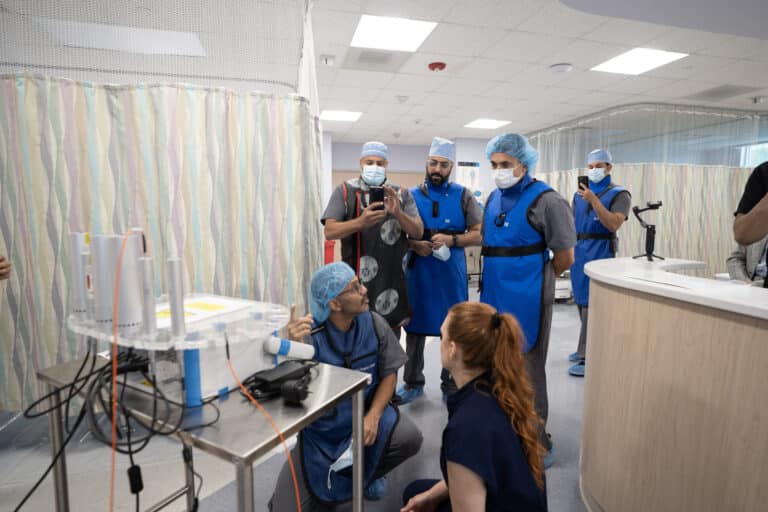
Training runs one of two ways. An instructor flies in and teaches you and your staff inside your practice, on your own equipment, with travel and lodging part of the quote. Or you go and train at an instructor’s own working practice. Whichever you pick, the session is private, you work with a real patient who has consented, and the scope is fixed before you book.
Who can train? Anyone legally able to provide the treatment in Hawaii. Your license is what decides it, and the Hawaii statutes draw a different line for each one. The two sections below walk through them, citing the statute for every line.
Local detail
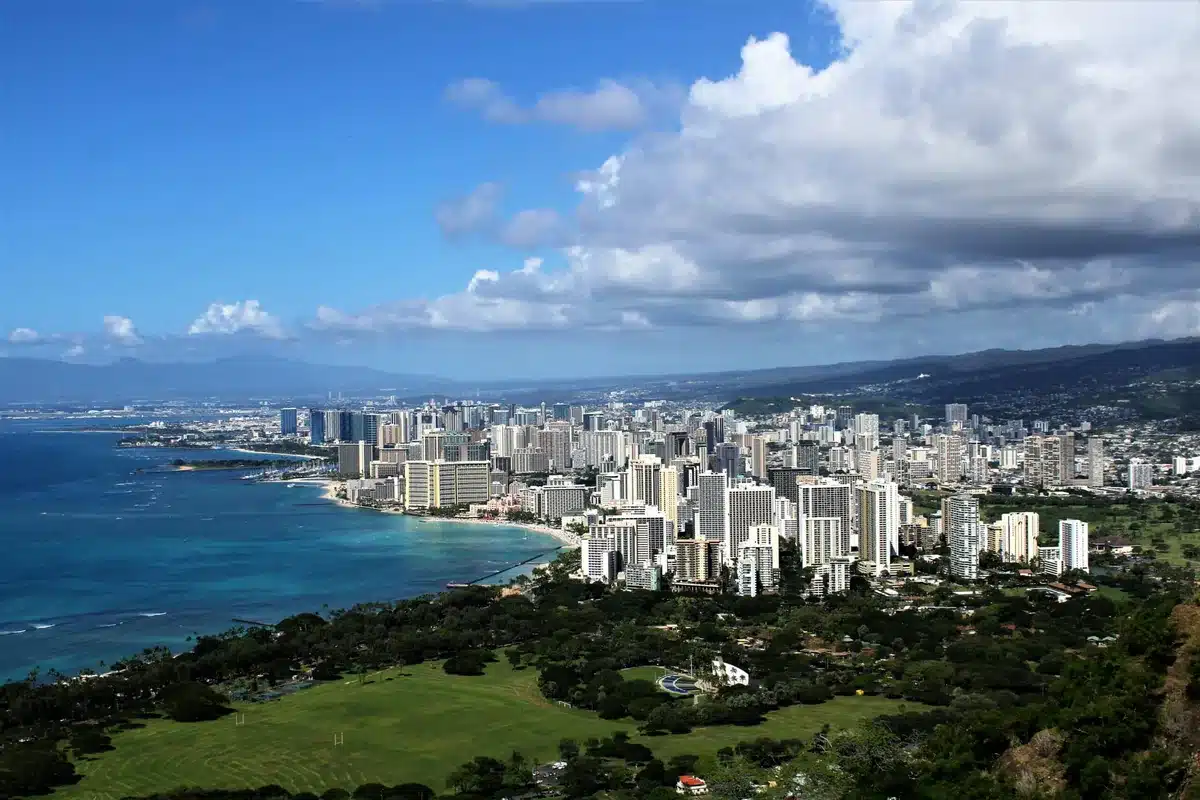
Honolulu at a glance.
Where the instructor lands, the islands a Honolulu session covers, and the hospitals and medical school around you.
Getting here
For a practice on Oʻahu, the instructor flies into Daniel K. Inouye International Airport (HNL). For a neighbor island practice it is that island’s own airport: Kahului on Maui, Kona or Hilo on Hawaiʻi Island, or Lihue on Kauaʻi. The instructor’s flights and lodging come inside the quote.
The area a Honolulu session covers
All of Oʻahu: downtown Honolulu and Waikīkī, Kapolei, Pearl City, Waipahu, Mililani, Kailua, Kāneʻohe and the North Shore. Practices on Maui, Hawaiʻi Island, Kauaʻi, Molokaʻi and Lānaʻi are covered too. On the mainland, the closest RMA pages are San Francisco and Sacramento.
Health systems on Oʻahu
Honolulu providers practice alongside The Queen’s Health Systems, a nonprofit health care organization whose hospitals include The Queen’s Medical Center, The Queen’s Medical Center West Oʻahu, Queen’s North Hawaiʻi Community Hospital and Molokai General Hospital; and Hawaiʻi Pacific Health, a not-for-profit system anchored by four medical centers, Kapiʻolani, Pali Momi, Straub Benioff and Wilcox, with more than 70 locations statewide.
The medical school and the neighbor islands
The University of Hawaiʻi John A. Burns School of Medicine, at work since 1965, describes itself as an LCME-accredited community-based medical school. By its own count, about half of all practicing physicians in Hawaii trained in its MD, residency or fellowship programs or teach on its faculty. Beyond Oʻahu, Hawaii Health Systems Corporation runs hospitals including Hilo Benioff Medical Center and Kona Community Hospital, and calls itself the safety net for neighbor island acute care.
Worth knowing
To build The Queen’s Hospital, Queen Emma and King Kamehameha IV went door to door along the byways, docks, businesses and residences of Honolulu, and the King and his cabinet named the hospital for her. It was established in 1859. Source
Hawaii scope
What each Hawaii license allows.
What you do hands on depends on your license, in Hawaii as everywhere else. Here is how the Hawaii Revised Statutes read for each license we train, as of October 2026, with each section linked. Read it as a starting point, not legal advice.
It is your responsibility to confirm the modality is legal in your state for your license. Do that before you book. The authority on your own scope is your licensing board, not us.
Physicians, MD and DO
The Hawaii Medical Board licenses physicians and osteopathic physicians, along with physician assistants and podiatrists. Hawaii law says the practice of medicine by a physician or an osteopathic physician “includes the use of drugs and medicines; surgery; manual medicine,” along with any other means, method or agent used to diagnose or correct disease. Source How we read it: injections and tissue harvests sit inside that definition, so the hands-on work counts as practicing medicine in Hawaii, and the license rule and its exemptions, set out in the law section below, apply to it.
Nurse practitioners
Hawaii has full practice authority for nurse practitioners, according to the AANP. Source Under HRS 457-2.7, the advanced practice registered nurse’s scope “includes but is not limited to advanced assessment; telehealth; and the diagnosis, prescription, selection, and administration of therapeutic measures,” within the nurse’s role and specialty-appropriate education and certification. The same section asks the nurse to recognize the limits of their knowledge and experience and to consult with or refer to other providers as appropriate. Source
Physician assistants
Hawaii physician assistants practice medicine under the supervision of a physician, osteopathic physician or group of physicians. The Hawaii Medical Board licenses them and sets the degree of supervision. In a physician assistant’s first year, the supervising physician reviews fifty percent of medical records within thirty days of the visit for six months, then twenty-five percent for six months. After the first year, the physician keeps a regular sample review and spends at least thirty minutes each month auditing records. Source
Registered nurses
Hawaii’s definition of registered nursing includes the “use of reasonable judgment in carrying out prescribed medical orders” of a licensed physician, osteopathic physician, dentist or podiatrist, as well as orders of an advanced practice registered nurse, or of a physician assistant acting as the agent of the supervising physician. Source How we read it: a Hawaii RN’s part in a procedure runs on one of those orders. Whether a particular step is RN work is for the Board of Nursing to say.
Chiropractors
Hawaii defines chiropractic as “the science of palpating and adjusting the articulations of the human spinal column by hand,” and lists supporting methods such as thermal applications, traction, electrical stimulation and ultrasound. Source A chiropractic license “shall not authorize the administration of drugs or medicine now or hereafter included in materia medica, or the performance of any surgical operation.” Source Put any injection course to the Hawaii Board of Chiropractic before you book.
Physical therapists
Under HRS 461J-1, the practice of physical therapy includes physical agents such as heat, cold, water, sound and electricity, exercise with or without devices, joint mobilization, and tests and measurements. Injections do not appear in it. The list is open ended, though: the practice “includes, but is not limited to” those items, so the wording alone does not settle the question. Source Before you book an injection course, put the question to the Board of Physical Therapy.
Hawaii law
The Hawaii rules that touch regenerative medicine.
State law in this field changes, sometimes more than once a year. Our reading of each state, with its sources and the date we checked, is on the rules by state page. It is a starting point, not legal advice.
No Hawaii stem cell statute
We found no Hawaii law written specifically for stem cell products. That leaves two layers. Hawaii’s licensing laws decide who may perform a procedure. Federal law decides which products may be marketed: the FDA states that it regulates regenerative medicine products, and names among the unapproved ones, whether recovered from the patient’s own body or another person’s, stem cells, stromal vascular fraction, cord blood, amniotic fluid, Wharton’s jelly, ortho-biologics and exosomes. Source
A Hawaii license, and the consultation exemption
No one may practice medicine or surgery in Hawaii, “either gratuitously or for pay,” without a valid license or a limited and temporary license from the Hawaii Medical Board. One exemption covers a physician from another state “when in actual consultation” with a Hawaii physician or osteopathic physician, in person or by telehealth, if the visiting physician is licensed where they live, does not open an office or appoint a place to meet patients in Hawaii, and the Hawaii physician keeps control of and responsibility for the care. Source How we read it: the exemption is written for consultation. Whether it reaches any hands-on work is a question for the board, not one to assume.
Federal rules still apply
Hawaii law sits on top of federal law, not in place of it. The FDA’s rules for human cells, tissues, and cellular and tissue-based products apply in every state. Our summary is in the federal section of the rules by state page.
Your boards in Hawaii
Formats and pricing
Two ways to train in Honolulu, and both are private.
The hands-on work with a consenting patient is the same either way. What changes is whose room it is, and who from your practice is in it. Both prices are starting points: the quote depends on the course, how many people are training and how much of the curriculum is built around you.
At an instructor location
From $5,000
You come to us, at an instructor’s own working practice.
At your own practice
From $10,000
We come to you, anywhere in Hawaii, with the instructor’s travel and lodging inside the quote. What on-site training includes.
Cancel or refund any time up to thirty days out. Inside thirty days, no refund.
On a refund, covering card processing and office costs.
To move your date, covering the travel that moves with it.
Questions about dates, format or fit? Talk to us.
Training courses we offer
Every course runs in Honolulu.
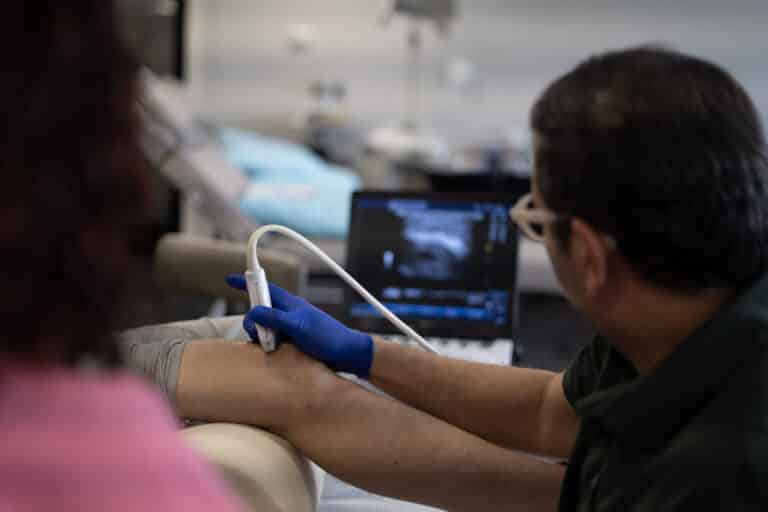
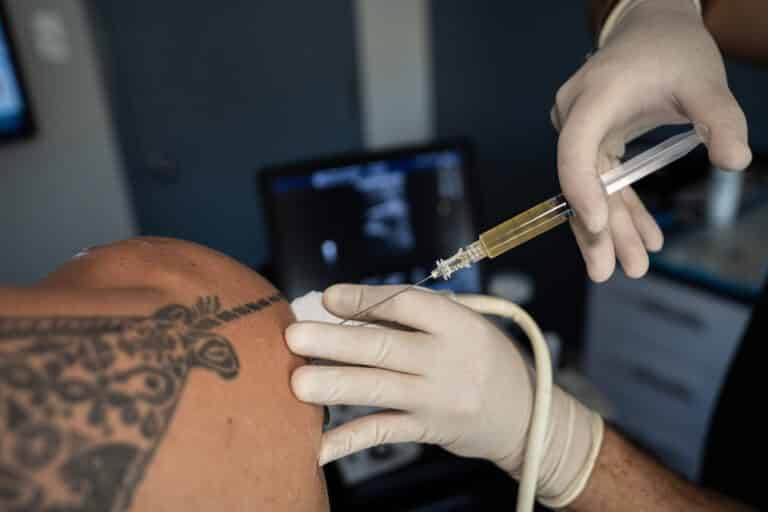
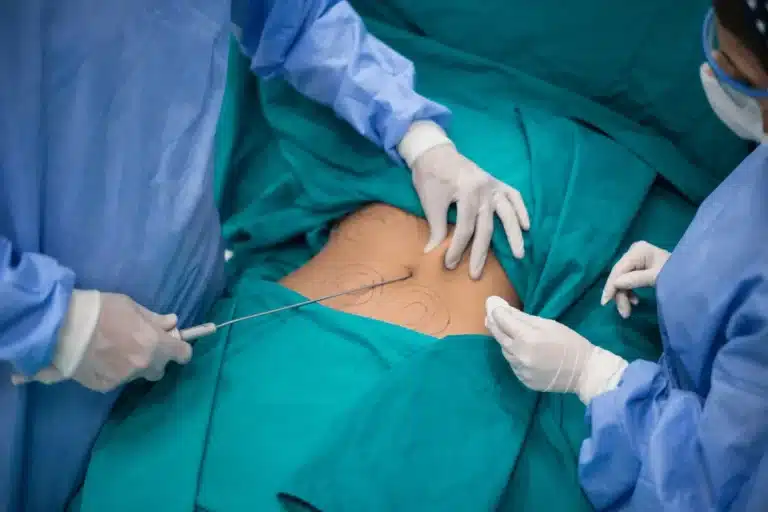
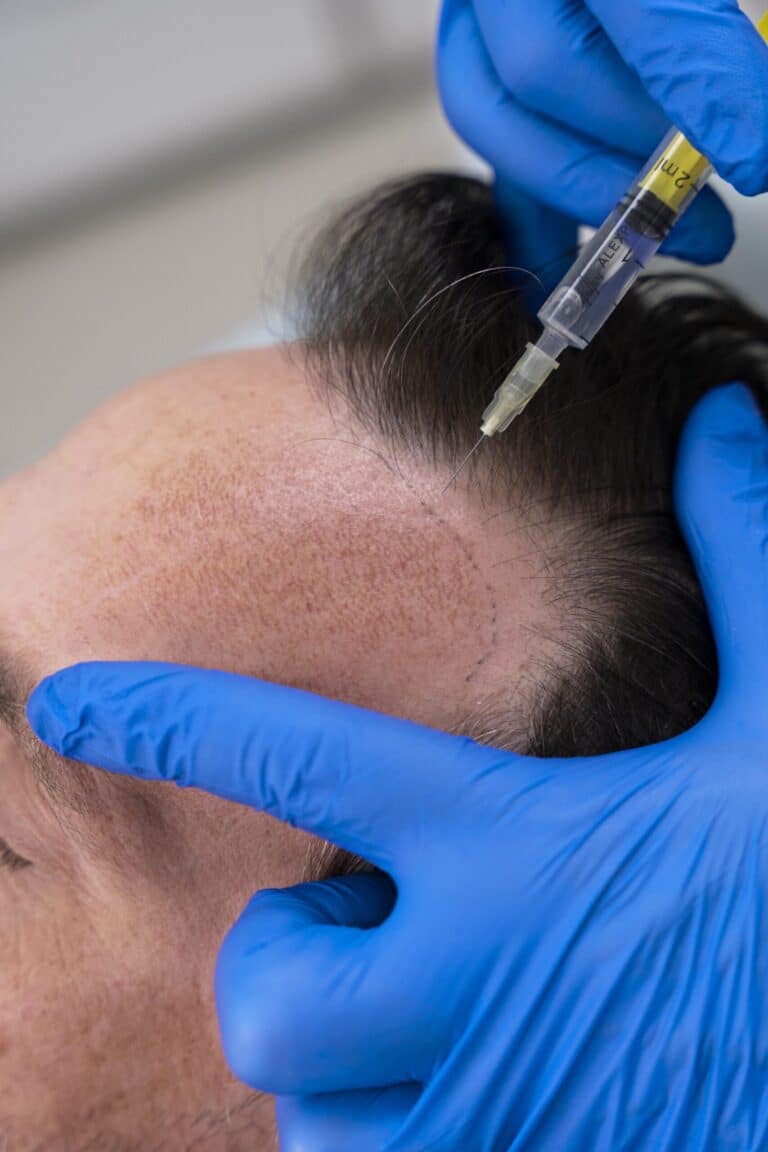
The hands-on day is in person, at an instructor’s practice or inside yours.



Common questions
What Honolulu providers ask before they book.
How much does training in Honolulu cost?
Training inside your own practice in Honolulu starts at $10,000, with the instructor's travel and lodging included. Training at an instructor's location starts at $5,000. Both are starting points. The quote depends on the discipline, the instructor, how many people are training and how much of the curriculum is built around you.
Does Hawaii have a stem cell law?
Not one we could find written specifically for stem cell products. What governs instead is Hawaii's licensing law, chapter 453 for physicians and physician assistants and chapter 457 for nurses, which decides who may perform a procedure, and federal FDA rules, which decide which products may be marketed. Whether a given product or procedure is allowed is for your counsel and your board to judge, not us. We set out our reading, sourced, on the rules by state page.
Can a Hawaii NP or PA do the hands-on part?
Within your Hawaii scope, yes. Nurse practitioners have full practice authority, within the role and specialty that their education and certification support. Physician assistants practice under physician supervision at a degree the Hawaii Medical Board sets, with the supervising physician reviewing records. Bring your supervision terms when we plan the session, and we fit the hands-on plan to them before you book.
I'm not licensed in Hawaii. Can I train in Honolulu?
Mention it when you ask for a date. When the instructor comes to you, you train in your own practice under the license you already hold. If you train at an instructor's own practice, your hands-on work depends on whether you are licensed in the state where that practice is, and we plan it with you before you book. Hawaii has a narrow exemption for out-of-state physicians in actual consultation with a Hawaii physician. Ask the Hawaii Medical Board before you count on it.
Request a date now
Tell us about your practice and when you'd like to train.
Ready to add PRP or another regenerative procedure in Honolulu? A few quick questions, one screen at a time. Nothing here commits you to a date. A person reads every request and calls you back within one business day.
From the blog
Read it here, then do it in a course.
The role of growth factors in regenerative medicine: a clinical primer
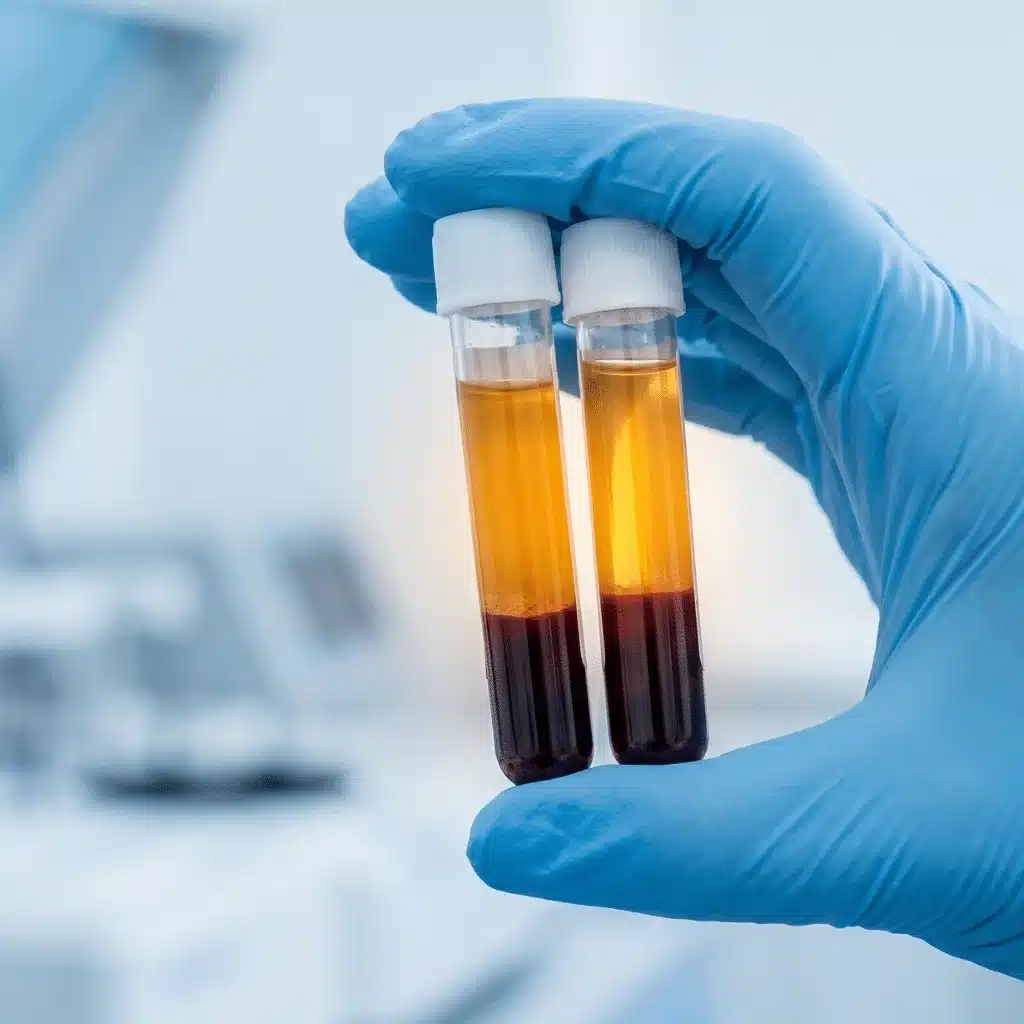
Read the postPlatelet count is not the dose. A primer on the growth factors that do the work, why preparation…
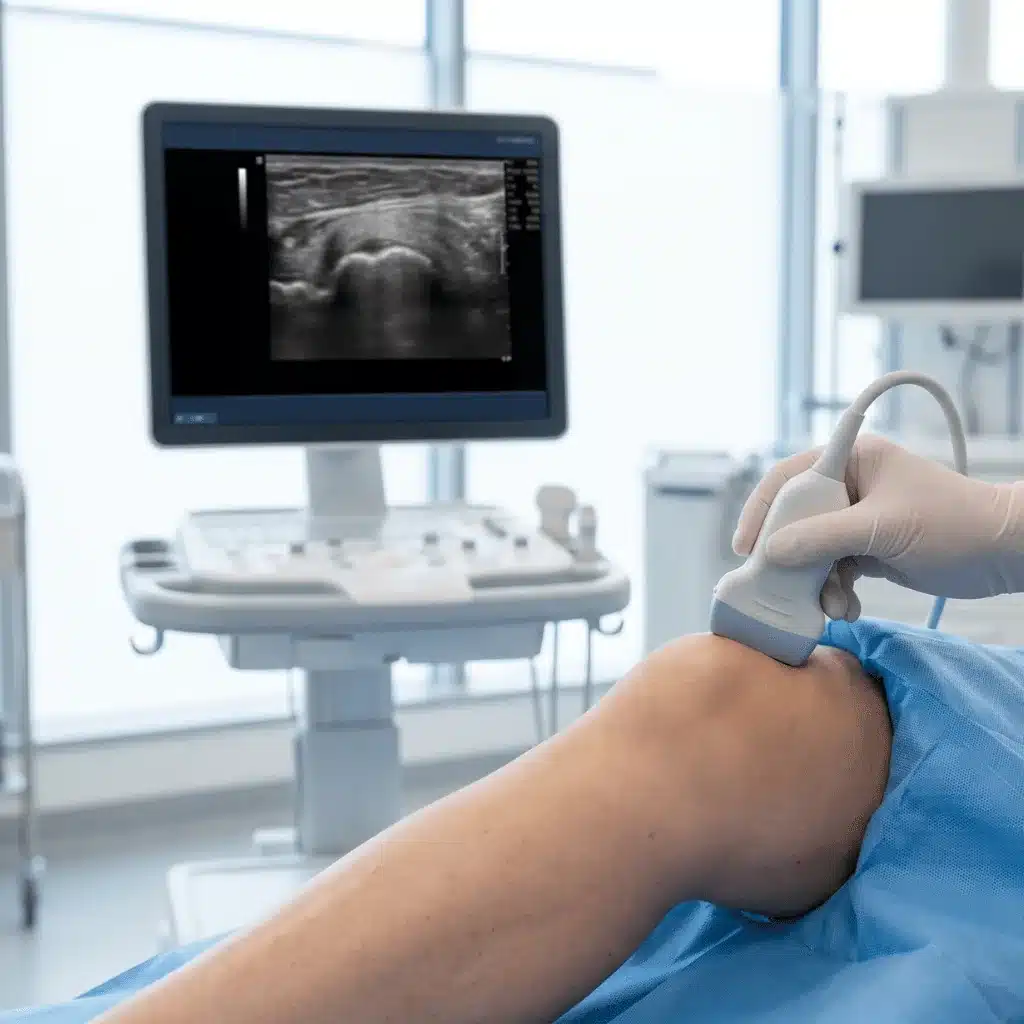
Ultrasound-guided injection techniques in regenerative medicine: why training matters
Read the postGuidance puts the needle where it belongs. It does not make you competent. What the accuracy evidence shows…
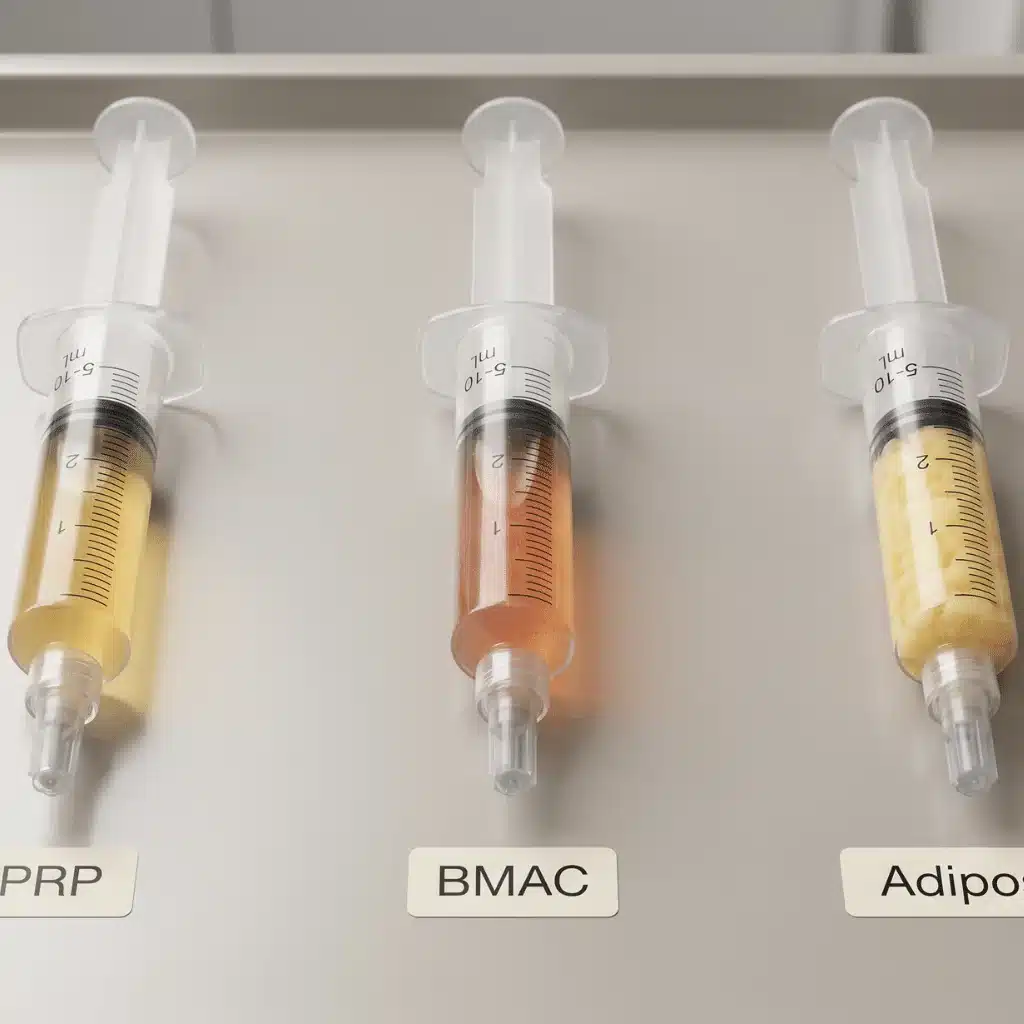
PRP vs. BMAC vs. adipose: comparing orthobiologic treatment options
Read the postPRP, BMAC and adipose are three different tools, not one product with three names. How to match modality…
Important information
Read this before you book.
Know what a course is not before you book. It won’t make you a specialist. It carries no CMEs, credit hours or accreditation, and it doesn’t cover your malpractice: you arrange that yourself. No one can promise you outcomes. It is education for licensed providers, not medical or legal advice, and some products and modalities discussed are not FDA approved or cleared for the uses discussed. The Certificate of Completion is not a license or a board certification, and it does not expand your scope of practice. Read the full notes.