
Where we train
Regenerative Medicine Training in Cleveland, Ohio
PRP and regenerative medicine training for licensed providers in Cleveland and across Ohio. It’s private and hands-on, on a live consenting patient.

Live patients
Private training
Practicing clinicians
U.S. based, worldwide
Training in Cleveland
Most providers who look at Cleveland training practice in Northeast Ohio, in Cuyahoga County or the suburbs around it, from Lakewood and Westlake to Beachwood and Mentor. Lorain and Elyria are a short run west on I-90, Medina is south on I-71, and Akron is about 40 minutes down I-77, with Canton about an hour.
You can train two ways. The instructor travels to your practice and teaches you and your team on the equipment you already use, with travel folded into the quote. Or you go to an instructor’s own working practice and train there. In both, the session is private, the patient is real and has consented, and the scope is agreed before you book.
Who can train? Anyone legally able to provide the treatment in Ohio. Your license decides that, and Ohio sets different limits for each one. The Ohio section below sums them up and links to the full reading, license by license, with the statute behind each one.
Local detail
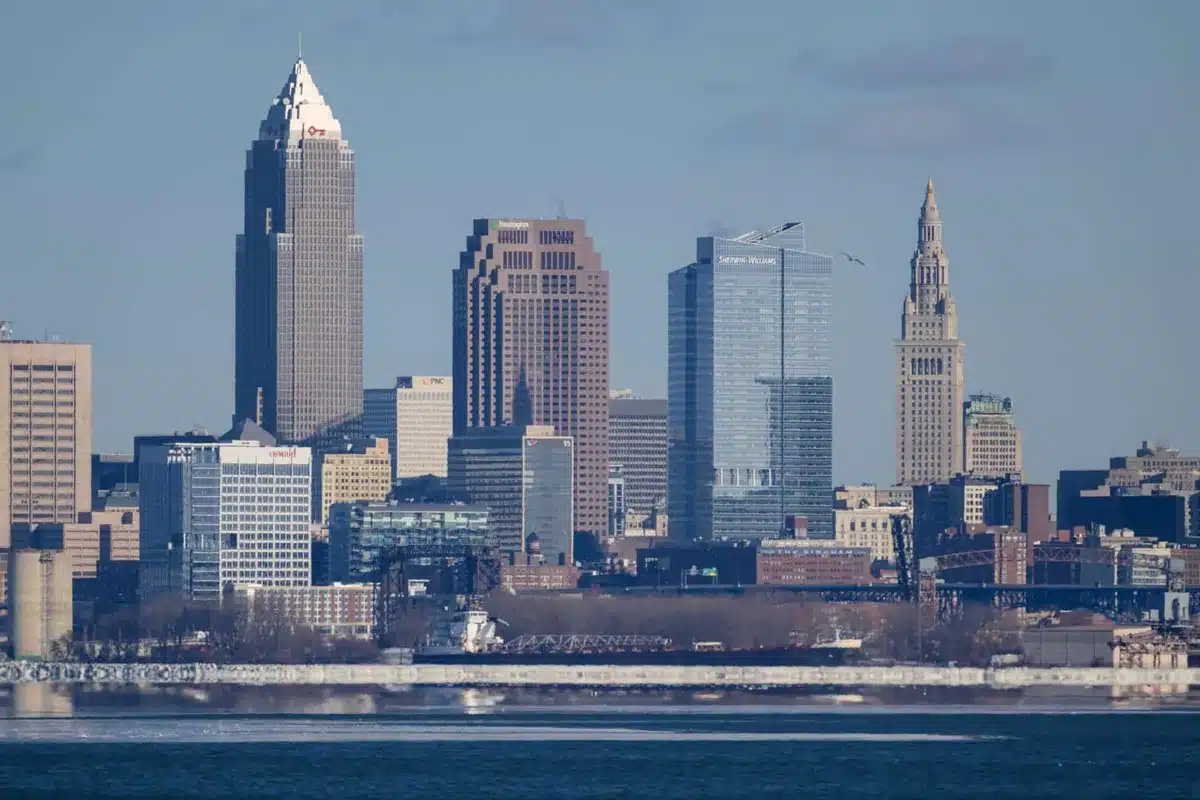
Cleveland at a glance.
Where the instructor lands, which part of Northeast Ohio a Cleveland session reaches, and the hospitals and schools around you.
Getting here
For training inside your practice, the instructor usually flies into Cleveland Hopkins International Airport (CLE). A practice in Summit or Stark County may sit closer to Akron-Canton Airport (CAK) in North Canton, and we use whichever saves the drive. Travel and lodging are part of the quote.
The area a Cleveland session covers
Cuyahoga County and its neighbors: Lake and Geauga to the east, Lorain to the west, and Medina, Summit and Stark to the south. That takes in Lakewood, Westlake, Parma, Strongsville, Beachwood, Solon, Mentor, Elyria, Lorain, Medina, Akron and Canton. Practices elsewhere in the region have their own pages: Columbus, Cincinnati, Detroit and Pittsburgh.
Health systems in Cuyahoga County
Cleveland providers practice alongside Cleveland Clinic, which describes itself as a nonprofit multispecialty academic medical center that integrates clinical and hospital care with research and education; University Hospitals, founded in 1866, with an integrated network of 21 hospitals, including five joint ventures, in 16 counties across northern Ohio; and MetroHealth, an academic medical center with five hospitals and more than a dozen health centers throughout Cuyahoga County.
Medical schools and Akron
Case Western Reserve University School of Medicine dates to 1843, and University Hospitals and MetroHealth both work with it as academic partners. Northeast Ohio Medical University, in Rootstown, was established by state charter in 1973 and has colleges of medicine, pharmacy and dentistry. In Akron, Summa Health describes itself as an integrated healthcare delivery system, headquartered in the city, with two main hospitals and 20 health centers.
Worth knowing
Western Reserve College founded its Medical Department in Cleveland in 1843. Beginning with Nancy Talbot Clarke in 1852 and Emily Blackwell in 1854, it had by 1856 graduated six of the first seven women to earn a medical degree from a recognized medical school in the United States. Source
The market
Northeast Ohio in numbers.
Public figures for Cuyahoga County and the counties beside it: who lives here, which way the population is moving, and how the clinicians around you are organized. Each number links to the page that publishes it.
1.2 million residents, 59 communities
Cuyahoga County had 1,232,925 residents in the Census Bureau’s July 2025 estimate, on about 457 square miles of land. Source The Cuyahoga County Planning Commission writes of “the County and its 59 communities.” Source Cleveland is one of the 59. A practice that gives its city as Cleveland may sit in Westlake, Parma or Beachwood, so tell us which community you are in when you request a date.
Lake Erie on one side
The county’s northern edge is water. The planning commission puts the Lake Erie shoreline inside Cuyahoga County at 30 miles, running from the Lorain County line in the west to the Lake County line in the east. Source So the market is a half circle. Every county a Cleveland session covers lies east, west or south of the city, and none lies north.
Cuyahoga is smaller than in 2020, Lorain is larger
More residents 65 and over than under 18
Residents 65 or older make up 21.5 percent of Cuyahoga County, and residents under 18 make up 19.6 percent. Source For the United States the order is reversed: 18.9 percent are 65 or older and 21.1 percent are under 18. Source Lake County is older again: 24.5 percent of its residents are 65 or older, close to one in four. Source All of these describe residents. None of them is a count of patients.
Akron is a second center, not a suburb
Summit County, where Akron is, has 538,376 residents on about 413 square miles. Source It shares an airport with Canton: Akron-Canton Airport is governed by an authority with eight trustees, four appointed by the Stark County commissioners and four by the Summit County executive. Source Add Summit, Lorain and Lake to Cuyahoga and the four counties come to 2,326,737 residents, by our sum of the Census estimates above.
A medical society that dates to 1824
The Academy of Medicine of Cleveland & Northern Ohio says it was originally formed in 1824 as the Nineteenth District of Ohio, and calls itself the oldest professional organization in the state. It reports a membership of over 7,458 physicians, and its bylaws let it accept members from all of the contiguous counties in Northern Ohio.
Clinicians, by the health systems' own counts
Cleveland Clinic reports about 6,600 physicians and scientists, 4,300 advanced practice providers and 17,600 registered nurses at the end of 2025. Those are totals for the whole system, and its page does not break out Northeast Ohio. MetroHealth counts more than 600 doctors and 1,700 nurses on its team. University Hospitals says it comprises over 30,000 caregivers.
Where the practice offices are
In 2023 Cuyahoga County had 640 offices of physicians, 107 offices of chiropractors and 118 offices of physical, occupational and speech therapists and audiologists, a single group in the Census Bureau’s County Business Patterns county file. Source Summit County had 277 physician offices, Lorain 116 and Lake 111. Cuyahoga holds 640 of the 1,144 physician offices in the four counties, a little over half, and Summit about a quarter, which fits Akron’s place as a second center. Each figure is a business location with paid employees. None of them is a count of clinicians.
Local rules
What Cleveland and Cuyahoga County ask of a practice.
Ohio decides what each license may do, and that reading is in the Ohio section of this page. What follows is the practice as a business: the offices that handle your name, your space and your waste in Cleveland, as of October 2026. It is a place to start and not legal advice, so confirm each point with the office named.
City licenses and permits
Inside Cleveland, the Division of Assessments and Licenses says it “processes and issues over 140 types of licenses and permits to ensure business owners may operate legally within the City.” Source Ask the division whether any of them applies to a medical office at your address.
Trade names are filed with the state
Asked about filing a “DBA,” the Ohio Secretary of State’s office answers: “In Ohio, you file a trade name or report a fictitious name, which serves a similar purpose.” Source The statute says a person doing business under a fictitious name that is not registered as a trade name “shall report the use of the fictitious name to the secretary of state.” Source How we read it: when the name on the door is not the owner’s, start with the Secretary of State.
A change of use needs a new certificate
Cleveland’s Department of Building and Housing issues the Certificate of Occupancy. Among other cases, it says one is required for new construction, for a “change in use of an existing structure or establishment,” and for renovations or additions that change the use. With no such change, the certificate “remains active and does not need to be renewed.” Source How we read it: find out what use your suite is certified for now. In a suburb, that question goes to the suburb’s own city hall.
City or county health department
The Ohio Department of Health lists the Cuyahoga County Board of Health, in Parma, with this note: “Serving most of Cuyahoga County. For concerns in the city of Cleveland, please contact the Cleveland Department of Public Health.” Source That department calls itself “the local public health agency for the City of Cleveland.” Source How we read it: which office is yours depends on whether the address is inside the city limits.
Infectious waste and the 50 pound line
The Ohio Environmental Protection Agency classifies a generator as small “when less than 50 pounds of infectious waste are generated per calendar month,” and requires small generators to keep a monthly generation log. Source At 50 pounds or more in a calendar month it is a large generator and must register as an infectious waste generator within 30 days after the last day of that month. Source How we read it: sharps from a new procedure count toward that monthly total.
Ohio rules
Ohio scope and law, in brief.
This is Ohio in brief, as of October 2026. For the full reading, license by license with every statute linked, go to the Ohio scope and law sections on our Columbus page. Our summary sits on the rules by state page. It is a starting point, not legal advice.
It is your responsibility to confirm the modality is legal in your state for your license. Do that before you book. The authority on your own scope is your licensing board, not us.
Physicians, NPs and PAs
The State Medical Board of Ohio licenses physicians. Source Ohio has reduced practice for nurse practitioners, according to the AANP. Source A certified nurse practitioner may practice only under a standard care arrangement with each collaborating physician or podiatrist. Source A physician assistant works under a supervision agreement Source and performs the services the supervising physician authorizes within that physician’s normal practice. Source
RNs, chiropractors and physical therapists
How we read the Nurse Practice Act: an RN’s part in a procedure starts from an authorized practitioner’s order. Source Ohio law does not permit a chiropractor to perform surgery, prescribe drugs, or administer any drug beyond the items it lists. Source How we read it: an injection course raises questions only the board can answer, so ask it in writing before you book. Injected drugs are not in Ohio’s definition of physical therapy. Source Check an injection course with the board first.
Stem cell law and Right to Try
We found no Ohio law written specifically for stem cell products as of September 2026. Take product questions to the State Medical Board of Ohio. Ohio’s Right to Try law covers a narrow case: investigational products for a patient with a terminal condition. Source The FDA’s rules apply in every state.
Formats and pricing
Two ways to train in Cleveland, and both are private.
The hands-on work with a consenting patient is the same either way. What changes is whose room it is, and who from your practice is in it. Both prices are starting points: the quote depends on the course, how many people are training and how much of the curriculum is built around you.
At an instructor location
From $5,000
You come to us, at an instructor’s own working practice.
At your own practice
From $10,000
We come to you, anywhere in Ohio, with the instructor’s travel and lodging inside the quote. What on-site training includes.
Cancel or refund any time up to thirty days out. Inside thirty days, no refund.
On a refund, covering card processing and office costs.
To move your date, covering the travel that moves with it.
Questions about dates, format or fit? Talk to us.
Training courses we offer
Every course runs in Cleveland.
The hands-on day is in person, at an instructor’s practice or inside yours.



Common questions
What Cleveland providers ask before they book.
How much does training in Cleveland cost?
Training inside your own practice in Cleveland starts at $10,000, with the instructor's travel and lodging included. Training at an instructor's location starts at $5,000. Both are starting points. The quote depends on the discipline, the instructor, how many people are training and how much of the curriculum is built around you.
Do you come to the suburbs, or only to practices in the city of Cleveland?
The suburbs too. The Cuyahoga County Planning Commission counts 59 communities in the county, Source and a session can run in any of them, or in Lake, Geauga, Lorain, Medina, Summit or Stark County. Tell us the community and the street address up front. Travel and lodging for the instructor are built into the quote, whichever community it is.
My practice is in Akron. Is this the right page, or is there an Akron page?
This is the right page. Summit County, home to 538,376 residents, Source is inside the area a Cleveland session covers, and so are Canton and Stark County. We have no separate Akron page. Ohio practices nearer the middle or the south of the state are on the Columbus and Cincinnati pages.
Does the instructor fly into Cleveland Hopkins or Akron-Canton?
It depends which one your practice is nearer. Cleveland Hopkins puts itself 12 miles from downtown Cleveland, Source and says the RTA Red Line runs from the airport to downtown in less than 30 minutes. Source Akron-Canton Airport is in North Canton, and we would plan on it for a practice in Summit or Stark County. The quote already includes the instructor's travel and lodging, from either airport.
Are the rules in Cleveland any different from Columbus or Cincinnati?
No. What each license allows is decided by the State of Ohio and its boards, not by a city or a county, so a Cleveland practice works under the same rules as one in Columbus or Cincinnati. The Ohio section above is the short version. The full reading, one license at a time, is on our Columbus page. What changes the answer is the license you hold.
I'm not licensed in Ohio. Can I train in Cleveland?
Yes, and the plan follows your license. Training inside your own practice runs under the license you already hold where you practice. Training at an instructor's location in Ohio is different: what you do hands on there depends on your Ohio licensure. Raise it when you request a date and we settle it with you before you book.
Request a date now
Tell us about your practice and when you'd like to train.
Ready to add PRP or another regenerative procedure in Cleveland? A few quick questions, one screen at a time. Nothing here commits you to a date. A person reads every request and calls you back within one business day.
From the blog
Read it here, then do it in a course.
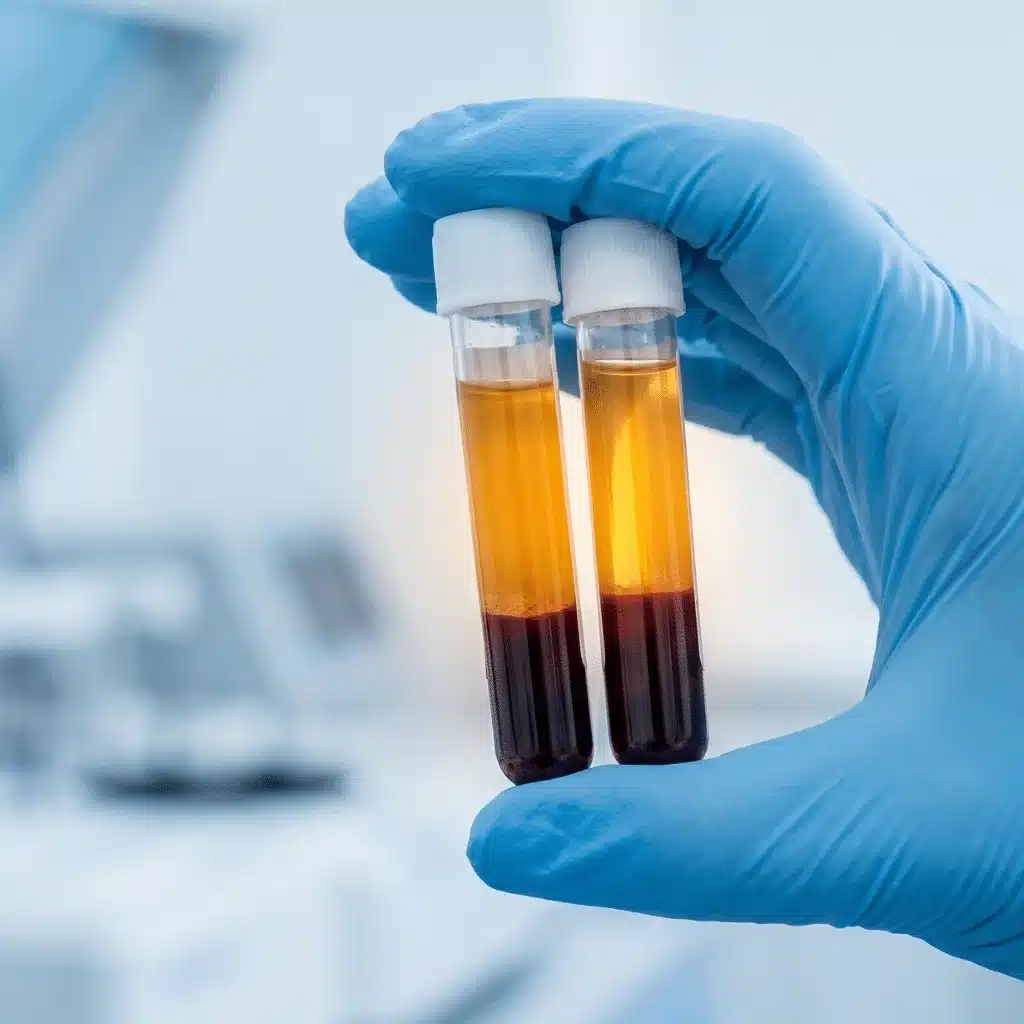
The role of growth factors in regenerative medicine: a clinical primer
Read the postPlatelet count is not the dose. A primer on the growth factors that do the work, why preparation…
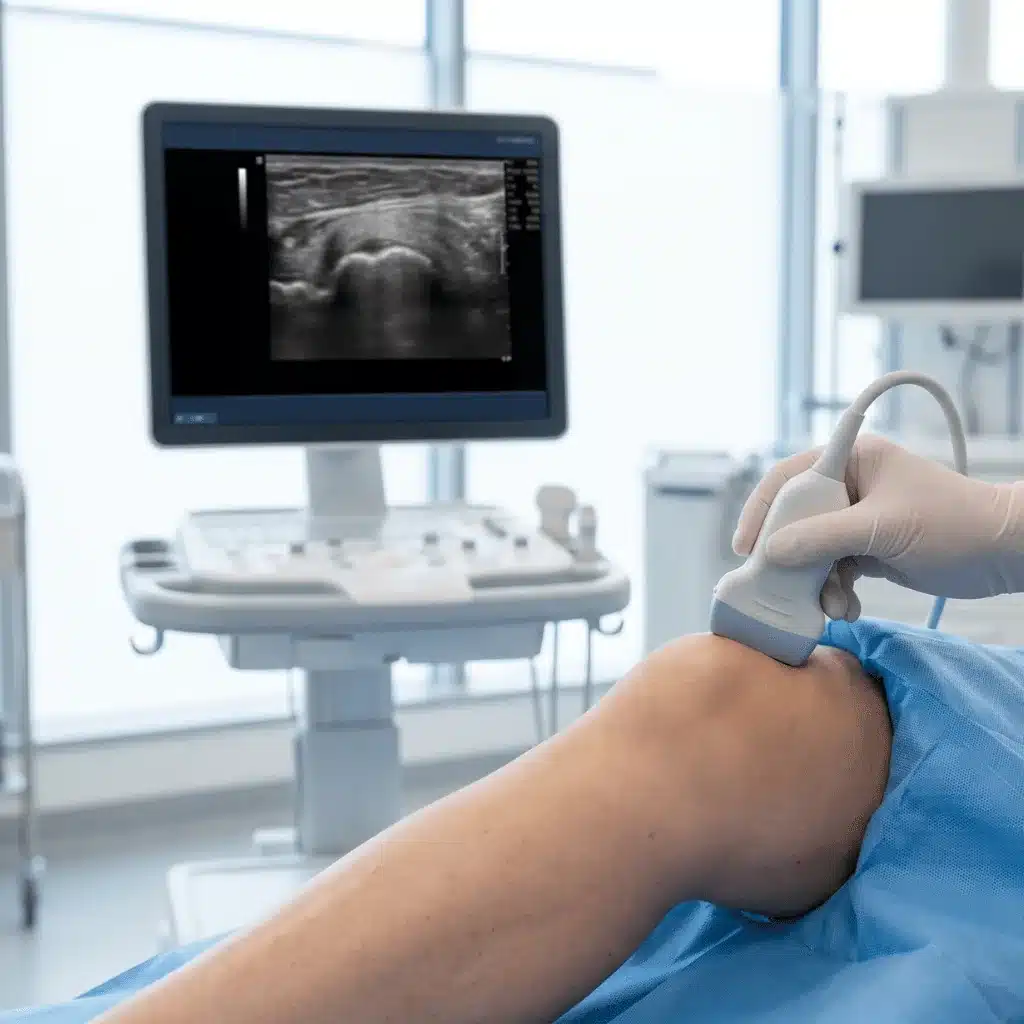
Ultrasound-guided injection techniques in regenerative medicine: why training matters
Read the postGuidance puts the needle where it belongs. It does not make you competent. What the accuracy evidence shows…
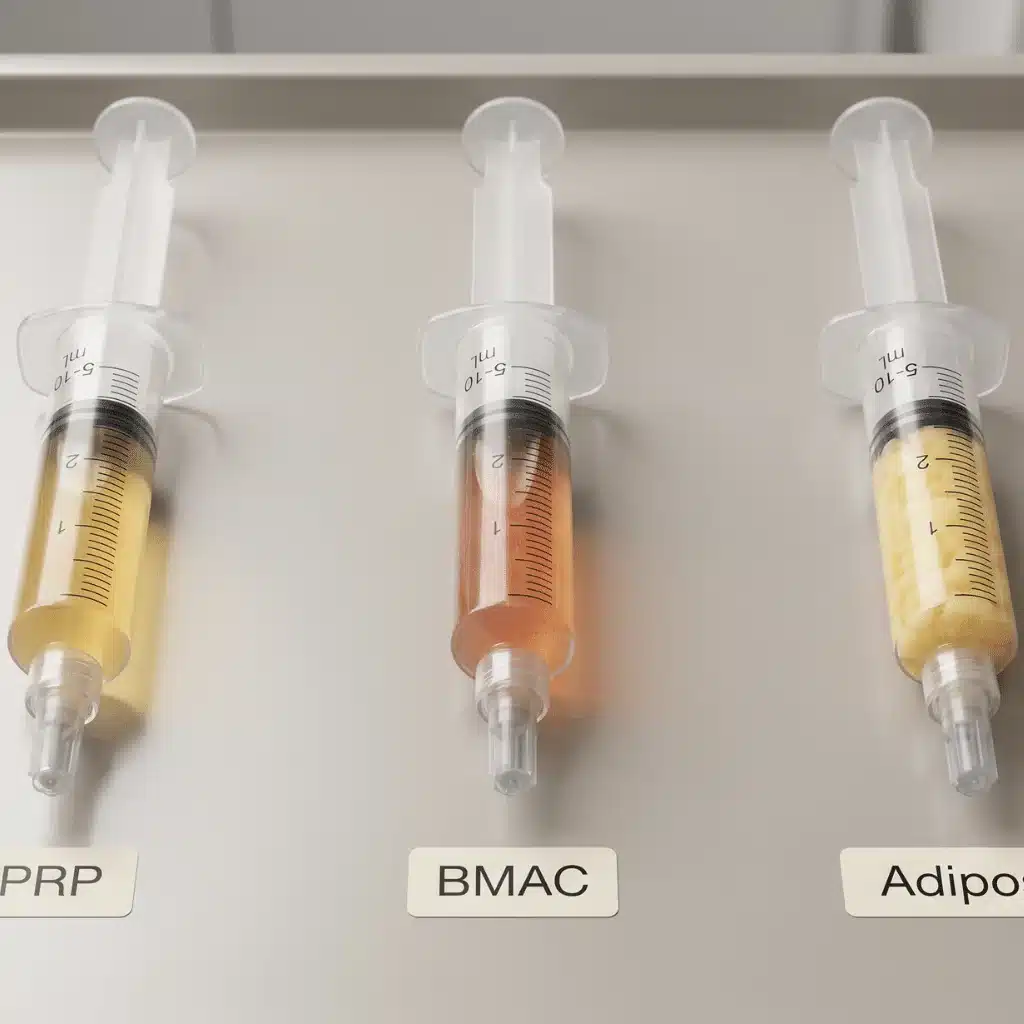
PRP vs. BMAC vs. adipose: comparing orthobiologic treatment options
Read the postPRP, BMAC and adipose are three different tools, not one product with three names. How to match modality…
Important information
Read this before you book.
Know what a course is not before you book. It won’t make you a specialist. It carries no CMEs, credit hours or accreditation, and it doesn’t cover your malpractice: you arrange that yourself. No one can promise you outcomes. It is education for licensed providers, not medical or legal advice, and some products and modalities discussed are not FDA approved or cleared for the uses discussed. The Certificate of Completion is not a license or a board certification, and it does not expand your scope of practice. Read the full notes.