
Where we train
Regenerative Medicine Training in Charlotte, North Carolina
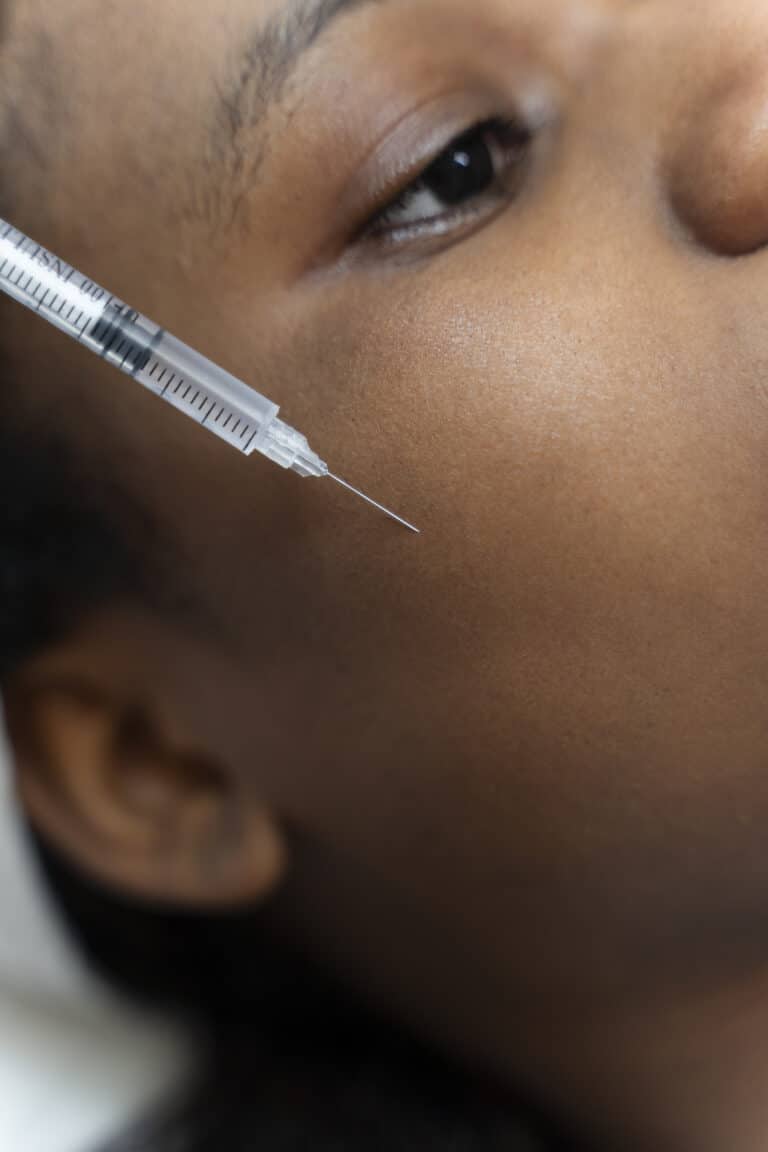
PRP and regenerative medicine training for licensed providers in Charlotte and across North Carolina. It’s private and hands-on, on a live consenting patient.

Live patients
Private training
Practicing clinicians
U.S. based, worldwide
Training in Charlotte
A Charlotte session serves a metro that runs into South Carolina: Mecklenburg, Cabarrus, Union, Gaston and Iredell counties in North Carolina, and York and Lancaster counties across the line. Concord, Huntersville, Matthews, Gastonia and Mooresville are inside the everyday drive. Rock Hill is about half an hour south on I-77, and Greensboro is about an hour and a half northeast on I-85.
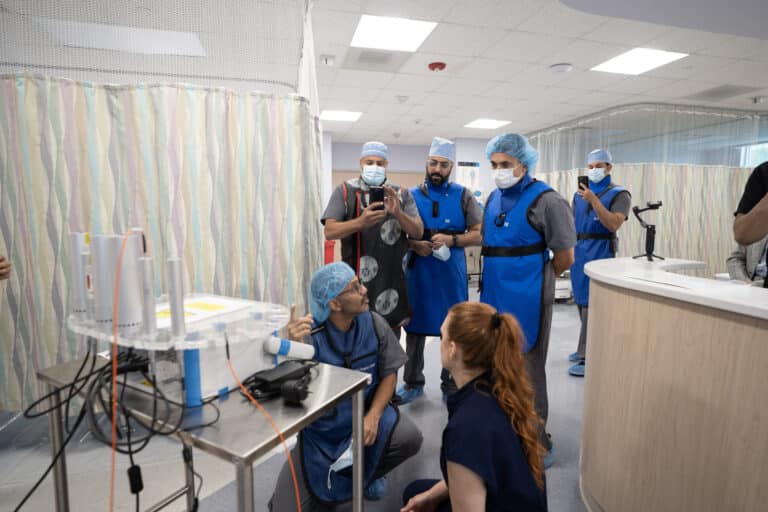
Training can come to you, or you can go to it. With the first, the instructor works inside your practice with you and your staff, on your equipment, and the travel is in the quote. With the second, you train at an instructor’s own working practice. Both are private, both use a real patient who has given consent, and the scope is set before you book.
Who can train? Anyone legally able to provide the treatment in North Carolina. Your license is the deciding factor, and North Carolina handles each license on its own terms. The two sections below set those terms out, each with its source.

Local detail
Charlotte at a glance.
Where the instructor lands, the counties a Charlotte session covers on both sides of the state line, and the hospitals and medical school in the city.
Getting here
If the course runs inside your practice, the instructor flies into Charlotte Douglas International Airport (CLT). Travel and lodging are covered in the quote.
The area a Charlotte session covers
Mecklenburg, Cabarrus, Union, Gaston, Iredell and Lincoln counties in North Carolina, and York and Lancaster counties in South Carolina. That takes in Concord, Kannapolis, Huntersville, Cornelius, Matthews, Mint Hill, Monroe, Gastonia, Mooresville, Rock Hill and Fort Mill. Practices farther away have their own pages: Atlanta and Nashville.
Health systems in Mecklenburg County
Charlotte providers practice alongside Atrium Health Carolinas Medical Center, which grew from modest beginnings in 1943 and is one of North Carolina’s five designated Academic Medical Center Teaching Hospitals, with residency training for more than 300 physicians; and Novant Health Presbyterian Medical Center, whose story starts in 1903, when Presbyterian Hospital opened a charity ward, a nursing school and other facilities in uptown Charlotte with support from local churches.
Charlotte's four-year medical school
The Wake Forest University School of Medicine Charlotte campus is, in the school’s words, the first four-year medical school in Charlotte. It is based in the Howard R. Levine Center for Education at The Pearl, and its students do clinical rotations through Atrium Health. Its inaugural four-year class, nearly 50 students, was welcomed in July 2025. Source
Worth knowing
Presbyterian Hospital moved to its current 20-acre campus on Hawthorne Lane in 1918, the same year it faced record admissions as the influenza pandemic reached Charlotte. Source
North Carolina scope
What each North Carolina license allows.
In North Carolina, as in any state, your license decides how much of a procedure you do yourself. This is how North Carolina law reads for each license we train, as of October 2026, with the statute or board guidance linked. Use it as a starting point, not as legal advice.
It is your responsibility to confirm the modality is legal in your state for your license. Do that before you book. The authority on your own scope is your licensing board, not us.
Physicians, MD and DO
North Carolina physicians are licensed by the North Carolina Medical Board, and the licensing statute accepts graduates of osteopathic colleges approved by the American Osteopathic Association. Source North Carolina law counts as the practice of medicine offering or undertaking to prescribe, order, give or administer any drug or medicine for someone else, or to perform any surgical procedure. Source North Carolina’s investigational adult stem cell law, in the next section, runs through a physician: the treatment is administered directly by a physician certified by an institutional review board. Source
Nurse practitioners
North Carolina has restricted practice for nurse practitioners, according to the AANP. Source NPs are regulated jointly by the Board of Nursing and the Medical Board and work under a collaborative practice agreement with a primary supervising physician. The agreement lists the drugs, devices, medical treatments, tests and procedures the NP may prescribe, order and perform. Source To prescribe, the NP needs written instructions from the supervising physician on indications and contraindications, and a written policy for periodic review by that physician. Source How we read it: a procedure that is not in your agreement waits until it is.
Physician assistants
North Carolina PAs are licensed by the Medical Board. Unless practicing team-based, a PA files an Intent to Practice form with the Board and prescribes on written instructions from a supervising physician. Source Team-based practice took effect June 30, 2026, and starts only once the Medical Board has processed the PA’s request. Source It takes more than 4,000 hours of clinical practice as a PA and more than 1,000 in the specialty, and a team-based PA providing surgical or anesthesia-related services in a perioperative setting is still supervised by a physician. Source A medical practice that specializes in pain management does not count as a team-based setting. Source
Registered nurses
North Carolina’s Nursing Practice Act includes in RN practice “Implementing the treatment and pharmaceutical regimen prescribed by any person authorized by State law to prescribe the regimen.” The RN does not prescribe a medical treatment regimen or make a medical diagnosis except under the supervision of a licensed physician. Source The Board of Nursing’s position statement on cosmetic and aesthetic dermatological procedures has a practitioner with prescriptive authority evaluate the client and issue the order first, and asks the nurse to have documented knowledge, skill and competency for the procedure. Source
Chiropractors
A North Carolina chiropractic license gives the right to practice chiropractic as taught in recognized chiropractic schools and colleges, but the holder “shall not prescribe for or administer to any person any medicine or drugs, nor practice osteopathy or surgery.” Source How we read it: injection work falls outside a North Carolina chiropractic license as the statute is written. If a course touches it, ask the Board of Chiropractic Examiners first.
Physical therapists
North Carolina defines physical therapy by the use of physical, chemical or other properties of heat, light, water, electricity, sound, massage or therapeutic exercise, and excludes surgery and the medical diagnosis of disease. Source The Board of Physical Therapy Examiners places dry needling within scope after at least 1 year of licensed practice and a course with at least 50 hours of in-person instruction, says a physical therapist should not delegate any part of it to an assistant or aide, and places perineural dry needling outside scope. Source Injections are a question for the board before you book.
North Carolina law
The North Carolina rules that touch regenerative medicine.
State law in this field changes, sometimes more than once a year. Our reading of each state, with its sources and the date we checked, is on the rules by state page. It is a starting point, not legal advice.
Investigational adult stem cell treatments (2019)
Part 2 of North Carolina’s Right to Try Act, added in 2019, covers a patient with a severe chronic disease or terminal illness, attested to by a treating physician, who has considered all other FDA approved treatment options and given informed consent in writing. The treatment must be under investigation in a clinical trial and not yet approved for general use. It is administered directly by a physician certified by an institutional review board, at an accredited North Carolina medical school, an affiliated facility, or another facility the review board approves. Source
Oversight and the ban on selling cells
The institutional review board that oversees these treatments must be affiliated with an accredited medical school in North Carolina, or with an affiliated facility, and it submits an annual report to the North Carolina Medical Board. Knowingly buying, selling or otherwise transferring adult stem cells for valuable consideration for use in an investigational adult stem cell treatment is a Class A1 misdemeanor, with listed exceptions. Source
Right to Try
Part 1 of the same Act lets a patient with a terminal illness use an investigational drug, biological product or device that has completed Phase I of a clinical trial, is not yet approved for general use and remains under investigation in an FDA approved trial. The patient must have considered FDA approved options, have a physician’s recommendation and give written informed consent. Part 3, added in 2024, covers individualized treatments for a life-threatening or severely debilitating illness through an eligible facility. Source
Federal rules still apply
North Carolina law sits on top of federal law, not in place of it. The FDA’s rules for human cells, tissues, and cellular and tissue-based products apply in every state. Our summary is in the federal section of the rules by state page.
Your boards in North Carolina
Formats and pricing
Two ways to train in Charlotte, and both are private.
The hands-on work with a consenting patient is the same either way. What changes is whose room it is, and who from your practice is in it. Both prices are starting points: the quote depends on the course, how many people are training and how much of the curriculum is built around you.
At an instructor location
From $5,000
You come to us, at an instructor’s own working practice.
At your own practice
From $10,000
We come to you, anywhere in North Carolina, with the instructor’s travel and lodging inside the quote. What on-site training includes.
Cancel or refund any time up to thirty days out. Inside thirty days, no refund.
On a refund, covering card processing and office costs.
To move your date, covering the travel that moves with it.
Questions about dates, format or fit? Talk to us.
Training courses we offer
Every course runs in Charlotte.
The hands-on day is in person, at an instructor’s practice or inside yours.
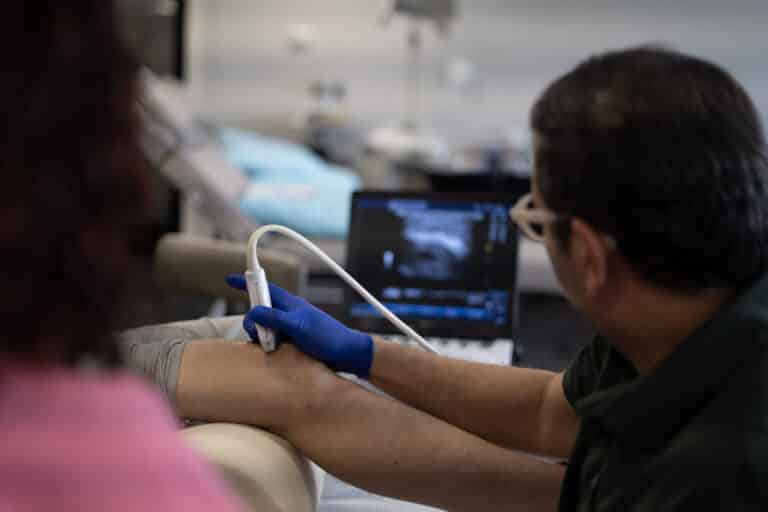
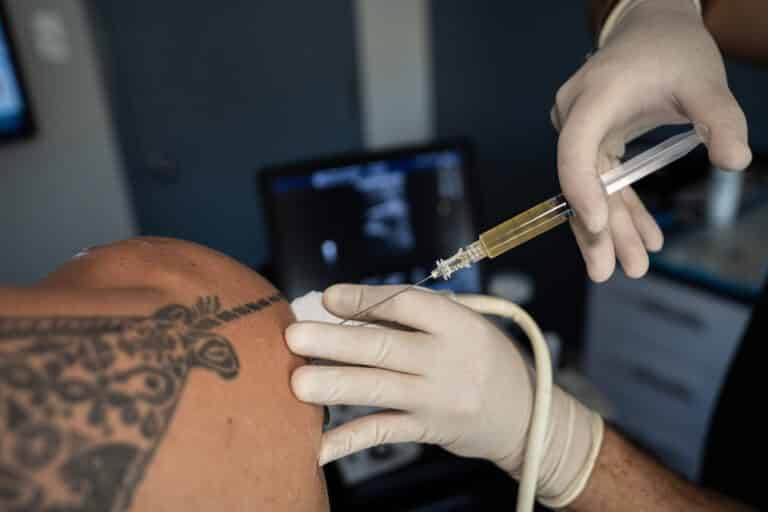
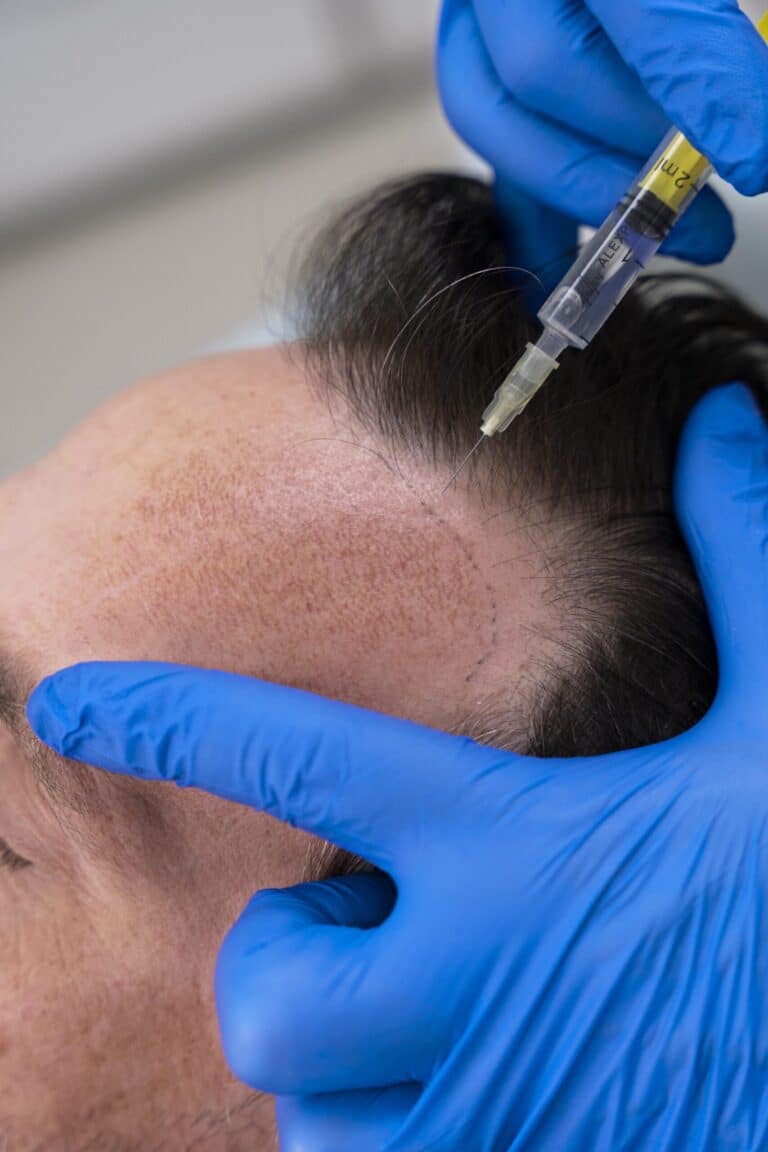



Common questions
What Charlotte providers ask before they book.
How much does training in Charlotte cost?
Training inside your own practice in Charlotte starts at $10,000, with the instructor's travel and lodging included. Training at an instructor's location starts at $5,000. Both are starting points. The quote depends on the discipline, the instructor, how many people are training and how much of the curriculum is built around you.
Does North Carolina's adult stem cell law cover my practice?
Only within its own terms. The law covers investigational adult stem cell treatments that are under investigation in a clinical trial, given directly by a physician certified by an institutional review board tied to an accredited North Carolina medical school. Whether a given product or procedure falls under it, or only under federal rules, is a question for your counsel and your board, not us. Our reading, with the sources, is on the rules by state page.
Can a North Carolina NP or PA do the hands-on part?
Within your North Carolina scope, yes. A nurse practitioner works under a collaborative practice agreement that lists the procedures the NP may perform. A physician assistant works under a supervising physician or, once approved, in team-based practice, which does not extend to a practice that specializes in pain management. Bring your agreement or your approval when we plan the session.
I'm not licensed in North Carolina. Can I train in Charlotte?
Tell us when you ask for a date. When the instructor comes to you, you train in your own practice under the license you hold there. When you train at an instructor's location in North Carolina, your hands-on part depends on your North Carolina licensure, and we settle the plan with you before you book.
My practice is on the South Carolina side. Which rules apply?
South Carolina's. A practice in Rock Hill, Fort Mill or anywhere else in York or Lancaster County works under South Carolina law and the license South Carolina issued you, not North Carolina's. Our reading of South Carolina, with its sources, is in its section of the rules by state page. Tell us where you practice when you request a date, and we plan the session under the right state.
Request a date now
Tell us about your practice and when you'd like to train.
Ready to add PRP or another regenerative procedure in Charlotte? A few quick questions, one screen at a time. Nothing here commits you to a date. A person reads every request and calls you back within one business day.
From the blog
Read it here, then do it in a course.
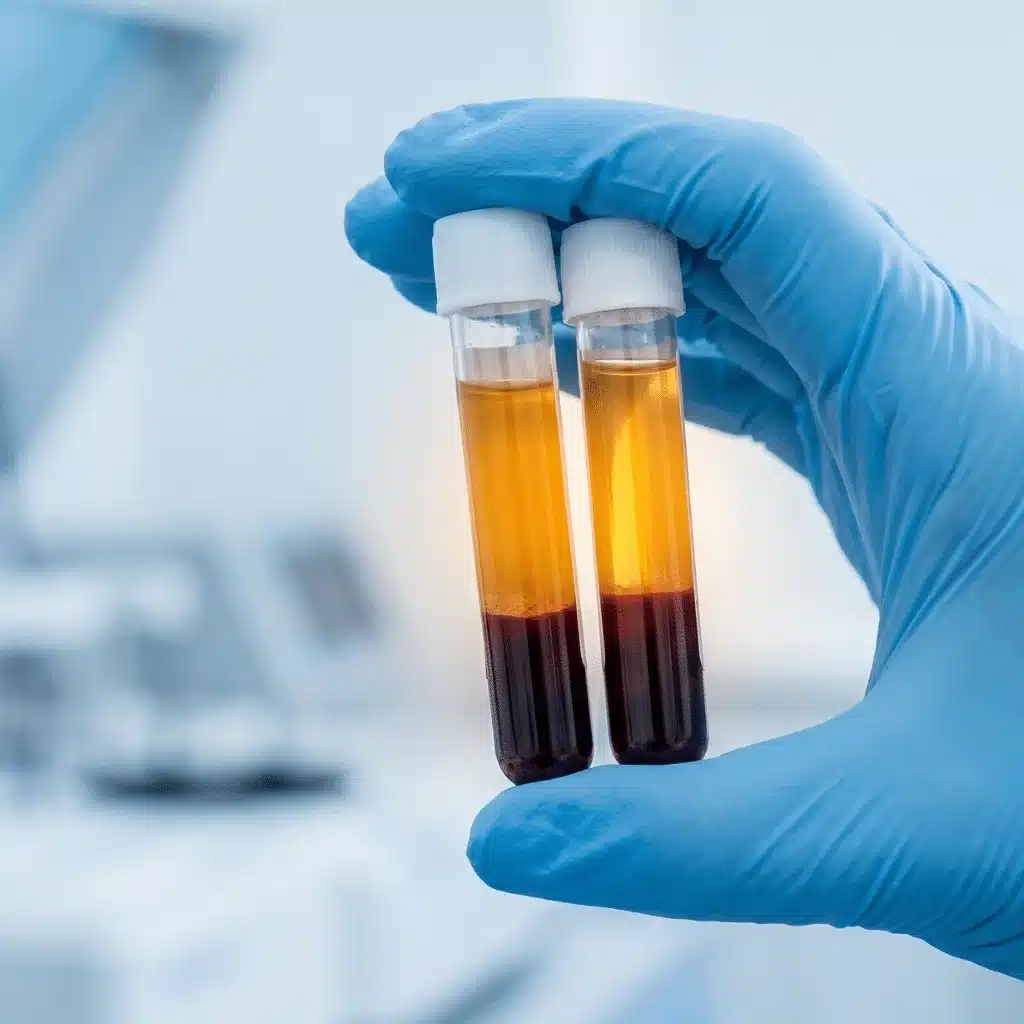
The role of growth factors in regenerative medicine: a clinical primer
Read the postPlatelet count is not the dose. A primer on the growth factors that do the work, why preparation…
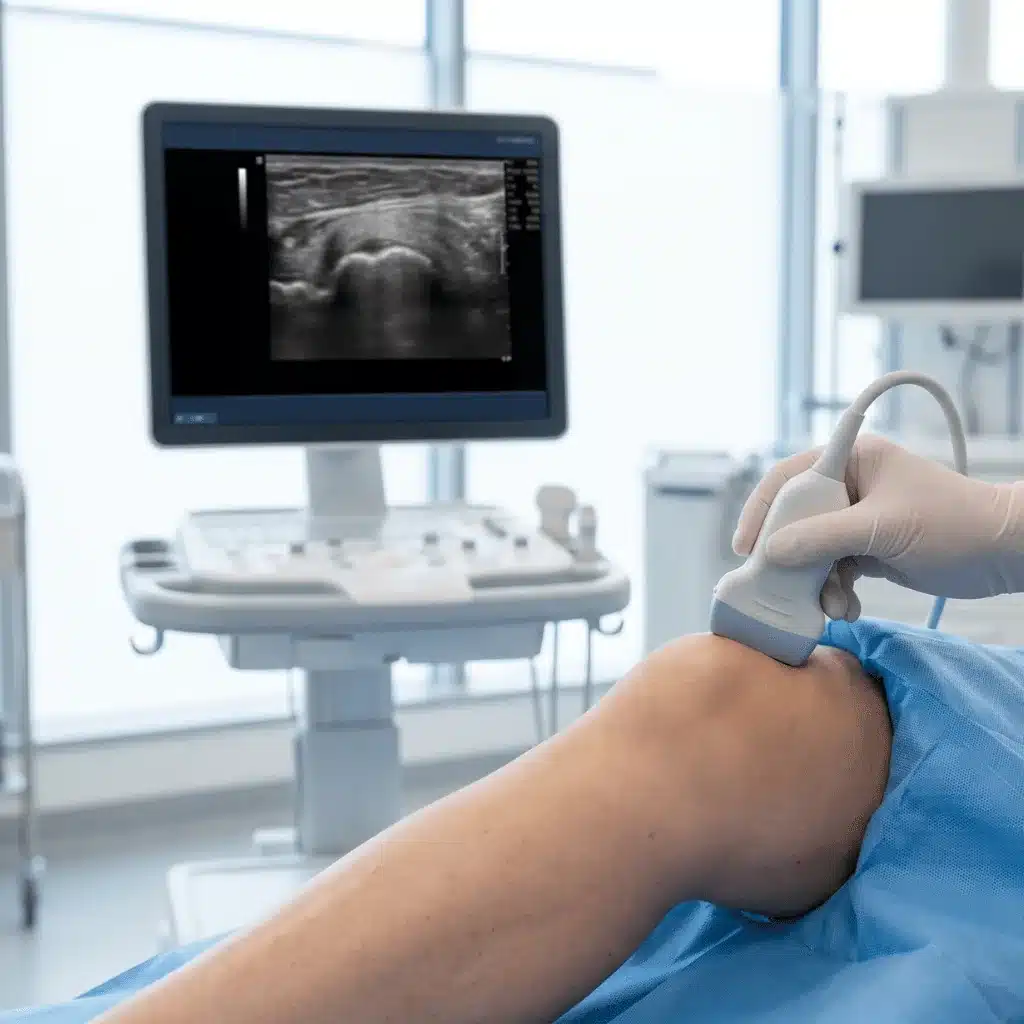
Ultrasound-guided injection techniques in regenerative medicine: why training matters
Read the postGuidance puts the needle where it belongs. It does not make you competent. What the accuracy evidence shows…
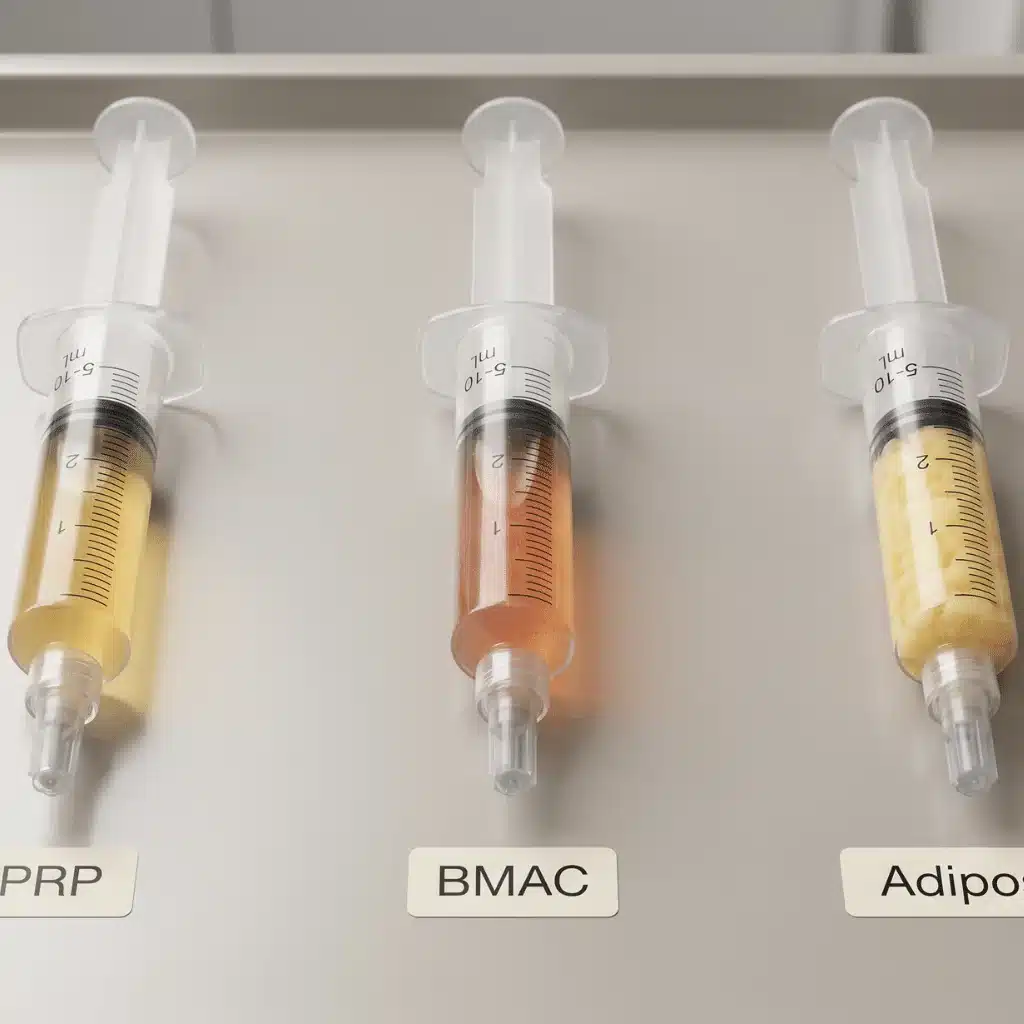
PRP vs. BMAC vs. adipose: comparing orthobiologic treatment options
Read the postPRP, BMAC and adipose are three different tools, not one product with three names. How to match modality…
Important information
Read this before you book.
Know what a course is not before you book. It won’t make you a specialist. It carries no CMEs, credit hours or accreditation, and it doesn’t cover your malpractice: you arrange that yourself. No one can promise you outcomes. It is education for licensed providers, not medical or legal advice, and some products and modalities discussed are not FDA approved or cleared for the uses discussed. The Certificate of Completion is not a license or a board certification, and it does not expand your scope of practice. Read the full notes.