
Where we train
Regenerative Medicine Training in Atlanta, Georgia
PRP and regenerative medicine training for licensed providers in Atlanta and across Georgia. It’s private and hands-on, on a live consenting patient.

Live patients
Private training
Practicing clinicians
U.S. based, worldwide
Training in Atlanta
An Atlanta session reaches across metro Atlanta and out into the rest of Georgia. Fulton, DeKalb, Cobb and Gwinnett counties make up the core, with Clayton, Cherokee, Forsyth and Henry around them. Marietta, Alpharetta and Lawrenceville are inside the metro drive. Athens is about an hour and a half east, Macon about an hour and a half south on I-75, and Chattanooga about two hours north.
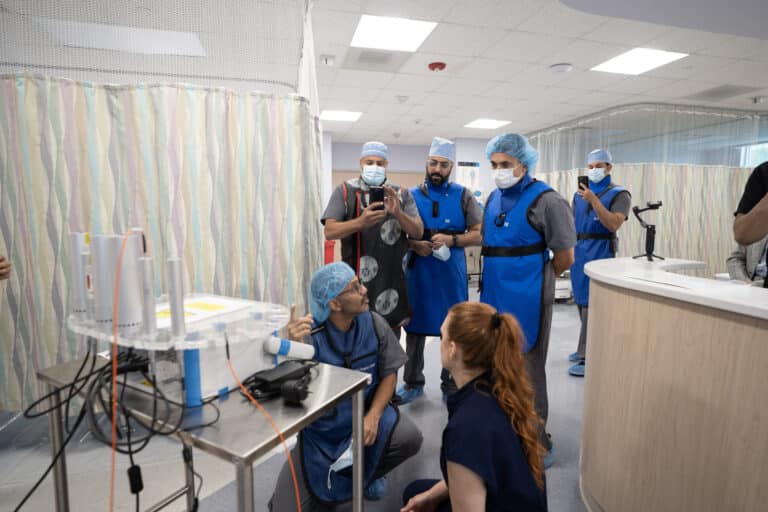
Pick the setting that suits you. The instructor can come to your practice and teach you and your team on your own equipment, with the trip covered in the quote, or you can spend the session at an instructor’s own working practice. Whichever you choose, it is private, the patient is real and consenting, and we agree the scope before you book.
Who can train? Anyone legally able to provide the treatment in Georgia. That depends on your license, and Georgia law and board rules give each license its own limits. The two sections below spell it out, with a source on every line.

Local detail
Atlanta at a glance.
The airport the instructor uses, the counties an Atlanta session covers, and the hospitals and medical schools around you.
Getting here
For training in your own practice, the instructor flies into Hartsfield-Jackson Atlanta International Airport (ATL). The quote covers travel and lodging.
The area an Atlanta session covers
Fulton, DeKalb, Cobb, Gwinnett, Clayton, Cherokee, Forsyth and Henry counties, and practices farther out in Georgia. That includes Sandy Springs, Decatur, Marietta, Smyrna, Alpharetta, Roswell, Duluth, Lawrenceville, Peachtree City and McDonough. Practices in neighboring states have their own pages: Nashville, Charlotte and Jacksonville.
Health systems in metro Atlanta
Atlanta providers practice alongside Grady Health System, Atlanta’s hospital since 1892; Northside Hospital, which has taken care of Georgians for more than 50 years and runs five acute-care hospitals; and Piedmont, which began in 1905 when Ludwig Amster, MD, and Floyd McRae, MD, started Piedmont Sanatorium. For pediatrics there is Children’s Healthcare of Atlanta, a not-for-profit with three hospitals that has worked for children’s access to specialized care since 1915.
Medical schools in Atlanta
The Emory University School of Medicine, in its own words a key part of Atlanta’s health care hub, has more than 3,000 faculty members working in hospitals, clinics, classrooms, labs and research centers, and 1,414 residents in training across 120 accredited programs. Morehouse School of Medicine was founded in 1975 as the Medical Education Program at Morehouse College, and its stated mission includes increasing the diversity of the health professional and scientific workforce.
Worth knowing
The CDC began in Atlanta. On July 1, 1946, the Communicable Disease Center opened its doors and occupied one floor of a small building in the city. Source
Georgia scope
What each Georgia license allows.
What you can do hands on in Georgia depends on the license you hold. Below is how Georgia law and board rules read for each license we train, as of October 2026, each with its source linked. Read it as a starting point, not legal advice.
It is your responsibility to confirm the modality is legal in your state for your license. Do that before you book. The authority on your own scope is your licensing board, not us.
Physicians, MD and DO
Georgia physicians, MD and DO alike, are licensed by the Georgia Composite Medical Board, whose licensing rules accept graduates of osteopathic colleges. Source Georgia’s 2026 stem cell law, HB 1275, lets a physician perform human stem cell therapy that is not FDA approved, within the physician’s scope of practice. It also lets the physician lawfully designate a physician assistant or nurse practitioner to perform it, under the sourcing, notice and consent rules in the next section. Source
Nurse practitioners
Georgia has restricted practice for nurse practitioners, according to the AANP. Source An APRN performs medical acts under a nurse protocol agreement, a written document signed by the APRN and a delegating physician, which the Composite Medical Board must receive within 30 days of execution. It sets what the APRN may order, from drugs and medical treatments to diagnostic studies, and the delegating physician must be available for immediate consultation. One physician can hold agreements with no more than the combined equivalent of eight APRNs or physician assistants at a time. Source
Physician assistants
Georgia physician assistants are licensed by the Composite Medical Board and may only perform the tasks in a job description on file with and approved by the Board. The job description confines the PA to activities within the primary supervising physician’s scope of practice, and it must provide for immediate consultation with the primary or an alternate supervising physician, directly or by telephone or other telecommunication. A physician may serve as primary supervising physician to no more than the combined equivalent of eight APRNs or PAs at a time. Source
Registered nurses
The Georgia Board of Nursing’s position statement on cosmetic and aesthetic procedures (March 2024) places them within an RN’s scope, not an LPN’s, when authorized by a valid individualized order. Before treatment there must be that order from a physician, NP or PA with prescriptive authority and a history and physical by the prescriber, and standing orders do not substitute for them. The nurse needs documented knowledge, skill and competency for the procedure. Source Board rules count performing a technique or procedure the nurse is unprepared for by education or experience as unprofessional conduct. Source
Chiropractors
Georgia defines chiropractic around the adjustment of the articulations of the human body, and the definition ends: “However, the term shall not include the use of drugs or surgery.” Source Board rules require a chiropractor to refer a patient whose condition is outside the chiropractor’s scope of professional experience, training or practice. Source How we read it: injecting a substance is not something to assume a Georgia chiropractic license allows. Put the question to the Board of Chiropractic Examiners before you book.
Physical therapists
Georgia’s definition of physical therapy covers planning and administering interventions that use physical measures, activities and devices, and it names dry needling, for preventative and therapeutic purposes, among them. Injections are not named. Source How we read it: dry needling sits inside a Georgia physical therapist’s scope by statute, and anything that involves injecting a substance is a question for the State Board of Physical Therapy before you book a course.
Georgia law
The Georgia rules that touch regenerative medicine.
State law in this field changes, sometimes more than once a year. Our reading of each state, with its sources and the date we checked, is on the rules by state page. It is a starting point, not legal advice.
HB 1275, human stem cell therapy (2026)
HB 1275 lets a physician, or a physician assistant or nurse practitioner the physician lawfully designates, perform human stem cell therapy that is not FDA approved, within that provider’s scope of practice. It defines the therapy as treatment using afterbirth placental perinatal human stem cells, or human cells, tissues, or cellular or tissue based products, and excludes any derived from an aborted fetus or embryo. The cells must be retrieved, manufactured and stored in a facility registered with the FDA, or in one certified and accredited by the World Marrow Donor Association, the Association for the Advancement of Blood and Biotherapies, the American Association of Tissue Banks or another entity the Department of Public Health determines appropriate. Source
Notice and consent under HB 1275
Every advertisement for the therapy must carry this notice: “THIS NOTICE MUST BE PROVIDED TO YOU UNDER GEORGIA LAW. This physician or his or her designee performs one or more human stem cell therapies that have not yet been approved by the FDA. You are encouraged to consult with your primary care provider before undergoing any human stem cell therapy.” The patient, or a representative if the patient is not legally competent, signs a consent form covering the nature and character of the proposed treatment, the fact that it is not FDA approved, and its anticipated results. The law does not apply to a physician operating under an FDA investigational new drug or device approval. Source
SB 72, Hope for Georgia Patients Act (2025)
This law lets a manufacturer or an eligible facility make an individualized investigational treatment available to a patient with a life-threatening or severely debilitating illness. That is a drug, biological product or device unique to and produced exclusively for one patient based on his or her own genetic profile, and the definition includes products derived from human perinatal tissues, cells and secreted factors not obtained from an abortion. The Composite Medical Board may not act against a physician’s license solely for recommending, prescribing or providing such a treatment under the law. Source
Right to Try
Georgia’s Right to Try law covers a patient with a terminal illness whose physician documents that the patient has considered all other FDA approved treatment options, has the physician’s recommendation and has given written informed consent. Source It applies to a drug, biological product or device that has completed Phase I of an FDA approved clinical trial, is not yet approved for general use and remains under investigation in an FDA approved trial. Source
Federal rules still apply
Georgia law sits on top of federal law, not in place of it. The FDA’s rules for human cells, tissues, and cellular and tissue-based products apply in every state. Our summary is in the federal section of the rules by state page.
Formats and pricing
Two ways to train in Atlanta, and both are private.
The hands-on work with a consenting patient is the same either way. What changes is whose room it is, and who from your practice is in it. Both prices are starting points: the quote depends on the course, how many people are training and how much of the curriculum is built around you.
At an instructor location
From $5,000
You come to us, at an instructor’s own working practice.
At your own practice
From $10,000
We come to you, anywhere in Georgia, with the instructor’s travel and lodging inside the quote. What on-site training includes.
Cancel or refund any time up to thirty days out. Inside thirty days, no refund.
On a refund, covering card processing and office costs.
To move your date, covering the travel that moves with it.
Questions about dates, format or fit? Talk to us.
Training courses we offer
Every course runs in Atlanta.
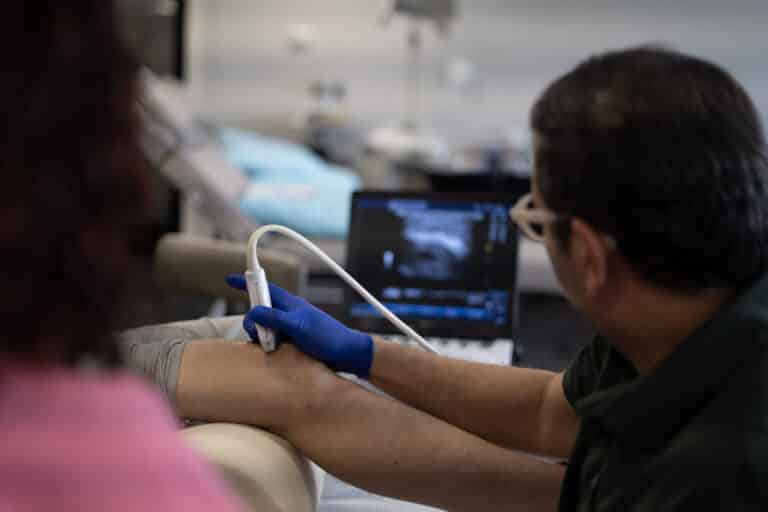
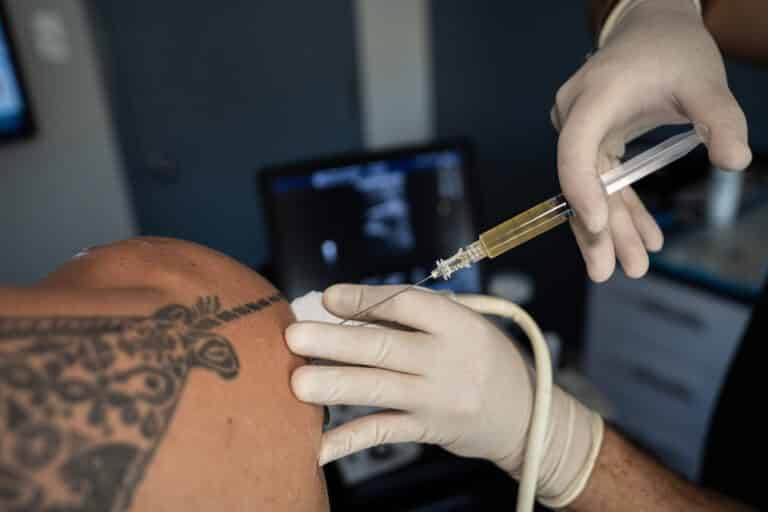
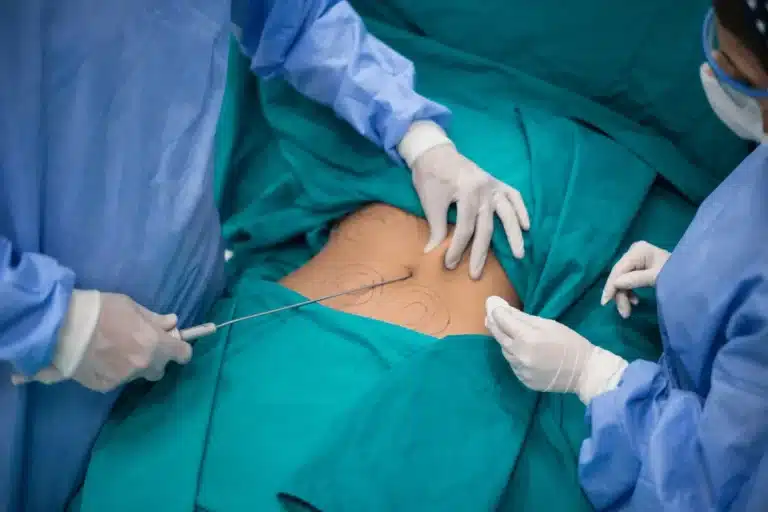
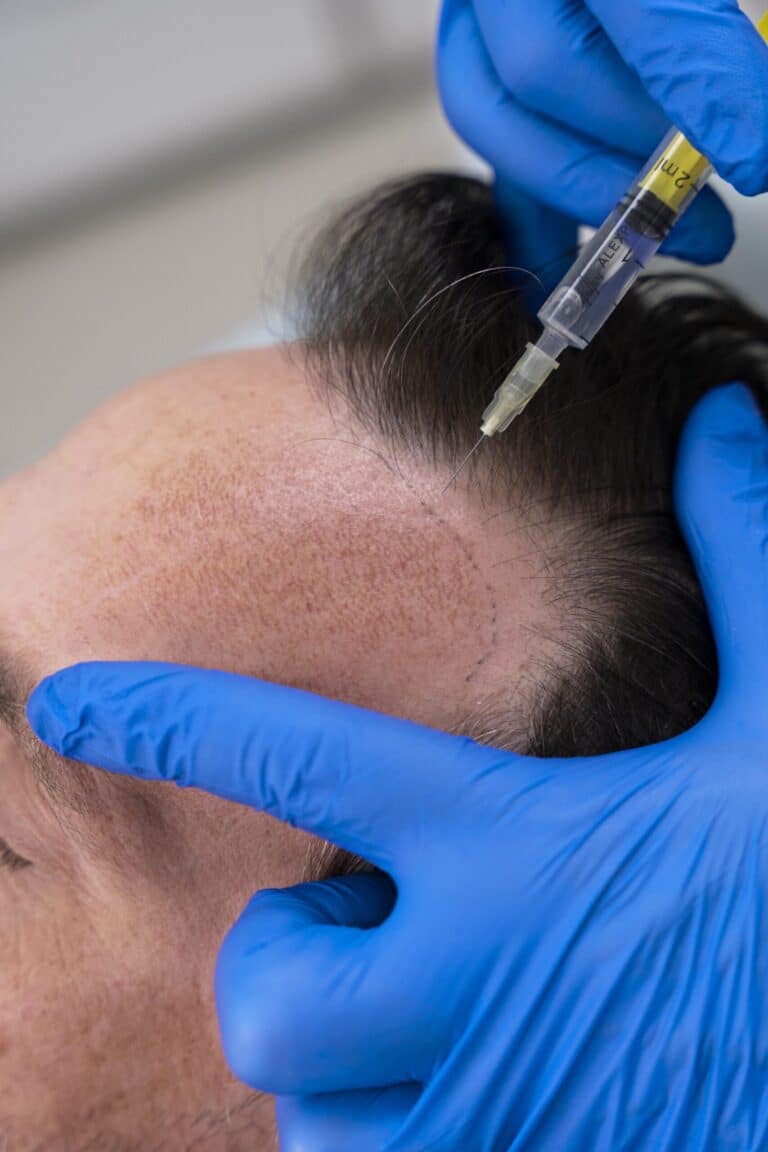
The hands-on day is in person, at an instructor’s practice or inside yours.




Common questions
What Atlanta providers ask before they book.
How much does training in Atlanta cost?
Training inside your own practice in Atlanta starts at $10,000, with the instructor's travel and lodging included. Training at an instructor's location starts at $5,000. Both are starting points. The quote depends on the discipline, the instructor, how many people are training and how much of the curriculum is built around you.
Does Georgia's HB 1275 cover PRP?
HB 1275 is written for human stem cell therapy, which it defines as treatment using afterbirth placental perinatal human stem cells, or human cells, tissues, or cellular or tissue based products. It does not mention platelet-rich plasma. Whether a particular product or procedure falls under it is for your counsel and your board to say, not us. Our reading and its source are on the rules by state page.
Can a Georgia NP or PA do the hands-on part?
Within your protocol or job description, yes. A nurse practitioner works under a nurse protocol agreement with a delegating physician, and a physician assistant works from a job description the Composite Medical Board has approved. Bring yours when we plan the session. If the procedure is not covered there, we set the hands-on plan around what is before you book.
I'm not licensed in Georgia. Can I train in Atlanta?
Say so when you request a date. If the instructor comes to you, you train at your own practice under the license you already hold there. If you train at an instructor's location in Georgia, your hands-on part depends on whether you hold a Georgia license, and we agree the plan with you before you book.
Request a date now
Tell us about your practice and when you'd like to train.
Ready to add PRP or another regenerative procedure in Atlanta? A few quick questions, one screen at a time. Nothing here commits you to a date. A person reads every request and calls you back within one business day.
From the blog
Read it here, then do it in a course.
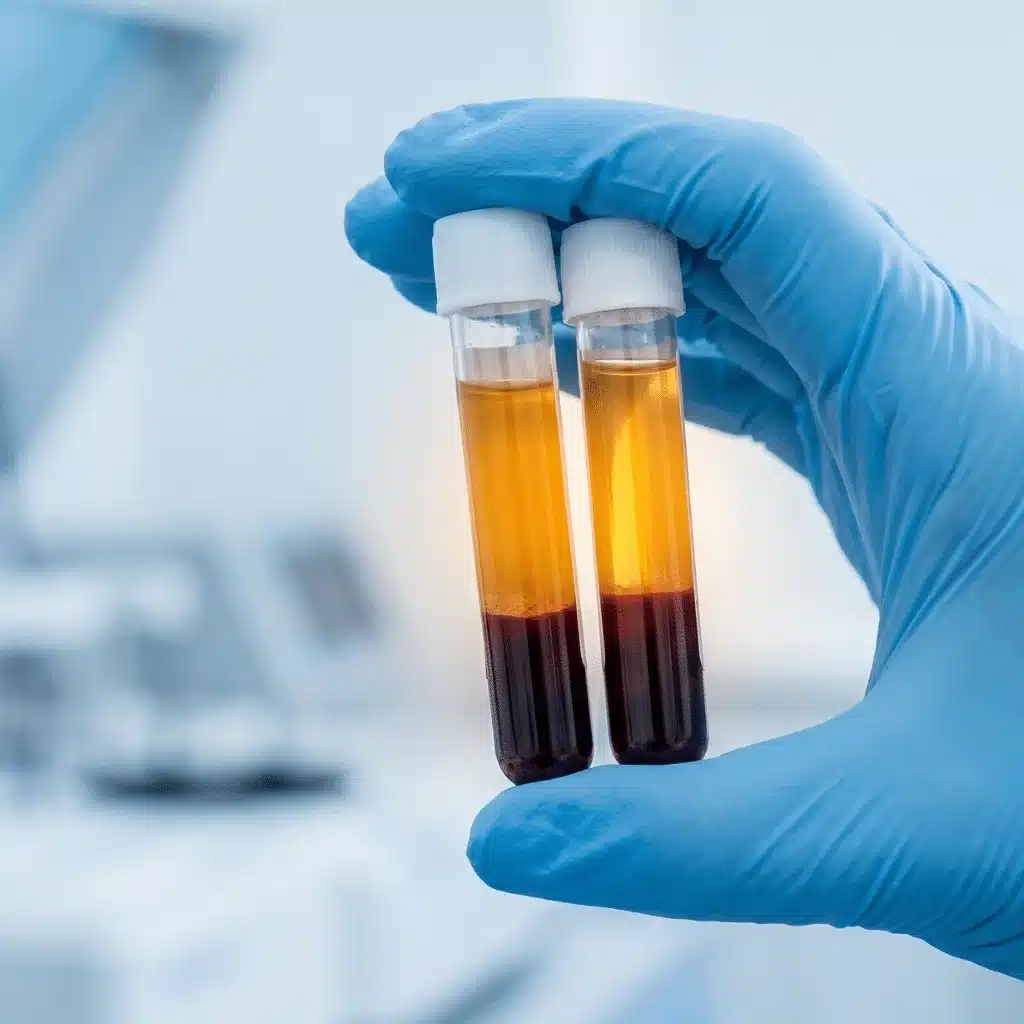
The role of growth factors in regenerative medicine: a clinical primer
Read the postPlatelet count is not the dose. A primer on the growth factors that do the work, why preparation…
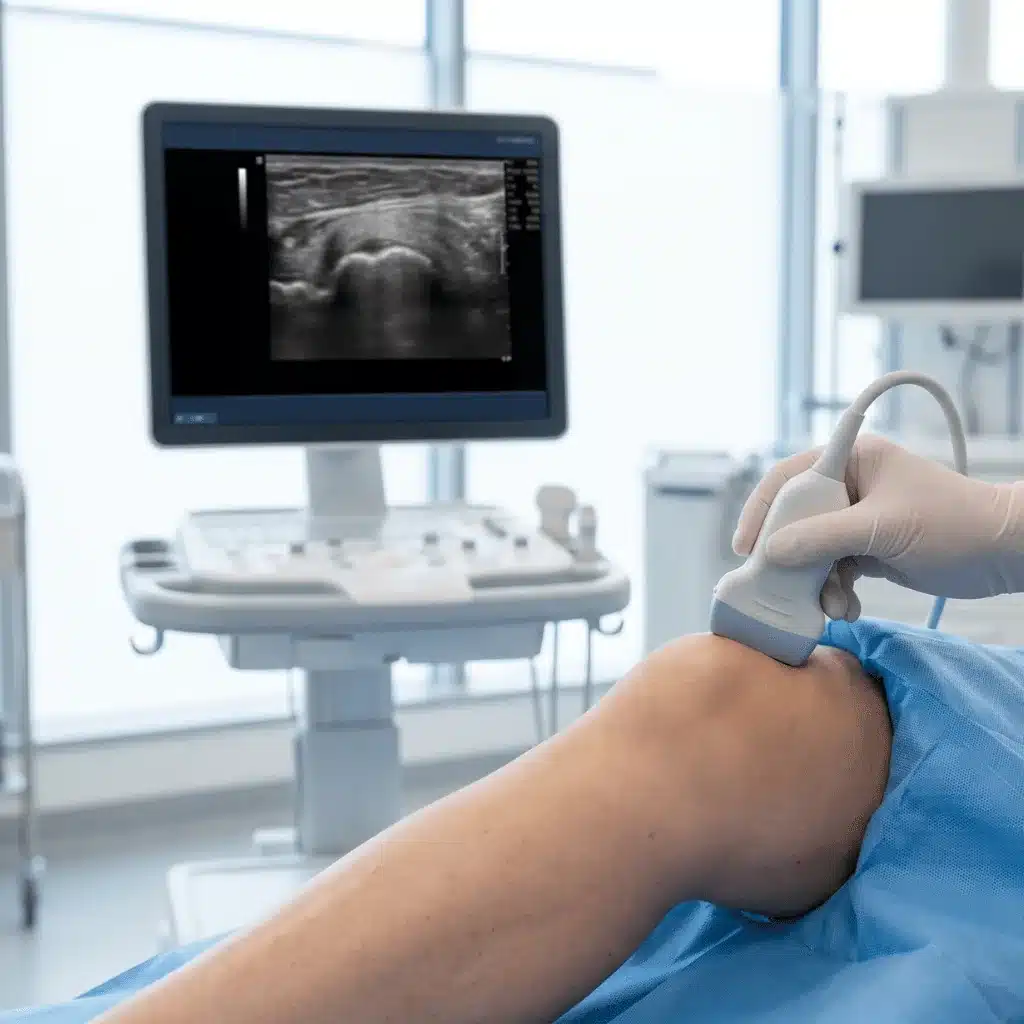
Ultrasound-guided injection techniques in regenerative medicine: why training matters
Read the postGuidance puts the needle where it belongs. It does not make you competent. What the accuracy evidence shows…
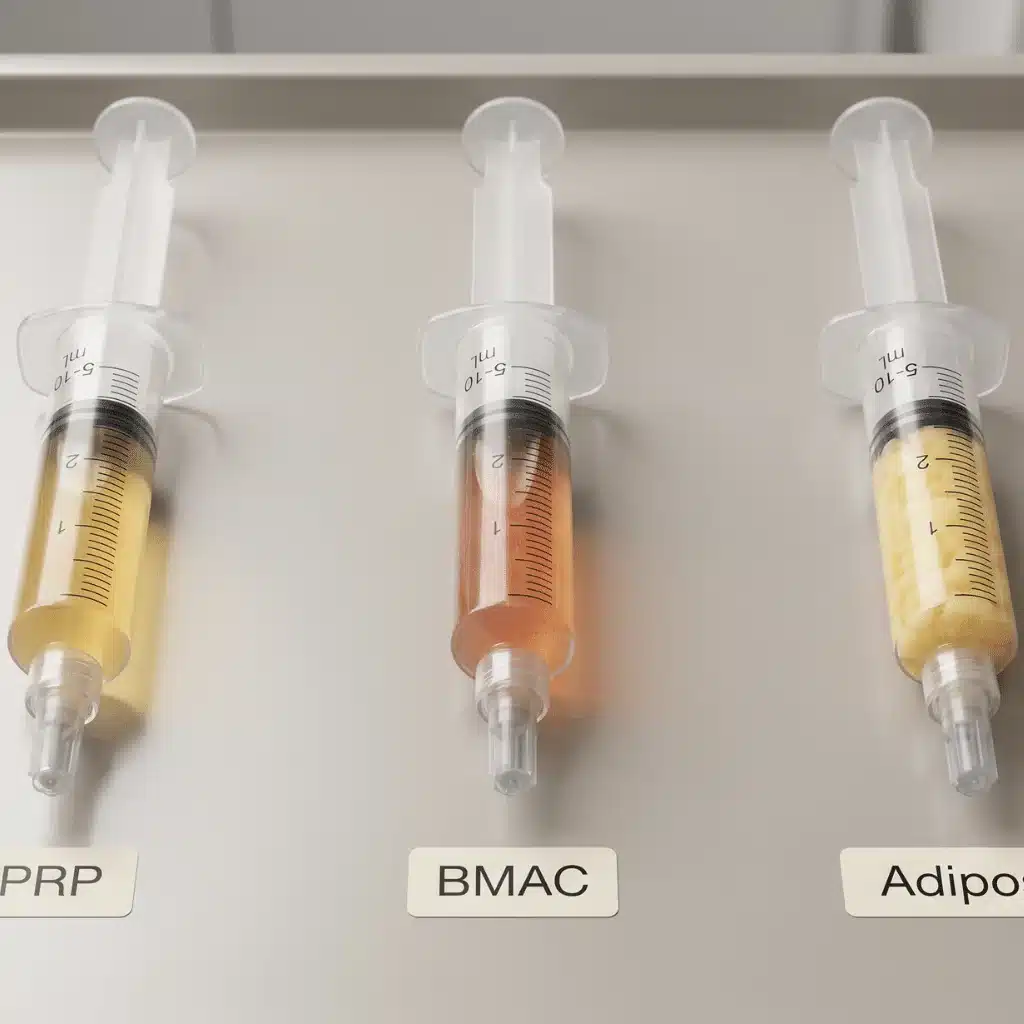
PRP vs. BMAC vs. adipose: comparing orthobiologic treatment options
Read the postPRP, BMAC and adipose are three different tools, not one product with three names. How to match modality…
Important information
Read this before you book.
Know what a course is not before you book. It won’t make you a specialist. It carries no CMEs, credit hours or accreditation, and it doesn’t cover your malpractice: you arrange that yourself. No one can promise you outcomes. It is education for licensed providers, not medical or legal advice, and some products and modalities discussed are not FDA approved or cleared for the uses discussed. The Certificate of Completion is not a license or a board certification, and it does not expand your scope of practice. Read the full notes.