
Where we train
Regenerative Medicine Training in Detroit, Michigan
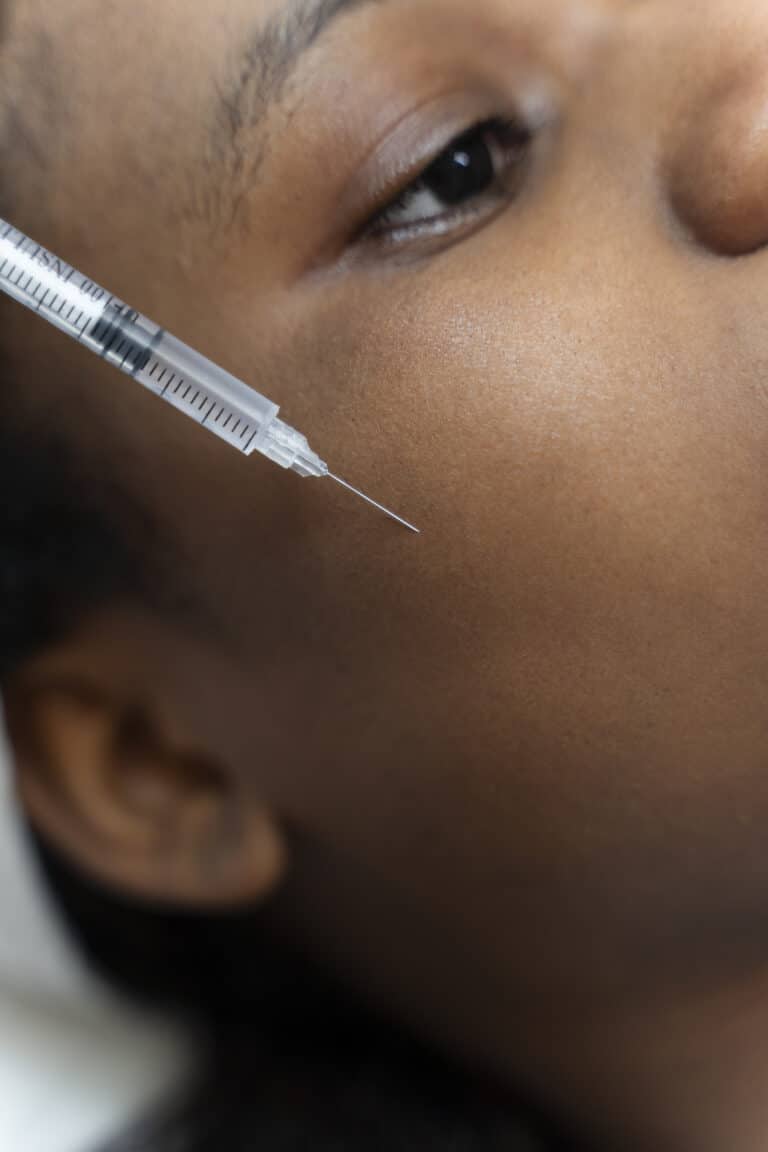
PRP and regenerative medicine training for licensed providers in Detroit and across Michigan. It’s private and hands-on, on a live consenting patient.

Live patients
Private training
Practicing clinicians
U.S. based, worldwide
Training in Detroit
Detroit-area providers practice across Wayne, Oakland and Macomb counties: Dearborn and Livonia to the west, Southfield, Royal Oak and Troy up Woodward and I-75, and Warren, Sterling Heights and Clinton Township to the north. Ann Arbor, in Washtenaw County, is about 45 minutes west on I-94.
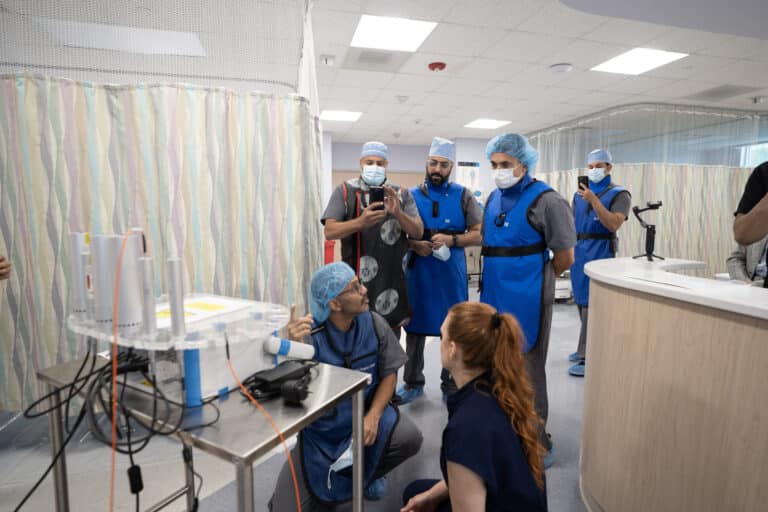
There are two formats. In the first, an instructor comes to your clinic and trains you and your team on your equipment, with the instructor’s travel inside the quote. In the second, you train at an instructor’s own working practice. Each is private, each uses a real patient who has consented, and the scope is fixed before you book.
Who can train? Anyone legally able to provide the treatment in Michigan. What that means turns on your license, and Michigan sets each license’s limits in its Public Health Code. The two sections below set them out, section by section.

Local detail
Detroit at a glance.
Where the instructor flies in, the part of Southeast Michigan a Detroit session covers, and the systems and schools nearby.
Getting here
For a course inside your practice, the instructor flies into Detroit Metropolitan Airport (DTW), run by the Wayne County Airport Authority, and drives on to you. Travel and lodging are included in the quote.
The area a Detroit session covers
Health systems in Wayne, Oakland and Macomb
Henry Ford Health has been headquartered in Detroit for more than a century and provides care at more than 550 sites across Michigan, among them Henry Ford Hospital and hospitals in Wyandotte, Warren, West Bloomfield and Novi. Corewell Health is the integrated system of Spectrum Health and Beaumont Health, with 21 hospital facilities. The Detroit Medical Center counts more than 2,000 licensed beds and 3,000 affiliated physicians, and traces its history to the founding of Children’s Hospital in 1886.
Medical schools from Rochester to Ann Arbor
The Oakland University William Beaumont School of Medicine, in Rochester, was approved by the Beaumont Hospital board and the Oakland University trustees on July 31, 2008, and was granted full accreditation for the maximum eight-year term on February 25, 2020. Its students train at three Corewell Health hospitals, including William Beaumont University Hospital in Royal Oak. In Ann Arbor, Michigan Medicine, which includes the University of Michigan Medical School, describes itself as an academic medical center.
Worth knowing
In 1868, five physicians who had witnessed crude medical treatment on Civil War battlefields founded the Detroit Medical College, which grew into today’s Wayne State University School of Medicine. Source
Michigan scope
What each Michigan license allows.
What you can do hands on turns on your license, in Michigan as everywhere else. Here is how the Michigan Public Health Code reads for each license we train, as of October 2026, with the section linked. It is a place to start, not legal advice.
It is your responsibility to confirm the modality is legal in your state for your license. Do that before you book. The authority on your own scope is your licensing board, not us.
Physicians, MD and DO
Michigan regulates MDs through the Board of Medicine and DOs through the Board of Osteopathic Medicine and Surgery, each under the Public Health Code. The code defines the practice of medicine broadly, reaching diagnosis and treatment “by attendance, advice, device, diagnostic test, or other means.” Source A physician may delegate selected acts within the scope of the physician’s own license to a person qualified by education, training or experience, working under the physician’s supervision, but not an act that calls for the physician’s own level of education, skill and judgment. Source
Nurse practitioners
Michigan is a restricted practice state for nurse practitioners, according to the AANP. Source In Michigan a nurse practitioner is a registered professional nurse who holds a specialty certification under the Public Health Code. Source An APRN may prescribe nonscheduled prescription drugs, and schedule 2 to 5 controlled substances only as a delegated act of a physician, with both names on the prescription. Source How we read it: plan a hands-on procedure around the physician you work with, and confirm your scope with the Board of Nursing.
Physician assistants
Michigan’s board for physician’s assistants is the Task Force on Physician’s Assistant. A physician’s assistant may practice only under a practice agreement with a participating physician. The agreement must set a process for communication, availability and decision making, a protocol for naming an alternative physician, each party’s duties and both signatures, and it cannot include acts either party is not qualified to perform. Source In July 2026 Michigan enacted Public Act 45 of 2026, which lets the state begin the process of joining the Physician Assistants Licensure Compact. Source
Registered nurses
The Michigan Board of Nursing regulates nursing under the Public Health Code, which defines it as the systematic application of specialized knowledge and skill “to the care, treatment, counsel, and health teaching of individuals” who are going through changes in their health or need help maintaining it. Source The definition does not name injections or procedures. How we read it: an RN’s hands-on part usually comes as a task a physician delegates and supervises under the code’s delegation section. Source Where that is unclear for a given procedure, ask the board.
Chiropractors
Michigan regulates chiropractic through the Board of Chiropractic. The Public Health Code says the practice of chiropractic does not include “The performance of any procedure that cuts or punctures the skin” or “The dispensing or prescribing of drugs or medicine.” Source How we read it: an injection punctures the skin, which puts it outside the chiropractic license in Michigan. If you read your scope differently, the board is the one to settle it, before you book.
Physical therapists
The Michigan Board of Physical Therapy regulates the profession. The code defines physical therapy around physical measures, therapeutic exercises and rehabilitative procedures, and says it “does not include the identification of underlying medical problems or etiologies, establishment of medical diagnoses, or the prescribing of treatment.” Source Injections are not mentioned either way. Check an injection course against your scope with the board first.
Michigan law
The Michigan rules that touch regenerative medicine.
State law in this field changes, sometimes more than once a year. Our reading of each state, with its sources and the date we checked, is on the rules by state page. It is a starting point, not legal advice.
Stem cell and regenerative products
For any Michigan rule on stem cell or regenerative products, check with the Board of Medicine or the Board of Osteopathic Medicine and Surgery. Federal FDA rules, summarized below, apply either way. Our reading, and the date we last checked it, is on the rules by state page.
Right to Try (2014)
Michigan’s Right to Try Act, Public Act 345 of 2014, took effect immediately on October 17, 2014. It covers a patient with an advanced illness, attested to by the treating physician, who has considered all other FDA approved treatment options, has a physician’s recommendation for the product, has given written, informed consent and has the physician’s documentation that these requirements are met. The drug, biological product or device must have completed phase 1 of a clinical trial and remain under investigation in an FDA approved clinical trial, without FDA approval for general use. Source If a patient dies while being treated with it, the patient’s heirs are not liable for any outstanding debt related to the treatment. Source
Federal rules still apply
Michigan law sits on top of federal law, not in place of it. The FDA’s rules for human cells, tissues, and cellular and tissue-based products apply in every state. Our summary is in the federal section of the rules by state page.
Formats and pricing
Two ways to train in Detroit, and both are private.
The hands-on work with a consenting patient is the same either way. What changes is whose room it is, and who from your practice is in it. Both prices are starting points: the quote depends on the course, how many people are training and how much of the curriculum is built around you.
At an instructor location
From $5,000
You come to us, at an instructor’s own working practice.
At your own practice
From $10,000
We come to you, anywhere in Michigan, with the instructor’s travel and lodging inside the quote. What on-site training includes.
Cancel or refund any time up to thirty days out. Inside thirty days, no refund.
On a refund, covering card processing and office costs.
To move your date, covering the travel that moves with it.
Questions about dates, format or fit? Talk to us.
Training courses we offer
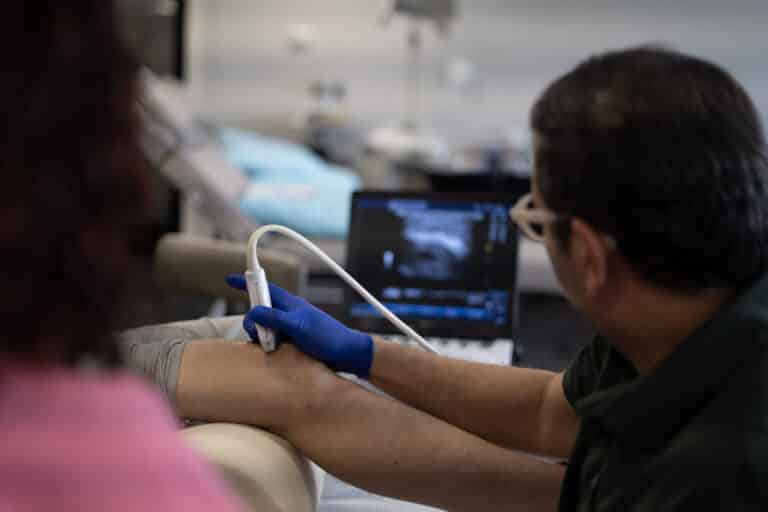
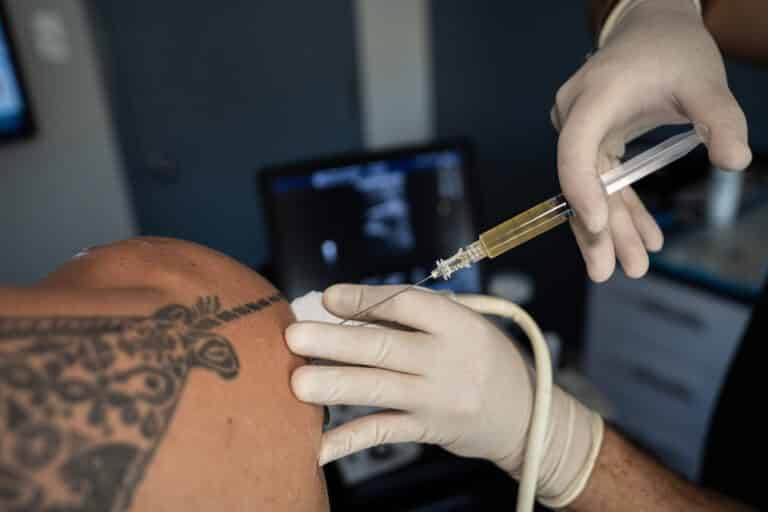
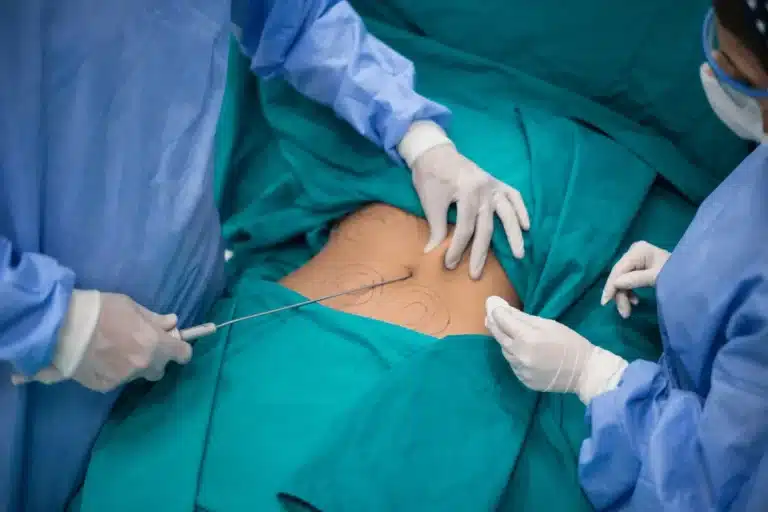
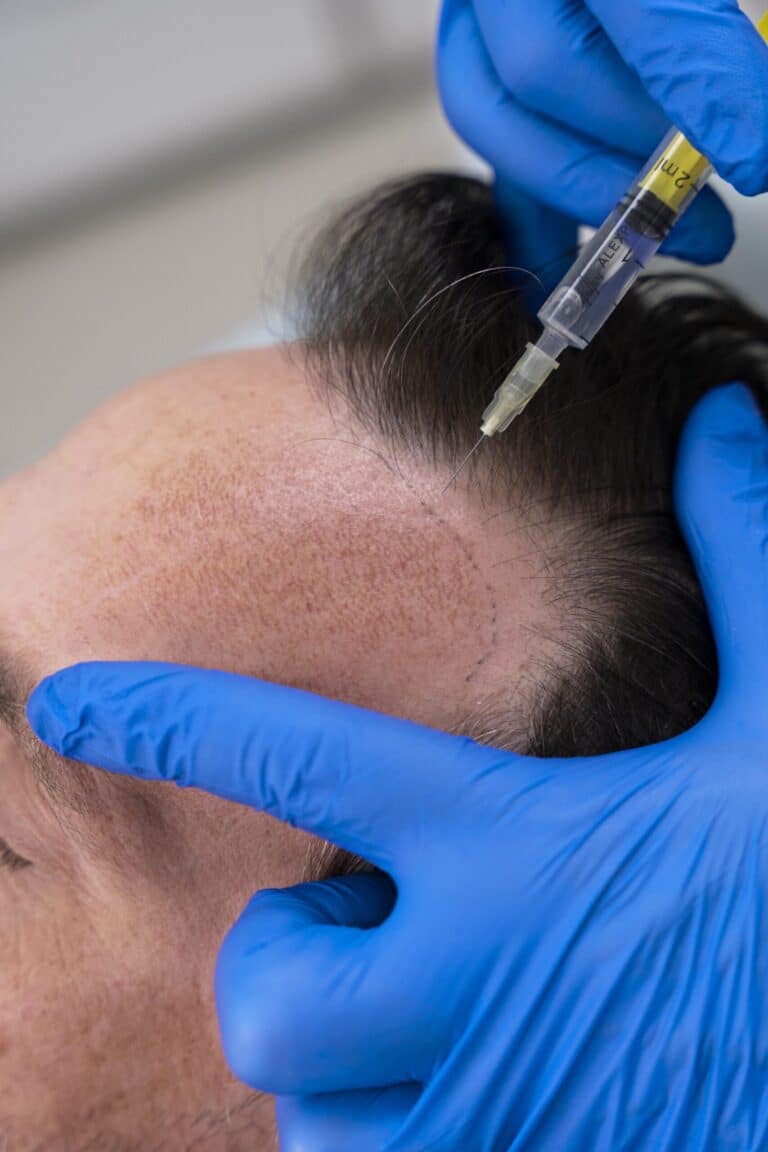
Every course runs in Detroit.
The hands-on day is in person, at an instructor’s practice or inside yours.



Common questions
What Detroit providers ask before they book.
How much does training in Detroit cost?
Training inside your own practice in Detroit starts at $10,000, with the instructor's travel and lodging included. Training at an instructor's location starts at $5,000. Both are starting points. The quote depends on the discipline, the instructor, how many people are training and how much of the curriculum is built around you.
Does Michigan have a stem cell therapy law?
Our rules by state page does not list a Michigan statute written for stem cell products, and the Right to Try Act deals with investigational products for patients with an advanced illness, not regenerative procedures in general. For any Michigan rule on stem cell or regenerative products, check with the Board of Medicine or the Board of Osteopathic Medicine and Surgery. Federal FDA rules apply either way. Our reading is on the rules by state page.
Can a Michigan NP or PA do the hands-on part?
Within your Michigan scope, yes. The AANP lists Michigan as restricted practice for nurse practitioners, and a physician's assistant works under a practice agreement with a participating physician. Bring the agreement, and the name of the physician you work with, when we plan the session. We fit the hands-on plan to them before you book.
I'm not licensed in Michigan. Can I train in Detroit?
You can, and your license shapes the plan. When we come to you, the session happens in your own practice, under the license you hold there. When you come to an instructor's location in Michigan, your Michigan licensure decides what you do hands on. Tell us when you request a date and we work it out together before you book.
Request a date now
Tell us about your practice and when you'd like to train.
Ready to add PRP or another regenerative procedure in Detroit? A few quick questions, one screen at a time. Nothing here commits you to a date. A person reads every request and calls you back within one business day.
From the blog
Read it here, then do it in a course.
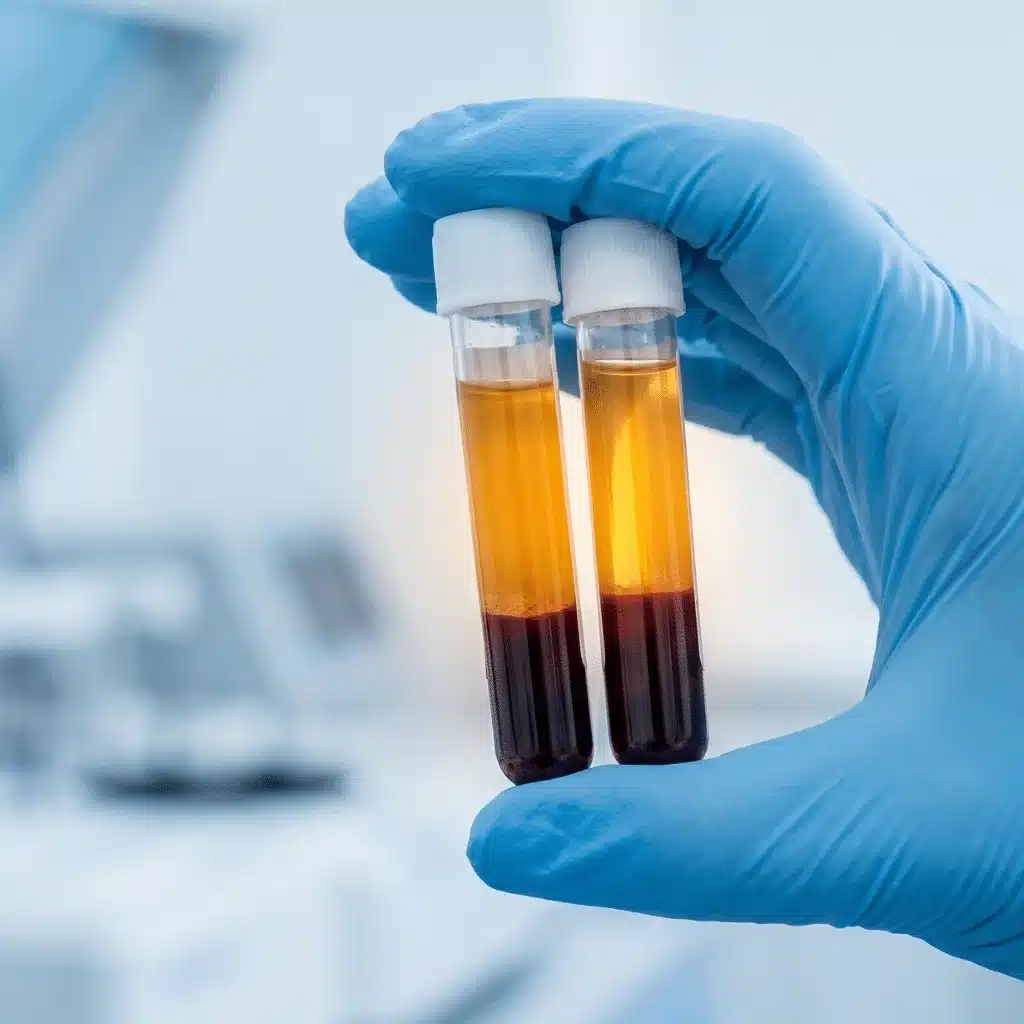
The role of growth factors in regenerative medicine: a clinical primer
Read the postPlatelet count is not the dose. A primer on the growth factors that do the work, why preparation…
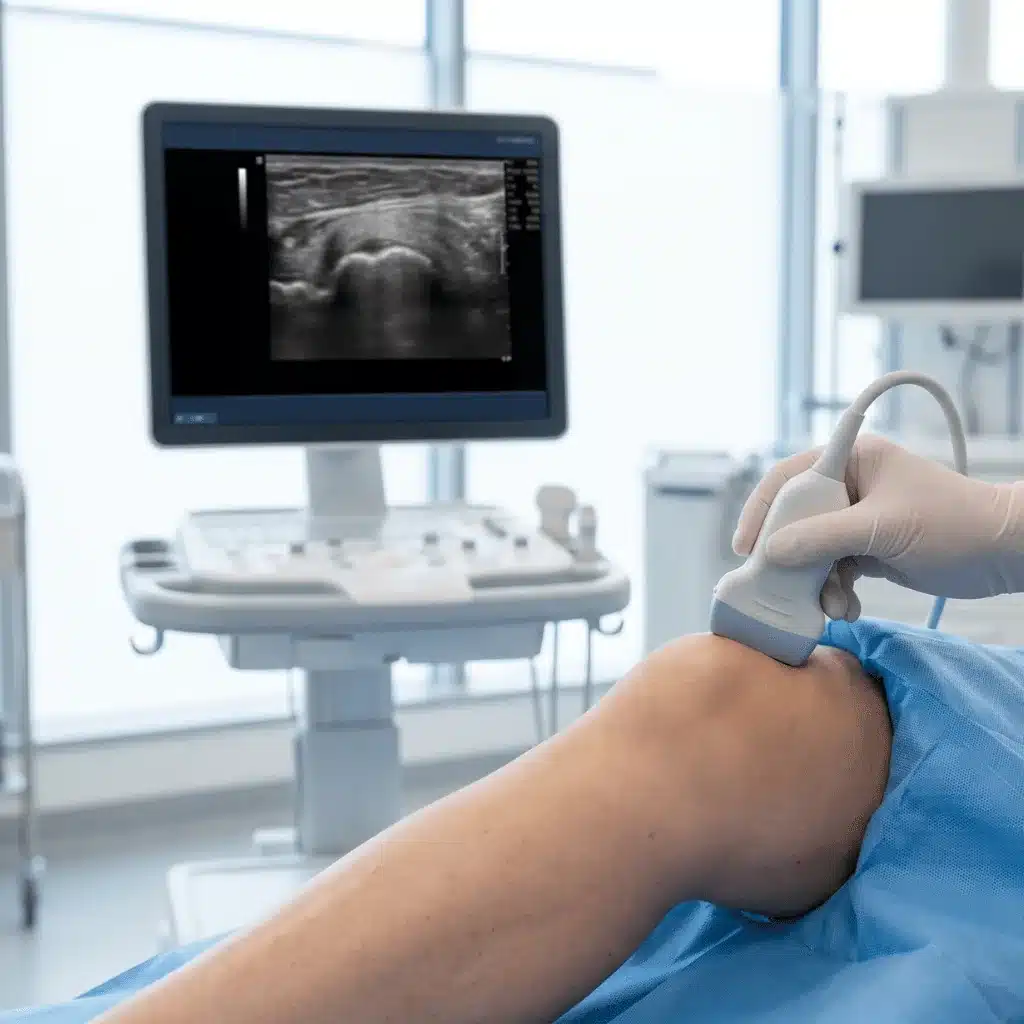
Ultrasound-guided injection techniques in regenerative medicine: why training matters
Read the postGuidance puts the needle where it belongs. It does not make you competent. What the accuracy evidence shows…
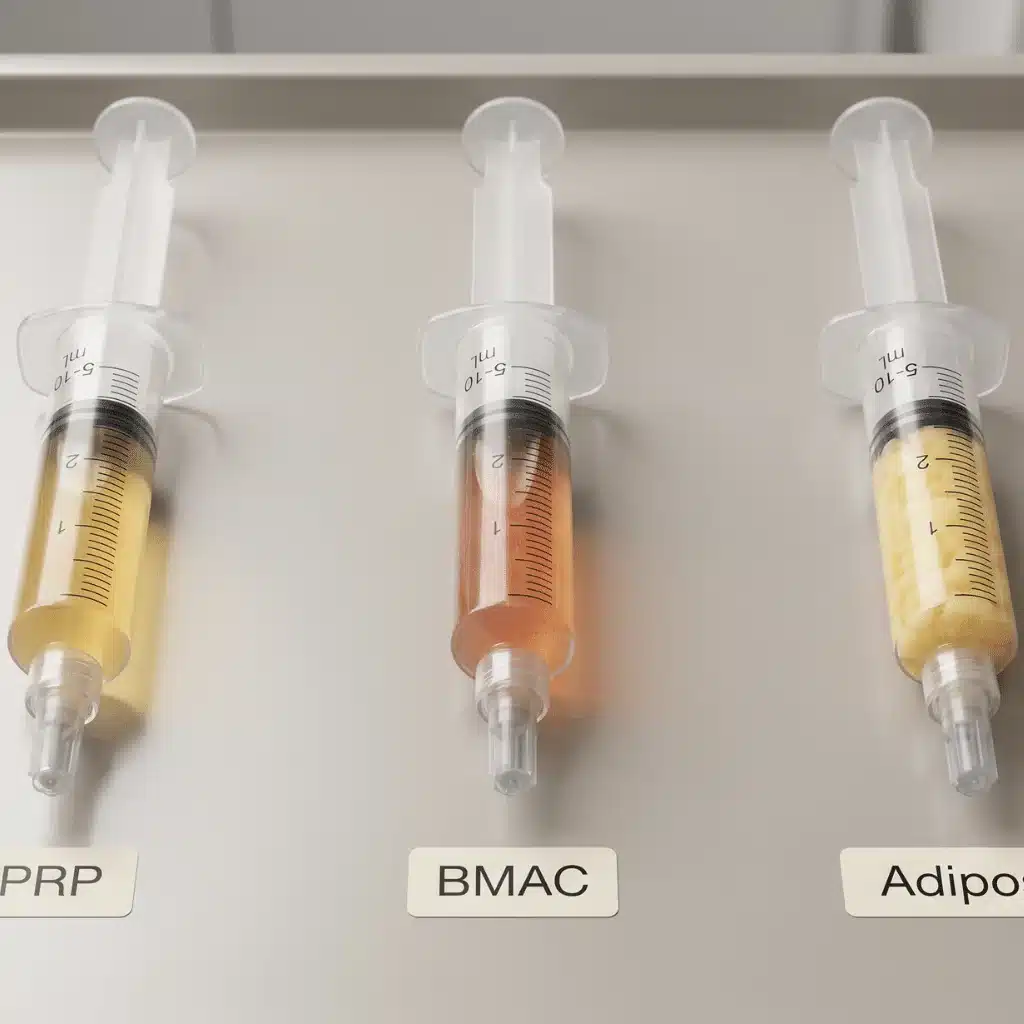
PRP vs. BMAC vs. adipose: comparing orthobiologic treatment options
Read the postPRP, BMAC and adipose are three different tools, not one product with three names. How to match modality…
Important information
Read this before you book.
Know what a course is not before you book. It won’t make you a specialist. It carries no CMEs, credit hours or accreditation, and it doesn’t cover your malpractice: you arrange that yourself. No one can promise you outcomes. It is education for licensed providers, not medical or legal advice, and some products and modalities discussed are not FDA approved or cleared for the uses discussed. The Certificate of Completion is not a license or a board certification, and it does not expand your scope of practice. Read the full notes.