
Where we train
Regenerative Medicine Course for Miami Professionals
Hands-on regenerative medicine training for licensed providers in Miami and Fort Lauderdale. It’s private. You work on a consenting patient with one instructor. And the room is a working practice, ours or your own.

Live patients
Private training
Practicing clinicians
U.S. based, worldwide
Training in Miami
Most providers who ask us about Miami practice somewhere between Homestead and Boca Raton. Miami, Fort Lauderdale and the rest of Broward sit inside a single drive. Boca Raton and West Palm Beach are about an hour up I-95, and Naples is about two hours across Alligator Alley.
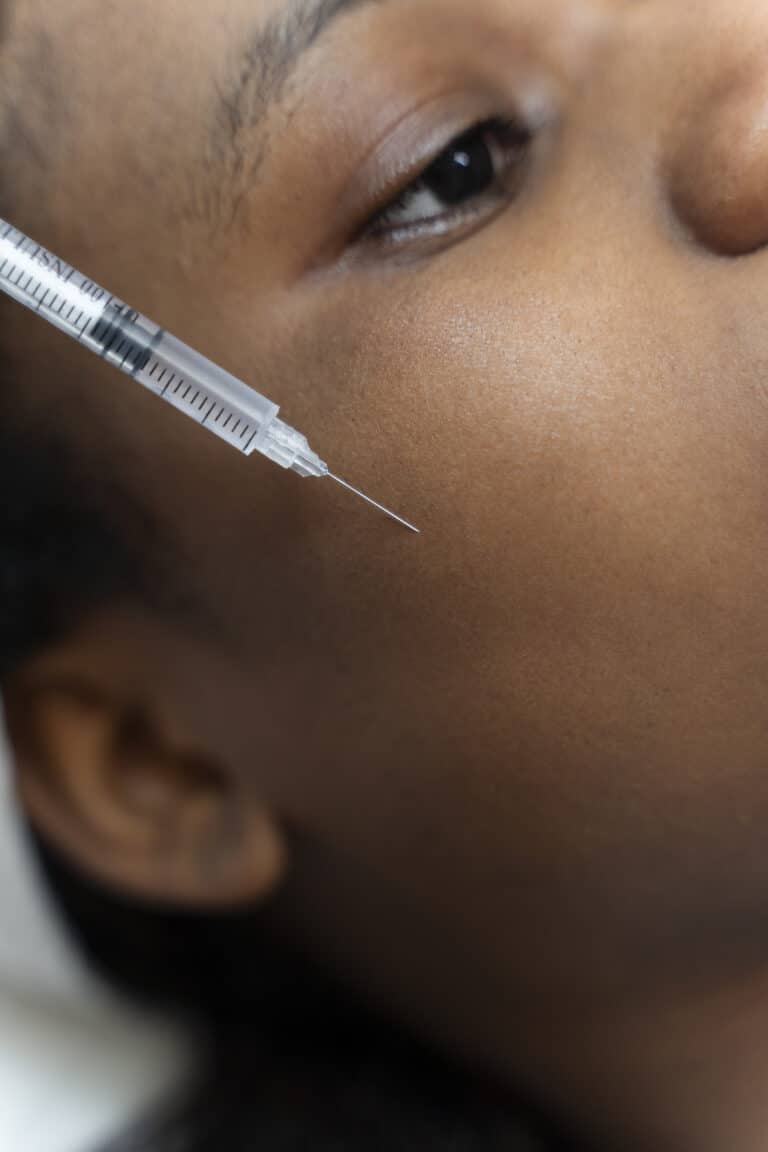
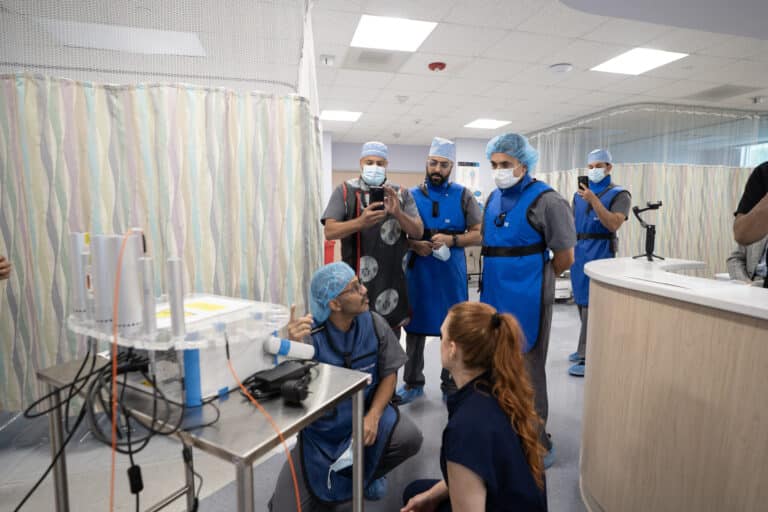
There are two ways to train. The instructor comes to your practice and works with you and your staff on your own equipment, with travel inside the quote. Or you train at an instructor’s own working practice. Either way the session is private, the patient is real and consenting, and the scope is set before you book.
Who can train? Anyone legally able to provide the treatment in Florida. That turns on your license, and Florida draws the line differently for each one. The two sections below set out how, with the statute behind every line.

Local detail
Miami at a glance.
Where the instructor lands, the area a Miami session covers, and the health systems around you.
Getting here
For training inside your practice, the instructor flies into Miami International Airport (MIA) or Fort Lauderdale-Hollywood International Airport (FLL), whichever is closer to you. For most Palm Beach County practices that is Fort Lauderdale. Travel and lodging are inside the quote.
The area a Miami session covers
Miami-Dade, Broward and Palm Beach counties, and the Keys if that is where you practice. That takes in Miami Beach, Coral Gables, Doral, Hialeah, Kendall, Homestead, Hollywood, Fort Lauderdale, Pembroke Pines, Coral Springs, Boca Raton, Delray Beach and West Palm Beach. Practices farther north or across the state have their own pages: Tampa, Orlando and Jacksonville.
Health systems in Miami-Dade
Miami providers practice alongside the University of Miami Leonard M. Miller School of Medicine, established in 1952 as Florida’s first medical school; Jackson Health System, a nonprofit academic medical system; Baptist Health South Florida, a not-for-profit health system; and Mount Sinai Medical Center in Miami Beach, founded in 1949 and, in its own words, the largest private, independent, not-for-profit teaching hospital in Florida.
Broward and the medical schools
In Broward, Memorial Healthcare System runs Memorial Regional Hospital in Hollywood and describes itself as one of the largest public healthcare systems in the nation. Nova Southeastern University’s Dr. Kiran C. Patel College of Osteopathic Medicine is in Fort Lauderdale. FIU Herbert Wertheim College of Medicine sends its students into Miami households through its Green Family Foundation NeighborhoodHELP program, where they provide team-based, household-centered care.
Worth knowing
Jackson Memorial Hospital first opened on June 25, 1918, as the new Miami City Hospital. Source
Florida scope
What each Florida license allows.
Your license decides what you do hands on, in Florida as anywhere. Here is how Florida law reads for each license we train, as of October 2026, with the statute linked. It is a starting point, not legal advice.
It is your responsibility to confirm the modality is legal in your state for your license. Do that before you book. The authority on your own scope is your licensing board, not us.
Physicians, MD and DO
Florida physicians are licensed by the Board of Medicine and the Board of Osteopathic Medicine. Florida’s stem cell therapy law, SB 1768, is written for physicians only. It lets an MD or DO perform stem cell therapy that is not FDA approved, within their scope of practice, for orthopedics, wound care or pain management, under the sourcing, notice and consent rules in the next section. Source
Nurse practitioners
Florida has restricted practice for nurse practitioners, according to the AANP. Source An advanced practice registered nurse works within an established protocol with a supervising physician, unless registered for autonomous practice. Source Autonomous practice is limited to primary care, including family medicine, general pediatrics and general internal medicine, and needs at least 3,000 clinical practice hours in the 5 years before registration. Source Work outside primary care runs under the protocol.
Physician assistants
Florida physician assistants practice under physician supervision. Except in emergencies, supervision requires the physician to be easily available, including by telecommunication, or physically present. A physician can supervise no more than 10 physician assistants at one time. Source
Registered nurses
Florida’s Nurse Practice Act counts as professional nursing “the administration of medications and treatments as prescribed or authorized by a duly licensed practitioner authorized by the laws of this state to prescribe such medications and treatments.” Source How we read it: an RN’s part in a procedure starts from an order by a practitioner who is authorized to prescribe it.
Chiropractic physicians
Florida lets chiropractic physicians treat by manual, mechanical, electrical or natural methods, by acupuncture, and by dry needling for trigger points or myofascial pain. The same subsection expressly prohibits them from prescribing or administering any legend drug, apart from emergency oxygen and certain topical anesthetics, and from performing surgery except as the statute states. Source Before you book an injection course, take the question to the Board of Chiropractic Medicine.
Physical therapists
Florida’s definition of physical therapy lists the methods a physical therapist may use, from therapeutic exercise and manual therapy to wound care and electrotherapy. Injections are not on the list. Source Florida physical therapists may perform dry needling after two years of licensed practice, 50 hours of face-to-face continuing education and supervised patient sessions, and may not delegate it. Source Check an injection course against your scope with the Board of Physical Therapy first.
Florida law
The Florida rules that touch regenerative medicine.
State law in this field changes, sometimes more than once a year. Our reading of each state, with its sources and the date we checked, is on the rules by state page. It is a starting point, not legal advice.
SB 1768, stem cell therapy (2025)
Since July 1, 2025, a Florida physician may perform stem cell therapy that is not FDA approved if it is within the physician’s scope of practice and related to orthopedics, wound care or pain management. The law defines stem cell therapy as treatment using afterbirth placental perinatal stem cells, or human cells, tissues, or cellular or tissue-based products that meet its rules. The cells must be retrieved, manufactured and stored in an FDA registered facility that also holds credentials from one of four named groups and follows current good manufacturing practices, and must show live cells after thawing, with a viability report sent to the physician before use. Using cells or tissues from a fetus or embryo after an abortion is a third degree felony. Source
What every advertisement must say
Under the same law, every advertisement for the therapy must carry this notice: “THIS NOTICE MUST BE PROVIDED TO YOU UNDER FLORIDA LAW. This physician performs one or more stem cell therapies that have not yet been approved by the United States Food and Drug Administration. You are encouraged to consult with your primary care provider before undergoing any stem cell therapy.” The physician must also get a signed consent form stating, among other things, that the therapy is not FDA approved. Source
Right to Try
Florida has its own Right to Try Act (2015). It covers a patient with a terminal condition, attested by the patient’s physician and confirmed by a second independent evaluation by a board-certified physician in the right specialty, who has considered all FDA approved options and given written informed consent. It applies to investigational drugs, biological products or devices that have finished phase 1 trials, are not FDA approved for general use and are still in an FDA approved trial. Source
Federal rules still apply
Florida law sits on top of federal law, not in place of it. The FDA’s rules for human cells, tissues, and cellular and tissue-based products apply in every state. Our summary is in the federal section of the rules by state page.
Formats and pricing
Two ways to train in Miami, and both are private.
The hands-on work with a consenting patient is the same either way. What changes is whose room it is, and who from your practice is in it. Both prices are starting points: the quote depends on the course, how many people are training and how much of the curriculum is built around you.
At an instructor location
From $5,000
You come to us, at an instructor’s own working practice.
At your own practice
From $10,000
We come to you, anywhere in Florida, with the instructor’s travel and lodging inside the quote. What on-site training includes.
Cancel or refund any time up to thirty days out. Inside thirty days, no refund.
On a refund, covering card processing and office costs.
To move your date, covering the travel that moves with it.
Questions about dates, format or fit? Talk to us.
Training courses we offer
Every course runs in Miami.
The hands-on day is in person, at an instructor’s practice or inside yours.
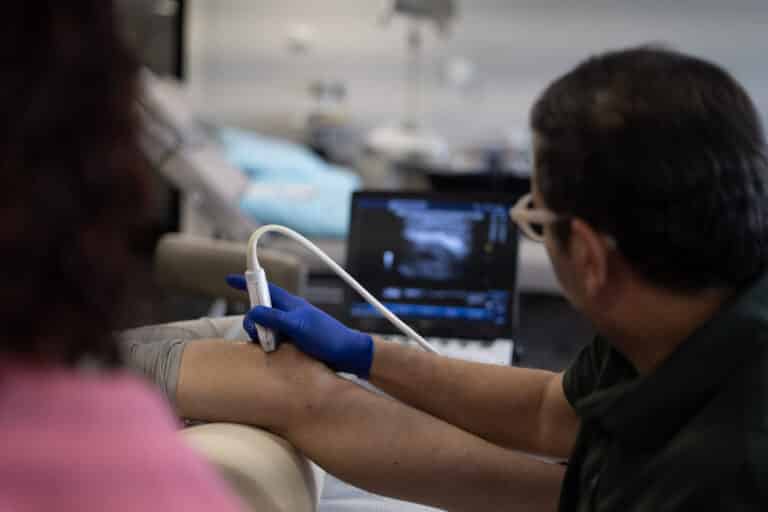
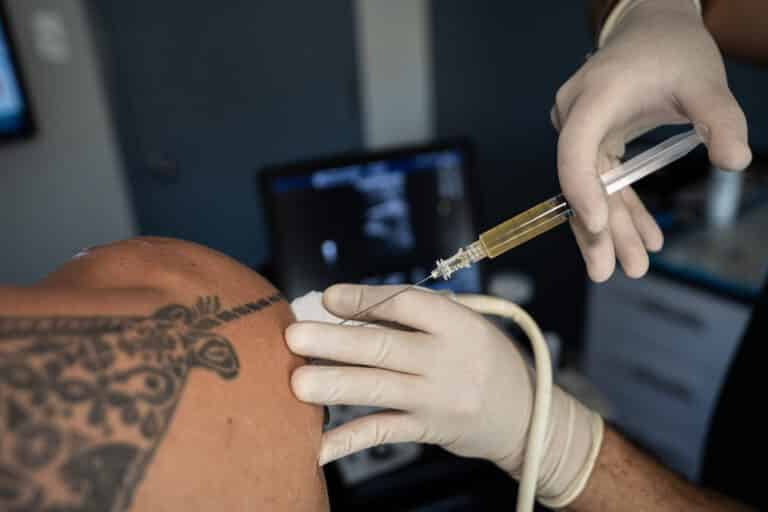
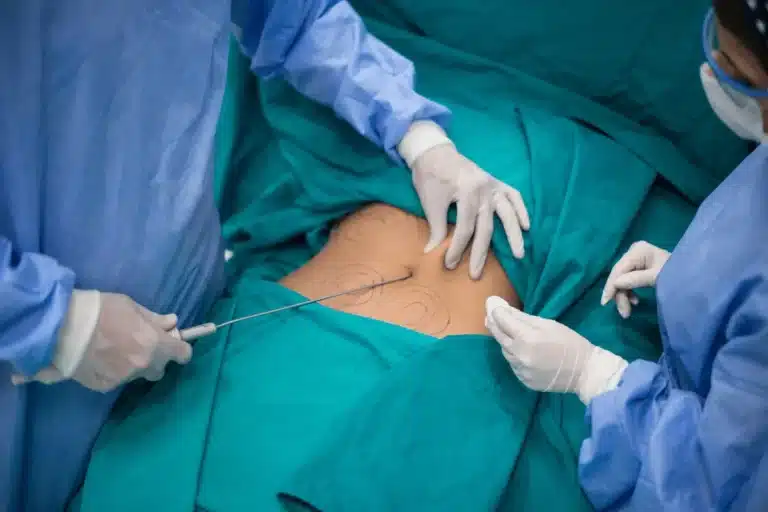
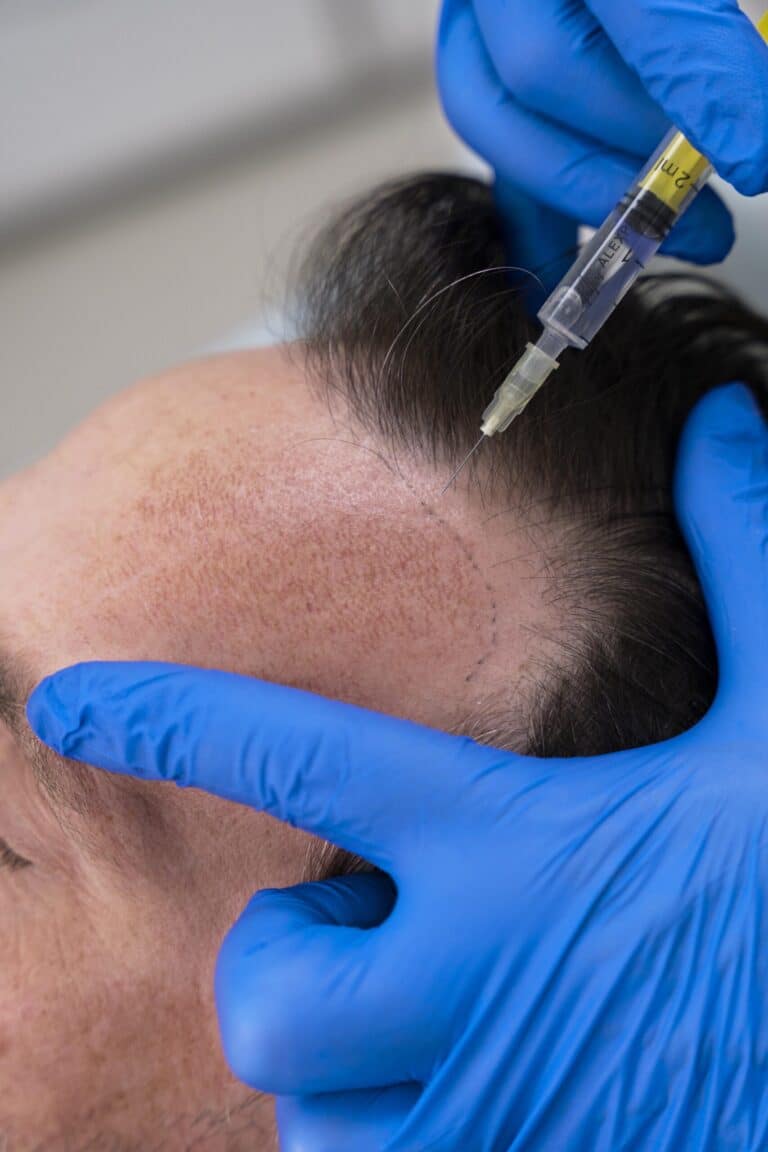



Common questions
What Miami providers ask before they book.
How much does training in Miami cost?
Training inside your own practice in Miami starts at $10,000, with the instructor's travel and lodging included. Training at an instructor's location starts at $5,000. Both are starting points. The quote depends on the discipline, the instructor, how many people are training and how much of the curriculum is built around you.
Does Florida's SB 1768 cover PRP?
SB 1768 is written for stem cell therapy. It defines that as treatment using afterbirth placental perinatal stem cells, or human cells, tissues, or cellular or tissue-based products that meet its rules, and it does not mention platelet-rich plasma. Whether a given product or procedure falls under it is a question for your counsel and your board, not us. Our reading, with the source, is on the rules by state page.
Can a Florida NP or PA do the hands-on part?
Within your Florida scope, yes. A nurse practitioner works under a protocol with a supervising physician unless registered for autonomous practice, which covers primary care only. A physician assistant works under physician supervision. Bring your protocol or supervision terms when we plan the session, and we set the hands-on plan around them before you book.
I'm not licensed in Florida. Can I train in Miami?
Tell us when you request a date. If we come to you, you train at your own practice under the license you already hold there. If you come to an instructor's location in Florida, what you do hands on depends on your licensure in Florida, and we set the plan with you before you book.
Request a date now
Tell us about your practice and when you'd like to train.
Ready to add PRP or another regenerative procedure in Miami? A few quick questions, one screen at a time. Nothing here commits you to a date. A person reads every request and calls you back within one business day.
From the blog
Read it here, then do it in a course.

What PRP equipment does a clinic need to start?
Read the postWritten by Oscar Tellez, founder of Regen Med Academy. Oscar is not a clinician. This post is education…
What do I need to offer PRP injections in my practice?
Read the postWritten by Oscar Tellez, founder of Regen Med Academy. Oscar is not a clinician. This post is education…

What is PRP therapy, in plain terms?
Read the postWritten by Oscar Tellez, founder of Regen Med Academy. Oscar is not a clinician. This post is education…
Important information
Read this before you book.
Know what a course is not before you book. It won’t make you a specialist. It carries no CMEs, credit hours or accreditation, and it doesn’t cover your malpractice: you arrange that yourself. No one can promise you outcomes. It is education for licensed providers, not medical or legal advice, and some products and modalities discussed are not FDA approved or cleared for the uses discussed. The Certificate of Completion is not a license or a board certification, and it does not expand your scope of practice. Read the full notes.