
Where we train
Regenerative Medicine Training in Kansas City, Missouri
PRP and regenerative medicine training for licensed providers in Kansas City and across Missouri. It’s private and hands-on, on a live consenting patient.

Live patients
Private training
Practicing clinicians
U.S. based, worldwide
Training in Kansas City
Kansas City is one metro in two states, and providers ask us about both halves. On the Missouri side that means Jackson, Clay, Platte and Cass counties, with Independence, Lee’s Summit, Blue Springs, Liberty and North Kansas City. On the Kansas side it means Johnson and Wyandotte counties, with Overland Park, Olathe, Lenexa, Leawood and Kansas City, Kansas. St. Joseph is about an hour north on I-29.
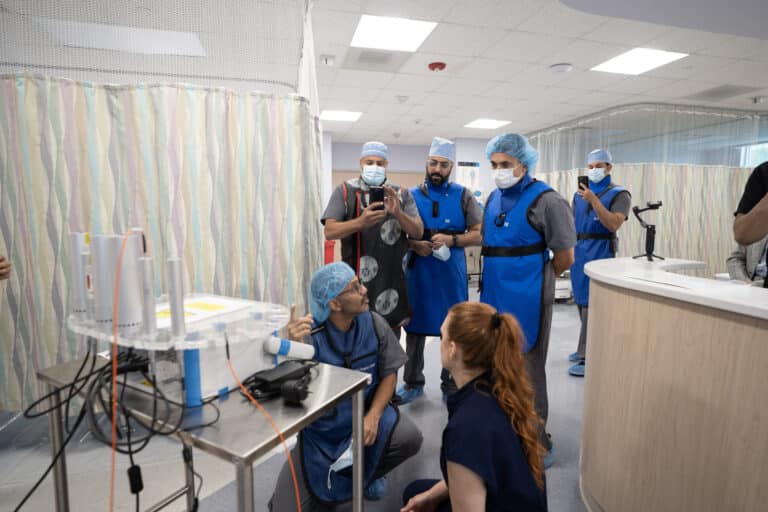
Training happens in one of two places. The instructor can come to your practice and teach you and your staff with your own setup, travel included in the quote, or you can go to an instructor’s own working practice. In both cases the session is private, the patient is real and has consented, and the scope is set before you book.
Who can train? Anyone legally able to provide the treatment in Missouri, which for a nurse practitioner or a physician assistant means working with a collaborating physician. The Missouri section below is the short version, and it links to the full reading, license by license, with its sources. A practice on the Kansas side follows Kansas law instead, as the questions below explain.

Local detail
Kansas City at a glance.
Where the instructor lands, the two-state ground a Kansas City session covers, and the health systems on both sides.
Getting here
For training inside your practice, the instructor flies into Kansas City International Airport (MCI) and drives on to you, on either side of the state line. Travel and lodging are inside the quote.
The area a Kansas City session covers
Jackson, Clay, Platte and Cass counties in Missouri, and Johnson and Wyandotte counties in Kansas, with Buchanan County for practices in St. Joseph. That takes in Kansas City, Independence, Lee’s Summit, Blue Springs, Raytown, Liberty, Gladstone, North Kansas City, Belton, Overland Park, Olathe, Lenexa, Leawood, Shawnee and Kansas City, Kansas. The other end of Missouri has its own page in St. Louis, and Denver is the nearest page to the west.
Health systems on the Missouri side
University Health is an academic medical center whose doctors teach in affiliation with the UMKC School of Medicine, with one acute care hospital in the UMKC Health Sciences District just south of Downtown and another in Southeast Kansas City near Lee’s Summit. Saint Luke’s serves the West Region of BJC Health, across 10 hospitals and campuses and 67 counties in Missouri and Kansas. Children’s Mercy Kansas City is an independent, nonprofit pediatric hospital and one of just 28 freestanding pediatric hospitals in the U.S.
Medical schools on both sides of the line
The UMKC School of Medicine teaches on Hospital Hill in the UMKC Health Sciences District and on a second campus in St. Joseph. Kansas City University, founded in 1916 by George J. Conley, DO, is the oldest medical school in Kansas City. Across the line, the University of Kansas Medical Center in Kansas City, Kansas, traces its medical school to 1905, and The University of Kansas Health System describes itself as an academic health system serving Kansas, the region and the nation.
Worth knowing
Children’s Mercy began on the eve of the 20th century, when two sisters, Alice Berry Graham and Katharine Berry Richardson, set out to care for Kansas City’s neediest children. Source
The market
Greater Kansas City in numbers.
The public record splits Kansas City between two states. These are the figures for five of its counties, three in Missouri and two in Kansas, and each figure carries a link to its source.
Two states, five counties
The Census Bureau’s July 2025 estimates count 732,994 residents in Jackson County, 265,032 in Clay and 114,400 in Platte. Across the line, Johnson County has 636,906 and Wyandotte 170,597. Added up, that is 1,112,426 people on the Missouri side and 807,503 on the Kansas side, so about 42 percent of the five-county total lives in Kansas. The state line runs through the market, not around it.
Where the growth has been
Set those estimates against the 2020 census counts and Johnson County has added about 27,000 residents, more than any of the other four. Jackson added about 15,800, Clay about 11,700 and Wyandotte about 1,350. The biggest county is in Missouri. The one that added the most people is in Kansas.
About 2,047 square miles
By the 2020 land area figures, Jackson County covers 604.52 square miles, Johnson 473.63, Platte 419.80, Clay 397.66 and Wyandotte 151.64, which comes to about 2,047 square miles between them. A practice in Olathe and a practice in Liberty are both Kansas City, and they answer to different states. So we ask for your address, and your state, before we plan anything.
Younger than the country on both sides
In each of the five counties the share of residents under 18 is above the national 21.1 percent, and the share 65 or older is below the national 18.9 percent. Source Wyandotte is the youngest, at 26.0 percent under 18 and 14.1 percent 65 or older. Johnson has the highest share 65 or older, at 18.1 percent. Jackson sits at 22.1 and 17.2 percent. These figures describe who lives in each county. They are not counts of patients.
Wyandotte County stands apart
In Wyandotte County, 17.9 percent of residents were born outside the United States, and 31.8 percent of those aged five and older speak a language other than English at home (2020 to 2024). Source None of the other four counties is above 10 percent on the first measure or 13 percent on the second: Johnson is at 9.2 and 12.1 percent, Jackson at 6.6 and 10.5.
One medical society for both sides
The Kansas City Medical Society traces itself to the Jackson County Medical Society, founded in 1881. It later joined with the medical societies in Clay and Platte counties, and on January 1, 2018, the Wyandotte and Johnson County Medical Society in Kansas merged into it. The Mid-America Regional Council, which serves nine counties and 119 cities, calls the area “the bistate Kansas City region.” Physicians and local governments here organize across the line. Licensing still goes state by state.
St. Louis is the other end of I-70
More physician offices on the Kansas side
In the Census Bureau’s County Business Patterns county file for 2023, Jackson County has 316 offices of physicians, 116 offices of chiropractors and 119 offices of physical, occupational and speech therapists and audiologists, a single group in the Census tables. Source Clay County has 110 physician offices and Platte 41. Across the line, Johnson County has 528 and Wyandotte 40. That makes 467 on the Missouri side and 568 on the Kansas side: Johnson County alone lists more than the three Missouri counties together. Each figure is a business location with paid employees, not a count of clinicians.
Local rules
What Kansas City and each side of the state line ask of a practice.
Your state decides what your license allows, and the Missouri section below covers that. What follows is the business side of a practice here: which city, county and state offices you answer to on each side of the state line, as of October 2026. Take it as a starting point. It is not legal advice, so confirm each point with the office named.
A Kansas City, Missouri, business license
The city puts it this way: “Business Licenses are required by Sec. 40 of the Kansas City municipal code of any operation that generates revenue, transacts, or employs within City limits.” Its Business License Section takes questions. Source How we read it: the rule is the city’s own and turns on generating revenue, transacting or employing inside the limits of Kansas City, Missouri. A practice in Independence, Liberty or Overland Park should ask its own city hall what that city requires.
Zoning clearance and a Certificate of Occupancy
For a Kansas City, Missouri, address the city says: “A zoning clearance and a certificate of occupancy are different items. You will need both, even though applying for a business license only requires zoning clearance.” Source It describes a Certificate of Occupancy as the document that verifies a building or unit is approved for a specific use, and names the City Planning and Development Department as the office to contact. Source
A practice name in two states
The Missouri Secretary of State says Missouri law requires any person or business entity that transacts business in the state under a name other than its own “true name” to register that name with the Secretary of State’s Office as a Fictitious Name Registration. Source Kansas answers the other way. Asked whether the state registers DBAs or fictitious names, the Kansas Secretary of State replies: “No. State law does not require or permit the registration or filing of DBAs or fictitious names.” Source
Health departments by address
The Kansas City, Missouri Health Department describes its work as protecting the health of “Kansas City residents, visitors, and workers.” Source Jackson County Public Health, in Lee’s Summit, says it serves eastern Jackson County. On the Kansas side, the Johnson County Department of Health and Environment says it serves a population of over 600,000, and Wyandotte County has its own Public Health Department. Ask which office covers your address.
Infectious waste, state by state
In Missouri, the Department of Natural Resources says its Waste Management Program “regulates packaging, transporting, tracking, manifesting and disposing of infectious waste.” It defines a small-quantity generator as one that produces 100 kilograms or less, approximately 220 pounds, of infectious waste in one month. Source In Kansas, the Department of Health and Environment’s Bureau of Waste Management gives the guidance on medical waste, and it says sharps containers must be rigid and puncture-proof. Source
Missouri rules
Missouri scope and law, in brief.
Here is the short version for Missouri, as of October 2026. The full reading, one license at a time with every statute linked, is in the Missouri scope and law sections on our St. Louis page, and our summary is on the rules by state page. Take it as a starting point, not legal advice.
It is your responsibility to confirm the modality is legal in your state for your license. Do that before you book. The authority on your own scope is your licensing board, not us.
Physicians, NPs and PAs
Only a registered physician may practice medicine or surgery in Missouri. Source Missouri has restricted practice for nurse practitioners, according to the AANP. Source They work under a collaborative practice arrangement with a physician. Source A physician assistant may not practice without physician collaboration. Source
RNs, chiropractors and physical therapists
How we read the nursing statute: an RN’s part starts from a licensed prescriber’s order. Source The chiropractic definition shuts out “the administration or prescribing of any drug or medicine.” Source How we read it: an injection course sits close to that exclusion. Physical therapy does not include surgery, invasive tests, prescribing any drug or medicine, or giving one other than a topical agent on a physician’s direction. Source RNs and chiropractors should ask their board before they book.
Missouri law
Article III, Section 38(d) of the Missouri Constitution (2006) says stem cell therapies permitted under federal law may be provided in Missouri. Source How we read it: federal law sets the outer limit, and we found no Missouri statute requiring a patient notice or consent form for stem cell or regenerative products. Missouri also has a Right to Try law (2014). Source Ask your counsel and your board about a specific product.
Formats and pricing
Two ways to train in Kansas City, and both are private.
The hands-on work with a consenting patient is the same either way. What changes is whose room it is, and who from your practice is in it. Both prices are starting points: the quote depends on the course, how many people are training and how much of the curriculum is built around you.
At an instructor location
From $5,000
You come to us, at an instructor’s own working practice.
At your own practice
From $10,000
We come to you, anywhere in Missouri, with the instructor’s travel and lodging inside the quote. What on-site training includes.
Cancel or refund any time up to thirty days out. Inside thirty days, no refund.
On a refund, covering card processing and office costs.
To move your date, covering the travel that moves with it.
Questions about dates, format or fit? Talk to us.
Training courses we offer
Every course runs in Kansas City.
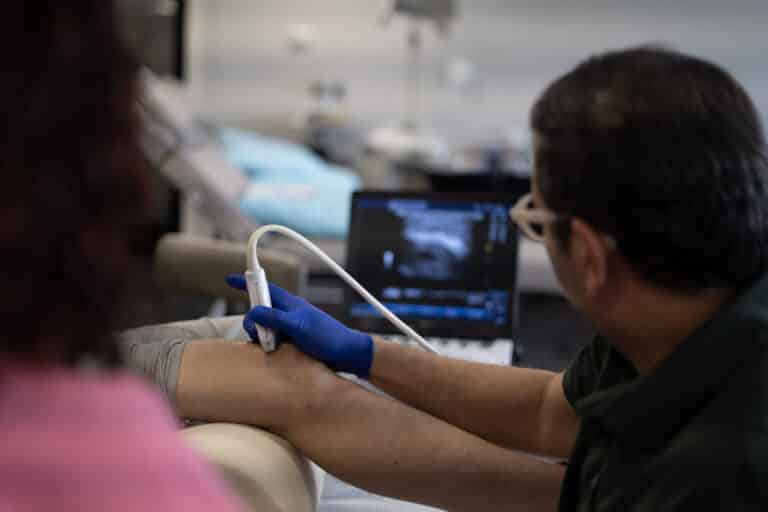
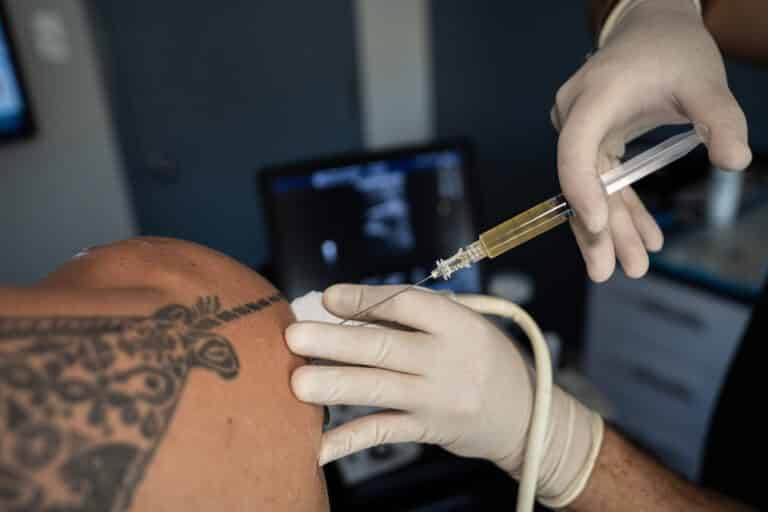
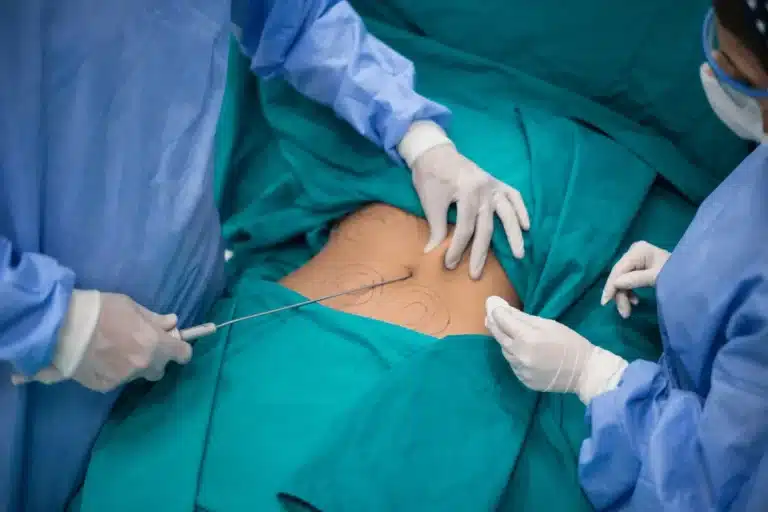
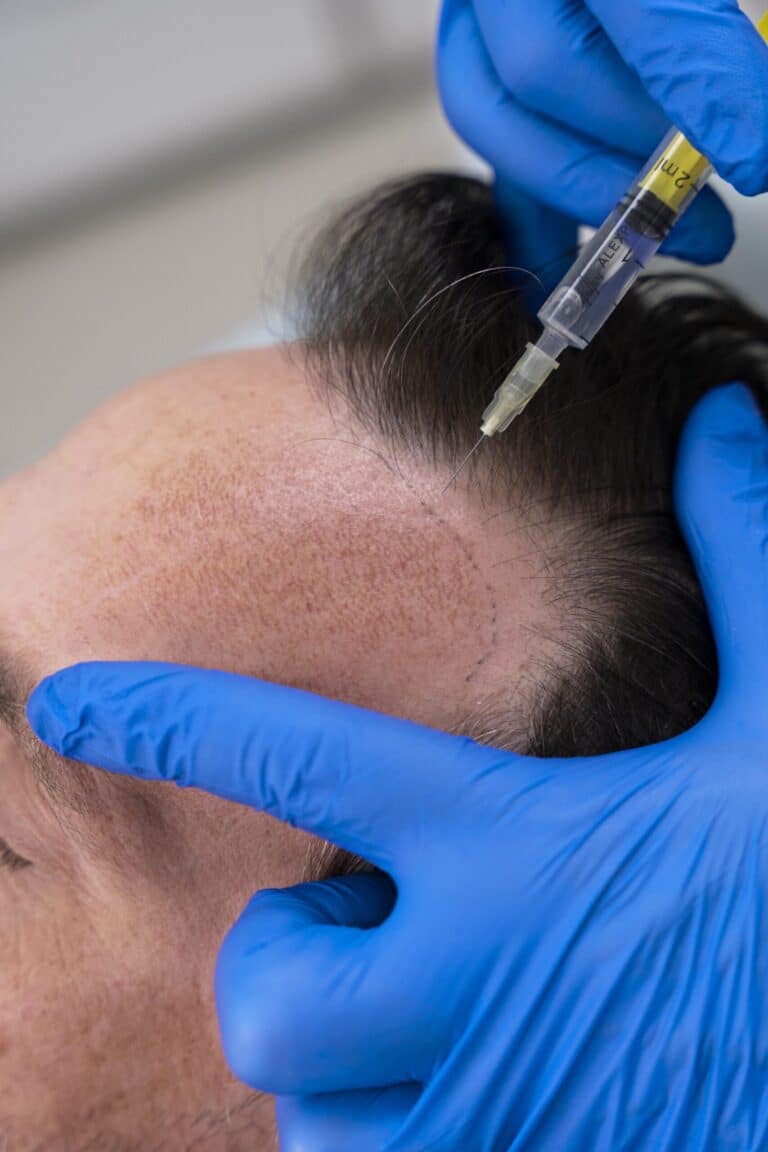
The hands-on day is in person, at an instructor’s practice or inside yours.




Common questions
What Kansas City providers ask before they book.
How much does training in Kansas City cost?
Training inside your own practice in Kansas City starts at $10,000, with the instructor's travel and lodging included. Training at an instructor's location starts at $5,000. Both are starting points. The quote depends on the discipline, the instructor, how many people are training and how much of the curriculum is built around you.
My practice is on the Kansas side. Does the Missouri section apply?
No. A practice in Overland Park, Olathe or Kansas City, Kansas, is licensed in Kansas, and the Missouri section on this page does not apply to it. Kansas nurses, advanced practice registered nurses included, are licensed by the Kansas State Board of Nursing, and a Kansas physician assistant practices in a dependent role with a supervising physician under Kansas law. Our reading of Kansas is in the Kansas section of the rules by state page. Tell us which state you practice in when you request a date.
Are the rules different in Kansas City than in St. Louis?
Not on the Missouri side. Scope of practice, the stem cell provision in the state constitution and Right to Try all come from the State of Missouri and its boards, so a practice in Jackson, Clay or Platte County works under the same rules as one in St. Louis. The short version is in the Missouri section above. The full reading, one license at a time, is on our St. Louis page.
Which airport does the instructor use for a Kansas-side practice?
The same one as for the Missouri side. Kansas City International (MCI) gives its address as 1 Kansas City Boulevard, Kansas City, MO. Source The Kansas City Aviation Department owns and operates it, and its new terminal opened on February 28, 2023. Source From there the instructor drives to you in either state, and that travel and the lodging are part of the quote.
Do you come out to Lee's Summit, Liberty or Olathe?
Yes. A Kansas City session can run in Jackson, Clay, Platte or Cass County in Missouri, or in Johnson or Wyandotte County in Kansas. Jackson County alone covers 604.52 square miles of land. Source Every session is private, and the plan is agreed with you before you book.
I'm not licensed in Missouri. Can I train in Kansas City?
Yes, and tell us when you request a date. If the instructor comes to you, you train in your own practice under the license you hold there. If you travel to an instructor's location in Missouri, your hands-on role depends on whether you are licensed in Missouri, and we agree the plan with you before you book.
Request a date now
Tell us about your practice and when you'd like to train.
Ready to add PRP or another regenerative procedure in Kansas City? A few quick questions, one screen at a time. Nothing here commits you to a date. A person reads every request and calls you back within one business day.
From the blog
Read it here, then do it in a course.

The role of growth factors in regenerative medicine: a clinical primer
Read the postPlatelet count is not the dose. A primer on the growth factors that do the work, why preparation…
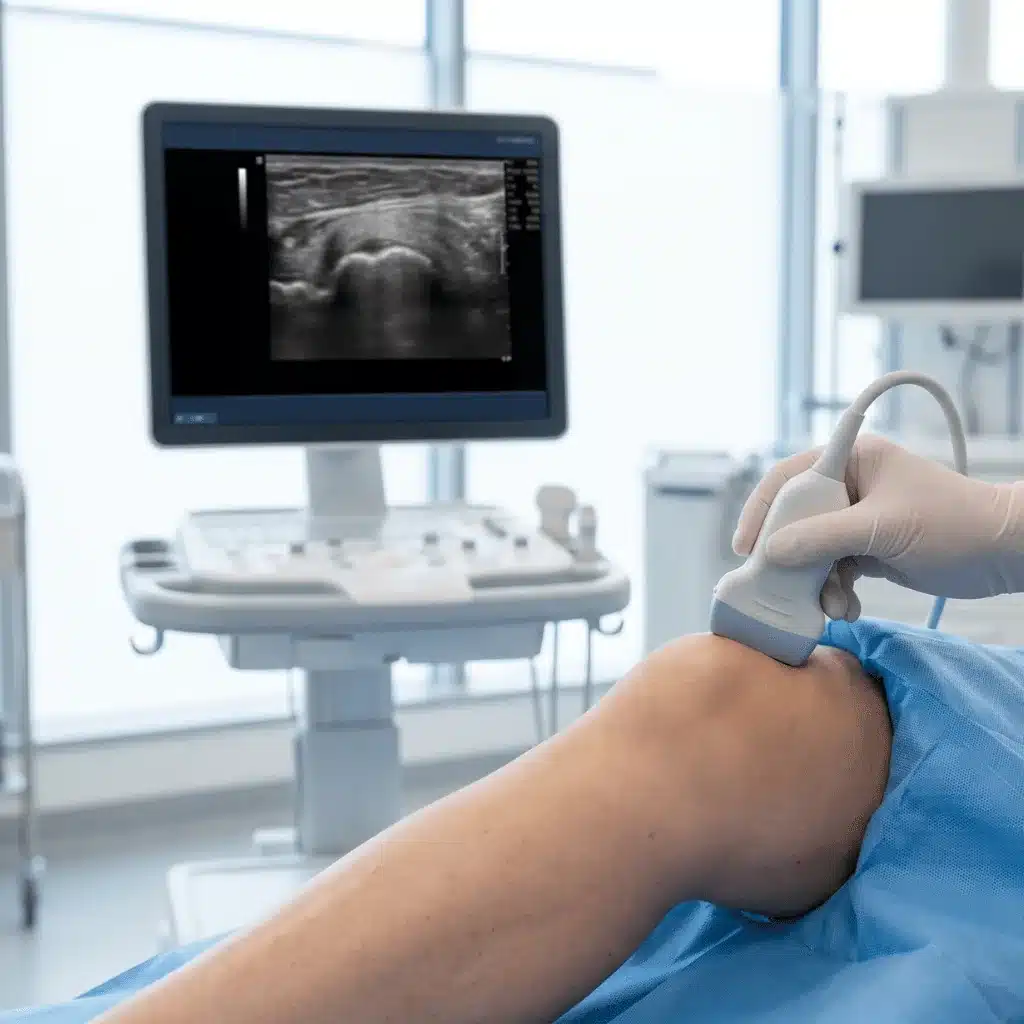
Ultrasound-guided injection techniques in regenerative medicine: why training matters
Read the postGuidance puts the needle where it belongs. It does not make you competent. What the accuracy evidence shows…
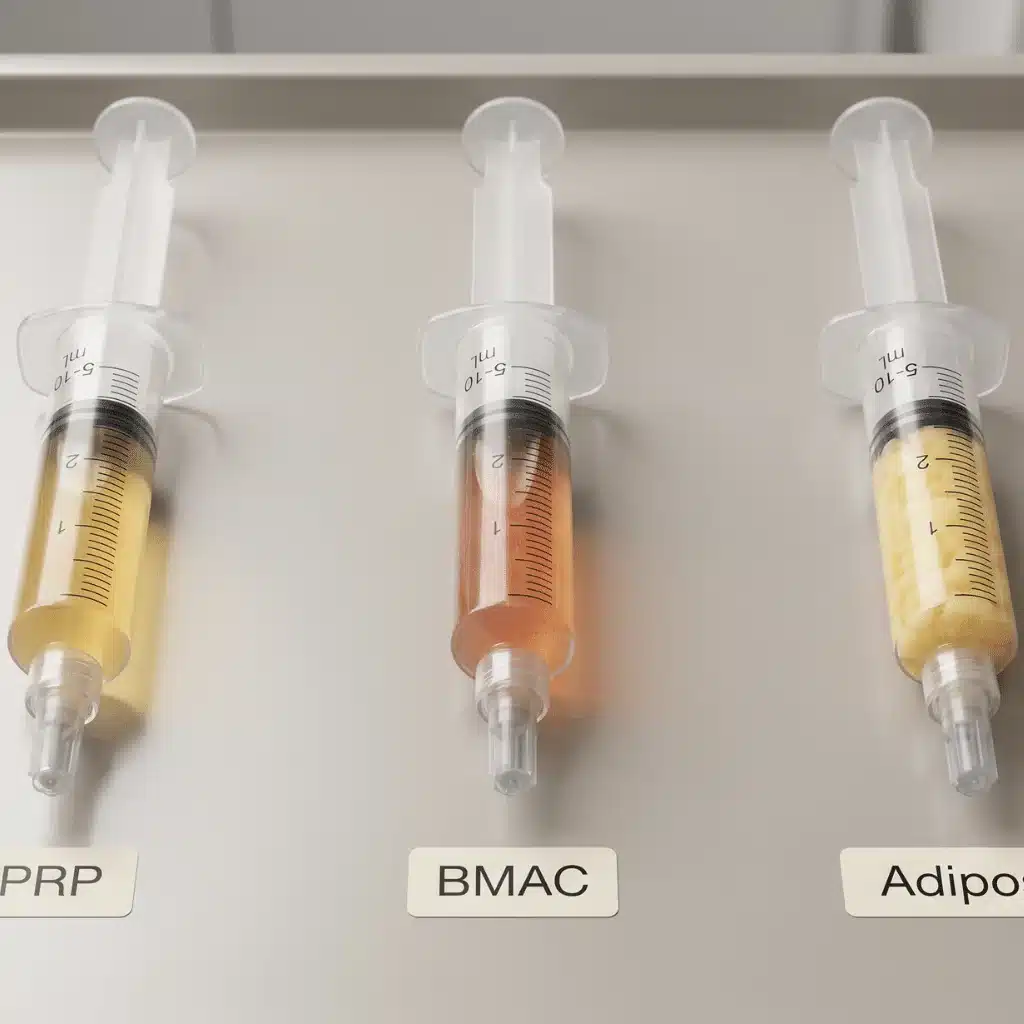
PRP vs. BMAC vs. adipose: comparing orthobiologic treatment options
Read the postPRP, BMAC and adipose are three different tools, not one product with three names. How to match modality…
Important information
Read this before you book.
Know what a course is not before you book. It won’t make you a specialist. It carries no CMEs, credit hours or accreditation, and it doesn’t cover your malpractice: you arrange that yourself. No one can promise you outcomes. It is education for licensed providers, not medical or legal advice, and some products and modalities discussed are not FDA approved or cleared for the uses discussed. The Certificate of Completion is not a license or a board certification, and it does not expand your scope of practice. Read the full notes.