
Where we train
Regenerative Medicine Training in Austin, Texas
PRP and regenerative medicine training for licensed providers in Austin and across Texas. It’s private and hands-on, on a live consenting patient.

Live patients
Private training
Practicing clinicians
U.S. based, worldwide
Training in Austin
Austin-area providers mostly practice in Travis, Williamson and Hays counties. Round Rock, Georgetown, Cedar Park and Pflugerville are just north of the city, and Kyle and San Marcos run south along I-35, with San Marcos about 30 miles down. Bastrop is about 30 miles east on Highway 71, and Temple and Killeen are each about 70 miles north.
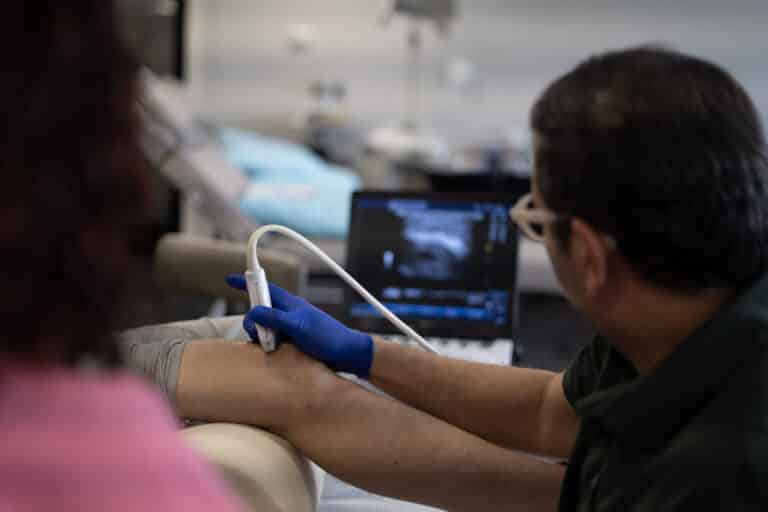
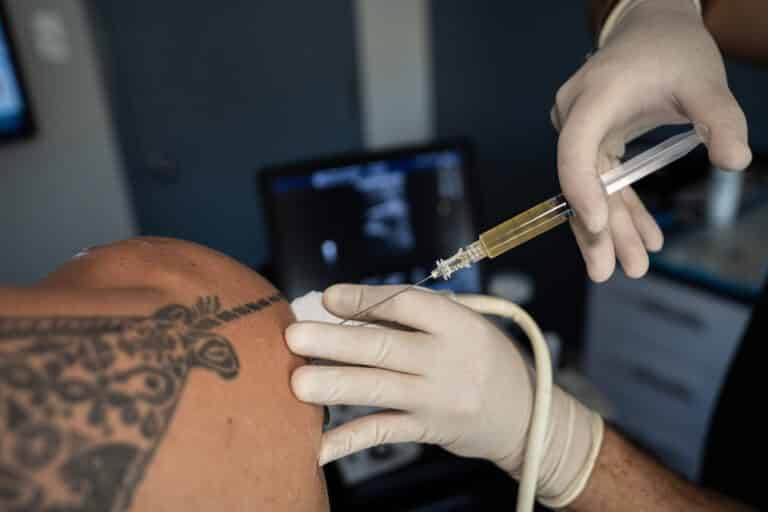
Pick the setting that suits you. We can send the instructor to your practice to train you and your team on the equipment you already use, with their travel inside the quote. Or you can come to an instructor’s working practice. Each option is private and hands on with real, consenting patients, and the scope is fixed before you book.
Who can train? Anyone legally able to provide the treatment in Texas, and the deciding factor is your license. Further down, the Texas section has the short version of how the state handles each one, and it links to the full reading, license by license, sources included.
Local detail
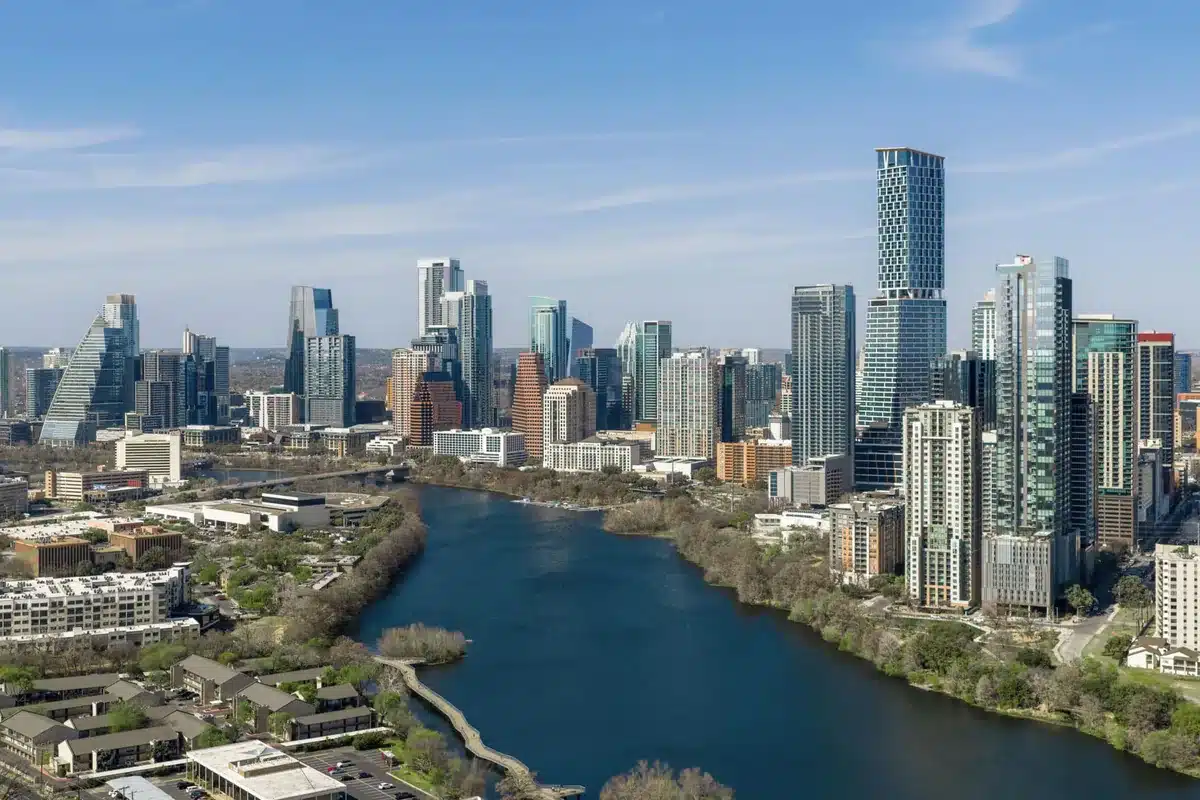
Austin at a glance.
The airport the instructor uses, the Central Texas towns an Austin session covers, and the medical school and hospitals around you.
Getting here
For training at your practice, the instructor flies into Austin-Bergstrom International Airport (AUS), which serves about 20 million passengers a year. Their travel and lodging are covered in the quote.
The area an Austin session covers
Travis, Williamson, Hays and Bastrop counties, and Bell or Burnet if you practice there. That covers Round Rock, Georgetown, Cedar Park, Leander, Pflugerville, Lakeway, Bee Cave, Dripping Springs, Buda, Kyle, San Marcos, Bastrop, Temple and Killeen. Practices in other Texas metros have their own pages: San Antonio, Houston and Dallas.
Dell Med and the hospitals around it
Austin providers practice alongside Dell Medical School, which calls itself part of The University of Texas at Austin’s academic medical center; Dell Seton Medical Center at The University of Texas, a full-service hospital and Level I trauma center for adults; and St. David’s HealthCare, which dates to 1996 and is a partnership between HCA Healthcare and two local nonprofits, St. David’s Foundation and Georgetown Health Foundation, with more than 160 healthcare sites.
Central Health and the county
Central Health was founded in 2004 by a vote of Travis County residents and is a separate political subdivision of the State of Texas that connects low-income Travis County residents to health care. Its mission, as it states it: “Make our community stronger by investing in access to health care for our most vulnerable residents.” In July 2014, The University of Texas at Austin, Central Health and the Community Care Collaborative signed an affiliation agreement, formalizing their relationship and the transfer of funding. Source
Worth knowing
In November 2012, Travis County voters approved Proposition 1, which put local property tax revenue toward a new medical school, the one that became Dell Medical School. Source
The market
Greater Austin in numbers.
Public figures for the four counties an Austin session covers: who lives there, where the growth is, how many clinicians the state counts, and which state offices are in town. Each number links to the page it was taken from.
Four counties, and Travis holds just over half
Travis County has 1,389,670 residents in the Census Bureau’s July 2025 estimates and about 994 square miles of land. Williamson has 752,827, Hays 304,390 and Bastrop 118,908. That adds up to 2,565,795 people, about 54 percent of them in Travis. The rest live in places like Round Rock, Georgetown, Kyle and San Marcos, so tell us which county you practice in when you ask for a date.
The growth is on the edges
From April 2020 to July 2025, the same estimates show Hays County up 26.3 percent, Williamson up 23.6 percent and Bastrop up 22.3 percent. Travis grew 7.7 percent, and the United States 3.1 percent. Source The fastest growth sits north and south of Austin along I-35 and east on Highway 71, not in the city’s own county.
A county of working-age adults
Just 19.7 percent of Travis County residents are under 18, and 11.6 percent are 65 or older. Source Nationally the shares are 21.1 and 18.9 percent. Source That leaves about 69 percent of Travis County between 18 and 64, against 60 percent for the country. These count residents, not patients, and say nothing about who comes to your practice.
The licensing boards are in town
The Republic of Texas established Austin as the capital in 1839. Source State licensing agencies have their offices here. The Texas Medical Board gives its address as 1801 Congress Avenue, and its staff also supports the Texas Physician Assistant Board. Source The Texas Board of Nursing lists the same address and calls the building the George H. W. Bush State Office Building. The executive council that houses the physical therapy board is at 1801 Congress Avenue too. Being near them changes nothing: their rules are the same in every Texas city.
Physicians and PAs, county by county
The Texas Medical Board’s May 2026 table lists 5,076 physicians in Travis County, 1,363 in Williamson, 401 in Hays and 61 in Bastrop. That is 6,901 across the four counties, of 78,290 in Texas. Source Its physician assistant table for the same month lists 871 in Travis, 279 in Williamson, 69 in Hays and 32 in Bastrop: 1,251 in all, of 11,765 statewide. Source
Bell County, up I-35
The county medical society, and the state one
The Travis County Medical Society says it has more than 4,000 members and represents approximately 70 percent of all practicing physicians in the Greater Austin area. Its timeline gives 1853 as its founding year. Source It is a component society of the Texas Medical Association, which is at 401 West 15th Street in Austin and calls itself the nation’s largest state medical society.
Practices by type, county by county
In the Census Bureau’s County Business Patterns county file for 2023, Travis County has 1,143 offices of physicians, 171 offices of chiropractors and 224 offices of physical, occupational and speech therapists and audiologists, a group the Census reports as one. Source Williamson has 347 physician offices and 93 chiropractic offices, about one for every four, where Travis has about one for every seven. Hays has 133 physician offices and Bastrop 36. All of these are business locations with paid employees, not a count of clinicians.
Local rules
What Austin and Travis County ask of a practice.
The Texas section further down covers what your license permits, which is the state’s decision. This part is about the practice as a business: the city, county and state offices an Austin-area practice deals with, as of October 2026. Treat it as a starting point, not legal advice, and check each point with the office we name.
Business licenses, as the City puts it
The City of Austin’s guide to starting a business says the State of Texas does not require a general business license, but that regulatory agencies have licensing and permitting requirements based on the type of service. It tells owners to contact the local county or city government where they plan to do business about any additional requirements. Source
Filing a practice name
For a sole proprietor, the same guide says to file an Assumed Name, or DBA, at the Travis County Clerk’s Office. Source The clerk notes that since September 1, 2019 it no longer records incorporated assumed names, which are registered with the Secretary of State only. Source The Williamson County Clerk says the same of DBA forms dealing with corporations. The Hays County Clerk will not accept assumed names for LLCs or corporations, and says one is needed in every county where business will be conducted. Source The Texas Secretary of State lists LLCs and professional associations among its own filers. Source How we read it: where you file depends on how the practice is organized.
The space, and a change of use
Austin’s Development Services Department calls a Certificate of Occupancy a document provided by the City that proves a structure is habitable based on its legal use and type of property and meets all housing and building codes. Source Its small business page says you may need to undergo the Change of Use process to obtain an updated certificate that reflects your planned use for the unit. Source How we read it: ask before you lease a unit last used for something else. A practice outside Austin should ask its own city.
The health department for your county
Austin Public Health says it provides public health and environmental safety services throughout Travis County under contract agreements, unincorporated areas included. Source The state health department’s list for this region puts it at 7201 Levander Loop, and also names the Williamson County and Cities Public Health District, in Round Rock, and the Hays County Health Department, in San Marcos. Source
Medical waste: storing it on site
The Texas Commission on Environmental Quality classes a practice producing 50 pounds or less of medical waste a month as a small quantity generator. It says generators are exempt from permit, registration or notification to store that waste on site, provided it was generated there, is stored securely and does not create a nuisance. Treating it on site takes a notification to the commission. Source
Texas rules
Texas scope and law, in brief.
This is the short version, as of October 2026. The full reading, license by license with every statute linked, is in the Texas scope and law sections on our Dallas page, and our Texas summary is on the rules by state page. It is a starting point, not legal advice.
It is your responsibility to confirm the modality is legal in your state for your license. Do that before you book. The authority on your own scope is your licensing board, not us.
Physicians, NPs and PAs
Physicians are licensed by the Texas Medical Board and may delegate a medical act to “a qualified and properly trained person acting under the physician’s supervision” when a reasonable and prudent physician would. Source Texas has restricted practice for nurse practitioners, according to the AANP. Source NPs and PAs provide the medical side of care under a physician’s delegation, and prescribing runs through a prescriptive authority agreement. Source
RNs, chiropractors and physical therapists
How we read the Nursing Practice Act: an RN’s hands-on part starts from a physician’s order or delegation. Source The chiropractic statute allows “nonsurgical, nonincisive procedures” and excludes incisive or surgical ones. Source How we read the Physical Therapy Practice Act: it does not name injections. Source Chiropractors and physical therapists should take any injection course to their board before they book.
Stem cell laws
Three Texas laws, HB 177 (2015), HB 810 (2017) and HB 3148 (2019), cover adult stem cell use, investigational stem cell treatment under an institutional review board, and a physician registry. Source None of their sections mentions platelet-rich plasma. Whether a product or procedure falls under them is a question for your counsel and your board. The FDA’s rules apply in every state on top of Texas law.
Your boards in Texas
Texas Medical Board, Texas Board of Nursing, Texas Physician Assistant Board, Texas Board of Chiropractic Examiners and the Texas Board of Physical Therapy Examiners.
Formats and pricing
Two ways to train in Austin, and both are private.
The hands-on work with a consenting patient is the same either way. What changes is whose room it is, and who from your practice is in it. Both prices are starting points: the quote depends on the course, how many people are training and how much of the curriculum is built around you.
At an instructor location
From $5,000
You come to us, at an instructor’s own working practice.
At your own practice
From $10,000
We come to you, anywhere in Texas, with the instructor’s travel and lodging inside the quote. What on-site training includes.
Cancel or refund any time up to thirty days out. Inside thirty days, no refund.
On a refund, covering card processing and office costs.
To move your date, covering the travel that moves with it.
Questions about dates, format or fit? Talk to us.
Training courses we offer
Every course runs in Austin.
The hands-on day is in person, at an instructor’s practice or inside yours.
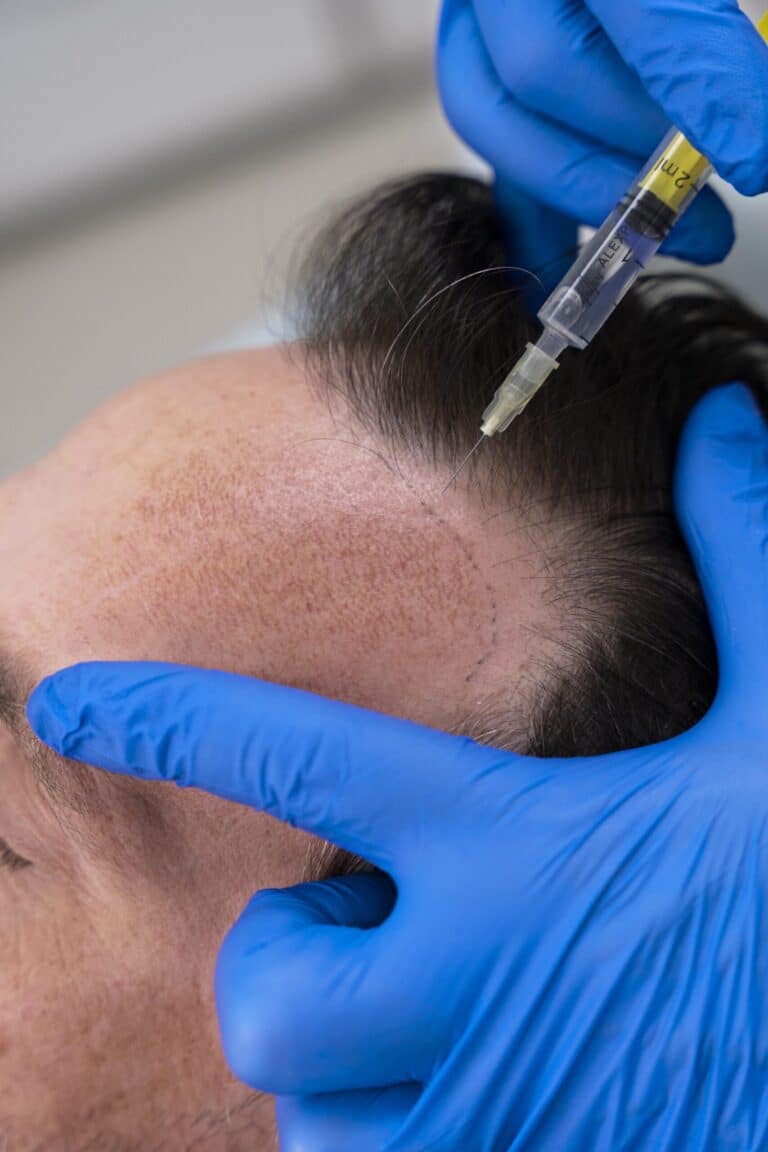



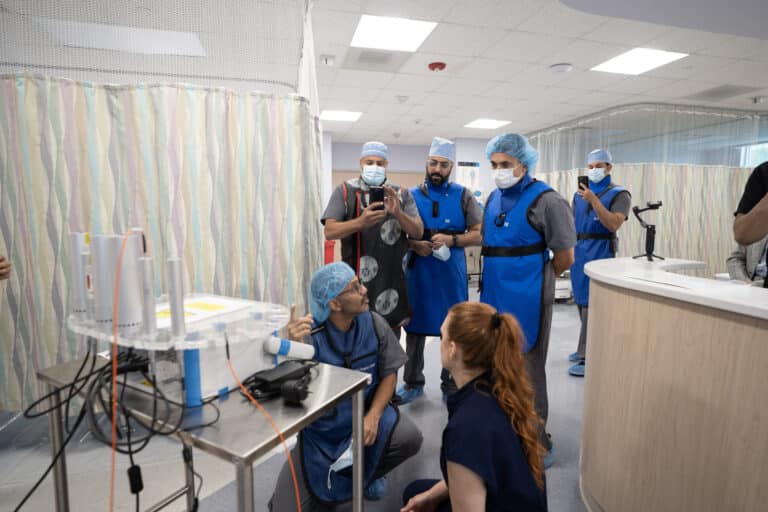
Common questions
What Austin providers ask before they book.
How much does training in Austin cost?
Training inside your own practice in Austin starts at $10,000, with the instructor's travel and lodging included. Training at an instructor's location starts at $5,000. Both are starting points. The quote depends on the discipline, the instructor, how many people are training and how much of the curriculum is built around you.
Do you train practices in Round Rock, Georgetown, Kyle or San Marcos?
Yes. An Austin session covers Williamson and Hays counties as well as Travis, and Bastrop to the east. Williamson is bigger on the map than Travis itself: about 1,116 square miles of land to 994. Source Source Put the practice address in your request so the plan fits where you are. It is agreed with you before you book.
Where does the instructor fly in, and how far out is it?
Austin-Bergstrom International (AUS), which the City of Austin owns and operates. Source It opened on May 23, 1999, and stands on the foundations of the former Bergstrom Air Force Base, which the airport's own history places eight miles from the Capitol. Source Getting from there to your practice, in the city or out in Georgetown or San Marcos, is inside the quote, along with the instructor's lodging.
The state boards are in Austin. Are the rules any different here than in Dallas, Houston or San Antonio?
No. The boards have their offices here, but they regulate for the whole state. What your license allows, and what the Texas stem cell laws say, is decided by the state and those boards and is the same in every county. You will find the short version in the Texas section above. The full reading, one license at a time, is on our Dallas page. What you may do hands on follows your license, not your zip code.
My practice is in Temple or Killeen. Do I ask for an Austin session?
Yes. Bell County is north of the four core counties, and this page covers it if that is where you practice. It is a medical community of its own: the Texas Medical Board's May 2026 table lists 1,471 physicians there. Source Send the practice address with your request for a date. The plan, the instructor's travel included, is agreed before you book.
I'm not licensed in Texas. Can I train in Austin?
Say so when you request a date. When the instructor comes to you, you train in your own practice under the license you hold there. When you travel to an instructor's practice in Texas, your hands-on part depends on whether you are licensed in Texas, and we agree the plan with you before you book.
Request a date now
Tell us about your practice and when you'd like to train.
Ready to add PRP or another regenerative procedure in Austin? A few quick questions, one screen at a time. Nothing here commits you to a date. A person reads every request and calls you back within one business day.
From the blog
Read it here, then do it in a course.
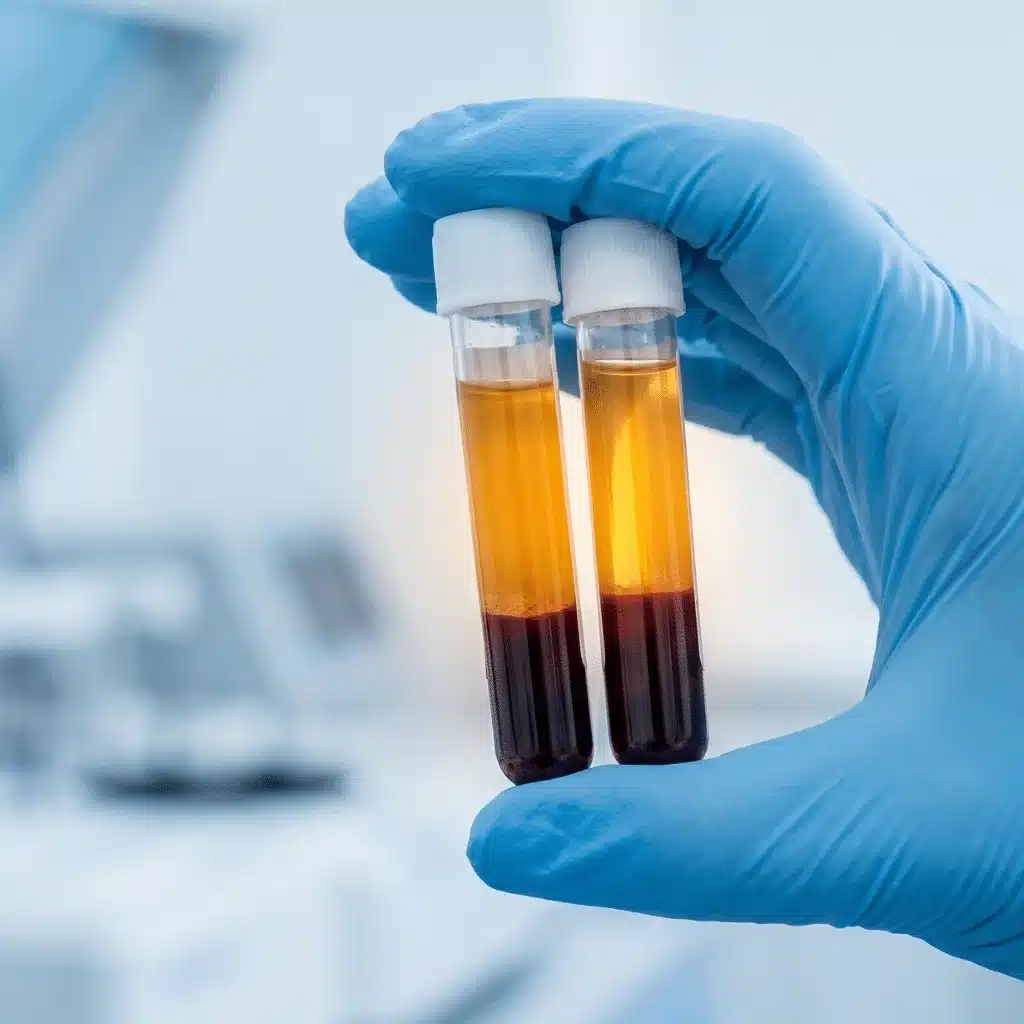
The role of growth factors in regenerative medicine: a clinical primer
Read the postPlatelet count is not the dose. A primer on the growth factors that do the work, why preparation…
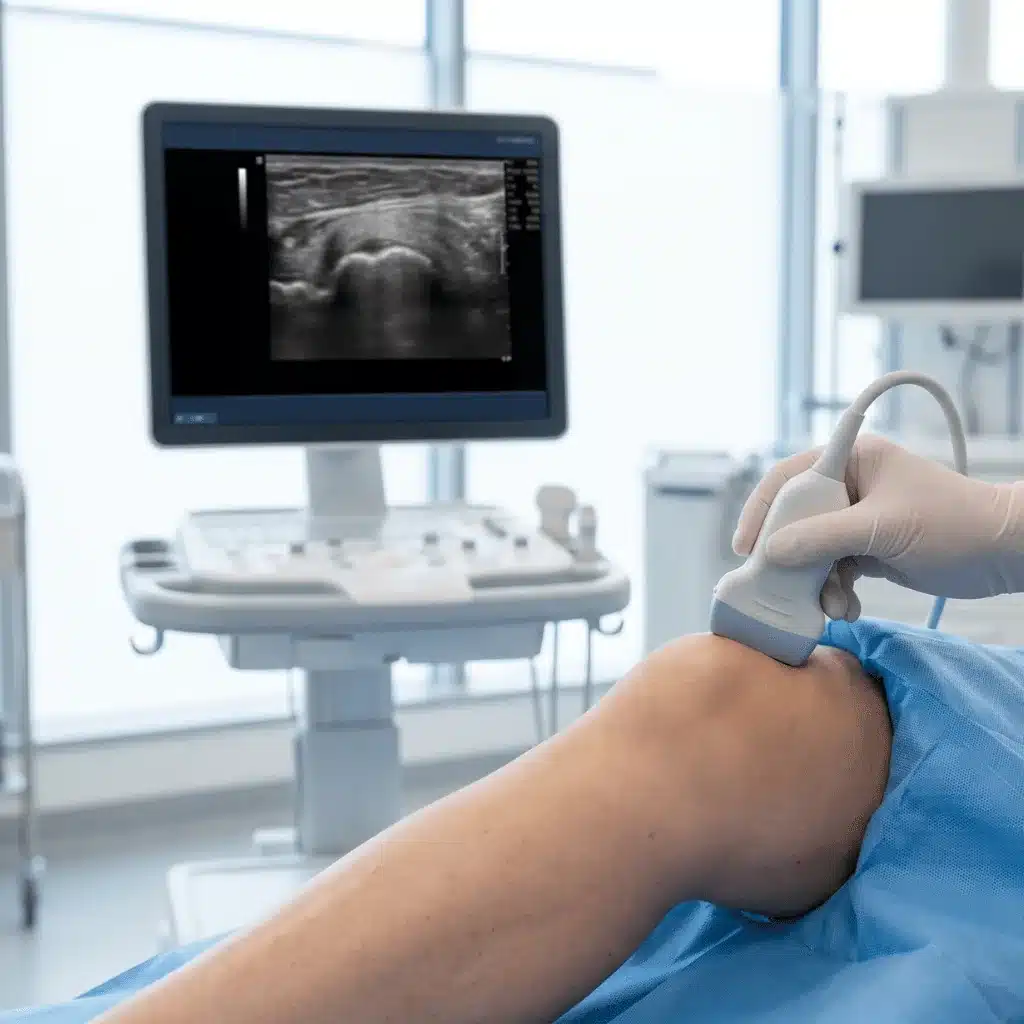
Ultrasound-guided injection techniques in regenerative medicine: why training matters
Read the postGuidance puts the needle where it belongs. It does not make you competent. What the accuracy evidence shows…
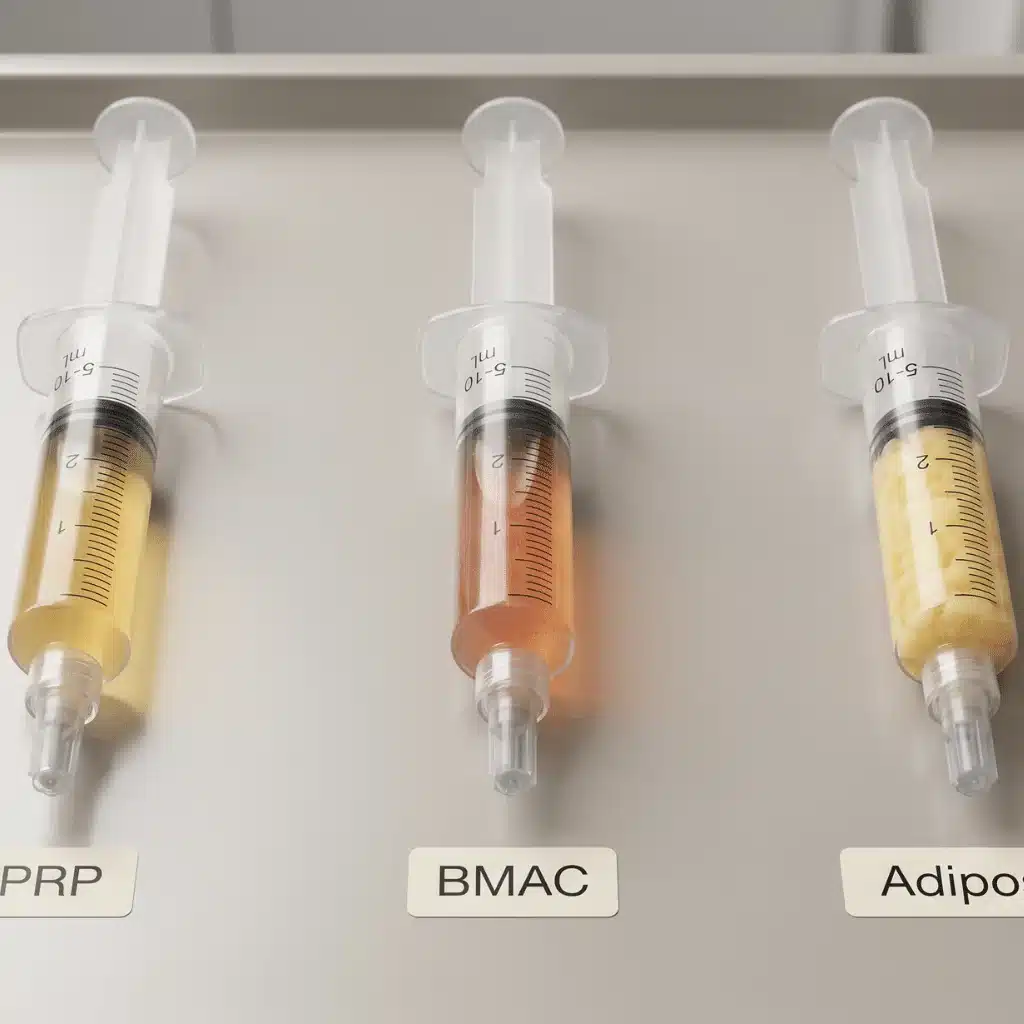
PRP vs. BMAC vs. adipose: comparing orthobiologic treatment options
Read the postPRP, BMAC and adipose are three different tools, not one product with three names. How to match modality…
Important information
Read this before you book.
Know what a course is not before you book. It won’t make you a specialist. It carries no CMEs, credit hours or accreditation, and it doesn’t cover your malpractice: you arrange that yourself. No one can promise you outcomes. It is education for licensed providers, not medical or legal advice, and some products and modalities discussed are not FDA approved or cleared for the uses discussed. The Certificate of Completion is not a license or a board certification, and it does not expand your scope of practice. Read the full notes.